



Why Glamour Australia's social-first launch reflects wider creator marketing shift
Brands don't buy channels; they buy outcomes, and the measurement stack hasn't been rebuilt to reflect that.

Glamour launched in Australia yesterday without a single glossy cover in sight - TikTok and Instagram first, website later - and if that sounds like a publisher chasing trends, Fabulate co-founder Nathan Powell would like a word. "This isn't a magazine launching on social media," he told Mediaweek. "It's a publisher recognising that the rules of publishing have fundamentally changed." For decades, publishers built trust in mastheads and waited for readers to come find them. That model is dying, and Powell isn't sentimental about it. Trust, he argues, is now built through personalities. Discovery runs on recommendation algorithms, not homepages. "The most interesting part of this launch isn't that Glamour is going social-first," Powell said. "It's that one of the world's biggest publishers is acknowledging that the front page of the internet no longer belongs to publishers." READ MORE: The data doesn’t lie: proof Karl Stefanovic could be Australia’s Joe Rogan READ MORE: Fabulate joins YouTube Creator Partnerships API program
The billion-dollar backdrop
Powell isn't just theorising from the sidelines. He's watching the money move. Australia's ad spend on creators is on track to blow past AU$1 billion this year, according to Statista's Influencer Advertising market data, with the category projected to reach AU$2.46 billion by 2030 - a shift Powell has described elsewhere as the moment "people really start to sit up and take notice." Against that backdrop, Glamour skipping the homepage in favour of @glamour.au reads less like a trigger-happy newsroom trying to jump on the latest trend dominating the algorithm, and more like a publisher ingratiating themselves in the new digital ecosystem. 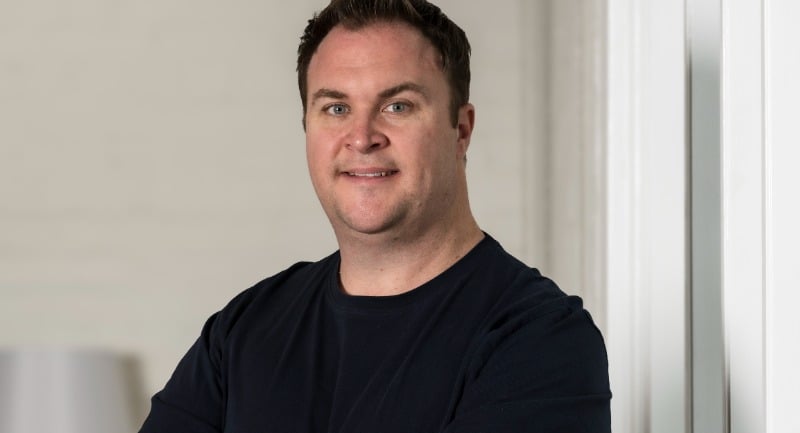 Nathan Powell, Co-Founder and Chief Product and Strategy Officer at Fabulate
Why the old ownership model is over
For years, the industry gospel was that owned audience is the only audience worth having. Powell thinks that gospel is outdated. "For years, publishers have argued that the most valuable audience is the one they own," he said. "This launch recognises that the biggest audiences are increasingly being built somewhere else, through creators and platforms that have fundamentally changed how people discover content." He's careful to separate the platform from the point. This isn't really a story about TikTok, or Instagram, or whichever app wins next quarter's algorithm update. "It's a story about publishers recognising that creators have become a fundamental part of the modern media ecosystem," Powell said. "The publishers that succeed won't simply be the ones producing great journalism. They'll be the ones that combine great journalism with great personalities and creator ecosystems that audiences actively choose to follow." Headlines, in other words, are no longer the battlefield. "The next generation of publishers won't be competing on headlines," he said. "They'll be competing on who has the strongest creator ecosystem." 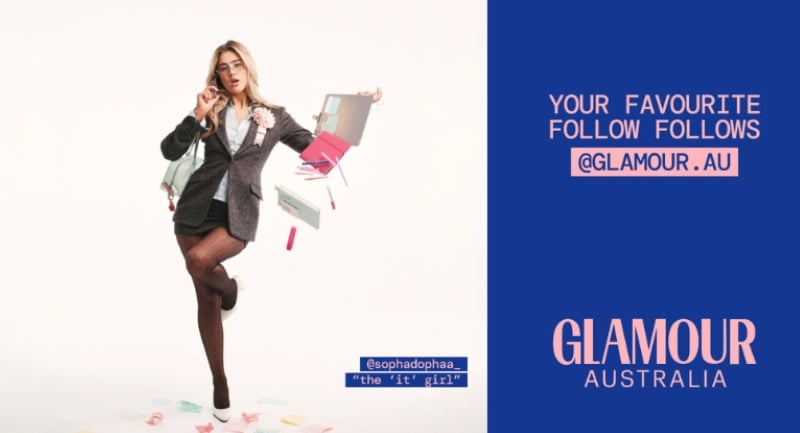
Measurement hasn't caught up
If the distribution model has moved on, Powell says the measurement model is still stuck in traffic. Asked whether the old systems for tracking digital performance are becoming outdated, he doesn't hesitate. "We're still measuring media for the way it used to be distributed, not the way it's consumed today," Powell said. The industry, in his view, has become fixated on where content landed rather than what it actually did. Brands don't buy channels; they buy outcomes, and the measurement stack hasn't been rebuilt to reflect that. Audiences now discover content through creators, algorithms, search and, increasingly, AI, yet those touchpoints are still measured as if they exist in separate universes. "Measurement should reflect how audiences behave, not how media owners are structured," he said. "The brands with the biggest advantage won't be the ones that can report on each individual channel. They'll be the ones that understand how those channels work together to drive business outcomes."
Branded content's replacement is already here
Powell believes Glamour's move is an early signal of a much bigger shift - one driven by economics as much as culture. The old branded-content playbook, he says, is starting to look expensive and slow next to the alternative. Under the traditional model, a publisher builds a branded article, parks it on the website, and then pays media dollars to draw an audience to it. Creator content skips the drag entirely - the audience already exists, the distribution is built into the platform, and the format matches how people actually consume media now. That, Powell said, is why creator content is set to eat traditional branded content's lunch. "It's quicker to produce, it delivers stronger results, and instead of paying to build an audience around the content, you're partnering with people who have already earned one," he said. The catch, according to Powell, is that most publishers still haven't earned the right to play this game. "Historically, when we've analysed publisher social channels, they've often underperformed creators because social has been treated as an extension of the publication rather than a product in its own right," he said. The best creators don't copy-paste content across platforms - they build separately for TikTok, Instagram and YouTube because each has "its own culture, creative language and audience expectations." "Publishers don't need to become creators," Powell said, "but they do need to start thinking like them."
Glamour, at least on day one, seems to have got the memo.
More from Mediaweek


The leading media trade publication in Australia.
Get our top stories straight to your inbox daily by signing up to our Newsletter
By providing your information, you agree to our Terms of Use and our Privacy Policy. We use vendors that may also process your information to help provide our services.


