



Nine heads for a first strike on pay as shareholders complain about the catering
A third of votes went against pay, the share price has slid, and the chair wants AI giants to pay up for Nine’s content.

What can a company’s choice of biscuits tell you about it?
Well, at Nine Entertainment’s annual general meeting on 6 November 2026, quite a lot.
New chair Peter Tonagh used his first AGM to talk about democracy, artificial intelligence, and the value of trusted journalism. Two shareholders wanted to talk about the catering.
The first was at his second Nine meeting. He noted that “for all the promises of increasing revenue,” the foyer offered “a tray of biscuits bought from local metro and nothing more.” He suspected the venue was a cost-saving measure too: “you’re saving money by holding in this cramped little quarters.”
The second shareholder took up the cause.
“To be honest, talking to other shareholders, and I know quite a few of them, we have the lousiest reputation of any company,” he said. “I mean, with a million or more profit, we must be able to afford $1,000 to put a few wholemeal sandwiches out there, or some sushi or whatever.”
For the record, Nine’s net profit for FY26 was $147 million. That buys a lot of sushi.


The leading media trade publication in Australia.
Get our top stories straight to your inbox daily by signing up to our Newsletter
By providing your information, you agree to our Terms of Use and our Privacy Policy. We use vendors that may also process your information to help provide our services.
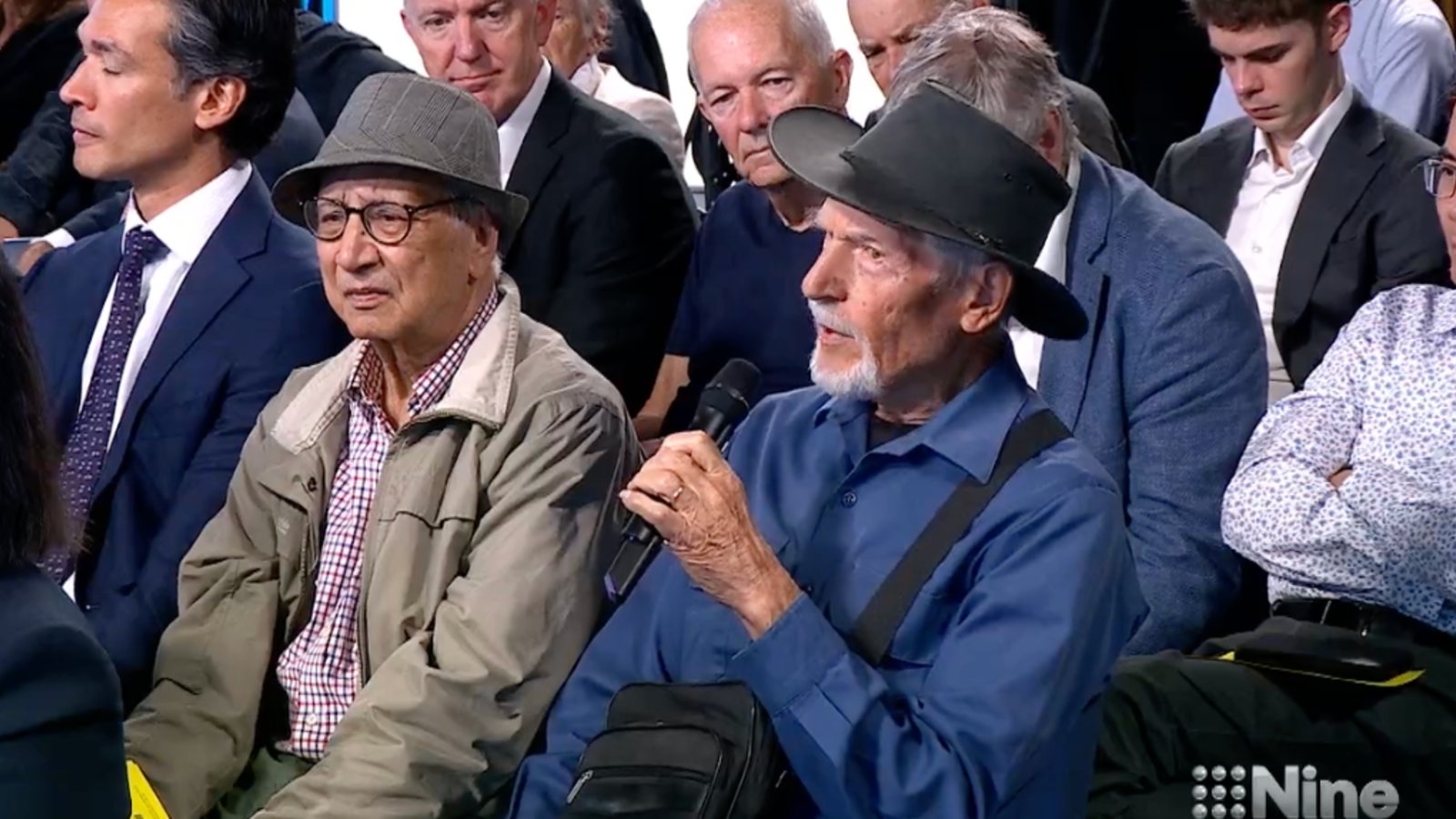
Together, the pair resembled Vladimir and Estragon, the two tramps in Samuel Beckett’s Waiting for Godot, who spend the whole play waiting for someone who never arrives. Nine’s version had them in the foyer, waiting for wholemeal sandwiches (and sushi) that never came.
At least Beckett gave Estragon a carrot.
Then again, there may be a simple explanation. Nine has just raised its cost-cutting target to $180 million, and the biscuit budget may be part of it.
The catering wasn’t the only thing shareholders were unhappy about.
The meeting
Votes lodged before the meeting show that 34.40% of shareholders opposed the company’s remuneration report. Under the Corporations Act, a vote of 25% or more against counts as a “first strike.” If it happens again next year, shareholders get to vote on whether to spill the board.
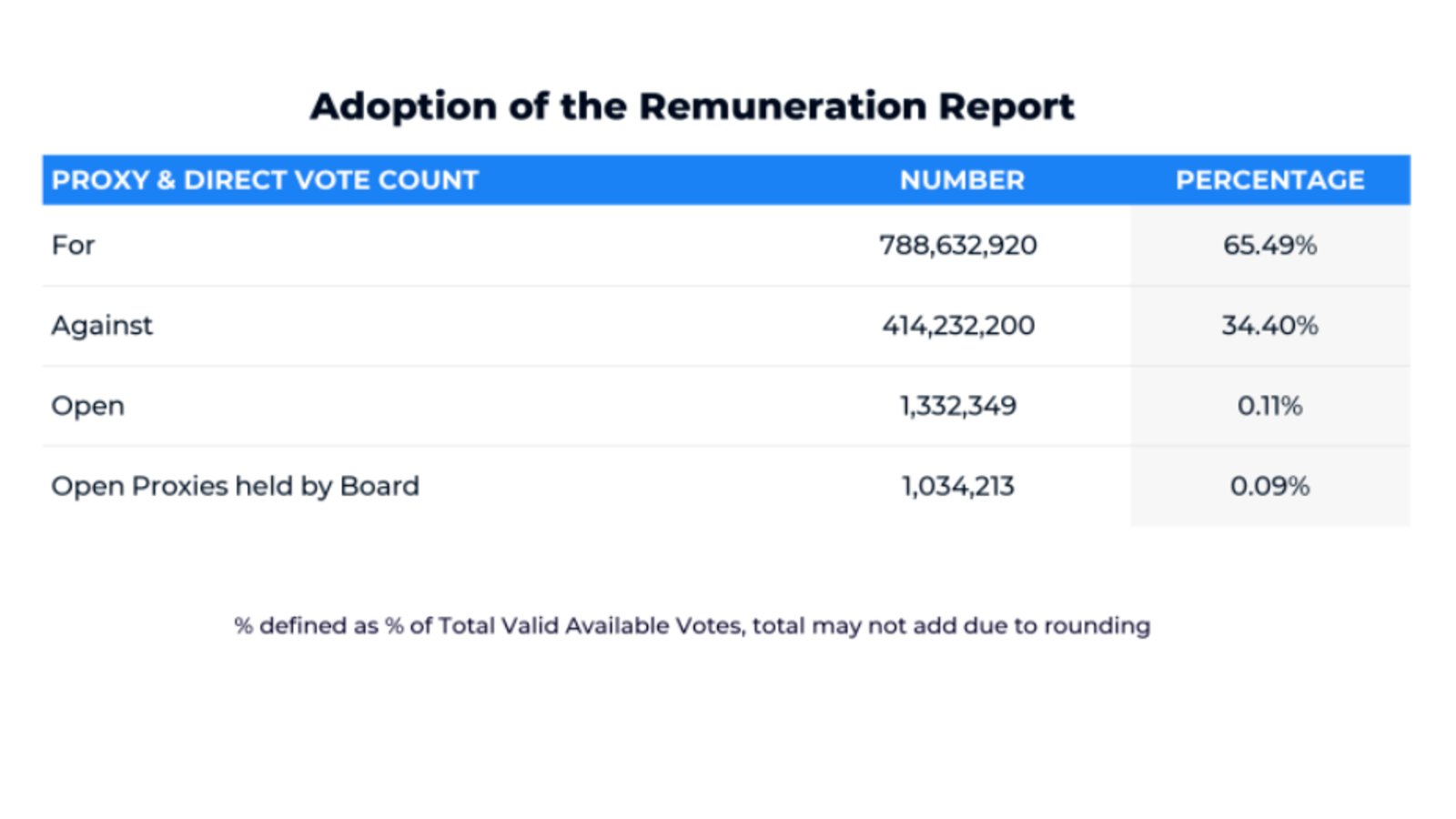
About a quarter of votes also went against the performance rights for CEO Matt Stanton. Performance rights are shares he can earn if he hits set targets. Opposition was 26.48% for the 2026 grant and 25.32% for the 2027 grant, but both still passed easily. Director Mandy Pattinson was re-elected, though 15.63% voted against her. New directors Chris Halios-Lewis and Leigh Terry each got more than 99% support.
Tonagh brought up the pay vote himself.
“Proxy votes show that a number of you do not support this year’s Remuneration Report, nor the issue of performance rights to the CEO. We take that seriously,” he said.
“Our view remains that the outcomes reflect a demanding year, in which the team reshaped the portfolio and delivered profit growth in a business that runs around the clock. The principle we apply is simple. Our executives should do well when you do well.”
He added that the board had “listened and increased disclosure of incentive components.”
The share price problem
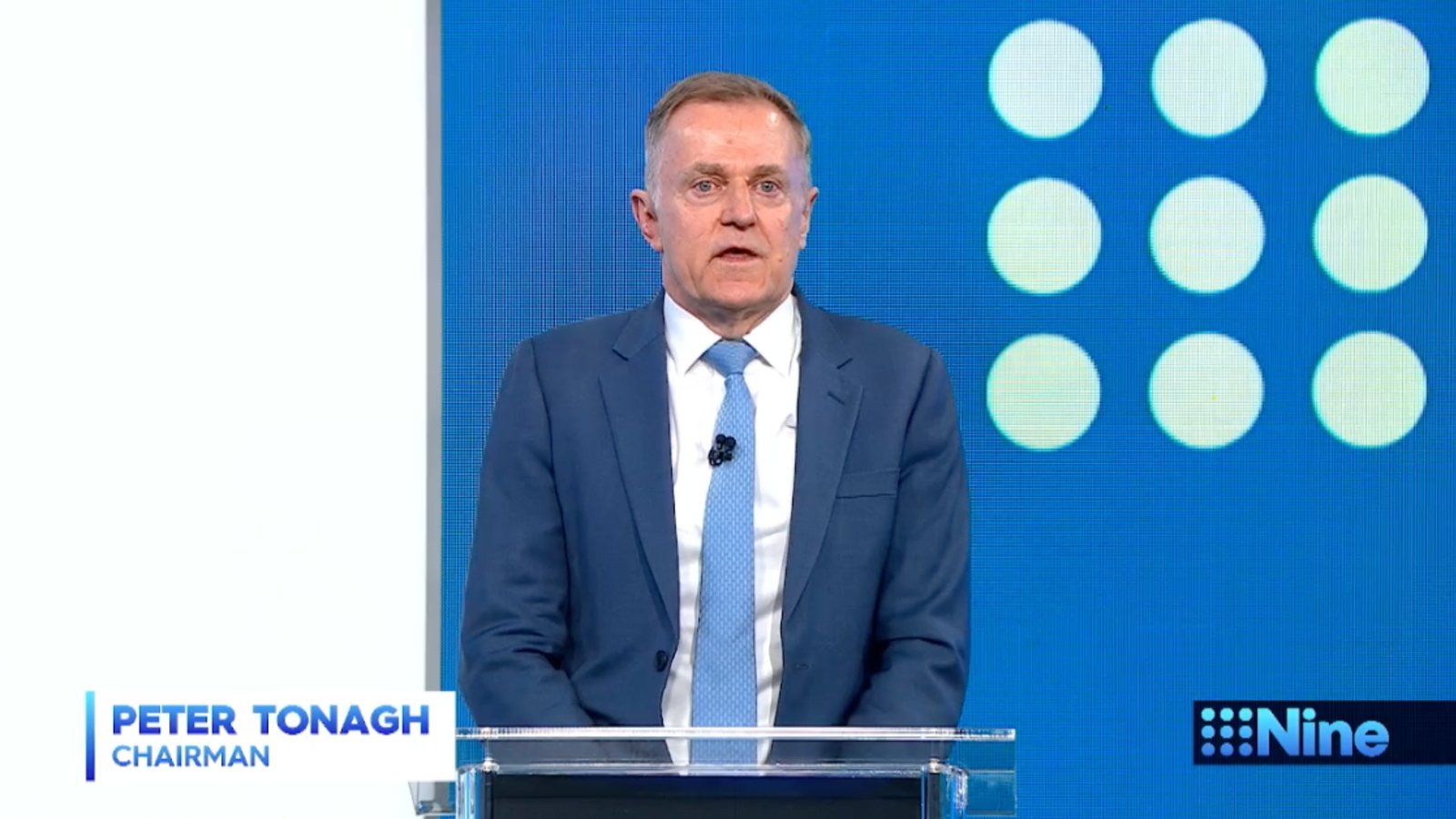
Tonagh also addressed Nine’s falling share price.
“Importantly, I want to acknowledge the significant decline in our share price in recent months. I am asked regularly to explain this decline and my response is always the same. In simple terms, I can’t speak to the market and the vagaries of it,” he said.
“On that basis, we believe the company to be undervalued at the current share price.”
Nine’s largest shareholder seems to agree. Bruce Gordon’s investment company Birketu has kept buying Nine shares on the market this year. Tonagh called it “a very supportive shareholder over the past decade.” Birketu holds two board seats, held by Andrew Lancaster and Halios-Lewis.
Stanton argued that investors are “overlooking the opportunities for Nine,” and used the Australian Financial Review as his main example. The masthead’s earnings have grown by an average of 18% a year over the past five years. It now makes almost 50 cents in operating profit for every dollar of revenue, and it accounted for more than half of Nine’s publishing earnings in FY26.
“Our digital publishing assets continue to grow more quickly than print is declining – we are now clearly past that inflection point,” Stanton said.
READ MORE: Nine 2027 Upfront: Network consolidates TV, streaming and outdoor into one commercial offering
READ MORE: Amanda Laing out at Nine after 18 months
Inside the trading update
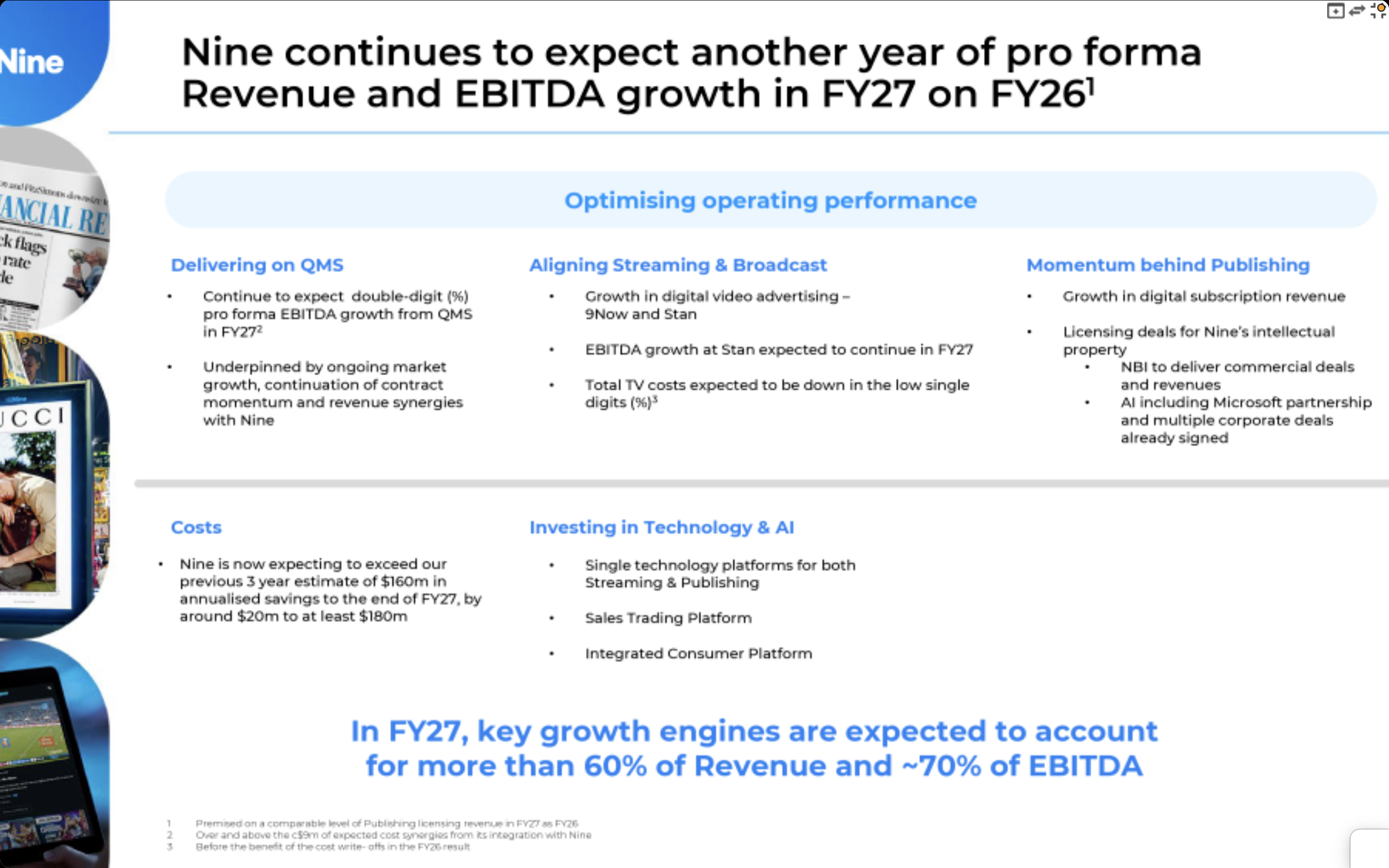
Nine still expects revenue and earnings to grow in FY27 on a like-for-like basis, with most of the earnings growth coming in the second half of the financial year.
Television is still the weak spot.
TV revenue fell 6% in the first quarter compared with the same period last year. Nine blamed a later start for The Block and the FIFA World Cup and Commonwealth Games airing on rival networks. It expects a smaller decline in the second quarter, and says TV costs will also fall slightly over the year.
Nine’s newer businesses are in better shape. Digital subscription revenue rose 7% in the first quarter. Outdoor revenue is expected to grow by about 15% in the first half. Stan’s earnings are tipped to rise again, driven by Stan Sport and its second season of Premier League football.
Nine has also raised its cost-cutting target. It now expects to save at least $180 million a year by the end of FY27, about $20 million more than the $160 million it previously flagged.
Making AI pay
Both speeches came back to who should pay for Nine’s content. Tonagh was the more direct of the two.
“If you train or power an AI system on Australian journalism, sport or entertainment, you pay for it, and you attribute it. Not after a fight. As a condition of use,” he said.
Stanton criticised the copyright changes the federal government is considering.
“The model under consideration is deeply flawed. It puts the onus on rights holders to protect their content, rather than on AI companies not to steal it. It would be a mistake for the Government to bow to pressure from big tech,” he said.
Nine has already signed AI licensing deals with Microsoft Copilot and several Australian companies. The News Bargaining Incentive is the scheme Parliament passed this year to push tech platforms into paying for news, and its money is further away. Nine has no qualifying deals yet and doesn’t expect any cash before the first half of FY28.
Tonagh also called for more transparency in government advertising. He noted the Commonwealth spent more than $200 million on media in 2024-25, with nearly half on digital. “The public reporting does not tell us how much of that went to Australian media and how much went offshore,” he said.
How Nine got here
Nine has changed shape a lot over the past 18 months. In August 2025, it sold its 60% stake in Domain and returned 49 cents a share to shareholders. It then sold Nine Radio and Pedestrian, and handed its regional TV operations in northern NSW and Darwin to affiliates. In March 2026, it bought billboard company QMS, which added $55 million in earnings in its first three months. In July, it locked in NRL broadcast rights until 2034.
The businesses Nine kept grew in FY26. Revenue rose 3% to $2.2 billion. Operating earnings, measured as EBITDA (earnings before interest, tax, depreciation, and amortisation), rose 17% to $379 million. For FY27, Nine expects Stan, 9Now, Outdoor, and digital publishing to bring in more than 60% of its revenue and about 70% of its earnings.
Tonagh ended by telling shareholders they own “a piece of the infrastructure that holds a democracy together.” Going by the pay vote, a third of them would also like more say over how the people running it are paid.
More from Mediaweek
The leading media trade publication in Australia.
Get our top stories straight to your inbox daily by signing up to our Newsletter
By providing your information, you agree to our Terms of Use and our Privacy Policy. We use vendors that may also process your information to help provide our services.


