



MOVE should make planners and buyers more curious, not more comfortable
oOh!media’s Bel Harper on how Pepe Saya’s regional NSW billboard launch grew from 18 to 25 sites when data asked why not.

By Bel Harper, Chief Product & Marketing Officer, oOh!media
For years, Out of Home (OOH) has traded on the power of location, creating repeated opportunities for audiences to see a message across their day. That remains one of the medium’s strengths. But MOVE is giving planners a different way to think about what that frequency is worth, shifting the conversation from simply delivering more exposures to understanding the audience value behind them.
The shift is not simply that OOH now has more data. It’s that planners, advertisers and media owners can make better decisions before a campaign is locked in, an asset is renewed, or old assumptions are carried into the next negotiation.
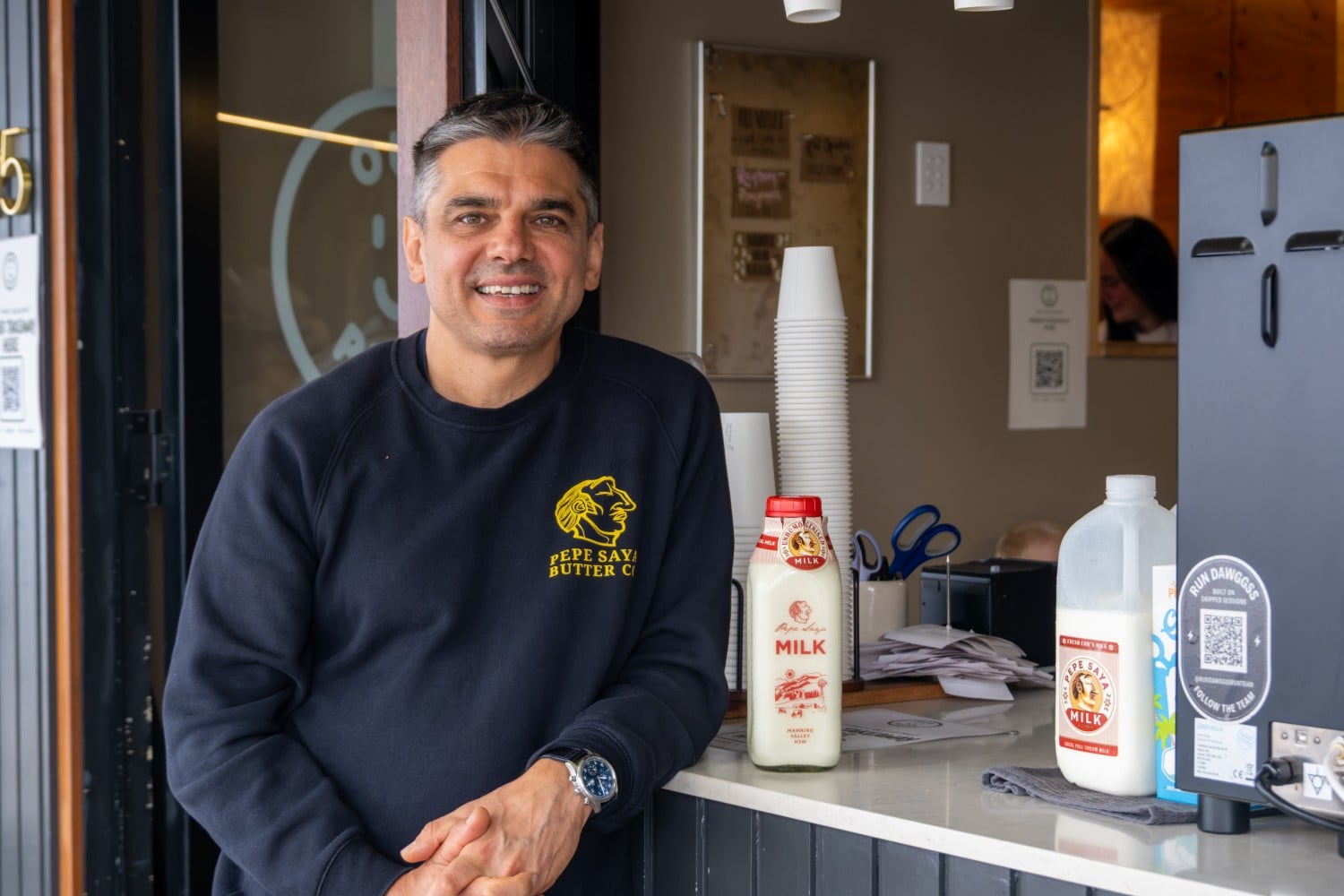
Pepe Saya’s recent regional NSW campaign is a useful proof point. The Australian food brand, best known for its cultured butter, recently launched a new milk product with a local story behind it: milk sourced from Tim and Julie’s farm in the Manning Valley and bottled in Grafton.
The awareness campaign ran across our roadside billboard network from Port Macquarie to Tweed Heads, building a consistent presence among potential stockists, local consumers and people travelling through the region.
As Pierre “Pepe” Issa, founder of Pepe Saya, put it: “This was a product launch built around a very local story. I drive that highway a fair bit, so I knew the billboards would stand out to motorists and truck drivers. What really appealed to me was having that consistent presence along the route. People weren’t just getting one opportunity to see us. We could keep showing up as they moved through the region, which was exactly what we wanted for the launch.”
What the brand didn’t know at the outset was how far that campaign could or should go. That’s where, for me, the campaign became interesting.


The leading media trade publication in Australia.
Get our top stories straight to your inbox daily by signing up to our Newsletter
By providing your information, you agree to our Terms of Use and our Privacy Policy. We use vendors that may also process your information to help provide our services.
An initial MOVE assessment showed that eighteen billboards could generate around two million impressions across twenty-eight days. But the data prompted another thought: what happens if we keep going?
That question changed the shape of the campaign. Expanding from 18 to 25 sites wasn’t simply about adding more billboards but about understanding what those additional sites could contribute to the campaign, and whether extending the network could create greater audience reach, higher frequency, and the potential to improve campaign results.
MOVE showed for Pepe Saya how a simple local story could travel further, with one creative idea running consistently across classic roadside sites and giving the brand 100% share of time along key sections of the road.
For advertisers, that’s where MOVE becomes powerful. Not simply measuring what a plan delivers but revealing where there may be more value to unlock.
And that same audience intelligence has an important role to play for media owners.
A modern OOH network is more than a collection of individual sites. Its strength comes from how those assets work together to deliver audiences, coverage, frequency and context for advertisers. MOVE doesn’t simply count how many people pass a site. It captures viewable audiences to advertising placements, considering where, when and how people travel, accounting for key factors such as seasonality, and variability of travel behaviours in regional and metropolitan areas.
That granular data gives us the confidence to be more curious and precise across campaigns, nationwide.
When that evidence is considered alongside commercial performance, operating considerations and the strategic role of assets, it gives media owners a stronger basis for investment and optimisation. It means media owners can make more informed decisions about where to invest, which assets to prioritise and the role different audiences play within a broader network.
That is an important evolution for the medium. Better measurement isn’t just helping planners find additional audience value in a campaign; it’s helping media owners understand where their networks perform best, where investment can have the greatest impact and how those networks can evolve around audience behaviour.
The Pepe Saya campaign is a useful example of what happens when better data challenges the obvious answer. The initial plan could have been enough. Instead, MOVE prompted a more interesting question: what else could be achieved?
That is the opportunity for the industry. Better measurement should not make us more certain that the plan in front of us is already good enough. It should make us curious about what we could do better.
What happens if we go further? What are we missing by stopping here? Is another site genuinely adding value? How could the network work harder for the audience and the advertiser?
The value conversation in OOH is changing. With better measurement, brands, agencies and media owners have the opportunity to ask better questions, make more informed decisions and continually improve the value they create.
Source: Pepe Saya Regional campaign. MOVE, oOh!media 21/09/26 - 18/10/26, Billboards, P14+, Regional NSW
More from Mediaweek
The leading media trade publication in Australia.
Get our top stories straight to your inbox daily by signing up to our Newsletter
By providing your information, you agree to our Terms of Use and our Privacy Policy. We use vendors that may also process your information to help provide our services.


