



‘Wine’, ‘tax’ and ‘injury’: The innocent words killing your ad reach
Health leads at 42% as ThinkNewsBrands urges brands to review keyword block lists before the sport and retail rush hits.

Nearly three in 10 Australian news articles across eight major advertising categories contain everyday words that can trigger advertising exclusions, according to new analysis from ThinkNewsBrands.
The peak body for news media released the findings on 19 November 2026 and is urging advertisers to review their keyword block lists before the summer sport and retail season.
The analysis is part of Left on the Table, a new ThinkNewsBrands campaign. It examined sport, retail, travel, finance, automotive, health, home, and food and beverage and found that an average of 28% of articles contain potential blocking terms. Health, wellness and beauty had the highest share at 42%.
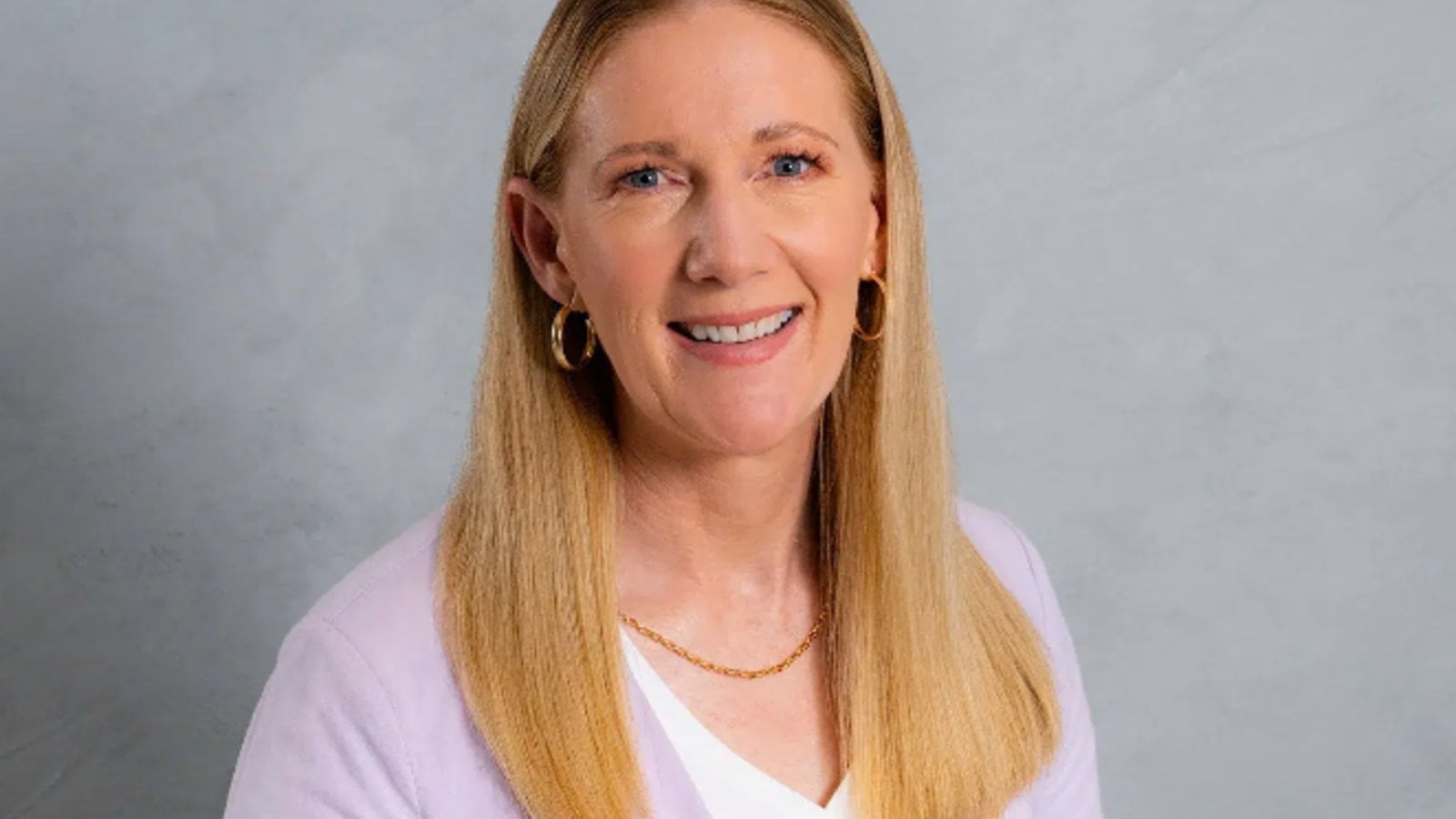
ThinkNewsBrands CEO Vanessa Lyons said the exclusions were costing advertisers reach while also protecting them.
“Imagine spending millions to reach sports fans or Christmas shoppers, only to discover your own advertising settings are preventing your brand from appearing alongside the very stories those audiences are actively reading. This isn’t just a brand safety problem. It’s a commercial performance problem, and no category is immune,” Lyons said.
Sport and retail in the frame
ThinkNewsBrands said 9.8 million Australians read sports news each month. According to the analysis, 31% of sports articles contain potential blocking terms, including ‘injury’, ‘game’, and ‘round’. That means coverage of events such as the upcoming Australian Open can be caught by keyword settings.
Retail articles fared slightly better at 23%. Terms such as ‘stores’, ‘theft’, and ‘banned’ could limit ad placements through Black Friday, Christmas, and Boxing Day.


The leading media trade publication in Australia.
Get our top stories straight to your inbox daily by signing up to our Newsletter
By providing your information, you agree to our Terms of Use and our Privacy Policy. We use vendors that may also process your information to help provide our services.
“A sports injury update isn’t inherently unsafe. Neither is a story about a retailer opening or closing stores,” Lyons said. “These are exactly the stories people seek out because they’re relevant to their interests, passions and purchasing decisions. Yet advertisers could be excluding themselves from those conversations.”
Health tops the category list
Here is the share of articles containing potential blocking terms in each category:
- Health, wellness and beauty: 42% (‘birth’, ‘bodies’, ‘toxic’)
- Sport and entertainment: 31% (‘game’, ‘round’, ‘scandal’)
- Finance and essential services: 31% (‘tax’, ‘bank’, ‘crash’)
- Food and beverage: 30% (‘wine’, ‘dining’, ‘community’)
- Automotive: 27% (‘shock’, ‘speed’, ‘warning’)
- Retail and department stores: 23% (‘stores’, ‘crime’, ‘theft’)
- Home, furniture and hardware: 22% (‘apartment’, ‘crisis’, ‘pipe’)
- Travel: 20% (‘savings’, ‘shot’, ‘emergency’)
ThinkNewsBrands said these words can trigger exclusions regardless of the story's context. Examples include travel stories that mention ‘wine’ and health articles that reference ‘blood’.
Building on September research
The category data follows ThinkNewsBrands’ Beyond Brand Safety: The Trust Advantage report, released in September. That report estimated that misapplied keyword blocking leaves about 23 million potential advertising interactions on the table each year.
As Mediaweek previously reported, the research audited 1,200 articles from Australian news publishers, published between July 2025 and June 2026. It put the equivalent advertising spend at risk at $180 million a year.
“Brands are investing significant budgets to reach the right audiences, yet blunt keyword blocking can quietly undermine that investment,” Lyons said. “News isn’t the risk. Misapplied blocking is.”
Three steps for advertisers
ThinkNewsBrands is asking advertisers and agencies to:
- Know: find out what is being blocked and why, including which keyword, category, or domain exclusions are switched on and who manages the list.
- Modernise: keep genuine safeguards but remove filters that are no longer needed, allow certain words in the right context, and use tools that read a story's context rather than just its keywords.
- Invest effectively and responsibly: set investment principles grounded in context, trust, and attention; work with publishers on their own contextual filters; and judge each story on its merits rather than excluding whole topics.
“Brands spend enormous effort protecting their reputations, yet many have limited visibility into where their advertising investment goes, what is being excluded and what opportunities are being lost,” Lyons said. “It’s time for CMOs and business leaders to ask not just where their advertising shouldn’t appear, but where their investment can deliver the greatest value.”
The eight Left on the Table category evidence sheets, and the full Beyond Brand Safety report are available at thinknewsbrands.com.au. ThinkNewsBrands said the sheets are designed to inform media investment decisions for 2027.
More from Mediaweek
The leading media trade publication in Australia.
Get our top stories straight to your inbox daily by signing up to our Newsletter
By providing your information, you agree to our Terms of Use and our Privacy Policy. We use vendors that may also process your information to help provide our services.


