



We celebrate Australian talent. So why aren't we supporting it?
The Aux founder Georgia Kidd on Snoop Dogg's fee, OneFour's bans, Yung Milla's win and why our creatives keep departing.

By Georgia Kidd, Founder & Creative Director, The Aux
Australia is home to some of the world's most extraordinary creative talent. From musicians and performers to choreographers, dancers, designers, and creative directors, our country is filled with individuals whose passion, originality, and determination continue to shape the global entertainment industry.
We have produced internationally recognised artists, delivered world-class productions and built a creative community capable of competing on any stage.
The recent announcement of a new world-class film studio in Bungarribee, Western Sydney, backed by a $100 million NSW Government investment, is an incredibly exciting step forward for our industry. Developments like this can create jobs, attract international productions, and give Australian creatives more opportunities to build sustainable careers right here at home. It's exactly the kind of investment our industry needs, and something worth celebrating.
Yet despite everything our industry has to offer, a concerning disconnect remains between the talent we produce and the opportunities we provide.
Recent moments in Australian entertainment have highlighted just how powerful our homegrown talent can be.
From Aboriginal rapper Yung Milla making history on The Voice Australia to the AFL showcasing Australian artists on one of the nation's biggest stages, these moments remind us of the talent and diversity that exist within our own country. They also raise a bigger question: why aren't these opportunities offered more consistently, and what does the future of Australian entertainment look like if we keep overlooking our own?


The leading media trade publication in Australia.
Get our top stories straight to your inbox daily by signing up to our Newsletter
By providing your information, you agree to our Terms of Use and our Privacy Policy. We use vendors that may also process your information to help provide our services.
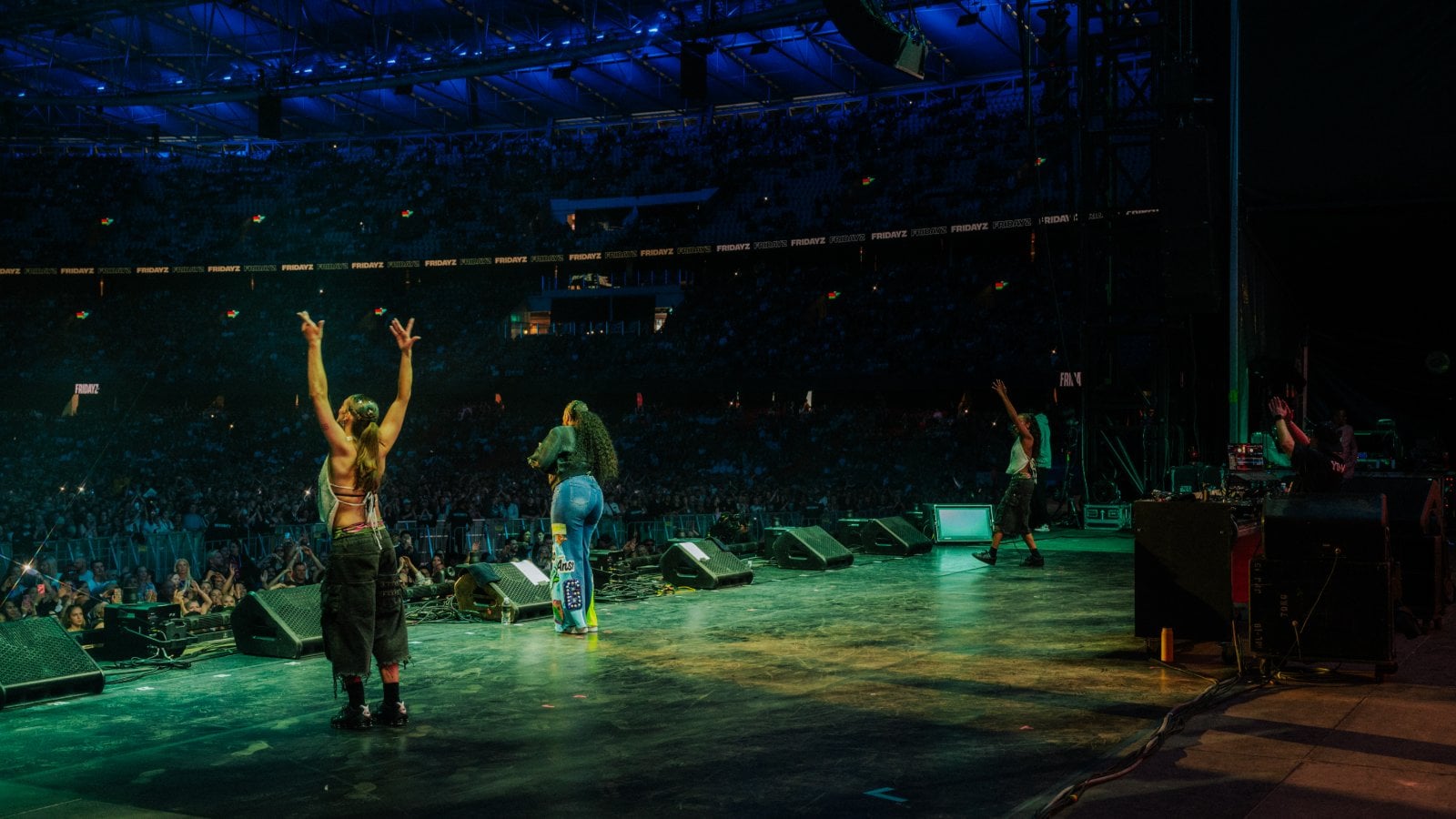
We shouldn't have to leave Australia to be successful
As the founder of The Aux, an Australian creative production company working across music, live entertainment and international productions, I've had the privilege of working alongside incredibly talented creatives both here and overseas. Through these experiences, I've come to realise that Australia doesn't lack talent, but rather the opportunities, investment and industry support needed to turn that talent into sustainable careers.
We continue to see Australian musicians, dancers, choreographers, creative directors and other industry professionals relocate to the United States, Europe and beyond in pursuit of opportunities they struggle to find at home. For many, moving overseas isn't necessarily about wanting to leave Australia, but recognising that their careers may have a greater chance of progressing elsewhere.
Look at artists such as The Kid LAROI, Sia and Troye Sivan, all Australian talents who have achieved extraordinary international success. While their journeys differ, they reflect a broader pattern in how we recognise our own. Some Australians may not even realise some of the biggest names on their playlists are from this country, yet once these artists achieve global recognition, we're quick to celebrate them as Australian success stories.
Of course, these artists have received support at home throughout their careers, but it raises the question of why international success so often becomes the benchmark for how we value Australian talent.
Why should our artists need recognition from America or Europe before we fully appreciate what we have here? We should help create those success stories from the beginning, rather than waiting until the rest of the world recognises them.
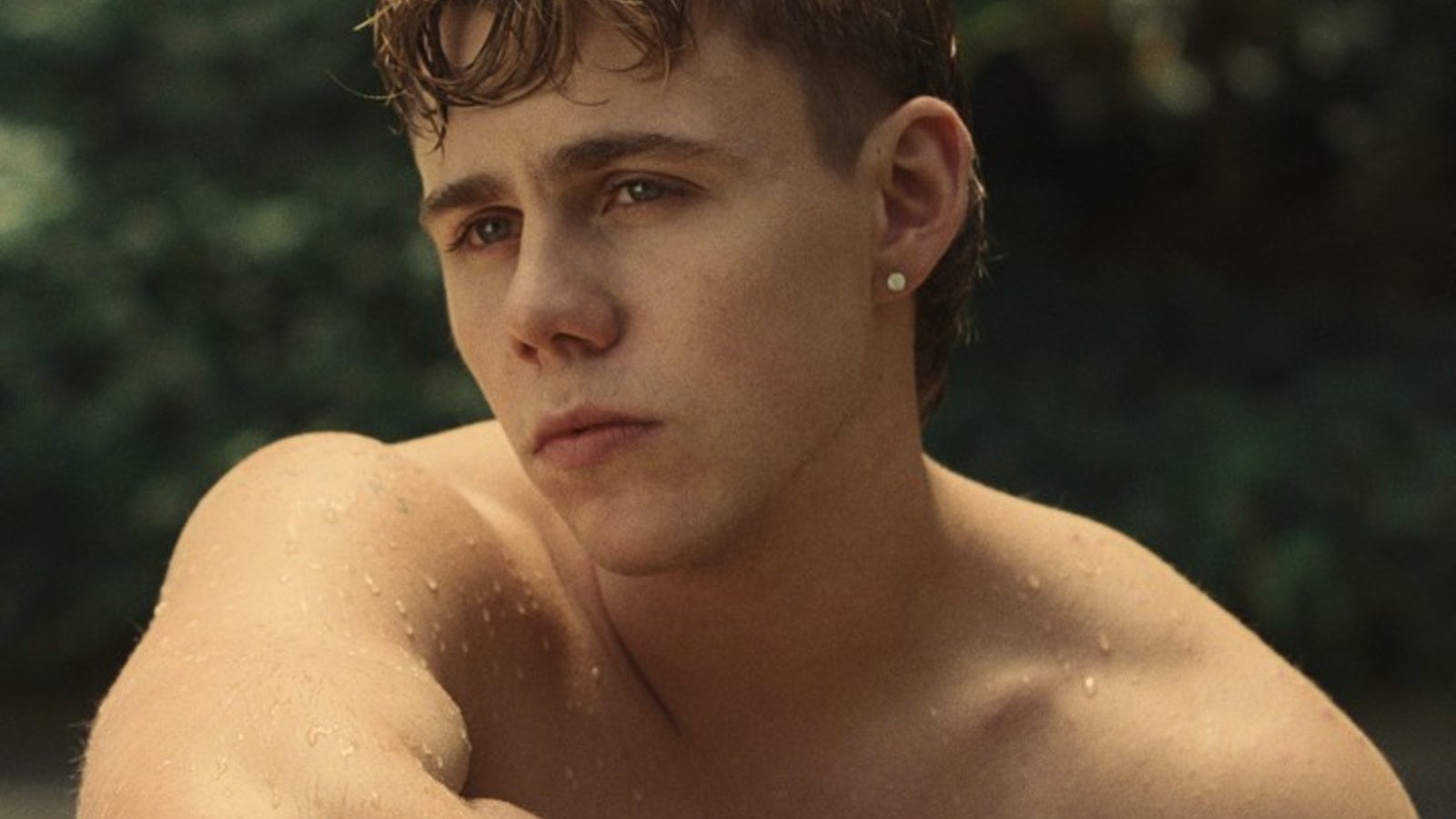
When we don't support the artist, we lose the entire industry
One of the biggest misconceptions about supporting Australian music is that the opportunity benefits only the artist on stage. In reality, every performance, tour, music video and major production creates potential employment for an entire network of creative professionals.
Behind every artist are creative directors, choreographers, dancers, costume designers, stylists, makeup artists, hairstylists, lighting designers, production crews and countless others whose livelihoods depend on a thriving entertainment industry.
It's a creative food chain, and when opportunities aren't created for the artist, everyone behind them is affected.
When an Australian artist is booked to headline a major event, that single opportunity can generate work for dozens of other Australian creatives. When those opportunities are consistently overlooked, we're not just limiting the careers of our musicians; we're reducing employment across an entire industry.
However, providing an opportunity is only one part of the responsibility. Artists and creatives need to be paid an amount that reflects their experience, contribution and the value they bring to a production.
Too often, the creative industry operates on the expectation that people should be grateful for the opportunity alone.
I've seen how much time, preparation and personal investment can go into delivering a production, only for creatives to walk away having barely broken even, or in some cases having spent their own money to make the opportunity possible.
Exposure can be valuable, but it doesn't pay rent, cover rehearsal costs, or create financial stability. If we want a sustainable entertainment industry, we need to stop treating creative work as something people should be willing to sacrifice their livelihoods for simply because they're passionate about it.
The double standard on our biggest stages
Australia hosts some of the world's largest sporting and entertainment events, attracting enormous audiences, major sponsorships and substantial commercial investment. These events can shape culture, introduce audiences to new artists, and generate meaningful employment throughout the entertainment industry.
Yet we continue to see international performers prioritised for major headline opportunities, often at considerable expense.
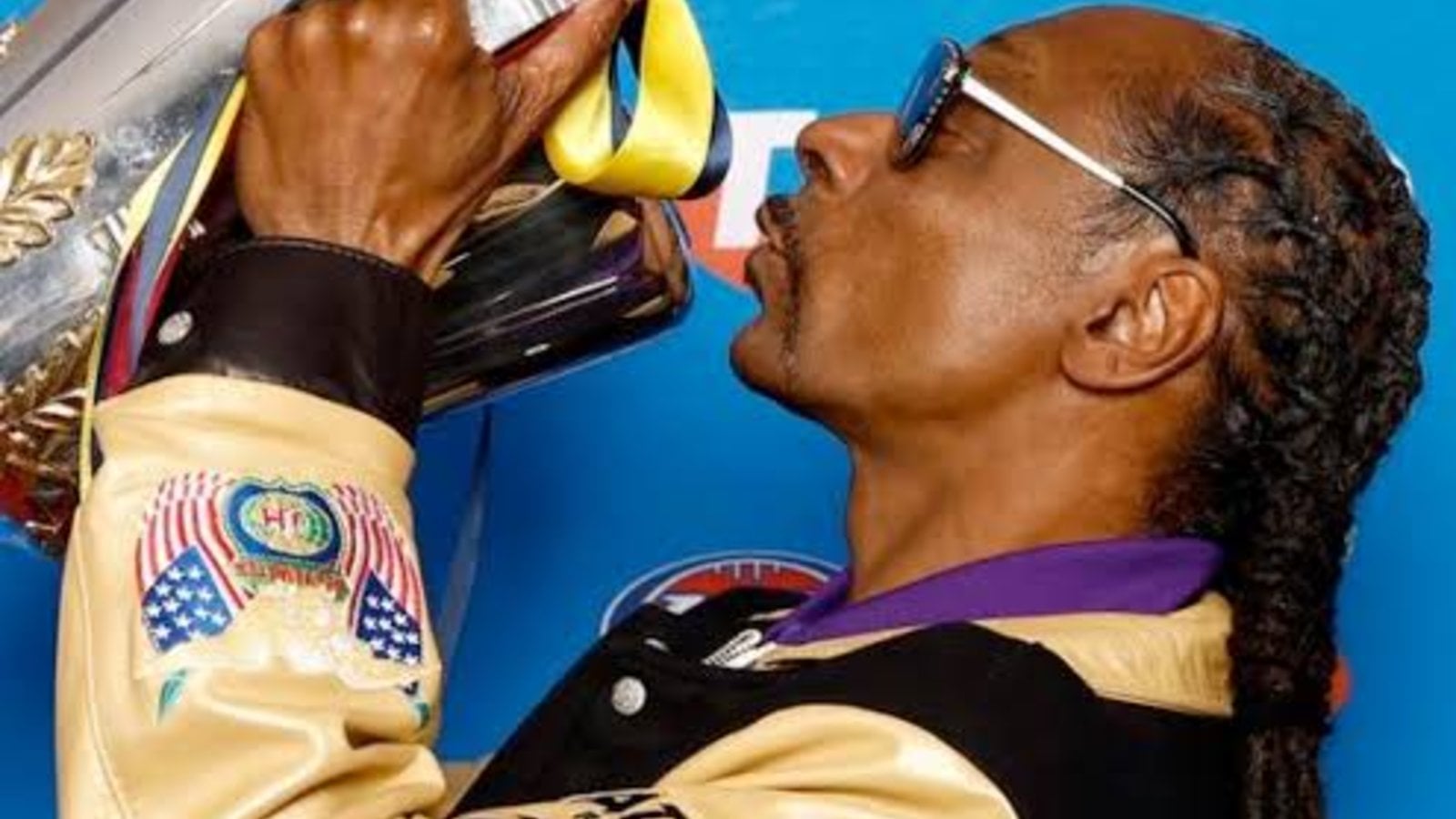
Take Snoop Dogg's AFL Grand Final appearance, for example. Reports of a multimillion-dollar performance fee, estimated at $2 million to $3 million, prompted an important conversation about where our entertainment budgets go and who ultimately benefits.
This isn't about questioning Snoop Dogg's talent, influence or contribution to music. It's about questioning the standards we apply to international artists compared with our own.
Australian hip-hop group OneFour have faced significant restrictions and obstacles when trying to perform in their own country, with police concerns and allegations about their associations contributing to cancelled performances and difficulty securing live opportunities.
Yet we're comfortable welcoming an international artist such as Snoop Dogg, whose career has included his own controversial history and music openly referencing cannabis use, including the famous phrase "Smoke Weed Everyday", onto one of Australia's biggest nationally televised stages.
The contradiction is difficult to ignore.
Why are we willing to separate an international artist's music and entertainment value from their public image, but struggle to extend that same consideration to Australian artists?
This isn't to suggest that legitimate safety concerns should be ignored, or that every artist's circumstances are identical. It's about asking whether we're applying consistent standards and whether our own artists are being given a fair opportunity to demonstrate their growth, professionalism and contribution to Australian culture.
We should also be questioning the financial imbalance. When millions can be allocated to securing an international headline act, what proportion of that investment goes to the Australian creative workforce responsible for delivering the production?
If we have the budgets to create world-class entertainment, we should have the budgets to ensure the people creating it are compensated accordingly.
Who is responsible for creating change?
While audiences have a role in supporting Australian entertainment, I believe the greatest responsibility lies with the people and organisations that control access to our biggest platforms.
Our major television networks, broadcasters, entertainment programs, sporting organisations, promoters and production companies are among the most influential decision-makers in the industry. They decide who gets national exposure, which artists are booked for major events, and whose stories reach millions of Australians.
These platforms don't just reflect popular culture. They help create it.
For many artists, appearing on a nationally televised program or performing at a major sporting event can introduce them to international audiences, industry executives, and future collaborators. These moments can transform a career, and the organisations behind them have enormous influence over which Australian artists get that chance.
This is why change needs to begin at the top.
We cannot expect audiences to discover and support Australian artists if the platforms with the greatest reach aren't consistently introducing those artists to them. Nor can we expect our creative workforce to thrive if the organisations with the largest budgets aren't investing in local talent and paying them fairly.
Supporting Australian entertainment should be more than a once-a-year initiative or a moment of national pride. It needs to become part of how our major networks, productions and events operate.
Changing the narrative of what Australia looks like
Yung Milla's historic victory on The Voice Australia represents something much greater than winning a television competition. As a young Aboriginal rapper from Darwin, his success has brought a different perspective of Australian identity, culture and storytelling into millions of homes across the country.
For First Nations artists and young people growing up in communities that haven't always been represented in mainstream entertainment, moments like these matter.
As an Aboriginal woman working in the creative industry, I understand how important it is to see people from different backgrounds, cultures, and communities represented on major platforms.
For decades, Australia has been marketed internationally through a relatively narrow image of who we are. The familiar stereotype of blonde hair, blue eyes, surfers, and beaches has often dominated how our country is represented, even though reality is far more diverse.
Australia is also home to First Nations peoples, multicultural communities, migrant families, working-class suburbs and countless individuals whose stories deserve to be heard.
Artists such as Yung Milla and OneFour represent parts of Australia that don't always fit the traditional image we've presented to the world. Their music reflects their communities, cultures, experiences and the realities of growing up in this country.
That's exactly why their voices matter.
When we give artists from different backgrounds the opportunity to perform on national and international stages, we're doing more than supporting their careers. We're helping reshape the way Australia is understood, both by our own people and by the rest of the world.
We have an opportunity to move beyond outdated stereotypes and present a more authentic representation of modern Australia, one that acknowledges our history, embraces our diversity and celebrates the stories that make our country unique.
But this requires more than simply celebrating artists when they achieve a milestone. We need to ensure those moments lead to continued opportunities, investment and long-term career development.
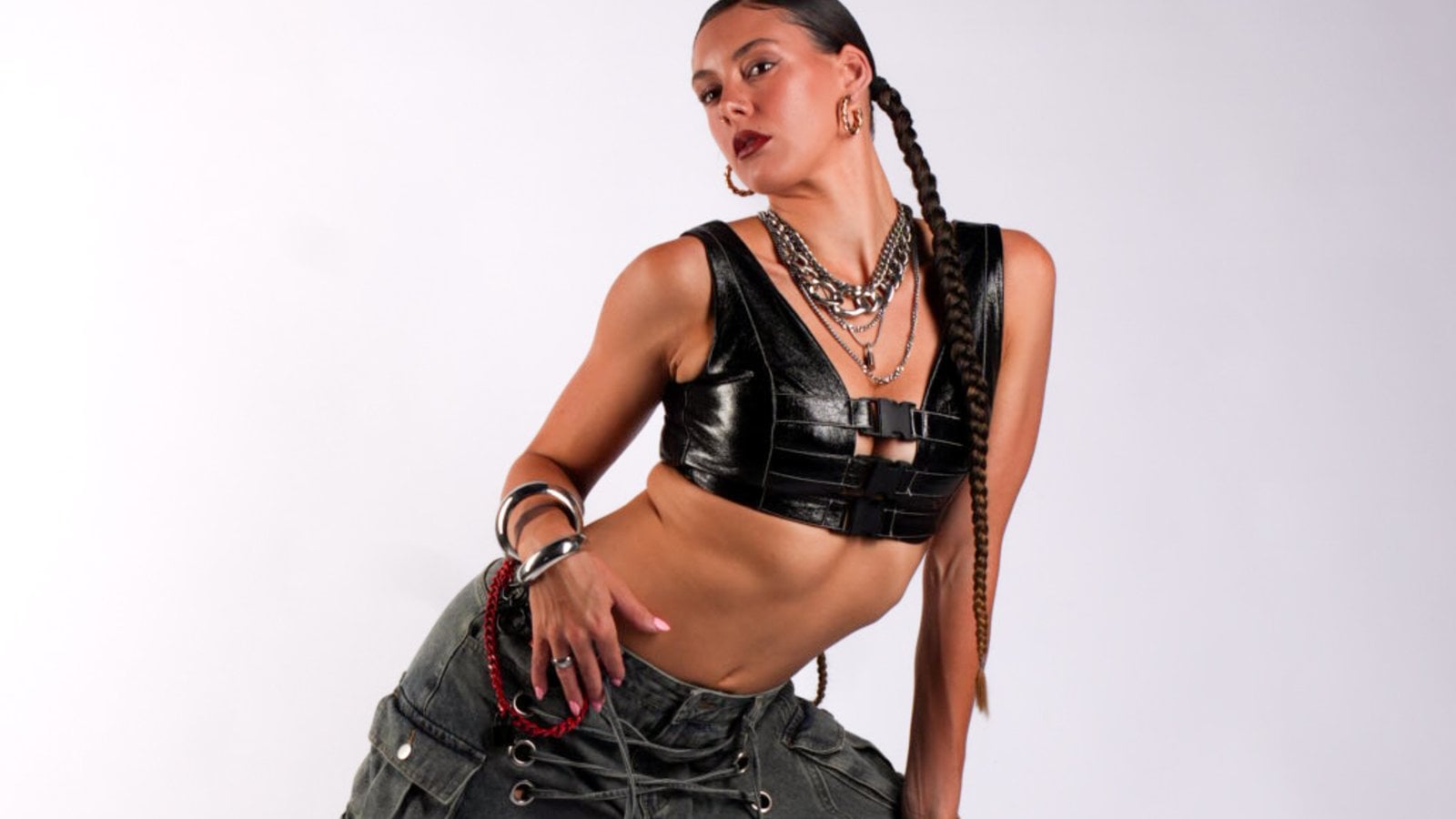
The Tall Poppy mentality is holding us back
Australia has always had a complicated relationship with success. We take enormous pride in our artists when they achieve international recognition, yet we can be hesitant to offer the same encouragement and support while they're still building their careers at home.
It's the tall poppy mentality, and I believe it still influences how we value our own talent.
We need to stop measuring the success of Australian artists against how much recognition they've received overseas and start recognising the quality, originality and potential of the work being created here.
The next generation of Australian headliners won't appear overnight. They need opportunities to perform, audiences to connect with, platforms to share their work and an industry willing to invest in their development.
If we aren't prepared to support our emerging artists, how can we expect them to become established names? And if we don't give audiences the opportunity to discover Australian talent, how can we expect them to support artists they haven't been introduced to?
It's a cycle that needs to change, and it begins with recognising that our own talent deserves the same consideration, investment and respect that we so readily extend to international performers.
The future of Australian entertainment depends on what we do next
I don't believe the Australian entertainment industry is lacking passion or ambition. Some of the hardest-working people I've met are creatives who keep dedicating their time, energy, and personal finances to an industry they genuinely love, often without knowing when their next opportunity will come.
But passion shouldn't have to come at the expense of financial stability, and pursuing a career in entertainment shouldn't mean accepting that opportunities will always be limited.
We need greater investment in Australian-led productions, more homegrown artists headlining our biggest events, fairer budgets for the creative workforce and stronger pathways connecting emerging talent with meaningful professional opportunities.
We need our major television networks, broadcasters, promoters, sporting organisations, and industry leaders to recognise their influence and the responsibility that comes with it.
This isn't about excluding international talent. International artists contribute enormously to Australia's entertainment landscape, and there will always be value in bringing global performers to our stages. It's about creating balance and ensuring that our own artists aren't continually overlooked in the process.
Through building The Aux, I've seen firsthand what Australian creatives can achieve when they're given the opportunity, resources, and trust to deliver. I've also seen the challenges of building something sustainable in an industry where opportunities can be inconsistent and creative work is often undervalued.
I want to see an Australian entertainment industry that our next generation is excited to enter. One where artists don't feel they need to relocate overseas to succeed, where our diverse communities are represented authentically and where the people working behind the scenes are recognised and compensated for the value they bring.
Because when we fail to support Australian artists, we're not just limiting the person standing on stage. We're affecting the choreographers, dancers, designers, production teams and countless others whose careers depend on those opportunities.
If we keep overlooking our own talent, we risk losing the very people who make our entertainment industry what it is.
Australia has everything it needs to become a stronger force in global entertainment. We have the talent, creativity, diversity and ambition, but we need an industry willing to invest in it.
It's time we stopped waiting for the rest of the world to recognise Australian talent and started recognising it ourselves.
More from Mediaweek
The leading media trade publication in Australia.
Get our top stories straight to your inbox daily by signing up to our Newsletter
By providing your information, you agree to our Terms of Use and our Privacy Policy. We use vendors that may also process your information to help provide our services.


