



Fame cannot save bad business: That's the harsh reality of celebrity beauty brands
Scarlett Johansson's The Outset is the latest casualty. Survival takes sharp marketing, smart pricing and a lot of luck.

By Darren Woolley, Founder and Global CEO, TrinityP3
Recent news that The Outset, the skincare brand co-founded by Scarlett Johansson, is quietly ending was not unique. Four years after it launched in 2022, the company officially decided to wind down operations. The beauty industry quickly offered complicated post-mortems, pointing to everything from market saturation to changing consumer habits. But the brutal truth is much simpler. But many celebrity brands in this category have closed in the past few years.
Fame is a customer acquisition strategy; it is not a business model. Strip away the celebrity halo, and surviving the modern beauty, wellness, and fashion sectors comes down to two unglamorous things. You need sharp marketing and sheer luck.
The dead zone of pricing
To understand why brands fail, look at where they position themselves on the shelf. Johansson opted for an accessible luxury tier, pricing products between $32 and $54. In retail, this is the equivalent of no-man's-land. Younger demographics can easily find perfectly good, clean skincare at the pharmacy for half the price. Meanwhile, older shoppers with larger disposable incomes expect clinical innovation, active ingredients, and premium packaging. The Outset offered a minimalist, fragrance-free aesthetic that failed to justify its price tag. Consumers felt they were paying a premium for Johansson's name and not getting the luxury experience they expected.
This is a fundamental marketing failure.
A brand must clearly align its price point with the product's perceived value. Fenty Beauty by Rihanna and Rare Beauty by Selena Gomez did not succeed by accident. They succeeded because their marketing teams knew exactly who their customers were and priced their products to match that purchasing power, while delivering radical inclusivity through extensive shade ranges.
.jpeg)


The leading media trade publication in Australia.
Get our top stories straight to your inbox daily by signing up to our Newsletter
By providing your information, you agree to our Terms of Use and our Privacy Policy. We use vendors that may also process your information to help provide our services.
The illusion of clean beauty
For a while, simply labelling a product vegan or allergen-free was enough to generate sales. That era is over. The modern beauty consumer is highly educated on scientific ingredients like peptides, retinol and niacinamide. They demand clinical efficacy.
Johansson intentionally stepped back from being the face of the brand, hoping the basic botanical formulas would stand on their own merit. The problem is that basic botanicals no longer impress anyone without a massive marketing investment behind them.
Conversely, Hailey Bieber aligned her brand, Rhode, perfectly with her own aesthetic. Bieber didn't rely on her name alone. She used an aggressive, highly engaged digital marketing strategy that drove organic social media content. She created viral moments, like a phone case designed to hold her peptide lip treatment, turning customers into everyday brand ambassadors.
The retail velocity trap
Getting a product onto the shelves at Sephora or Mecca is often seen as the ultimate sign of success. In reality, it is where the real struggle begins. Retailers demand incredibly high sales volumes per square foot. If a brand cannot maintain that velocity, it gets quietly removed.
We saw this exact scenario with Addison Rae and her Item Beauty line, which Sephora pulled when consumer demand dried up. The Outset faced the same fate, disappearing from Sephora shelves before its ultimate closure. Without that premium brick-and-mortar presence, acquiring customers purely through digital channels becomes unsustainable. Fame might get a brand its initial retail placement, but only rigorous, sustained marketing will generate the repeat purchases necessary to stay there.
When strategy fails and luck runs out
Even with the right product, failure is sometimes beyond a founder's control. This is where luck enters the equation.
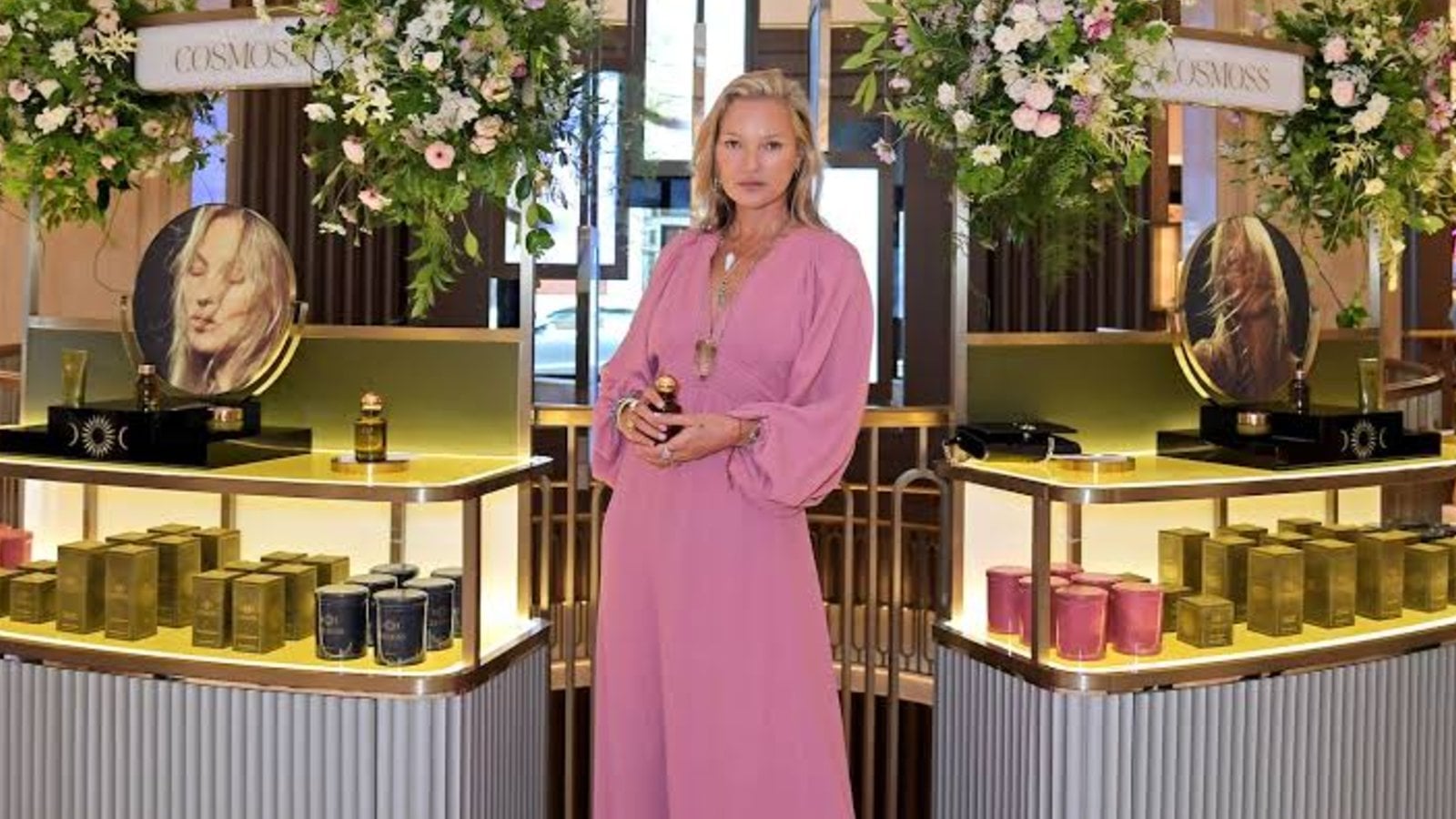
The beauty industry is littered with the corpses of celebrity brands that collapsed due to backend structural failures. Drew Barrymore ran Flower Beauty for 13 years before shutting it down in September 2025. Gwen Stefani closed GXVE Beauty in early 2026. Kate Moss folded Cosmoss in June 2025. Kristen Bell had to shutter her Happy Dance wellness line.
Many of these closures had less to do with the celebrities themselves and more to do with unstable leadership, poor supply chain management, or collapsing parent companies. When massive beauty incubators like Amyris face financial ruin, the attached celebrity brands lose their manufacturing overnight.
Other times, the marketing strategy itself is fatally flawed. Tyra Banks severely damaged Tyra Beauty by pivoting to a controversial multi-level marketing structure. Jaclyn Hill faced massive consumer backlash after quality control issues led to damaged lipsticks being shipped to early customers. You can have a brilliant concept and a loyal audience, but if your corporate backer goes bankrupt or manufacturing defects ruin your launch, your brand is finished.
The reality check
The closure of The Outset is not an isolated incident. It is a reality check for an industry that has become completely obsessed with celebrity influence. Consumers are no longer willing to pay a premium just because a famous name is attached to a generic moisturiser.
To survive in these highly competitive categories today, a celebrity must operate exactly like any other successful entrepreneur. They need total synergy between their public persona and their product. They need formulas that actually work. They need a ruthless, community-first marketing strategy. And above all, they need the good luck to partner with reliable corporate operators who will not sink the ship.
Fame might get people to look at your brand, but only sharp marketing and solid luck will convince them to buy it twice.
More from Mediaweek
The leading media trade publication in Australia.
Get our top stories straight to your inbox daily by signing up to our Newsletter
By providing your information, you agree to our Terms of Use and our Privacy Policy. We use vendors that may also process your information to help provide our services.

.jpg%3Fv%3D1788235037855&w=3840&q=75)


