



Meta Muse puts brands in front of a new kind of shopper
Muse can find a deal and complete a purchase. Marketers face a harder question: how does their brand make the shortlist?
.jpg%3Fv%3D1790221116936&w=3840&q=100)
Standing on stage in a black T-shirt bearing the words ‘Building Is My Love Language’, Mark Zuckerberg was charged up (both literally and metaphorically) about Meta’s new personal AI agent, Muse. He had reason to be. Meta wants Muse to answer the question, find the product and, increasingly, make the purchase. If it works, brands could find themselves pitching to an agent before they ever reach a shopper.
Zuckerberg’s ambition is hardly modest. “In the coming years, I expect that Muse is going to grow into the personal superintelligence that billions of people around the world are going to use to accomplish their goals and improve their lives,” he said.
Hoo boy. Them's fighting words.
However, for advertisers, the immediate question is less lofty: how does a brand get picked?
Well, take this example: A person asking Muse for a pair of running shoes may never scroll through a results page, visit a retailer’s website or see a retargeted ad. The agent could weigh the options, suggest a product and move straight to checkout. Price, availability and product information would matter, as would the less visible question of how Muse decides what to recommend.
Meta introduced Muse earlier this month as an agent people can message through its app or WhatsApp. At Connect, it showed a voice mode that can sustain longer conversations while working in the background.
The company also plans to bring Muse to its AI glasses (which Zuck is desperately still trying to make a ‘thing’), where it could act on what the wearer is looking at, including a product on a shop shelf. Meta has announced an email address for the agent and computer-use features for its Mac app.


The leading media trade publication in Australia.
Get our top stories straight to your inbox daily by signing up to our Newsletter
By providing your information, you agree to our Terms of Use and our Privacy Policy. We use vendors that may also process your information to help provide our services.
A customer could, in theory, look at a coffee machine in a store and ask Muse whether there’s a better deal elsewhere. That is a rather different moment for a brand than serving an ad to someone browsing Instagram.
READ MORE: In a completely normal, non-controversial move, Meta bans Virginia Woolf ad over feminism

From recommendation to receipt
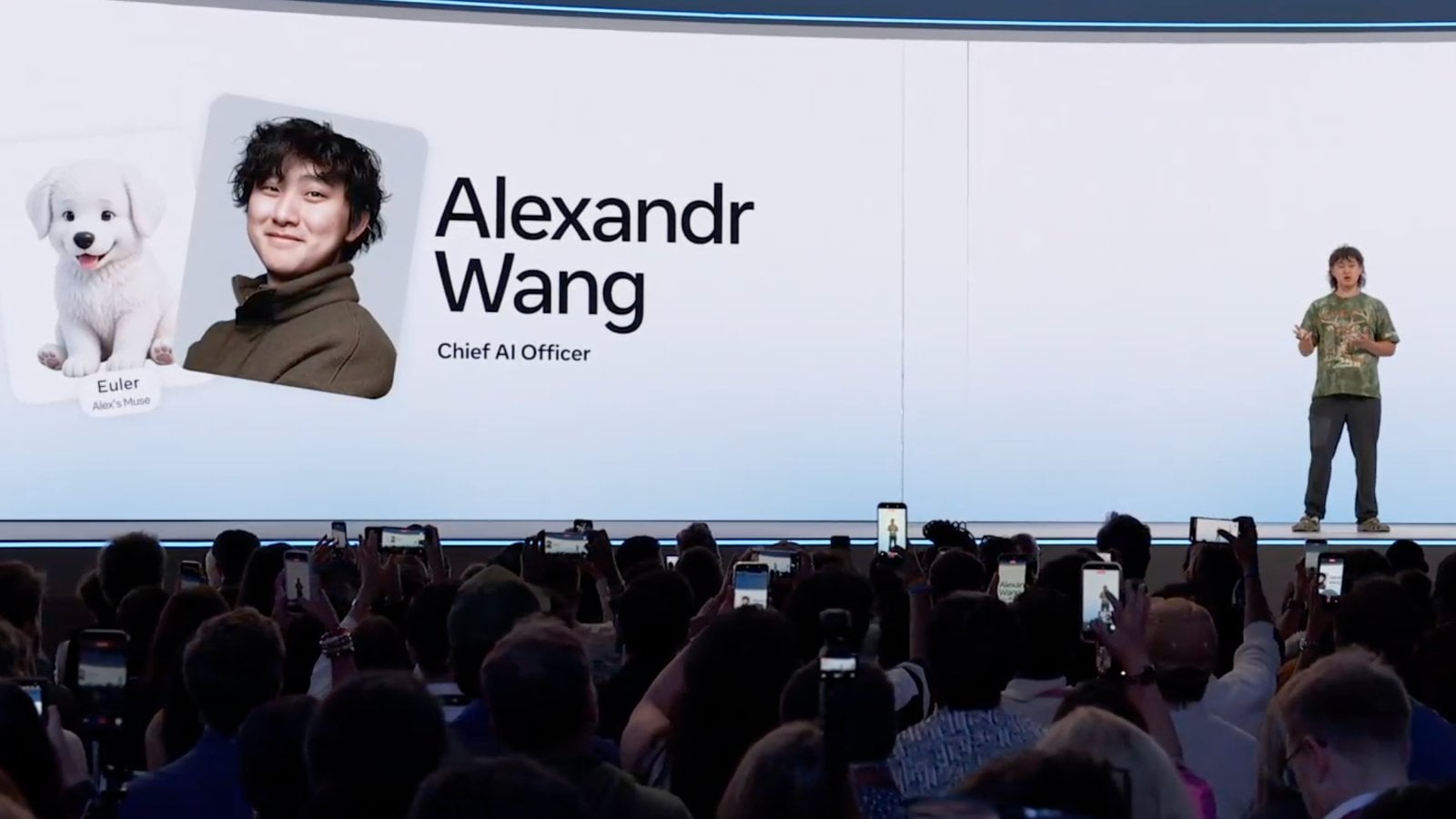
Meta is building the connections Muse needs to turn an answer into a transaction. Chief AI officer Alexandr Wang said it launched with partners including Spotify, OpenTable, Plaid and Ticketmaster. Meta has also outlined access to Shopify’s product catalogue, payment options including Shop Pay and PayPal, and integrations with major US retailers.
“Personal agents are going to continue delivering on that promise for a new generation of shoppers,” Wang said of ecommerce’s long-standing promise to save time and money. “And they’re going to help them discover products they love, and get great deals too.”
That is an attractive pitch to shoppers. For brands, it brings some practical work: making sure an agent can find accurate product details, current prices, stock information and a functioning path to purchase. It also raises questions marketers will recognise from any new platform. Can a brand pay for prominence? How will recommendations be labelled? And who gets credit for the sale?
Meta has yet to spell out an advertising model for Muse. Zuckerberg has described a possible transaction-based business instead.
“We believe that Muse will make you money. And we’re standing behind this by making Muse free for a huge number of tokens, with the expectation that over time, we will profit by taking a small fee from transactions.”
A fee on transactions would give Meta a place in the sale, as well as in the discovery that leads to it. Advertisers will want to know where their spend fits if customers begin making choices inside a private conversation with an agent.
Even access to the shopper is contested. Shopify has embraced shopping through Muse, while Amazon has blocked the agent from making purchases on its platform. Brands selling through both may find that an agent can recommend and buy from one storefront but cannot complete the same journey on another.
Who else is on the line?
Another question hangs over Muse’s promise of a helpful, personal agent: who has access to the conversation?
Reuters reported that Meta tested a “human concierge” feature in which contractors handled some phone calls placed through Muse. According to internal posts seen by the publication, an executive acknowledged that starting the test without proper disclosure “was a miss” and said the feature had been rolled back for now. The report concerned calls made through the agent; it does not establish that people are monitoring all Muse conversations.
The distinction matters to a customer asking Muse to negotiate a bill or make an appointment. It also matters to the business on the other end of the call. If the agent is to speak and shop on someone’s behalf, both parties need to understand who is taking part and what happens to the information they share.
Muse is currently available only in the US, so Australian advertisers have time to watch the experiment unfold. But the shape of Meta’s pitch is clear. It wants Muse close enough to a person’s daily decisions to suggest the purchase, arrange it and take a cut when it happens.
Brands have spent years trying to catch the consumer’s eye. Soon they may have to make their case to the thing looking out for the consumer.
More from Mediaweek
The leading media trade publication in Australia.
Get our top stories straight to your inbox daily by signing up to our Newsletter
By providing your information, you agree to our Terms of Use and our Privacy Policy. We use vendors that may also process your information to help provide our services.


