



DiDi pulls ads after Ad Standards finds they vilify people with a disability
The rideshare brand has pulled the Pay TV campaign and intends to seek independent review of the Community Panel ruling.

Ad Standards’ Community Panel has found that three DiDi Pay TV and streaming ads featuring the rideshare company’s mascot, Nudgy, breached the AANA Code of Ethics.
The panel ruled that the ads vilified people with a disability by making the character’s short stature a central part of the joke. DiDi has removed the ads and says it intends to request an independent review.
The panel upheld complaints under Section 2.1 of the code, which covers discrimination and vilification. It dismissed complaints about sexual content under Section 2.4 and about health and safety under Section 2.6.
What the ads showed
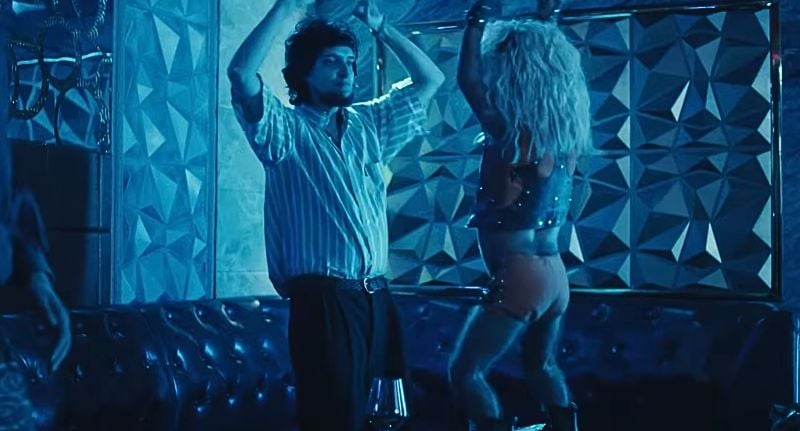
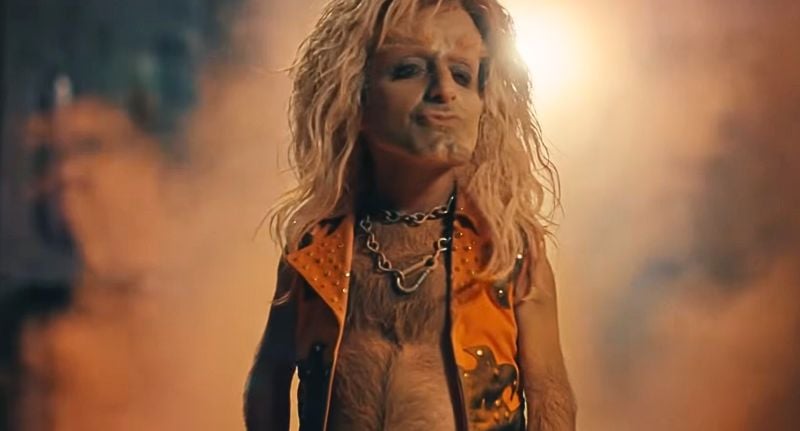
The campaign ran as three ads. Each followed a group of friends on a night out with Nudgy, an orange-clad character who appears in a puff of smoke, plays a flute and dances on bar counters, tables and the roof of a DiDi vehicle. All three ads closed with the lines “Cheap trips so you can do more” and “Yes, I DiDi.”
Complainants called the ads unsettling and said they contained unnecessary sexual content linked to heavy drinking. Some objected that the ads presented “a person of small stature as a source of amusement or entertainment.”


The leading media trade publication in Australia.
Get our top stories straight to your inbox daily by signing up to our Newsletter
By providing your information, you agree to our Terms of Use and our Privacy Policy. We use vendors that may also process your information to help provide our services.
Why the panel found a breach
The panel said Nudgy was “clearly of short stature.” It found that all three ads drew attention to his size by having him dance on tables and bar counters so he reached roughly the same height as the people around him. The panel said short stature fell within the code’s definition of disability. It also cited the broad definition in the federal Disability Discrimination Act 1992.
Nudgy was “the only person depicted who was of shorter stature, and also the only one in a strange outfit with a strange appearance,” the panel said. It added that the treatment “was reminiscent of bygone activities where people of short stature were made to perform or were otherwise publicly ridiculed as a result of their relative size.”
The panel accepted that DiDi probably did not mean to cause harm. It still found that the ads would be seen as positioning Nudgy as “the ‘odd one out’, the ‘weird’ or ‘funny-looking’ one in a manner that is contrary to community standards and vilifying of people with a disability.”
DiDi’s response
In its submission, DiDi described itself as a challenger brand that uses humour to stand out.
“DiDi is a challenger brand in the Australian rideshare market, and our advertising aims to distinguish us through humour, creativity and memorable characters. Nudgy is an entirely fictional, deliberately exaggerated comedic character, developed to bring an element of fun and entertainment to our advertising,” the company said.
DiDi rejected the vilification complaint. “Nudgy is an entirely and obviously fictional character whose appearance and behaviour are intentionally unconventional and are not intended to represent or make fun of any particular individual or group. We refute any suggestion that the advertisement is discriminatory or vilifying,” it said.
“While we firmly stand by the creative intention and compliance of the campaign, we sincerely regret any offence or discomfort the advertisement may have caused. Offending or upsetting viewers was never our intention,” DiDi added.
Sex and safety complaints dismissed
The panel cleared the ads under Section 2.4 and found that “the dancing movements shown in the ads were more awkward than sexual.” That included one scene showing an older couple dancing in underwear-style clothing with their dog.
The panel also dismissed the health and safety complaints. It said, “nobody was shown drinking, and there was no suggestion that any of the characters were drunk.” It noted that the characters used DiDi rather than driving, which “at worst, suggests that they chose a responsible means of transport during their ‘massive big night out’.”
The ads will stay off air while the independent review is pending.
More from Mediaweek
The leading media trade publication in Australia.
Get our top stories straight to your inbox daily by signing up to our Newsletter
By providing your information, you agree to our Terms of Use and our Privacy Policy. We use vendors that may also process your information to help provide our services.


