



Australian Sports Commission and Getty Images partner to change the face of Australian sport
Getty Images' Svetlana Zhukova on how to picture a disability you can't see, and why stock imagery shapes who feels they belong in sport.

The Australian Sports Commission (ASC) and Getty Images have launched a library of more than 1,500 commissioned images and videos, built to change who gets seen playing Australian sport.
The library is part of the ASC's PlayWell strategy
It gives sporting organisations photos and video that back the strategy's vision that everyone has a place in sport, in the lead-up to the Brisbane 2032 Olympic and Paralympic Games.
The ASC and its partner organisations can use the library for free. Sports organisations, media, and brands worldwide can license it for commercial use exclusively through GettyImages.com. More sports will be added throughout 2027.
Getty Images worked with community sports clubs, participants, and ASC networks to build visual stories from around the country. Everyday Australians were photographed and filmed at their local clubs. Partners included Sport Inclusion Australia, which supports people with an intellectual disability to access sport at every level, the Metropolitan Districts Netball Association (QLD), Footscray Rangers FC, and Melbourne Smashers Badminton.
The content was shot by exclusive photographers and videographers through Getty Images' Custom Content offering. It covers athletics, equestrian, netball, badminton, and soccer, and targets representation gaps identified through the Play Well strategy and Getty Images' VisualGPS research.
The images used to represent sport don't always show everyone who plays
Svetlana Zhukova, senior director of custom and creative partnership at Getty Images, told Mediaweek, "Sport has an extraordinary ability to connect people, but the images used to represent it don't always reflect who is actually taking part. Visuals shape perceptions of who belongs, often in ways people don't consciously notice.
“Through the partnership, we're giving sports organisations, media and communities access to the imagery that better reflects the diversity of Australian sport as the country looks towards Brisbane 2032.”


The leading media trade publication in Australia.
Get our top stories straight to your inbox daily by signing up to our Newsletter
By providing your information, you agree to our Terms of Use and our Privacy Policy. We use vendors that may also process your information to help provide our services.
Closing the imagery gap due to demand
Play Well launched in 2023 and was co-designed with the Australian sport sector. It backs organisations and initiatives working to get more Australians into sport, so people of all ages, genders, backgrounds, and abilities can share in its benefits.
Getty Images' VisualGPS research suggests there is an appetite for change. It found 59% of Australians agree that sports organisations, leagues, and brands could do more to promote the diversity of their players. A further 56% say more people would consider taking part if the industry did a better job of including people from diverse backgrounds in ownership, leadership, coaching, and employment.
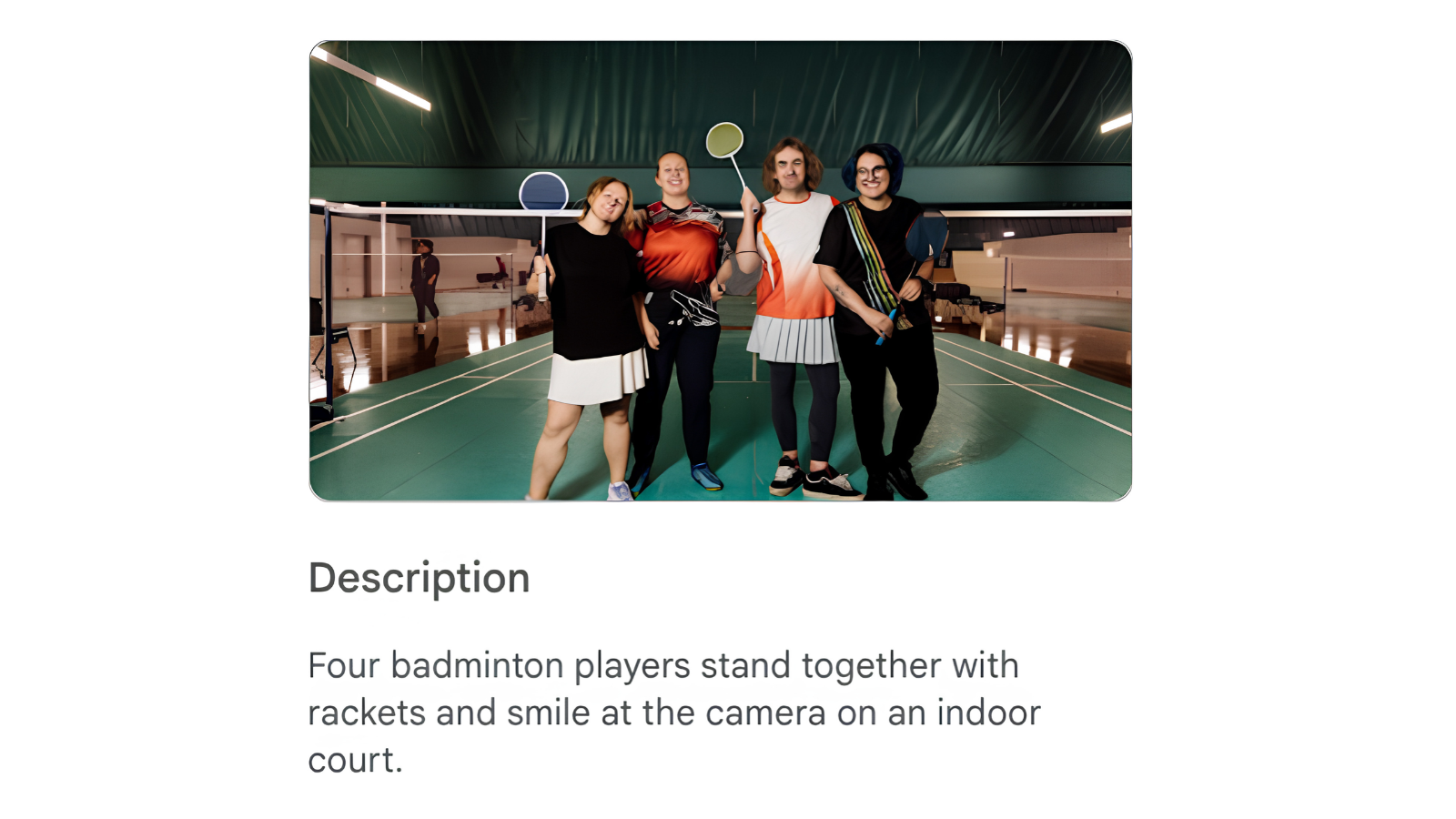
Image: From the PlayWell library
Chantel Lewis, CEO of Sport Inclusion Australia, said, "Inclusion should be embedded in everything we do in sport from the very beginning, not something we consider or add later.
"That includes how we design programs, create opportunities, communicate and represent the people who make up our sporting communities. Sport has the power to bring people together, but for people to feel they belong, they first need to see that sport is for them."
"The images and stories we share play an important role in challenging perceptions, breaking down barriers and showing that people with an intellectual impairment, including intellectual disability and/or autism, are part of the Australian sporting landscape.
“Sport Inclusion Australia is proud to partner with the Australian Sports Commission and Getty Images on this initiative. It's an important step towards ensuring the diversity of Australian sport is genuinely reflected and encouraging sporting organisations to make inclusion part of everything they do, at every level of sport.”
How to capture the invisible
Speaking to Mediaweek, Zhukova said the library has to work for two kinds of customer: those actively trying to fill a representation gap, and those who aren't thinking about it at all.
"There is a combination of things. There is a way how people already search. There are people who are looking for content. Maybe they're more conscious than they need to represent, and they go and look for imagery. And then there are people who perhaps are not thinking about it.
"We want to make sure that even when people are not thinking about it, it's available there as well, and for us, this is the two sides of the same coin," she said.
"Words like authenticity tend to be overused, and people don't often think about that when they think about stock imagery."
The work with Sport Inclusion Australia raised a problem marketers know well: how do you show a disability that can't be seen?
"We created content on demand for them, but ultimately it's the idea that authenticity is in the image itself? But then at the same time, there is the structural component to the content. So regardless how people search, whether they search themselves, whether they outsource it to agents, we make that content available whichever way people come at the story," Zhukova said.
"For the track and field, and for swimming, and for equestrian, we worked with people with invisible disabilities, with intellectual disabilities, and this is some of the things that often people, marketers, all of us struggle with: how to visualise something that's invisible. And really the realness and authenticity comes in the moment itself.
"When you look at the image of one of our swimmers, you don't know what is the story, and maybe it doesn't even matter because that is the real moment in time. And I think working particularly with inclusion, was for them a powerful way to see how different people can be heroes of stories.
"That's the intention: to empower more organisations, more brands, [to] tell stories that reflect who we are as a country and the realness, the authenticity, the diversity that we have in Australia."
More PlayWell content to come
Zhukova said the launch is the start of a longer partnership, with more sports to follow as Brisbane 2032 approaches.
“We have more coming. This is the start of the partnership. Australia is generally a sport-crazy country, and we have [the] Olympics coming up as well, so that means there will be more stories being told. We want to make sure there are more images that are more ambitious, that are more representative, so different people can be heroes.”
The Play Well gallery can be viewed, searched, and downloaded at PlayWellAU.
More from Mediaweek
The leading media trade publication in Australia.
Get our top stories straight to your inbox daily by signing up to our Newsletter
By providing your information, you agree to our Terms of Use and our Privacy Policy. We use vendors that may also process your information to help provide our services.


