



The roadies are not alright: AusMusic T-Shirt Day puts music's hidden workforce on rotation
Radio rallies and T-shirt sales hit a record, but Support Act's counselling data shows what life behind the music costs.

Somewhere in Australia this morning, a lighting tech pulls on a faded band tee that's been through more load-outs than she can count. It's a fair bet she won't be on stage tonight. She rarely is.
That's the point of AusMusic T-Shirt Day, Support Act's main annual fundraiser, which kicks off nationally today (26 November). For one day, Australians are asked to wear a shirt from their favourite local artist, share a photo, and donate. They're also asked to think about the people who rig the lights, haul the gear, book the tours, and mix the sound long after the crowd has gone home.
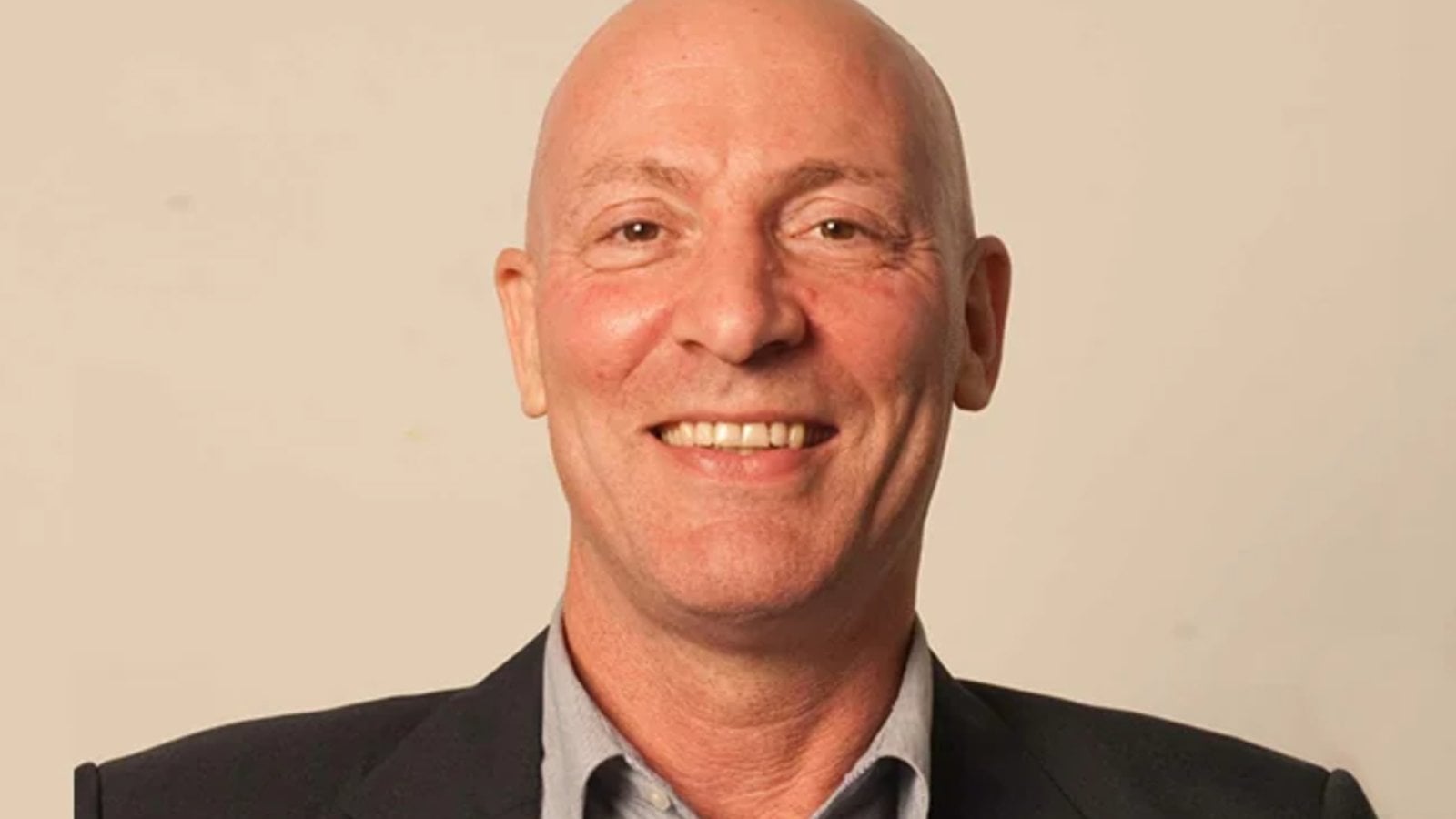
Support Act CEO Clive Miller has a phrase for that world.
"I guess what we're learning is more about what goes on behind the black curtain," he told Mediaweek.
Behind that curtain, things are tough.
Support Act's research shows that people working in music experience psychological distress at nearly four times the national average, and more than a third live below the poverty line. Venues and festivals keep closing, and operating and compliance costs keep rising. On top of the cost-of-living squeeze, artificial intelligence threatens copyright and creative livelihoods.
The pressure isn't easing.


The leading media trade publication in Australia.
Get our top stories straight to your inbox daily by signing up to our Newsletter
By providing your information, you agree to our Terms of Use and our Privacy Policy. We use vendors that may also process your information to help provide our services.
The numbers behind the tees
The early signs are encouraging. Sales of the 2026 exclusive T-shirt range have hit an all-time high of 5,300 shirts. More than 1,000 individuals, workplaces, and teams have set up fundraising pages. An anonymous donor will also match the first $50,000 donated today.
But the more revealing numbers are in Support Act's counselling data. In FY26, the number of people using its counselling services rose 11.4%, and the number coming back for more support climbed 27%. In the first four months of FY27 alone, the number of people returning for counselling was already 30% higher than the total for the whole of FY26.
Miller knows how it sounds to welcome that.
"I know it always sounds a little counterintuitive to say that we're happy that more people are accessing the Support Act Wellbeing Helpline, because it actually means they're undertaking health-seeking behaviour, reaching out when they need it, and that is very positive," he said.
"Pre-COVID, people didn't want to talk about their mental health at all. Thankfully, during COVID everyone got a lot more comfortable with it, and now more people are reaching out and accessing the service."
He puts part of the rise down to reach. Support Act now has staff in most states and territories. He also credits the helpline itself, which runs in partnership with Access EAP. Callers get counsellors who either come from music or the arts or have been on the line long enough to know the industry.
"If they're talking to a crew member, for example, and they're struggling with maybe not sleeping very well and all of those sorts of things, the counsellor isn't going to tell them to get into bed at nine o'clock at night and eight hours' sleep and go for a jog on the beach in the morning," he said.
Then there's the constant. "Financial insecurity, of course, is just a huge driver of psychological distress."
Among people seeking counselling for the first time in FY26, anxiety was the most commonly reported issue. Stress management, depression, financial worries, and job insecurity followed.
The people in the data
Brisbane songwriter Jack Bratt lost 18 months of music income after a back injury left him unable to tour, or even stand on stage. Support Act covered his rent and groceries so he could focus on surgery and recovery.
Musician and music teacher Sam suddenly became the sole carer of two young children when his partner was hospitalised, and he couldn't work. A Crisis Relief Grant helped with rent and psychological support, and he got counselling through the helpline.
Melbourne musician Queenie had lifelong breathing problems that kept costing her shows and her voice. She couldn't afford the surgery she needed until Support Act stepped in. Its help, she said, is "so incredibly important in a world where there is such little support for self-employed musicians like myself."
Radio turns up the local dial
Founding partner triple j and the ABC have long been part of the campaign. Commercial radio is joining them on air.
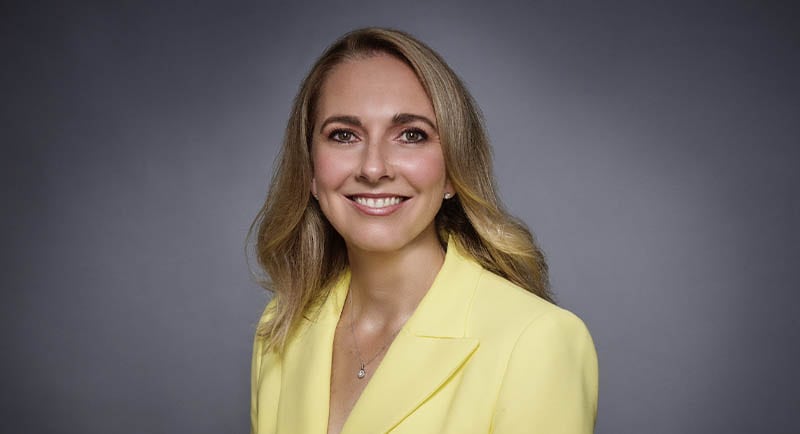
"What's lovely about AusMusic T-Shirt Day is that it is a moment in time where we can really highlight local music, which is awesome," Lizzie Young, CEO of Commercial Radio & Audio (CRA) told Mediaweek.
Each station will choose its own approach. Young expects the usual tools of the trade: "jingles, recorded bits of production, interviews, live host reads."
"It is an enormous ecosystem," she said. "And I think the role CRA plays is to bring together the whole sector to work towards a common goal."
She's candid about what radio can and can't measure. "We don't know exactly what we drive in terms of donations," she said. "I think what you could really feel was how much support there was, and there is, for the industry."
The timing helps too. "You have the ARIAs last week, then we move into this, so there's this real focus around this time of year on Australian music, which is great."
Young also thinks advertisers have room to do more. "There is enormous opportunity for brands and advertisers to support emerging acts."
Miller is clear-eyed about what keeps the doors open. A cheque, he said, "has the most impact, because that's what really allows us to be able to plan ahead." But he wants the broadcasters' work recognised.
"It's really important to acknowledge the support that we're getting from both the commercial networks and the ABC," he said. "It not only helps to raise awareness about our programmes, but it motivates people to get involved."
Wear. Share. Donate. Repeat.
This year's campaign has drawn names including INXS, Baker Boy, The Presets, Becca Hatch, Genesis Owusu, Gang of Youths, Ninajirachi, Vanessa Amorosi, Ben Lee, Rachael Fahim, and Bachelor Girl's Tania Doko. Oztix, Soundmerch, Cold Chisel, Legends Global, Melbourne's Northcote Theatre, and Bunnings are among those fundraising. ARIA joins triple j as a founding partner.
Doko, an ambassador for the day, puts it plainly. "There are times when people in our industry really need someone in their corner, and that's why the work Support Act does is so important."
The tees go back in the drawer tonight. As Support Act's counselling figures show, the need doesn't. That's why the last word of this year's slogan matters most: Repeat.
Donate at ausmusictshirtday.org.au. The Support Act Wellbeing Helpline is free and available on 1800 959 500.
More from Mediaweek
The leading media trade publication in Australia.
Get our top stories straight to your inbox daily by signing up to our Newsletter
By providing your information, you agree to our Terms of Use and our Privacy Policy. We use vendors that may also process your information to help provide our services.


