



Here's what agency leaders thought of the Seven Media Group Upfronts
A name, shared talent and simpler buying: agency leaders assess the combined group's pitch and what it means for brands.

Seven and SCA used their 2027 upfronts to launch a new name and commercial pitch for their combined business. Under the Seven Media Group banner, television, radio, streaming, podcasts and publishing will share talent, connect audience data and give advertisers a simpler way to buy across platforms, backed by new programming and commercial technology.
The dance partners have been chosen. Now comes the test of how well they move together. For agency leaders, the pitch leaves plenty to assess, from the strength of the content to what the combined offering delivers for clients. Here’s their verdict.
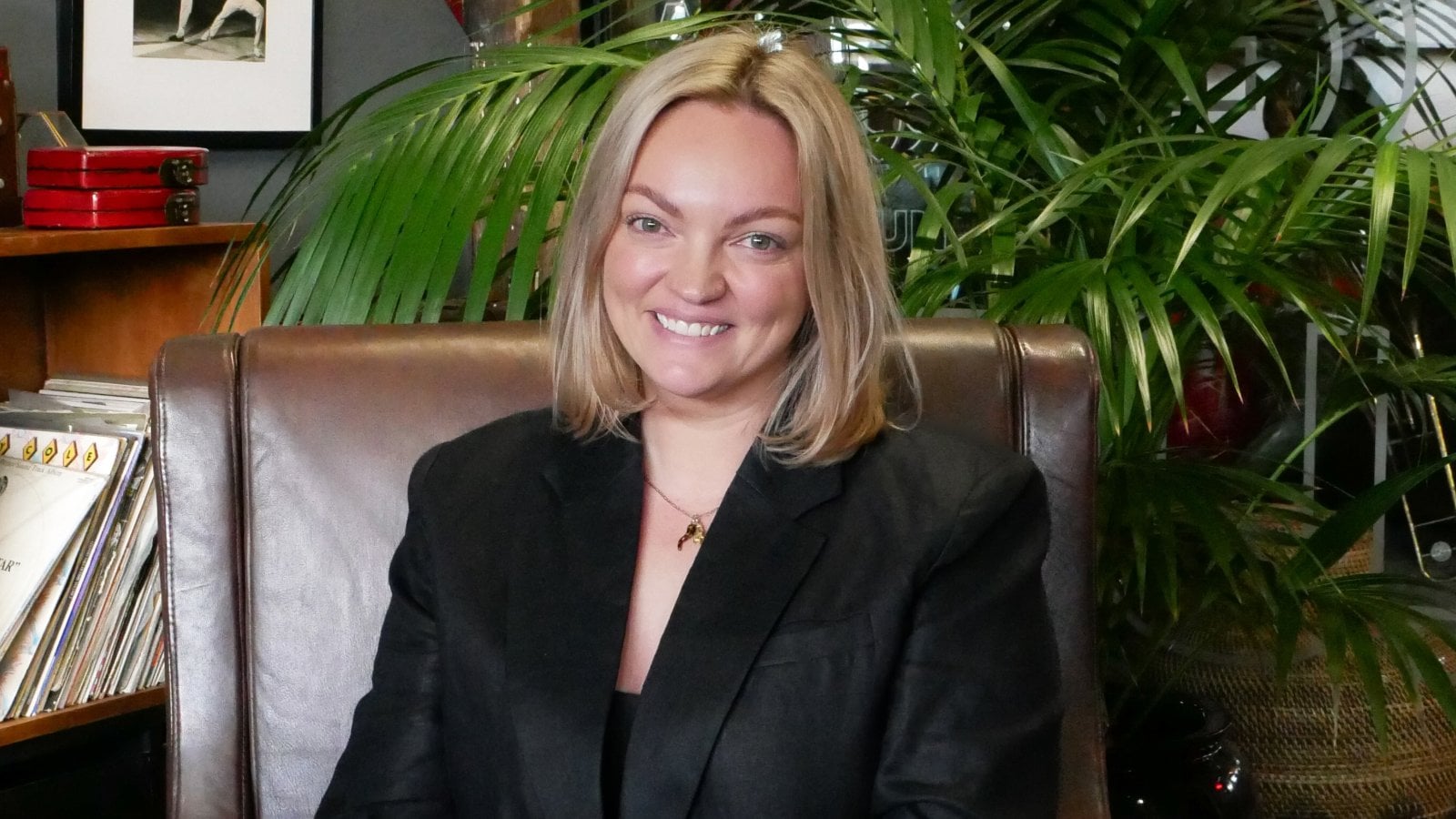
Alexandra Thomas, National Trading Lead, Atomic 212º
The Seven and SCA partnership reflects where the market is heading, bringing premium Australian content, local influence, first-party data and trading technology together under a unified commercial proposition. More than simply combining two businesses, the rebranded Seven Media Group creates a connected ecosystem that links Seven's strength across TV, streaming, sport, news and entertainment together with SCA’s scale in radio, digital audio, podcasts and local audiences.
For clients, the opportunity is to move beyond standalone channel investments and develop genuinely connected partnerships that reflect how Australians consume and engage with media. Sport is a strong example of how brands can see the benefit of the proposed ecosystem; for example, our clients can extend their presence beyond the live broadcast to include radio, podcasts, talent integrations, and social content, keeping the conversation going across multiple touchpoints, not just during the live broadcast. This should create richer consumer engagement and greater value from premium sponsorship investment.
Phoenix Exchange will be the real test of the overall connected vision. Simplifying access to video and audio inventory could remove significant operational friction. However, agencies won't measure the success of convergence by ease of transaction alone. It will ultimately come down to whether it can deliver improved reach, smarter frequency management and greater transparency, which leads to stronger business outcomes for our clients.


The leading media trade publication in Australia.
Get our top stories straight to your inbox daily by signing up to our Newsletter
By providing your information, you agree to our Terms of Use and our Privacy Policy. We use vendors that may also process your information to help provide our services.
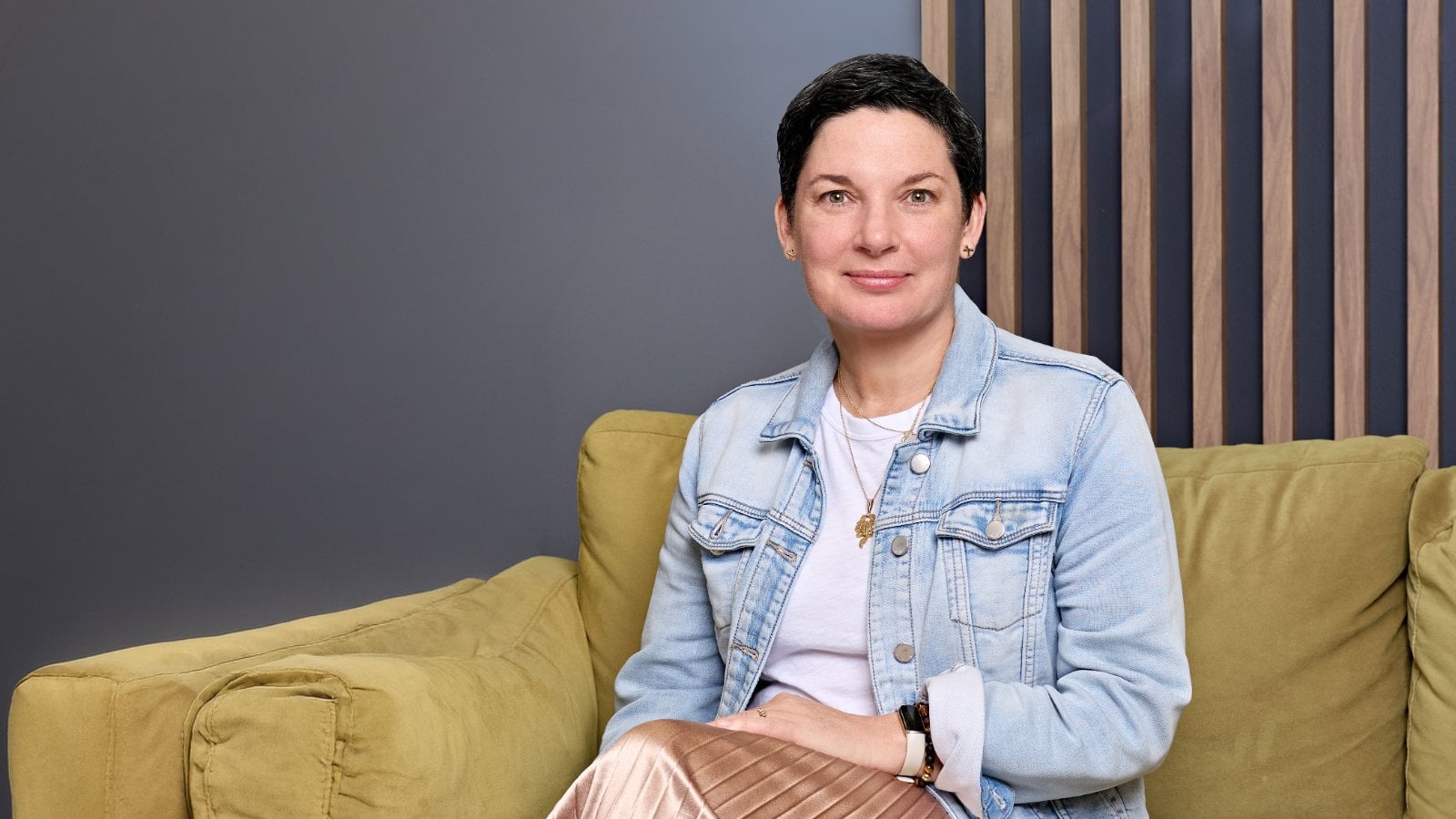
Sarah Keith, Managing Director, Involved Media
There was a very real sense at the Upfronts that rebranded Seven Media Group understands the changing expectations around talent and presentation. Last night, they repositioned and reassured the market post-merger.
And what's good is the next generation doesn't necessarily need to look or sound like the generation before it.
They were really clear that audiences are increasingly drawn to people who feel relatable, spontaneous and comfortable in their own skin. The appeal is not a lack of professionalism; it's the absence of unnecessary polish.
The same thinking appeared in the broader approach to content and commercial partnerships. Studio Seven, audience insights, and content opportunities were part of a wider proposition: giving brands ways to connect with Australians through environments with meaning, relevance, and cultural currency.
For Nat Harvey and the commercial team, the challenge is not simply to sell audiences. It is to help brands understand how to connect with them.
Seven's answer is an integrated one: powerful platforms, trusted content, local relevance and the scale of television, supported by the reach and flexibility of the wider ecosystem."
Last night reminded us that the company has scale, established audiences, and powerful platforms. It reassured us that it understands the fragmented media environment and is building an ecosystem designed to respond to it. And a statement of intent that being Australian remains a clear competitive advantage, not a nostalgic footnote.
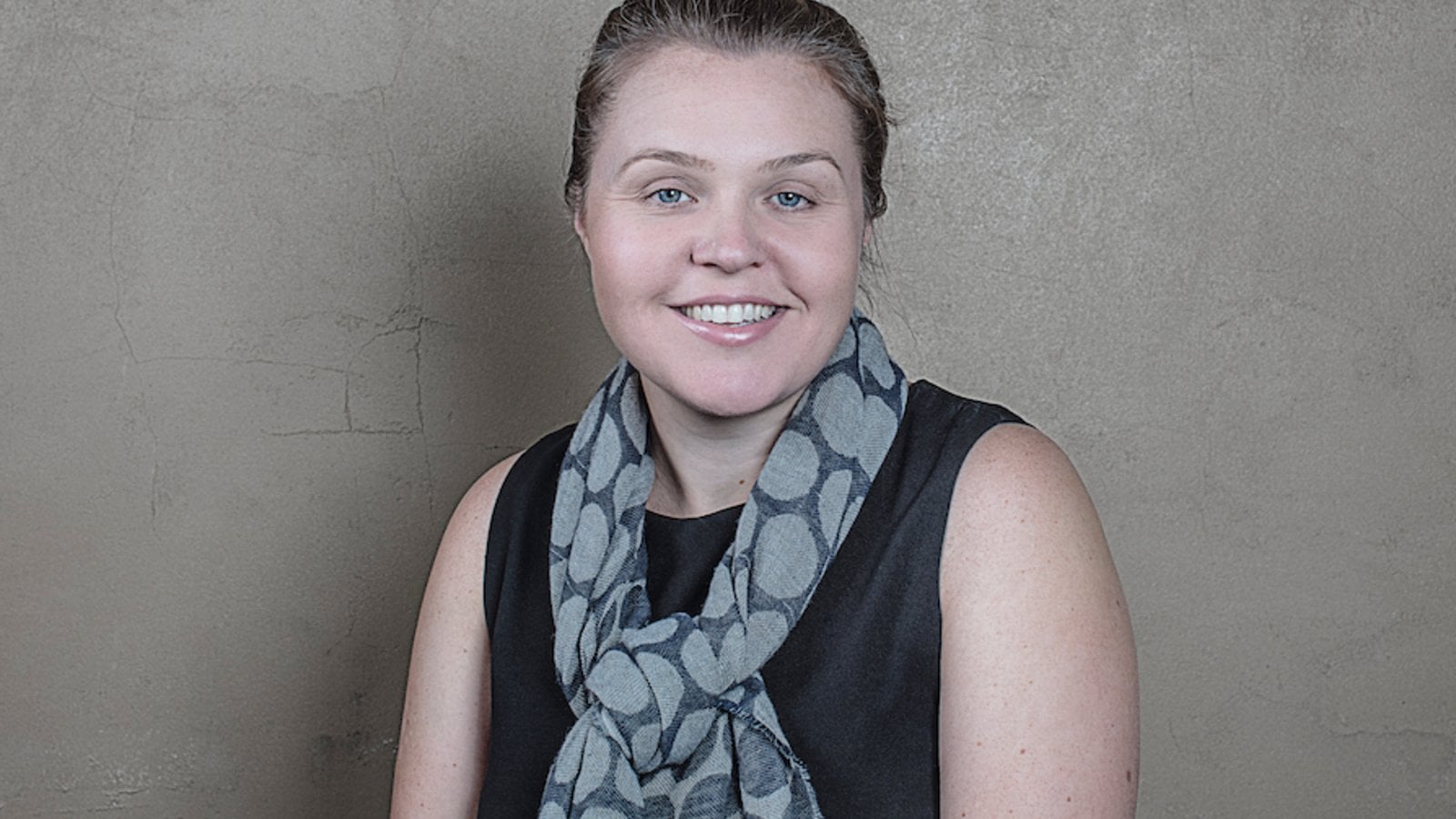
Amy Dascanio, Managing Director, Enigma Media
Seven said audiences move between content, platforms, and listening occasions throughout their day, but we’ve heard this before. The opportunity now is to demonstrate how its expanded offering responds to that behaviour. While the audience-first message was clear, the presentation still felt channel-led. I wanted more depth behind the Phoenix and Seven ID promises, particularly how they will improve planning, buying and measurement. Hopefully, there is more to come here.
Sport was understandably front and centre. AFL and cricket remain powerful assets, bringing people together and creating valuable opportunities for advertisers. The line-up also saw solid announcements across television and radio, including Lu & Jarch’s move to Hit Drive, Michael Clarke joining breakfast radio, and Ricki-Lee and Jim Jefferies hosting I’m a Celebrity… Get Me Out of Here!. These bring freshness to the line-up, although their ability to attract and retain audiences will be the real test.
Trust was another recurring theme. Familiar content and personalities matter, but trust in a programme, or presenter, doesn’t automatically transfer to the brands advertising alongside them. For agencies, the stronger argument is evidence that these environments improve attention and deliver a return on investment.
Seven’s data and trading capabilities could give the broader proposition real substance. Their value will depend on how effectively they help us identify incremental reach, manage duplication, and connect investment with business results. For me, that is where the audience-led promise needs to prove itself.
More from Mediaweek
The leading media trade publication in Australia.
Get our top stories straight to your inbox daily by signing up to our Newsletter
By providing your information, you agree to our Terms of Use and our Privacy Policy. We use vendors that may also process your information to help provide our services.


