



The BBC sound veteran building a library for radio
After shaping five BBC stations, Matt Fisher is taking Hundred Hand Slap to Australian radio and hunting for local ears.

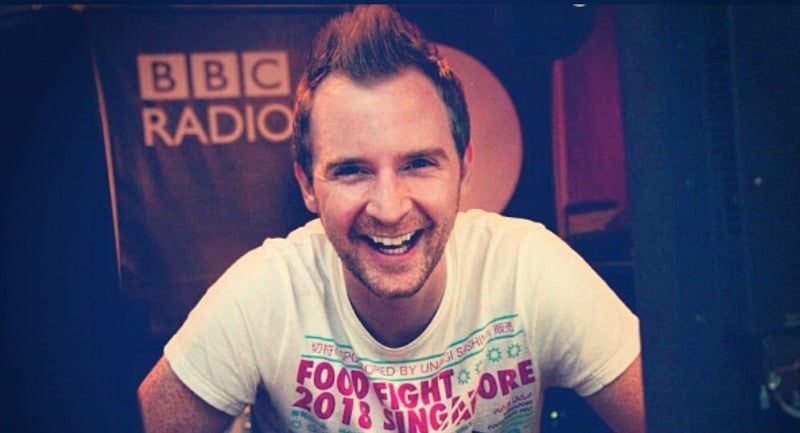
The man who helped shape the sound of five BBC radio stations is bringing his production music library, Hundred Hand Slap, to Australia, inviting local composers, producers and sound designers to join its catalogue.
For Matt Fisher, it is the latest move in a career that began at Xfm London, ran through almost two decades at the BBC and eventually led him to build the sort of audio library he could never quite find himself.
“It was one of the naughty stations, if you like, that was left to its own devices,” Fisher told Mediaweek of Xfm, the alt, indie, rock and dance station where he first learned how to make radio sound like something worth sticking around for.
It was also the former home of GOLD's Christian O’Connell.
At Xfm, Fisher worked in the imaging team for O’Connell’s breakfast show.
“I would create lots of jingles and imaging [custom audio elements] for Christian’s show,” he said.
“He’s a very funny guy and incredibly creative. And with a good team around him, can do a hell of a lot.”


The leading media trade publication in Australia.
Get our top stories straight to your inbox daily by signing up to our Newsletter
By providing your information, you agree to our Terms of Use and our Privacy Policy. We use vendors that may also process your information to help provide our services.
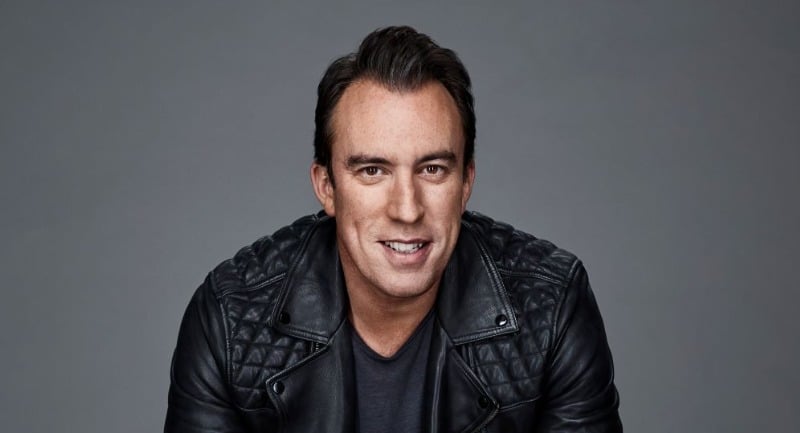
Learning the trade under Karl Pilkington
That team was led by a producer who would later become far more familiar to television audiences.
“I was the station’s imaging producer. Working under a chap called Karl Pilkington,” Fisher said.
Pilkington later fronted An Idiot Abroad, but at Xfm he taught Fisher the nuts and bolts of radio production.
“He taught me a lot about creating imaging and writing funny copy for promos and things like that,” Fisher says. “He taught me a lot about the basics.”
When Pilkington left, Fisher stepped up as Xfm’s head of production, turning out the idents, power intros and feature imaging that keep a breakfast show moving, even when listeners barely notice the machinery beneath it.
Then came the BBC.
“Then I got the opportunity to work at BBC Radio 1, which I grabbed with both hands,” Fisher said.
He went on to become the BBC’s lead imaging producer, responsible for the sonic identities of Radio 1, Radio 2, 6 Music, Asian Network and BBC Radio 1Xtra.
“I did that then for 18 and a half years,” he said.
The gap hiding in plain sound
From that vantage point, across five national stations, Fisher began to see the same problem recur.
“What I’ve noticed is that a lot of traditional production music libraries really just cater to TV and visual media,” he said.
“Radio is still incredibly strong and getting stronger in some ways, in some markets. So being involved in that world, in that sonic kind of landscape, I felt like I could create something different from the traditional libraries.”
Existing radio imaging libraries offering sound design, drones, and competition elements tended to operate on a subscription basis. Fisher wanted Hundred Hand Slap to take another route.
“I wanted to create something just a bit different.”
The library is free for broadcast professionals to access. Usage is instead reported through performing rights organisations, including APRA AMCOS in Australia.
It sounds like a carefully engineered business plan. Fisher says it was more organic than that.
“I didn’t, kind of, deliberately set out to do it, but it started to happen quite naturally,” he said.
Four pillars and a growing catalogue
Hundred Hand Slap is built around four core areas designed for the particular demands of radio production.
“It’s got a kind of sound design, which, you know, radio effects- they’re really useful. It’s got all the drones and tension. It’s got underscores for emotional storytelling. And then it’s got, you know, it’s packed with music beds for music radio,” Fisher said.
News-specific albums covering traffic, weather, sport and entertainment are also in development.
“It’s really growing into something incredibly useful.”
The catalogue has already moved well beyond side-project territory. Since launching, Hundred Hand Slap has released more than 60 albums, with hundreds more in development. Its network of contributors and users now stretches across Europe and the US.
Fisher’s work has also travelled beyond radio imaging. He has produced podcasts for Audible, Wondery, Cup & Nuzzle, Granny Eats Wolf and Campside Media, while his live and experiential credits include projects with recording artists, major labels, the England football team, drone shows and museum exhibitions.
Still, he has no plans to let the library become all things to all people.
“I really want to keep it as radio focused as possible, because I’m a radio person.”
Why television music falls flat on radio
Hundred Hand Slap’s Australian expansion will connect the platform with radio producers, podcasters and audio creatives, while giving local composers, producers and sound designers another route into broadcast.
The model will remain the same: free access for broadcast professionals, with usage reported through the relevant performing rights organisations.
The distinction matters because, as Fisher sees it, music made for a screen does not simply slide into radio untouched.
“We need to make it work for the radio platform,” he said.
“A piece of music that would work beautifully on telly just won’t work on radio because you need to get to the busiest section faster,” he said.
“You need more movement in the arrangement, but not too much movement, because too much becomes distracting, but not enough becomes boring.”
That is the little paradox at the heart of radio imaging. It must command attention without barging into the room; it must move quickly without sounding frantic. When it works, listeners rarely clock the craft. When it does not, the whole station feels off.
“There’s this real skill set within [production] that not many people have,” Fisher said. “That’s why there’s only a handful of radio imaging companies around the world.”
More from Mediaweek
The leading media trade publication in Australia.
Get our top stories straight to your inbox daily by signing up to our Newsletter
By providing your information, you agree to our Terms of Use and our Privacy Policy. We use vendors that may also process your information to help provide our services.

.png%3Fv%3D1790555754706&w=3840&q=75)

.jpg%3Fv%3D1787182076622&w=3840&q=75)
