



The blatant warning for Australian media in Jason Arday's death
OPINION: If you're a journo who wants to sleep at night, do this.
.png%3Fv%3D1787050728833&w=3840&q=100)
Imagine the media publishing 250 stories on you in 21 days, with most of them being published after your resignation just over a week before.
Not because they're interested in you, but because hating on you is making them money.
Calling you a fraud based on racism and unverified information, reaching out to your colleagues for dirt, contacting people you went to school with to confirm your ‘claims’ that you were non-verbal in your childhood.
That's what happened to Jason Arday, a former celebrated Cambridge university professor. He was, at 32, in 2023, the youngest black professor ever appointed.
Over the last few weeks his story has been discussed in academic circles everywhere, with Cambridge launching an investigation into plagiarism allegations. Arday also faced ‘token diversity’ scrutiny in a hit by a right-wing activist (who was once fired from Cambridge), with his achievements being discredited.
Under immense pressure, Arday finally resigned from the university last week. But even that wasn't enough to stop the relentless commentary in headline news, on not just his work or mistakes, but his character.
The result is that Arday took his life on the weekend. He was 42.


The leading media trade publication in Australia.
Get our top stories straight to your inbox daily by signing up to our Newsletter
By providing your information, you agree to our Terms of Use and our Privacy Policy. We use vendors that may also process your information to help provide our services.
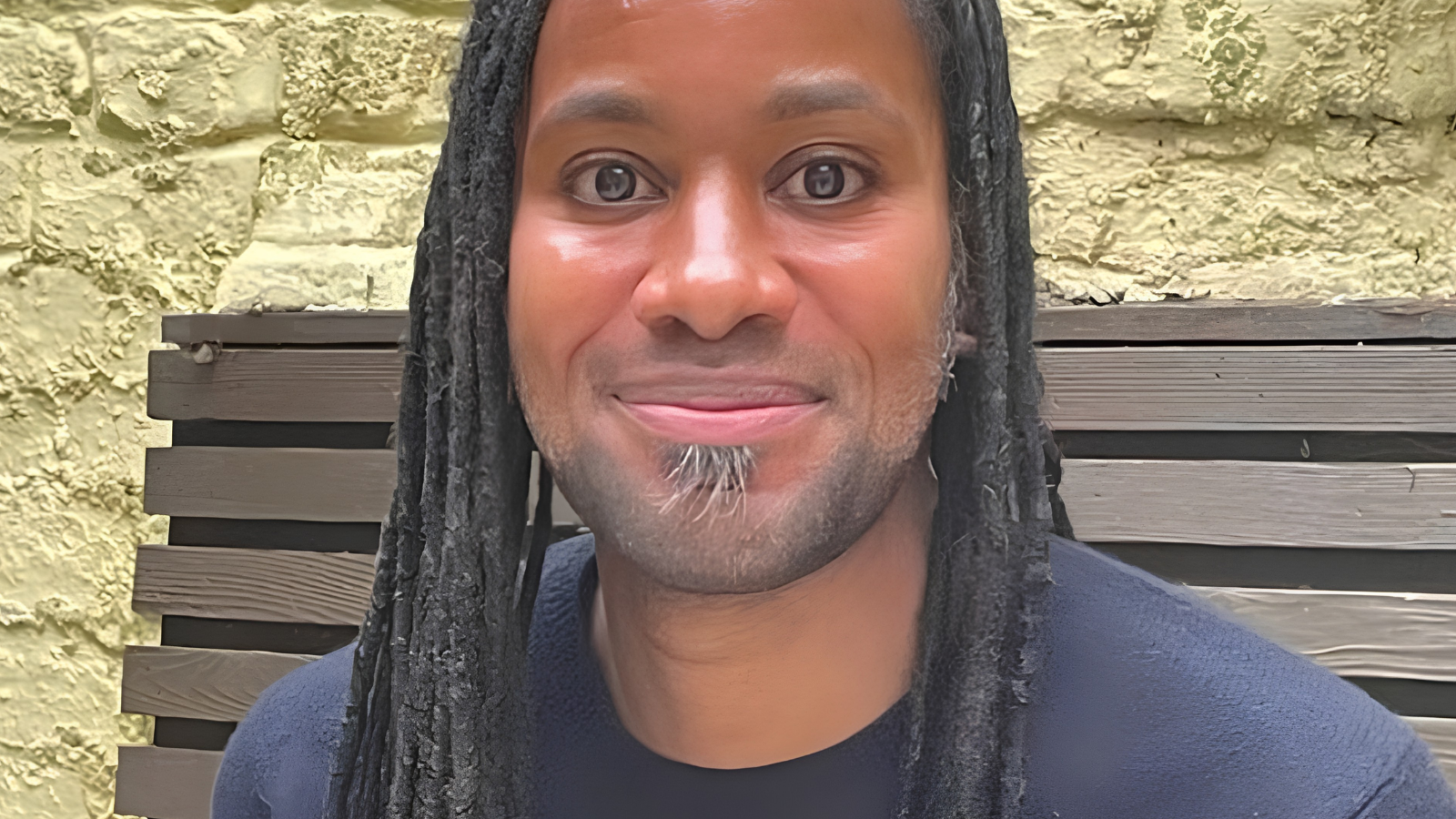
Jason Arday. Rest in peace. Image: Instagram
It is one of the most tragic media pile-on cases the world has seen. And one that the Australian media needs to learn from, because we're pretty good at a pile-on despite being directly told the subject is being harmed: think Abbie Chatfield, Grace Tame, Antoinette Lattouf.
Professor Sir Simon Baron-Cohen, director of Cambridge’s Autism Research Centre and a close friend of Arday, told the BBC:
“In the last 10 days, I’ve witnessed his mental health getting worse and worse, as the media didn’t stop ridiculing him, humiliating him, discrediting him.
"He was being subjected to relentless scrutiny, including ridicule, discrediting absolutely every detail of his life, and he wasn’t coping with the loss of his career, the loss of his reputation, and he felt he couldn’t go on.”
Digital media is like the Wild West
Imagine reading one story after another about your work and history, friends sending you the links, you scrolling the comments despite knowing you shouldn't.
Because it's not just the story, is it? It's also the uncensored social media comments in response to the stories, full of further allegations and misinformation, thanks to keyboard warriors, armchair experts, and other idiots.
Digital media is like the Wild West, with quick draws that often disregard impact.
I've been in media for more than a decade, so I know that digital media especially is the Wild West, chaotic and fast-paced and all about the win.
You often don't have the luxury of time, or getting a second opinion. There's a very good chance you don't know everything you should or want to on the topic your editor has assigned you to “smash out”.
At the same time, you're expected to think three stories ahead.
But the most important thing is speed. Win that SEO. Be the first to break the news.
And do so, it often feels, at any cost.
As journos, we've all been in that position. The pressure is even more intense when it's a topic that's been especially clicky and so makes the seniors - responsible for your career progression and salary - froth.
Walk in their shoes
It doesn't have to be like this.
Here's my suggestion: there is an act that takes 60 seconds before you write a story that will start, or contribute to, a media pile on on the scale which Arday suffered.
Put yourself in your subject's position.
Look at them as though the person is your best mate, brother, mum, daughter.
I once worked for a newsroom that had a policy of ‘walk a mile in their shoes.’ It's a bloody good suggestion, considering the potential consequences.
I know empathy and perspective before writing a story sounds outrageous - revolutionary, even - in the Wild West.
But if we don't pause, we risk the story ending in the way it has for Arday.
And in 2026, we can't say that we don't know what the potential consequences can be - we've been told, many times.
“Please. Leave. Me. Alone.”
Meghan Markle has been telling us about the effect on her mental health of the media magnifying glass for years.
One thing in particular that she admitted is, “I knew it would be hard, I wasn't expecting it to be unfair.”
We've witnessed the media disregard their impact against so many; recently in Australia, with mining magnate Gina Rinehart. The billionaire was the target of a violent video aired by the ABC. It took weeks for any recognition - after her asking for it - that it's utterly unacceptable to depict abuse against anyone.
Since when does not liking people give us license to incite a public lynching?
Is it simply that we don't value individuals as much as we value clicks?
Earlier this year, successful Australian media identity Abbie Chatfield also told the industry about its impact on her.
In May, she begged them to “leave me alone for just one month.” She called the relentless, negative coverage of her every word and movement a “smear campaign,” and explained how it felt to go to bed at night and wonder what nasty story she'll wake up to in the morning.
Chatfield ended her haunting Instagram post: “Please. Leave. Me. Alone.”
As journos, we need to walk a mile in their shoes, even if we don't like them, even if they've made mistakes.
Jason Arday desperately needed respite from the 250 articles published about him in the space of just three weeks; his life, and death, is now a blatant warning and a lesson for us all.
If you or someone you know needs help, Lifeline is always there.
Call: 13 11 14 , Text: 0477 13 11 14, Chat Online 24/7: https://www.lifeline.org.au/chat
More from Mediaweek
The leading media trade publication in Australia.
Get our top stories straight to your inbox daily by signing up to our Newsletter
By providing your information, you agree to our Terms of Use and our Privacy Policy. We use vendors that may also process your information to help provide our services.


