



Kmart’s $20 mouse mover reignites the WFH surveillance wars
The $20 device has reopened questions about whether managers should track activity or judge employees by outcomes.
.jpg%3Fv%3D1784849824573&w=3840&q=100)
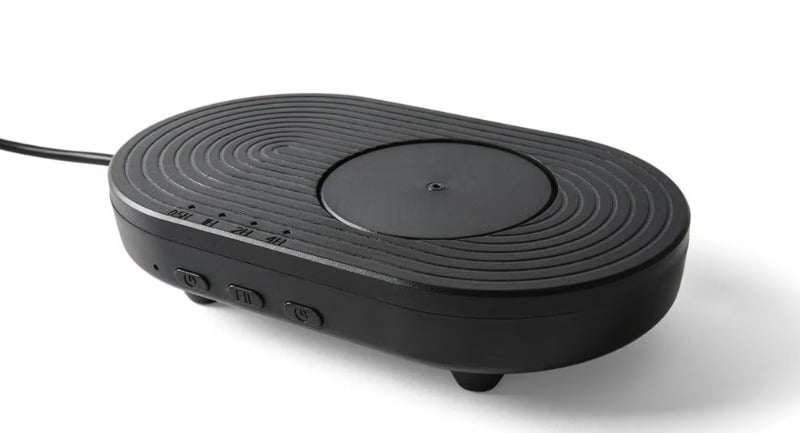
A $20 Anko Automatic Mouse Mover sold by Kmart has reopened a familiar question for hybrid workplaces: should employee performance be judged by visible computer activity or completed work?
The device drew attention after a social media post suggested it could help remote employees appear active while away from their desks.
As news.com.au reporter Eleanor Wicklund reported, the USB-powered product physically moves a computer mouse to prevent a PC or Mac from entering sleep mode.
It includes settings that can keep a computer active for 30 minutes, one hour, two hours or four hours.
Social post questions work-from-home use
The discussion began after social media page Kali & Shan shared a photograph of the product on Kmart shelves. The page questioned whether its main purpose was to conceal inactivity while working remotely.


The leading media trade publication in Australia.
Get our top stories straight to your inbox daily by signing up to our Newsletter
By providing your information, you agree to our Terms of Use and our Privacy Policy. We use vendors that may also process your information to help provide our services.
“As a business owner, the whole working from home thing is a touchy subject,” the page wrote.
“I understand the benefits, of course, for families, but this basically says to me … work from home and don’t get caught doing bugger all … I mean, what else really is this used for?”
The post prompted workers to question why managers would rely on a computer’s activity status as evidence that work was being completed.
“Track KPIs, not activity status,” one commenter wrote. “If they are contactable and reaching predetermined objectives, then you shouldn’t have any problem – punish the people not achieving the work, not the people who are efficient with their time.”
Users point to other applications
Other commenters said mouse movers can serve legitimate purposes unrelated to avoiding work. Suggested uses included keeping computers awake while compiling software, generating reports or processing large image files.
Users also cited corporate systems that automatically log staff out after short periods of inactivity. Others said the product could help during online ticket queues or prevent penalties on multiplayer gaming servers.
“Just because you don’t have a use for a product doesn’t mean nobody else does, as not every product is designed around your specific use case,” one commenter said.
Australian case tests workplace monitoring
An Australian unfair dismissal case shows how computer activity data can form part of a wider performance investigation.
In 2023, the Fair Work Commission upheld Insurance Australia Group Services Limited’s dismissal of Suzie Cheikho, who had worked remotely on an almost permanent basis.
An IAG cyber review found Cheikho had not worked her designated hours on 44 of 49 working days. It also recorded four days with no work activity and extended periods of low or absent keystrokes.
The Commission found there was a valid reason for dismissal and rejected Cheikho’s unfair dismissal application. The case did not involve a mouse mover, with the activity data considered alongside missed deadlines, previous warnings and a performance improvement plan.
The decision highlights the limits of treating online status as a standalone measure. Employers still need to consider the employee’s duties, performance and the broader evidence before taking action.
The Kmart product is presented as a device for keeping a computer awake rather than evading workplace monitoring.
More from Mediaweek
The leading media trade publication in Australia.
Get our top stories straight to your inbox daily by signing up to our Newsletter
By providing your information, you agree to our Terms of Use and our Privacy Policy. We use vendors that may also process your information to help provide our services.


