

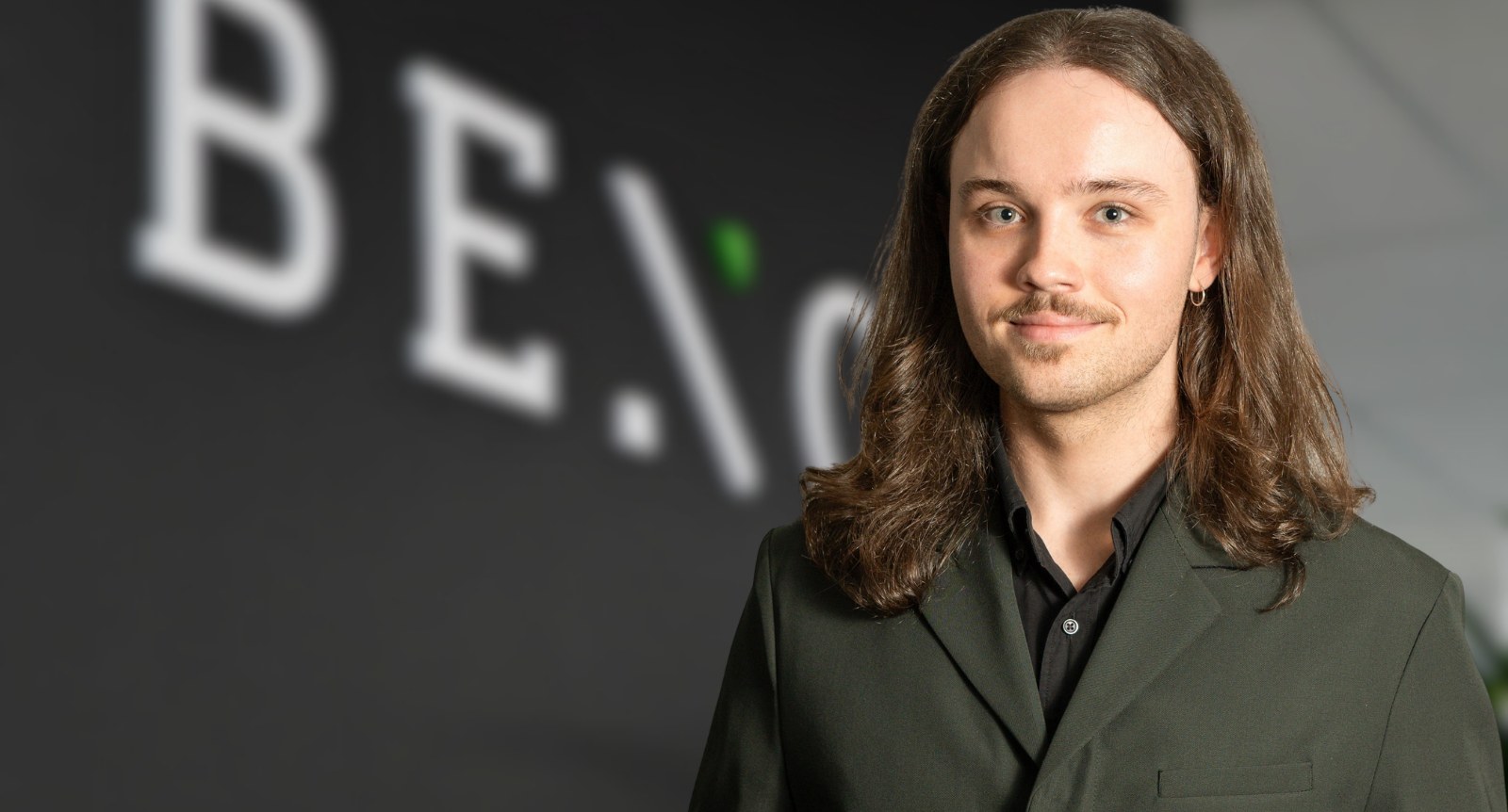
Nate Vella, head of strategy, Bench Media
The conversation around algorithmic media has been stuck on the wrong problem.
The usual critique centres on filter bubbles and echo chambers and whether platforms are serving us too much of what we already like, and while that’s worth discussing, it misses something more structural.
Algorithms aren’t just narrowing what we see, they’re steadily dismantling the conditions under which genuine taste evolves.
For brands, this creates a significant opportunity. As audiences become more aware of the flattening effect of algorithmic feeds, the value shifts toward brands that can act as signals of taste, discovery and cultural relevance.
The opportunity is no longer just to appear in someone’s feed, but to help people encounter something they didn’t know they were looking for, whether via ideas, experiences, partnerships or creative expression that feels human rather than optimised for engagement.
Taste is a process
Taste isn’t a preference, it’s a process. It develops through exposure to things you weren’t looking for, through discomfort and surprise, through the friction of encountering ideas that sit outside your existing frame of reference.
Finding something unexpected is also the mechanism by which you come to understand what you actually value. Remove that friction and you don’t get better taste, you get the absence of it.
For most of media history, this function belonged to what I call the tastemakers.
Critics, reviewers, curators who expanded your world rather than confirmed it. A film critic might send you towards something you may never have chosen. A music journalist might reframe your relationship with an entire music genre.
These weren’t perfect systems, but the underlying function was expansive.
The digital revival of the tastemaker
What’s interesting is that there’s a quiet revival of this model happening right now, in digital form.
Accounts such as @heyyoulistentothis on Instagram and TikTok, where James has built a following of over 58,000 people by exposing them to music they’d never have encountered through a recommendation feed, have found genuine audiences precisely because they replicate that curatorial friction.
View this post on Instagram
And what’s more, people are actively seeking it out. They want to be surprised by someone with taste rather than continuously served content by a system designed to affirm theirs.
Algorithmic feeds work in the opposite direction. They’re built to reduce friction, surfacing whatever is most likely to keep you engaged, and they’re excellent at it.
Every moment of genuine discovery, every piece of content that actually challenges your frame of reference, is functionally a failure state for the system. Relevance, by design, is the enemy of range.
How the mechanics have shifted
The mechanics have also shifted in ways the industry is still catching up to.
Most people still assume social algorithms operate on a sophisticated version of “you like this, so here’s more.” That was broadly true when they ran on machine-learning models anchored to individual behaviours such as what you lingered on, who you followed, what you clicked.
Then large language models came to the fore and have changed the underlying logic.
The algorithm can now read and interpret content itself, mapping topics and context at scale rather than responding to personal history.
Recommendations are less personalised than they appear and more homogenous than anyone public acknowledges. A large following and previous virality no longer carries the weight they once did.
Younger audiences are beginning to feel this, even when they can’t fully articulate it.
The migration toward Reddit, Pinterest, and community-driven spaces isn’t a rejection of digital media outright, it’s a search for depth in environments where the signal-to-noise ratio still feels human. And some are switching off altogether.
The more deliberate among consumers are actively working against the feed, consuming outside their recommendation loop, gravitating toward live events and niche communities, trying to rebuild the conditions for taste the algorithm has progressively stripped away.
The opportunity for brands
For marketers, additional budget doesn’t resolve this. If an audience can no longer reliably distinguish between what they chose and what was served to them, the promise of genuine connection between a brand and a person becomes harder to sustain.
Optimising into someone’s feed and earning a place in their attention are different things, and the gap between them is widening.
The brands managing this successfully are operating from a different starting point. Rather than asking how to cut through, they’re asking whether they actually deserve the attention they’re pursuing.
That reframe matters because it changes what gets built and shifts investment towards things worth finding rather than content worth serving, toward embedding into culture and community rather than renting moments in broadcast environments.
Events, editorial, genuine creative ambition, partnerships with human curators who have built real trust with real audiences.
These aren’t new ideas, but they’re becoming more valuable precisely as the algorithmic alternative continues to degrade.
Audiences who are increasingly protective of their cognitive bandwidth will keep raising the threshold for what earns a genuine response, and the brands that understand this early will be the ones still standing when the optimisation playbook stops working.
Feature image- Nate Vella, head of strategy, Bench Media: supplied.