

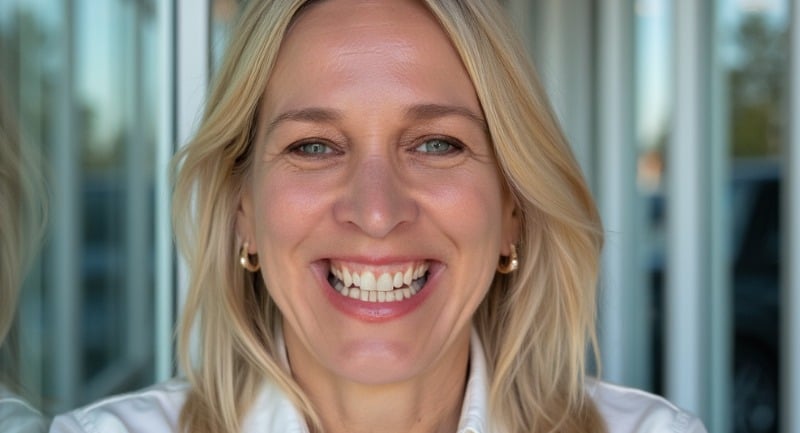
By Jess Torstensson, Client Growth Director, Bench Media
Every year the same Cannes ritual plays out. The medal tally lands in every inbox; the agencies celebrate; the industry debates who was overlooked; and within days, Cannes is filed away as advertising’s awards season. But that misses the point.
The most valuable insight isn’t who collected the most Lions. It’s what the winning work reveals about where marketing is heading. This year’s standout campaigns, both globally and from Australia, weren’t defined by bigger budgets or bigger productions. They were ideas rooted in genuine customer problems, brought to life through deep integration across creativity, media, technology and data. For Australian marketers, that’s more than an encouraging trend. It’s a competitive advantage hiding in plain sight.
So, let’s review Australia’s 2026 medal tally: we didn’t win more Lions this year; in fact, we won significantly fewer than last year. (2025 – 31 total: 2 Grand Prix, 2 Gold, 8 Silver, 8 Bronze, 13. 2026 -11 total, 2 Grand Prix, 2 Gold, 6 Silver, 1 Bronze)
But the awards that Australian agencies took home in 2026 were among the festival’s most significant. Special Australia and Special US won the Media Grand Prix for Uber Eats’ Build Your Own Super Bowl Commercial, Australia’s first Media Grand Prix. Leo Australia’s Sydney office won the Titanium Grand Prix, arguably Cannes’ highest honour, for Suncorp’s Haven. TBWA\Sydney took Gold in Outdoor for mycar’s Sunburnt Car. VML Sydney picked up Silver in Health & Wellness. That isn’t just a good year.
It’s a signal.
Look across the Grand Prix winners and the same pattern emerges. KitKat turned the theft of 12 tonnes of chocolate into a live “heist tracker”, transforming an unexpected logistics crisis into a global media event. Heineken built a WhatsApp bot that traded long voice notes for a free beer, using an everyday irritation to encourage participation rather than asking consumers to learn something new. Mercado Livre transformed an entire football pitch into a scannable barcode, converting live sport into an instant retail experience.
Different brands, different markets, but ostensibly the same principle.
The work wasn’t driven by media spend; it was driven by noticing something true about the world, then building the brand around it. And that’s particularly relevant for Australia this year.
We’ve never had the scale of the US market or the production budgets of many European campaigns. Australian agencies have always had to compete through ingenuity, speed and close partnerships with clients. Increasingly, that’s exactly what Cannes is rewarding.
Take Suncorp’s Haven. It wasn’t simply another advertising campaign. It was a personalised AI-powered climate risk tool that required deep integration across data, technology and communications. It solved a genuine customer problem rather than creating another piece of branded content. It’s difficult to imagine a better example of where creativity is heading: less interruption, more utility.
Another shift was equally clear: creative effectiveness is no longer measured by launch-week performance. This year’s Creative Effectiveness Grand Prix went to AXA for work that had previously won Titanium the previous year, making it the first campaign in Cannes history to win both awards in consecutive years. The implication is significant. Creativity is increasingly being judged over years rather than quarters, rewarding ideas that continue creating commercial value long after the campaign launches.
Earned media has also matured from an aspiration into a creative discipline in its own right. SKF, an industrial bearings manufacturer, won Creative B2B after generating hundreds of millions of editorial impressions without paid media, simply by telling its sustainability story in a way the world wanted to share.
Heinz achieved something similar by recognising that fast-food fry boxes around the world already resembled its iconic Keystone label. Rather than inventing a new brand asset, it revealed one consumers had been looking at for years.
For marketers facing tighter budgets and greater scrutiny, that’s perhaps the most encouraging message from Cannes. The best work wasn’t built on extravagant production budgets; it was built on observation, speed, relevance and craft.
Australia’s 2026 performance shouldn’t be remembered because of the number of Lions we won. It should be remembered because the work recognised on the world’s biggest creative stage reflects capabilities Australian agencies have spent years developing out of necessity.
If Cannes is a forecast of where creativity is heading, the way Australian agencies have learned to work, leaner, closer to clients, and built around solving real problems rather than making bigger campaigns, is no longer a compromise; it may well be our competitive advantage.