
Monday May 25, 2026

SCA brings Angus Ross back to lead TV and streaming division
Southern Cross Media Group (SCA) has appointed Angus Ross to the newly created role of Managing Director, Television and Streaming, as the broadcaster continues integrating its television and audio operations following its merger with Seven West Media.
Ross will officially commence on 1 July and report directly to SCA Managing Director and CEO Rohan Lund.
The role will oversee all television and streaming content teams, spanning news, sport and entertainment across Seven and 7plus.
Ross returns to the business after more than 25 years at Seven, where he held senior content and management roles across broadcast and streaming.
Ross’ return to the newly merged SCA business comes just months after his departure from Seven West Media, where he exited following a broader leadership restructure.
Back in March, Ross left the business effective immediately after 27 years with the network, later telling staff in a farewell note that he was “incredibly sad” to be departing after “wow, what a ride!” He also pointed to Seven’s long-running ratings success as one of the defining achievements of his tenure.
SCA positions new leadership structure
Lund said Ross’ appointment forms part of the company’s broader integration strategy, with leadership now split across television, audio and Western Australian operations.
“Angus is without doubt one of the most consistently successful media executives in Australia, and the Board and management are very pleased he has agreed to return in this new, expanded role,” Lund said.
“As we continue with the integration of Seven and Southern Cross Austereo, we now have three world-class executives running our three divisions – Angus in television and streaming, John Kelly as Managing Director, Audio, and Maryna Fewster as CEO of Seven West Media WA – with digital at the core of each division’s focus and strategy.”
Lund added: “Angus, John, Maryna and the rest of the senior management team are focusing hard on harnessing the power of the group for our partners, viewers, listeners, readers and staff, and making the most of the opportunities ahead of us.
“Angus took Seven to the top and, personally, I’m looking forward to working again with him as we build on the success of Seven and 7plus.”
Ross flags unified content strategy
Ross said the combined structure across television, streaming and audio creates new opportunities for both audiences and advertisers.
“It’s great to be back working with Rohan again at a time when the combined strength of this group gives us a genuine competitive advantage. Bringing news, sport and entertainment under one content strategy is a game changer for us – it’s how we will continue to deliver more for our viewers and advertisers,” Ross said.
“Australians come to us for the biggest live sport, the #1 news and morning television, and the entertainment shows they love. Our job is to make sure they can discover it all seamlessly across broadcast, 7plus and other streaming platforms.
“There’s a huge opportunity ahead, and I’m looking forward to getting on with it alongside an exceptionally talented team.”
Main image: Angus Ross
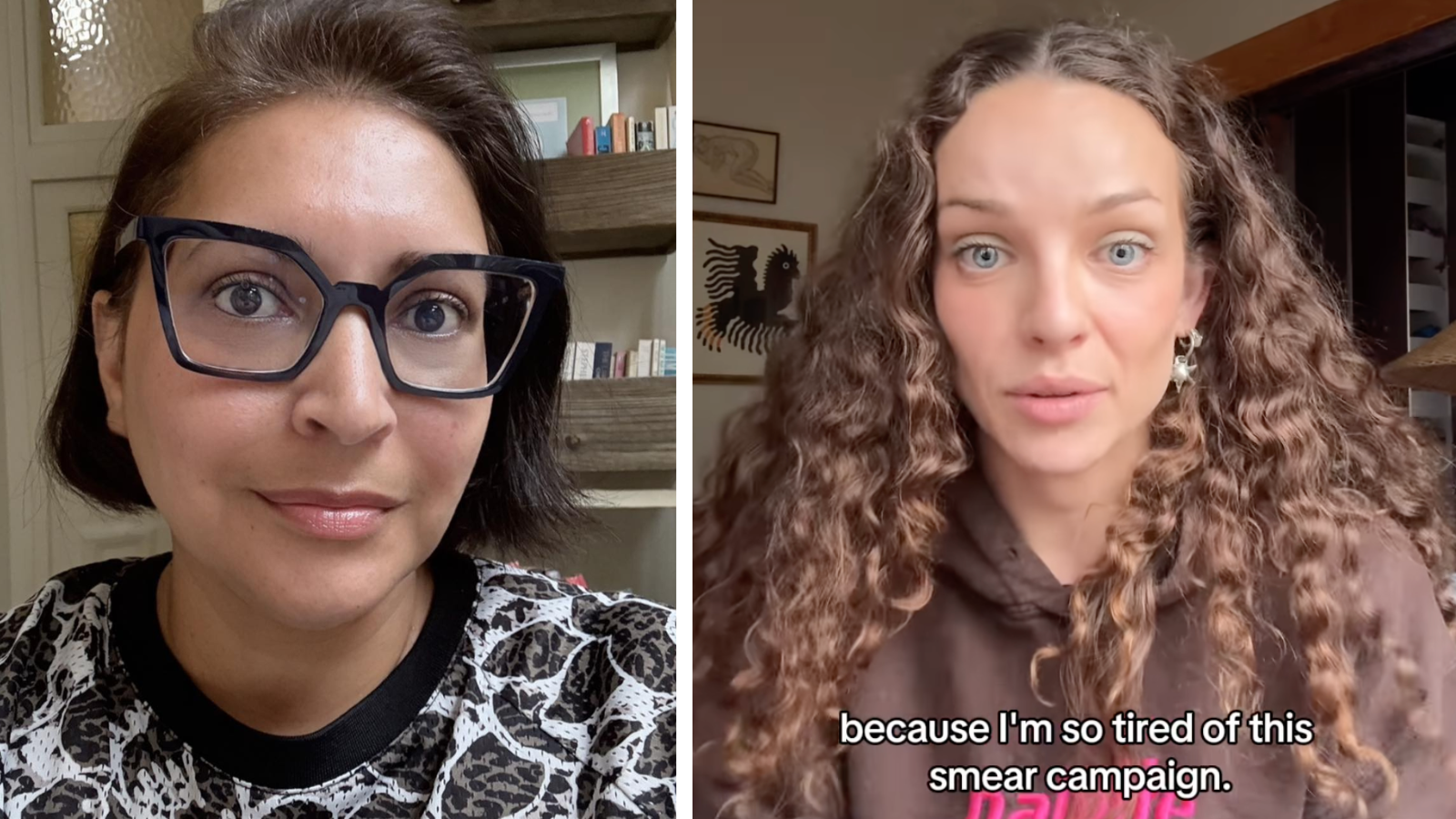
'I wrote the anon open letter to Abbie Chatfield. Now I'm outing myself'
I’m the journo who wrote the open letter to Abbie Chatfield last week in a story called,‘I envy you’: An open letter to Abbie Chatfield.
Yes, I’m outing myself as the anonymous writer, which I hadn’t planned to – for a consequence I didn’t foresee.
I’d been thinking of what I wanted to say to the bullied influencer for a while. After a heartbreaking post on Thursday night, where she begged for the Australian media to “leave me alone for just one month” after an intense “smear campaign” against her, I knew this was the time to do it.
I decided to publish the article without my name because I didn’t want to be accused by the haters of capitalising on Chatfield’s, for my own clicks.
I said, “I’m writing this anonymously as I’m a journo and I don’t want it to seem I’m seeking personal attention. This is genuinely for you and the public; for once, it’s not about me.”
But in doing it anon, what I (perhaps stupidly) didn’t predict is that Chatfield would be accused of writing the public letter herself, or that she paid someone to.
Those claims would be laughable, if they weren’t so obtuse, and harmful to someone who’s made their vulnerability clear. (For the haters: obtuse means slow to understand what is obvious or simple.)
We have a young woman who is literally pleading for a reprieve from the relentless negativity about her, saying she is “exhausted” and wants to go to bed at night not worrying what headline she will wake up to.
And this was the haters’ response? Further mockery.
Obtuse. Heartless. Monsters.
View this post on Instagram
Haven’t we learned anything about mental health and our obligations as a society? Opinions by the media on public identities can spark interesting and robust discussions – but they shouldn’t lead to pushing a person to their absolute limit.
The sentiment, “There’s only so much someone can take” shouldn’t be a response to our journalism.
I’ve been in contact with Chatfield since the open letter was published. She’s okay. Let’s keep it that way.
You can read my letter to her, here.
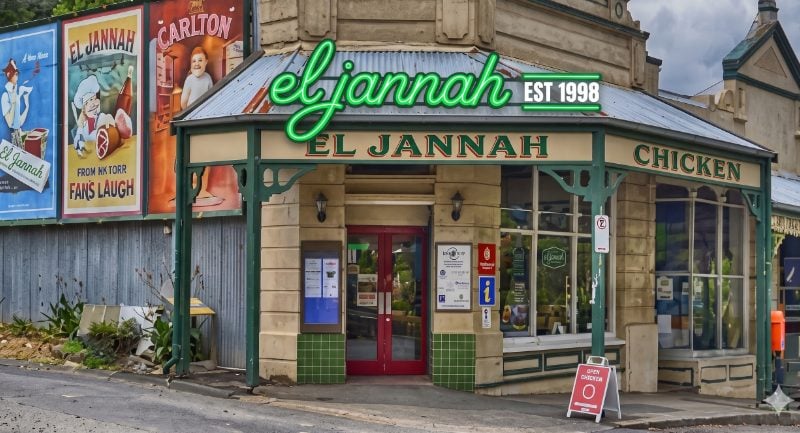
Why El Jannah still feels like your local chicken shop
There’s a strange trick to brands like El Jannah. The bigger they get, the harder it becomes to hold onto the thing people loved in the first place.
Most franchise businesses lose that corner-shop energy somewhere between scale and national expansion. But El Jannah – now operating as one of Australia’s fastest-growing quick-service restaurant brands – is betting that its latest campaign can bottle the feeling of walking into your local charcoal chicken shop, being yelled at affectionately from behind the counter, and leaving overfed.
The brand recently launched a new national campaign via Emotive, leaning heavily into internet nostalgia, meme culture and what both companies describe as a very deliberate refusal to feel “robotic”.
The campaign, titled Who Can Resist?, promotes El Jannah’s new Legendary Lebanese Lunch range – a lighter lunchtime offer featuring fresh charcoal chicken rolls, chips and a drink for $14, available in-store until 4pm.
But beyond the menu launch, the campaign doubles as something else: a broader play around culture, personality and human connection in the increasingly polished QSR market.
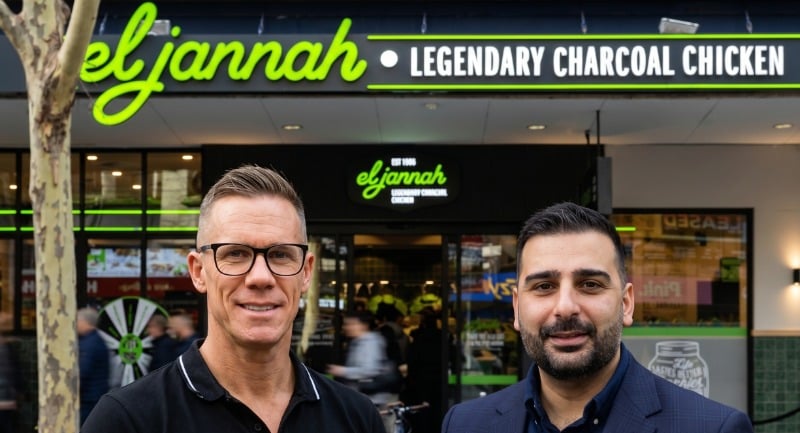
L-R: Emotive CEO Simon Joyce, El Jannah CMO Adam Issa
The franchise that still wants to feel local
For El Jannah’s Chief Marketing Officer, Adam Issa, the reason the company still feels like a neighbourhood business comes down to one thing.
“The people,” Issa told Mediaweek over a lunch featuring the new items.
The campaign was handled by Emotive, with its CEO, Simon Joyce, telling Mediaweek he believes the appeal of El Jannah lies in the fact that the brand still behaves less like a national fast-food chain and more like a place where the staff actually care whether you’ve eaten lunch.
“The other thing I would say is there’s a service level here that you don’t just get anywhere else,” Joyce said.
“Like if I saw someone wearing El-Jannah’s uniform, that black T-Shirt that says ‘ask me anything except the garlic sauce recipe’ on the back, you immediately understand the tone of the place.
“That tone isn’t something you see many QSRs use, so I think that has helped with a more local, corner-store sort of feeling as well.”
Issa added: “It’s robotic in most QSRs, and I think that’s the difference.”
That distinction became central to the campaign strategy.
Rather than compete directly with major fast-food players in terms of scale or advertising weight, Emotive leaned into internet culture and recognisable food personalities to create what Joyce described as “shortcuts to attention”.
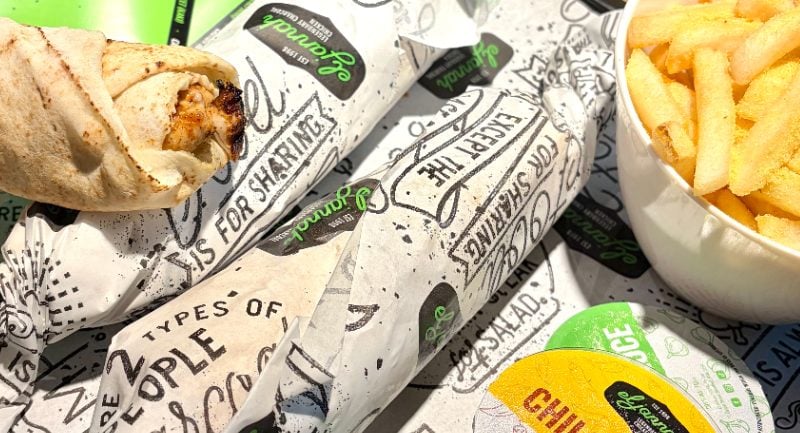
El Jannah’s new lunch menu
Meme culture meets charcoal chicken
The campaign casts several familiar internet figures and cult food personalities, including the “Por Que No Los Dos?” girl, the Fat Pizza guys and the “Sushi Carol” duo.
Each arrives fiercely loyal to another food category before eventually being converted to El Jannah’s charcoal chicken.
According to Joyce, the idea came together quickly because the product truth was already there.
“It was just straight-up product truth: fresh, delicious, made to order. No one can resist it; try to resist it,” he said.
“But then we needed the shortcut to attention and find a creative way to tell that story.”
Joyce said the campaign deliberately avoids the over-produced aesthetic common across much of the QSR category.
“There’s also an energy about El-Jannah that says, we don’t need to be crazily polished,” he said.
“We’re not going to win by shouting down KFC. We’ve got to find shortcuts to attention. The shortcut to attention on this one was meme culture, internet culture.”
The campaign was developed and produced end-to-end by Emotive and rolls out across film, social, earned and in-store channels.
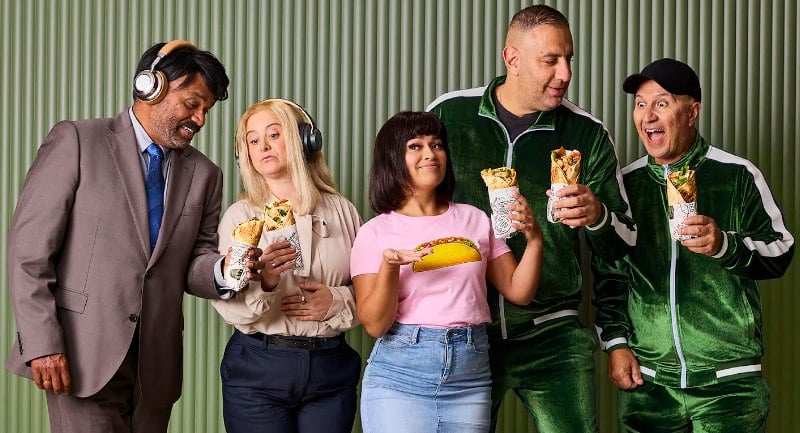
El Jannah’s new campaign
Why nostalgia – and hospitality – still matter
Underpinning the campaign is a broader cultural observation around nostalgia, warmth and human interaction – themes both El Jannah and Emotive believe consumers are increasingly gravitating towards.
“The need for real connection, for genuine relational conversations beyond the surface,” Joyce said.
“And it is that, as the research suggests, the more the world feels a little bit out of control, the more we’re gravitating to it.
“So you’d argue the broader cultural environment would be part of what’s happening, and I feel like these guys have really tapped into that.”
Joyce said the difference inside El Jannah was that the staff didn’t feel like people following a corporate playbook.
“There are so many brands you work with, and you feel like the people are working out of a playbook,” he said.
“And then you work here, and you feel like people are the brand. And I think that’s the difference.”
“I always notice in businesses, when there’s a management style where people feel a sense of ownership, that ownership drives a different behaviour.”
The lunch play
The campaign also supports a more practical business objective: expanding El Jannah’s lunchtime appeal with a lighter, faster offering designed to compete in the daytime QSR market.
“So now you can come to El Jannah, and you can get products that are in line with the big majors,” Issa said.
“And customers know they’re eating quality food.
“Our rolls are currently for big feeds. If you eat a roll today, you’ll be full until tomorrow. So we wanted to make sure that we could have something that’s light.
“Not as heavy, not toasted, easy to go in and out. So it works operationally as well. And this is how it all came about.”
For Issa, though, the brand’s broader success still comes down to something much simpler than media strategy or campaign architecture.
“We keep it real,” he said.
“You know, I think Lebanese people have had a bad reputation. But you can walk into any Lebanese Mum’s house, and I guarantee you won’t leave without trays of food.
“Plus, our food is just amazing in quality. I don’t have to do a lot of work. Food speaks for itself.”

Author’s preemptive strike on Melania Trump backfires
In the contemporary media landscape, publishers follow a time-honored choreography for sensational gossip about the Trump family.
Step one: an author makes an incendiary claim on a podcast.
Step two: a Trump lawyer sends a blistering cease-and-desist letter featuring cartoonish financial demands.
Step three: everyone yells loudly about the First Amendment.
But author and perennial stirrer-of-pots Michael Wolff recently attempted to introduce a rogue fourth step into this delicate dance… suing the subject of your gossip before they can actually sue you.
Unfortunately for Wolff, the federal judiciary apparently refuses to serve as a human shield. On Friday, 22 May 2026, U.S. district judge Mary Kay Vyskocil summarily tossed Wolff’s preemptive lawsuit against first lady Melania Trump.
As reported by The Guardian, the judge effectively told the author to take his “abusively presented spat” elsewhere.
A rogue fourth step in the media dance
According to details from The Associated Press and Courthouse News Service, the origins of this particular legal headache date back to the autumn of 2025. Wolff hit the interview circuit with a fresh batch of allegations regarding the first lady.
Wolff suggested that Melania worked “behind the scenes” to manage files related to the late, disgraced financier Jeffrey Epstein. For good measure, he threw in some classic tabloid fodder.

At a surprise White House address on April 9, 2026, First Lady Melania Trump denied any connections to Jeffrey Epstein. Image: Youtube
He reiterated claims of a “sham marriage” and alleged that Donald Trump first encountered Melania romantically aboard Epstein’s private jet.
These claims, including statements made in an interview that The Daily Beast later retracted, predictably triggered the Trump legal apparatus.
Melania’s attorney, Alejandro Brito, fired off a cease-and-desist letter. He demanded retractions and apologies while dangling the threat of a $1 billion defamation lawsuit.
For context, a cool billion roughly equals the GDP of a small island nation, but in Trumpworld, it represents standard opening-bid rhetoric.
Fleeing to a friendly jurisdiction
Faced with the prospect of defending himself in a Florida court, the Trumps’ preferred home turf and a venue notoriously less friendly to media defendants, Wolff got creative.
In October 2025, rather than waiting for Brito to actually file the billion-dollar suit, Wolff ran to a New York state court.
He filed an anti-SLAPP suit. Essentially, he asked a judge to preemptively declare his statements as protected free speech and definitively not defamatory.
Then he executed a bold, if contorted, manoeuvre. Wolff accused the first family of weaponising the threat of ruinous litigation to chill the press, and he asked the court to declare him the winner of a defamation trial that had not even happened yet.
The legal system promptly bumped the case up to federal court, where it landed on the desk of Vyskocil, who, somewhat ironically for Wolff, serves as a Donald Trump appointee.
Vyskocil expressed a profound lack of impression with Wolff’s legal strategy.
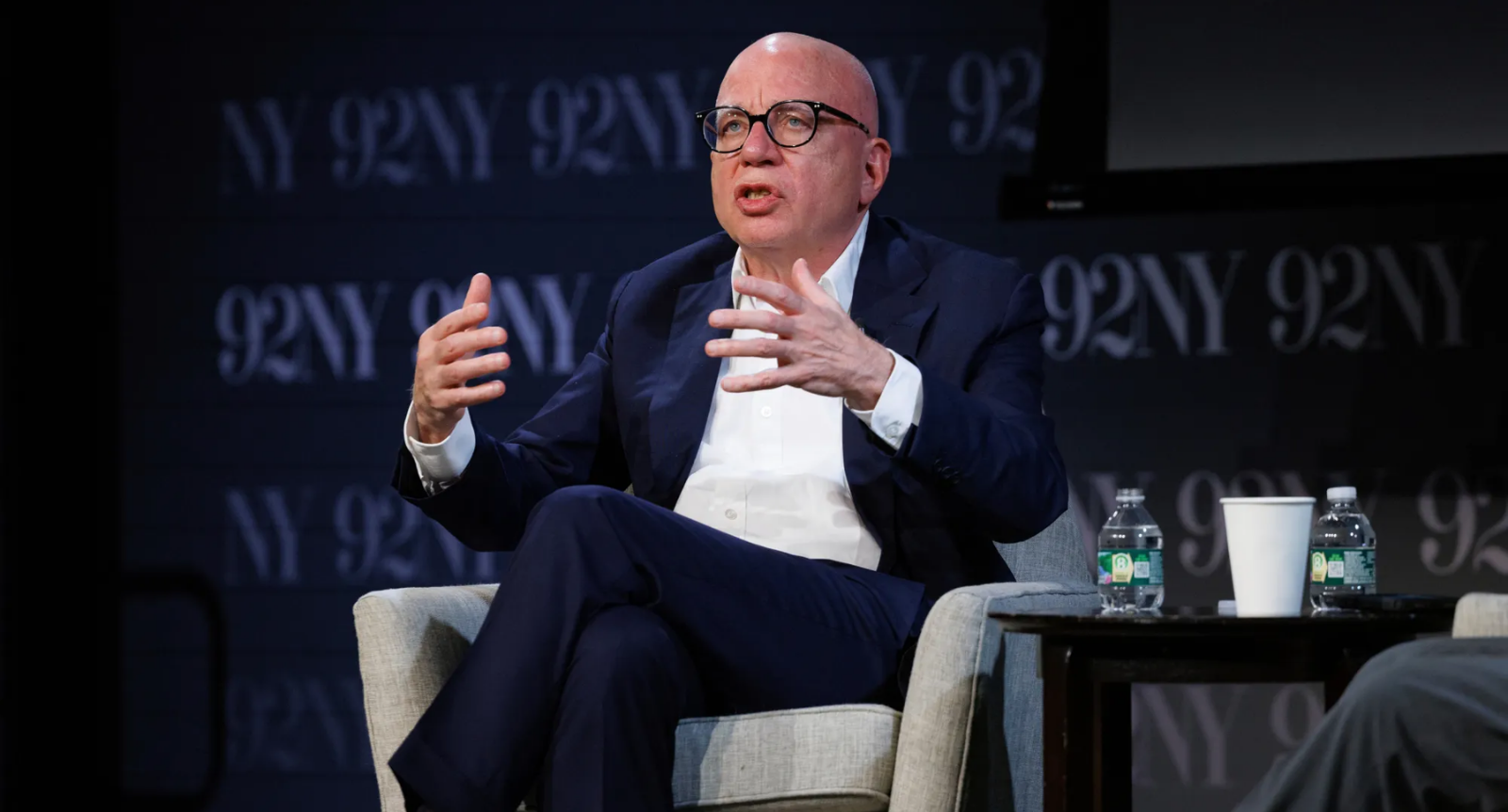
Author Michael Wolff
Federal courts reject tactical gamesmanship
In a scathing 45-page ruling, excerpts of which were highlighted by Reason Magazine, Vyskocil declined to even touch the merits of whether Wolff’s podcast musings actually defamed the first lady.
Instead, she took aim squarely at Wolff’s media-legal games. The judge characterised the preemptive strike as an “inappropriate level of tactical gamesmanship” and “textbook bad-faith forum shopping.”
Vyskocil noted in her opinion that federal courts “will not be conscripted to oversee an abusively presented spat” just because an author wants to lock in a favourable home-court advantage.
A party cannot simply ask a judge to collude with them to snatch the choice of jurisdiction away from the actual, aggrieved plaintiff. While acknowledging that Wolff and Trump clearly have a “real dispute,” the judge ordered that they “must litigate it according to the same procedures as everyone else.”
In layman’s terms: a defendant must wait for an actual lawsuit before launching a defence.
View this post on Instagram
The billion-dollar threat returns
The East Wing naturally met the ruling with immediate jubilation. Nick Clemens, a spokesperson for the first lady, issued a statement praising the dismissal and reaffirming Melania’s commitment to fighting “malicious and defamatory falsehoods.”
The statement provided a tidy bookend to the first lady’s own recent, fierce public denials from the White House regarding any friendship with Epstein. She chalked up any past proximity to overlapping circles of the Palm Beach and New York elite.
For the media industry, the takeaway rings clear. The strategy of using a preemptive anti-SLAPP strike to secure a friendly jurisdiction appears dead on arrival.
Wolff may have tried to outmaneuver the notoriously litigious Trump machine. Instead, he just spent months and untold legal fees buying himself a 45-page federal scolding.
And the punchline? Now that Wolff lost his preemptive shield, that $1 billion defamation suit from Florida likely sits right back on the table.
The dance continues.
Feature image- Author Michael Wolff and First Lady Melania Trump: file.

The Australian Women’s Weekly bets on nostalgia, trust and dinner to power its next reinvention
As Are Media pushes ahead with its sale process under private equity owner Mercury Capital, the publisher is simultaneously betting big on one of its oldest and most commercially powerful assets: The Australian Women’s Weekly.
Launching a new paid membership platform, My Women’s Weekly, alongside a broader direct-to-consumer strategy, the business is positioning the 93-year-old title as both a legacy media brand and a modern lifestyle ecosystem spanning food, health, travel, finance and community.
From cultural institution to membership business
Speaking to Mediaweek, Jocelin Abbey, General Manager of Homes and Lifestyle at Are Media, said the strategy was rooted in the enduring trust audiences still place in The Weekly – particularly during periods of economic and social uncertainty.
“The Weekly is a cultural institution,” Abbey said.
She said food continued to act as a source of connection and familiarity for Australians navigating cost-of-living pressures and broader instability, with that insight helping shape the development of My Women’s Weekly and its focus on practical meal planning and utility.
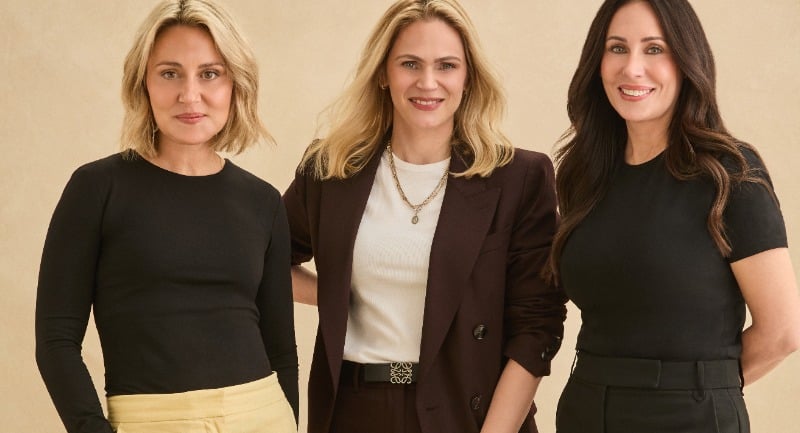
L-R: Are Media CEO Sally Eagle, Jocelin Abbey, General Manager of Homes and Lifestyle, and Anna Quinn, Commercial Director
Nostalgia is turning into a revenue strategy
For Anna Quinn, Commercial Director at Are Media, the relaunch also reflects a wider cultural shift towards nostalgia and trusted brands.
“Nostalgia is really part of the zeitgeist at the moment,” Quinn said.
“We’re seeing audiences gravitate towards familiar and trusted brands during uncertain times.”
Quinn added brands were already preparing for what they expected would be a significant Christmas trading period shaped by changing consumer behaviour and increasingly home-centred moments.
The membership offering includes access to premium content, weekly meal plans sourced from more than 27,000 recipes in The Weekly Test Kitchen archive, digital masterclasses, dining events, digital magazine access, cookbook discounts and member offers, with memberships starting at $4.99 per month.
Abbey said the company was also focused on helping audiences better navigate decades of editorial and recipe content by making the archive a more curated, usable experience.
Decision fatigue taking over
Research commissioned by the publisher found decision fatigue around cooking and nutrition was becoming a growing issue for Australians, with many households cooking at home multiple nights a week while struggling with the stress of deciding what to make.
“The meal plans are really about helping simplify everyday life,” Abbey said.
“It’s not just about dinner. It’s about creating moments of connection around food.”
That nostalgia play is already delivering commercially.
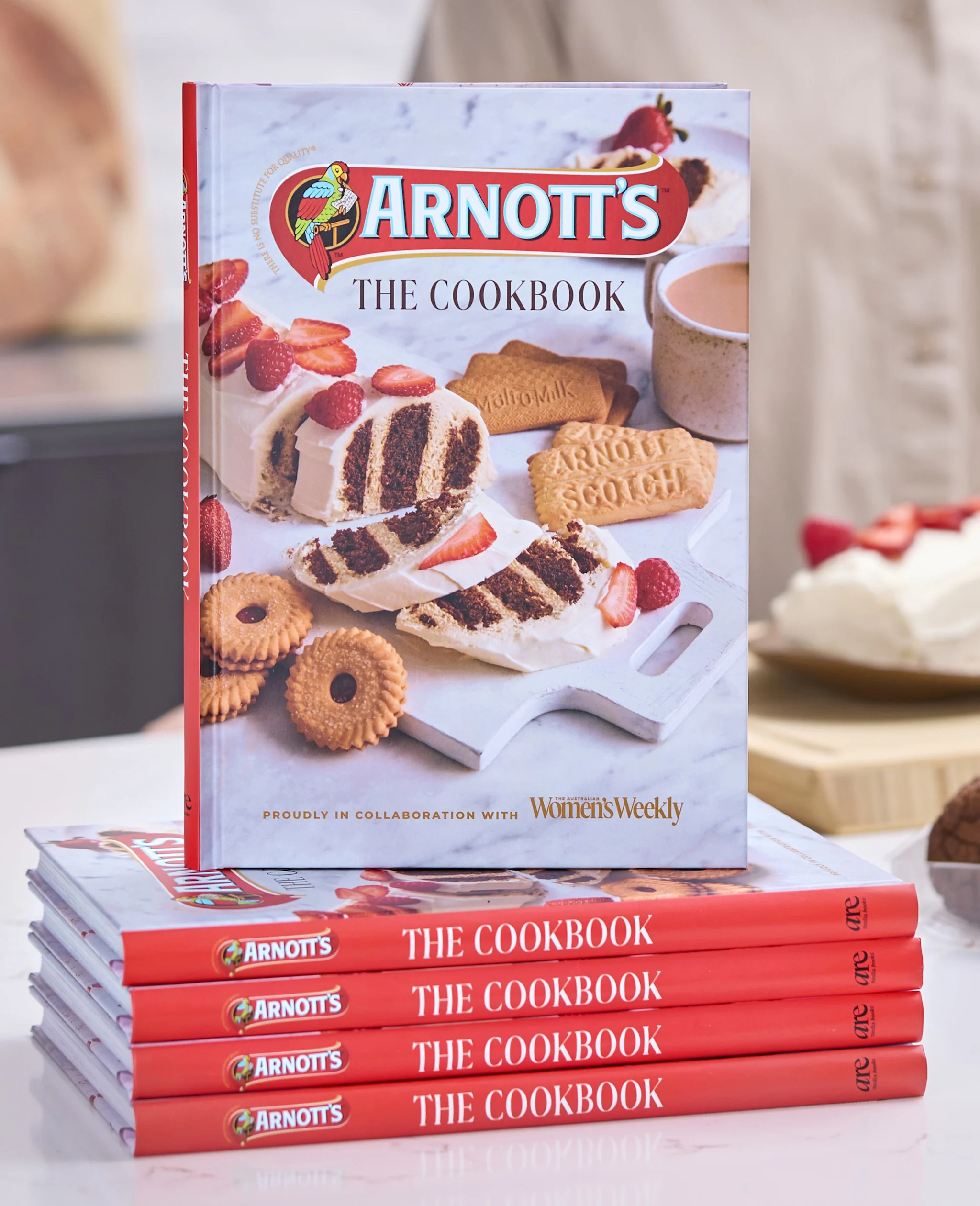
Abbey pointed to The Australian Women’s Weekly’s collaboration with Arnott’s, resulting in the release of Arnotts: The Cookbook, as an example of the brand’s continuing retail influence, saying the cookbook partnership became one of the publisher’s most successful releases.
Arnott’s later reported a significant increase in sales of Choc Ripple biscuits following the launch, despite no additional marketing activity.
As part of the rollout, The Weekly has introduced a new generation of food talent, including Laura Sharrad, Depinder Chhibber and food creator Karima-Chloe Hazim.
Abbey said the appointments were intended to ensure Australian women could see themselves reflected in the evolving face of the brand.
“We want Australian women to see themselves in The Weekly,” she said.
New faces, old trust
The publisher has also signed a partnership with SMEG, integrating SMEG appliances across recipes, masterclasses, live experiences and membership content spanning print, digital and social.
While Are Media continues to expand into podcasts, vodcasts, and memberships – including through its recent partnership with iHeart – Abbey said print remains central to The Weekly ecosystem.
“Print is still absolutely core to what we do,” Abbey said.
“But now we’re building complementary experiences around it.”
Reinventing through uncertainty
Quinn said the publisher now had eight million authenticated users, giving Are Media one of the strongest first-party data assets in the market.
“Our audience is highly engaged and highly commerce-ready,” Quinn said.
The latest Roy Morgan readership figures for December 2025 show Are Media reaching more than 7.3 million Australians monthly, with The Australian Women’s Weekly reaching 1.66 million readers cross-platform, including 1.17 million in print.
And despite the uncertainty surrounding the company’s future ownership, Quinn said innovation within the business had not slowed.
“We’re continuing to innovate regardless of the sale process,” she said.
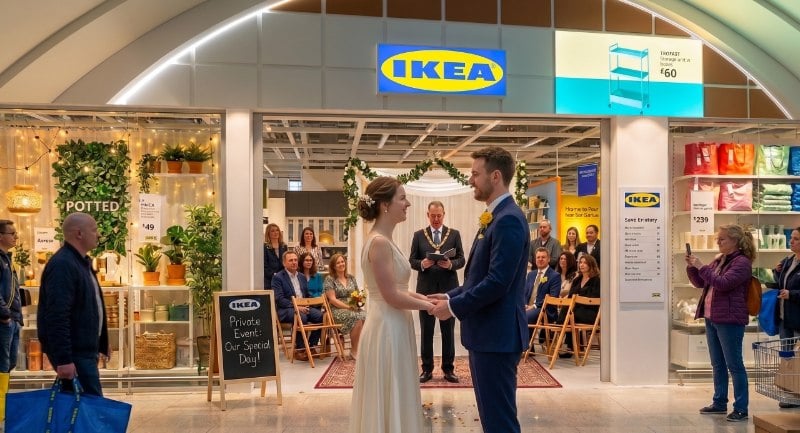
IKEA says ‘I do’ to in-store weddings
What better way to celebrate the sanctity of marriage than by tying the knot in the birthplace of the Fartfull?
That’s right, IKEA has announced it will host civil ceremonies at five locations in Sweden next month.
It’s only a one-day thing and will be held at stores in Malmö, Linköping, Jönköping, Uddevalla and Karlstad.
The activation will transform participating stores into wedding venues, complete with a civil officiant and a curated ceremony space within the retailer’s showroom.
Only three couples will be able to marry at each participating store.
From meatballs to Marry Me
As per INGKA, Martina Bjuvenius, Interior Design Manager at IKEA Sweden, said the initiative was designed to celebrate connection and togetherness.
“Togetherness often begins when we open our hearts and say yes – and that is also how lifelong companionship begins,” Bjuvenius said.
“At IKEA, we want to make it possible for more people to say yes to both love and togetherness, which is why we are offering our customers the opportunity to get married in a unique environment and create memories for life.”
Couples wanting to participate must first complete a marriage licence application, known as a “hindersprövning”, through the Swedish Tax Agency before the ceremony can proceed.
Following the ceremony, couples will be served an IKEA summer menu and receive a wedding gift from the retailer.
Divorces can be fast-tracked by attempting to assemble the aforementioned gift at home.
Main image: AI-generated
MC&V adds Canva and Canteen to client roster
AI-native production company MC&V has secured two new client wins: Canva and Canteen, adding them to its roster.
The wins reflect growing demand from global brands and culturally led organisations for AI production partners with experience delivering quality and efficiency in commercial production environments.
The appointments build on existing relationships, with MC&V founders Marie-Céline Merret Wirström and Vinne Schifferstein Vidal having previously worked with Canteen and Canva.
AI moves from experimentation to production
The client wins come as brands move AI from experimentation into real campaign production.
MC&V said the challenge is no longer simply generating content, but designing production workflows that can hold up commercially, legally and operationally.
That includes questions around IP, ownership, approvals, governance and production feasibility.
Vidal said the real value now lies in knowing how to turn AI tools into work that can perform for brands and agencies.
“Right now, almost everyone has access to the same AI tools, but what’s becoming more valuable is knowing how to turn those tools into work that holds up creatively and commercially,” Vidal said.
“The tools have progressed incredibly quickly, but direction, craft and experience with brand production still matter enormously. That’s the thinking behind MC&V.
“We’re building around people who understand storytelling, production and how to deliver work properly for brands and agencies.”
New AI director roster
Founded earlier this year, MC&V positions itself as an AI-native production company built around workflow design, creative direction and production systems.
The company brings more than two years of experience delivering AI campaigns for brands including Adidas, Uniqlo, KFC and Afterpay.
As part of its expansion, MC&V has added AI directors Jodie Heenan, Josef “Seppi” Scholler and Jagger Waters to its creative roster.
Heenan is an Australian-based AI artist with a background in design, motion and VFX. She is also Creative Director of her own company and has worked with brands including Cadbury and Twinings.
Scholler is known for cinematic visual style, hybrid production and AI-driven world-building, combining emotional scenery with generative workflows. Waters is a multidisciplinary AI creator, writer and producer with more than a decade of experience across film, audio, live events and digital storytelling.
Production thinking becomes critical
MC&V co-founder Marie-Céline Merret Wirström said the shift to AI-native workflows is changing what production requires.
“Production is becoming less about departments and more about how you design the workflow around the idea and bring the best talent around the brief,” Merret Wirström said.
“Clients are asking different questions now. Not just what AI can do, but how it fits into their process, their approvals and how it scales. That’s where production thinking becomes critical.”
MC&V will continue to build its offering across hybrid production, AI-assisted creative development, and fully AI-native campaign execution, working with agencies and brands to design production pipelines that balance creative ambition with commercial realities.
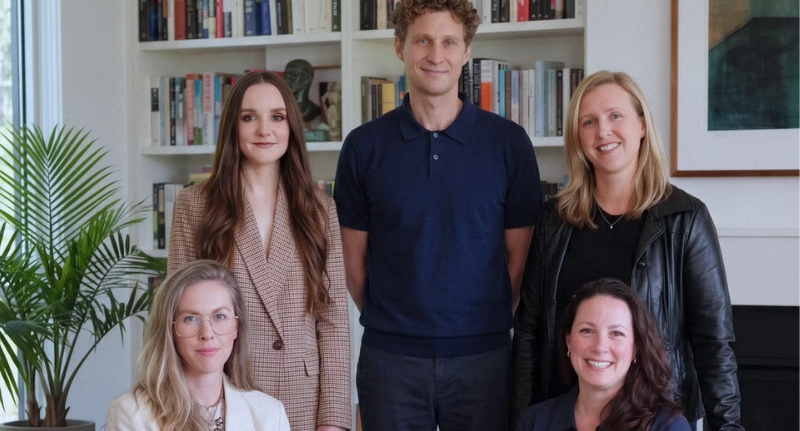
Top image: (L to R ) – Marie-Céline Merret, Jagger Waters, Josef Scholler, Jodie Herman, Vinne Schifferstein.
Candace Owens tour implodes, refund hopes fade for ticket holders
Candace Owens’ cancelled Australian tour has left about 15,000 ticket holders unlikely to receive refunds after promoter Rocksman entered liquidation with 21 cents in its bank account.
The US conservative commentator was due to tour Australia in 2024 before the federal government refused her a visa, citing her “capacity to incite discord”. The decision was later upheld by the High Court in October 2025.
Rocksman’s liquidator, David Sampson, filed a statutory report to creditors with ASIC dated 3 March. The report said the company had no insurance to cover the cancellation and had spent the money from ticket sales.
Ticket holders unlikely to be refunded
Joel Jammal, head of Turning Point Australia and a sponsor of the tour, said he believed around 15,000 tickets had been sold. Tickets reportedly started at $95 and reached $1,500 for VIP packages.
That suggests Rocksman sold at least $1.4 million worth of tickets. The company was placed into liquidation in December.
The liquidator’s report identified debts of more than $760,000 to creditors, including employees and ticket holders. It also stated Rocksman did not have enough funds to begin legal proceedings to recover money for creditors.
Owens claims she was also left out of pocket
Owens’ spokesperson said the commentator’s team had also lost money after Rocksman allegedly promised to cover the cost of challenging the visa refusal in the High Court.
“Candace’s team ended up paying hundreds of thousands of dollars in legal bills, as well as providing numerous loans to Rocksman to make refunds [before] it became apparent that their assurances were meaningless,” the spokesperson said.
The spokesperson also alleged Owens’ team only learned of Rocksman’s liquidation through media reporting in January.
“Right up until the last day, they were still promising us that refunds were just around the corner,” the spokesperson said to The Guardian.
Sponsors also claim money is owed
The tour’s main sponsor, bullion dealer As Good As Gold, has also claimed it is owed money.
Jarrad Panes, co-director of As Good As Gold, said Rocksman told him the company’s $80,000 sponsorship would be refunded in 2025.
“It’s like, what have you done with all of this money?” Panes said to The Guardian.
Questions over Rocksman’s finances
Rocksman’s sole director and shareholder is listed as George Zacharia.
Sampson’s preliminary investigations indicated the company may have traded while insolvent. The report also identified $385,000 worth of transactions that may require further investigation as possible “unreasonable director-related transactions”.
Jammal said he was not aware of Rocksman’s financial difficulties when he told ticket holders refunds would be issued.
“I was not aware of any insolvency issues or broader financial difficulties within Rocksman at the time I communicated publicly that refunds would be issued,” Jammal said.
“Turning Point Australia’s involvement was limited to acting as a sponsor and assisting with promotion,” Jammal said.
Rocksman was involved in a network of previous conservative speaking events in Australia, including tours connected to Nigel Farage, Donald Trump Jr and Milo Yiannopoulos.
Foxcatcher's Atlas AI is coming for the spreadsheet hell inside media agencies
Everyone in media is talking about AI right now – usually somewhere between “this will change everything” and “please don’t let it break the workflow.”
Atlas AI, launched through Foxcatcher, is trying to land in a more practical place. Built on top of the company’s proprietary WorldView platform, the system serves as an intelligence layer spanning media trading and campaign analytics, unifying campaign data, audience behaviour, engagement signals, and performance modelling into a single operating environment.
The goal is less about replacing traders and more about removing the spreadsheet-heavy grunt work that slows teams down.
The company says Atlas AI has already reduced some operational inefficiencies by up to 70%, while giving teams faster reporting, deeper optimisation insights and real-time visibility across an increasingly fragmented advertising market.
Still confused? Don’t worry. Mediaweek sat down with Atlas AI’s Andrew Molan and Foxcatcher’s Varun John to get the low-down.

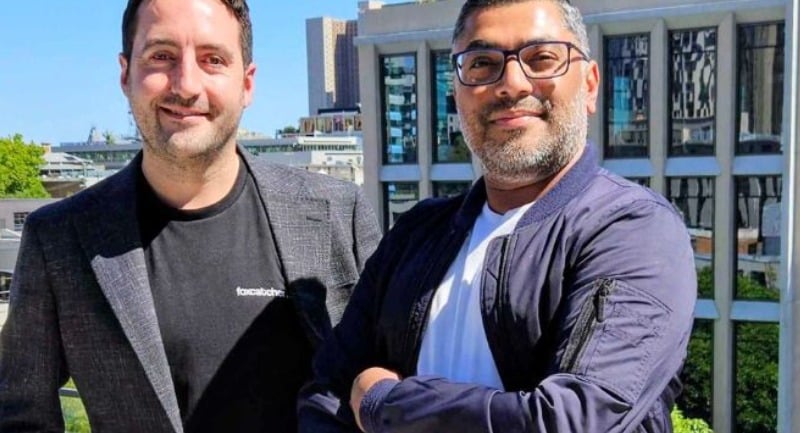
Foxcatcher’s Varun John and Atlas AI’s Andrew Molan
Mediaweek: Just to start, explain to me in the most basic terms (aka like I’m a five-year-old) what Atlas AI is?
Andrew Molan: Atlas AI is the intelligence layer that sits atop our proprietary media and analytics platform, WorldView.
In simple terms, it’s like having a really smart assistant sitting next to our trading teams. Instead of people manually digging through dashboards, spreadsheets and reports, Atlas AI helps surface the important information quickly so teams can focus on higher-level tasks.
Mediaweek: What has been a main focus for you?
Andrew Molan: Streamlining and automating legacy, repetitive, and time-consuming tasks that traditionally consume a huge amount of operational time. Things like reporting, campaign setup workflows, tracking implementation checks and identifying optimisation opportunities can now happen much faster.
Importantly, though, Atlas AI is designed to support our teams, not replace them. Human expertise, strategy and relationships are still at the centre of what we do.
Mediaweek: You say Atlas AI has reduced some operational inefficiencies by up to 70%. What specific functions are seeing those gains – and how are you measuring them?
Andrew Molan: The biggest efficiency gains so far have come from campaign setup workflows, tracking implementation, reporting, data analysis and campaign monitoring.
Historically, many of these processes relied heavily on our teams manually pulling together information from multiple systems. Atlas AI has made that information significantly more accessible across the business, meaning teams can get answers faster without relying on one or two specialists.
Reporting and optimisation workflows are another major area. Traders often spend a great deal of time navigating multiple platforms to piece together a complete picture of campaign performance. Atlas AI helps surface that information in a much more connected and actionable way.
We’ve been actively logging and measuring operational workflows internally. For example, in some cases, tasks that previously consumed a good amount of time on a Monday can now be completed within minutes. The gains are not just about speed, either; they’re about giving back the time to allow teams to focus on higher-value strategic thinking.

Mediaweek: The market is flooded with agencies and adtech businesses claiming to have “AI-powered optimisation”. What genuinely differentiates Atlas AI from the dozens of automation layers already sitting inside DSPs and martech stacks?
Andrew Molan: The biggest difference is that Atlas AI hasn’t been bolted onto an off-the-shelf product. It has been built on top of proprietary technology and data infrastructure that we’ve spent years developing, and we can truly call our own.
Most platform-level AI tools operate within a single ecosystem or optimise around a relatively narrow set of signals. Atlas AI operates across multiple data sources simultaneously, including media activation data, website analytics, audience behaviour, and our own internal finance processes.
That broader context is important because modern media performance can’t be properly understood within isolated platform silos anymore.
Another key difference is that Atlas AI has been designed around operational workflows inside a real agency and trading environment.
Many AI tools focus purely on optimisation outputs, whereas we’ve focused heavily on streamlining day-to-day operational processes that consume significant time across our programmatic team.
Importantly, Atlas AI is also designed around augmentation. The goal is not to hand everything over to AI. The goal is to give teams better visibility, faster access to information and more time to focus on strategic thinking.
Mediaweek: There’s been growing anxiety across agencies about AI replacing junior talent in the pipeline. How do you avoid hollowing out the next generation of traders and analysts?
Varun John: There’s no doubt that skillsets across the industry will evolve over time. Highly repetitive, manual tasks will increasingly be automated, and that’s already happening across many parts of the industry.
That said, we still see people as the most important asset inside the business. The role of AI should be to remove low-value repetitive work so teams can focus more on strategic thinking, analysis, creativity and client outcomes.
Junior traders and analysts still need to learn how the media works, how to interpret data, how to think critically and how to communicate insights effectively. Those skills become even more important in an AI-enabled environment.
The difference is that the next generation will likely spend less time manually downloading reports and extracting data and more time learning how to use intelligent tools effectively. We see AI as something that can accelerate capability, not replace it.

Mediaweek: Atlas AI is making optimisation decisions based on multiple data signals and proprietary modelling. Can advertisers actually interrogate how the system reaches its recommendations, or does it risk becoming another “black box” optimisation engine?
Andrew Molan: Transparency has been a really important focus for us. We’ve already been building proprietary models and analytics frameworks internally for years, so in many ways, that part of the process hasn’t fundamentally changed.
For us, AI is the ability to surface insights, connect signals, and make information more accessible across the business.
Atlas AI is designed to support traders and strategists, not replace human oversight. Recommendations are surfaced alongside contextual signals and supporting information so teams can understand why something may be happening before making decisions.
Ultimately, the human trader is still responsible for strategy and decision-making. Atlas AI helps accelerate the process of identifying opportunities, risks, and trends, but human judgment remains key to how recommendations are interpreted and applied.
Mediaweek: If Atlas AI works as intended, what does the media agency of 2030 actually look like – and which parts of media buying do you believe should never be automated?
Varun John: The media agency of 2030 will almost certainly be far more connected, automated, and AI-assisted than it is today, particularly from an operational perspective.
Many repetitive workflows that currently consume significant time across agencies will become increasingly streamlined. Things like reporting, campaign monitoring, anomaly detection, campaign setup and certain optimisation processes will become far more intelligent and proactive.
We also expect AI to become much better at identifying patterns and surfacing opportunities across fragmented datasets in an autonomous and methodical way.
However, there are parts of media and advertising that should remain very human. Strategy, creativity, client relationships, commercial judgement and understanding cultural nuances are incredibly difficult to automate properly.
For us, the future is not about replacing teams with AI. It’s about building technology that helps talented people operate with greater speed, visibility and confidence while allowing them to focus more on the areas where human thinking adds the most value.
eBay Live doubles down on gaming and collectables culture
eBay Australia is building on the local debut of eBay Live with a new gaming-led campaign targeting fandom and collectables culture.
Launched in partnership with dentsu, the integrated campaign spotlights eBay’s live shopping experience and is designed to drive excitement around community-led commerce.
The campaign is rolling out across YouTube, TikTok and Meta, reinforcing the idea that shopping on eBay Live is as much about participation as it is purchase.
The latest phase, powered by Livewire, launched in the lead-up to Star Wars Day on 4 May, connecting eBay with gaming and fandom communities.
The partnership introduces a series of eBay Live shopping events hosted by creators and special guests, with real-time auctions showcasing personal items and sought-after collectables.
Alaister Low, Country Manager of eBay Live Australia, said the campaign taps into communities where collectables carry deeper meaning.
“By partnering with trusted gaming creators, eBay Live is tapping into highly engaged communities where collectables aren’t just products, but cultural currency.
“It’s driving strong participation and more authentic, community-led shopping experiences, creating real excitement around live auctions.”
Dentsu on the campaign
Flo Horwich, Content and Partnerships Director at dentsu, said the campaign brings together platform behaviour, talent and user culture.
“They’re also fluent in live, interactive formats like streams, drops and auctions.
“eBay Live builds on these familiar behaviours, placing shopping at the centre while interaction enhances discovery and intent to purchase.”
Horwich said eBay Live reflects how these audiences already consume content.
“With eBay Live designed as a shopping-first experience that reflects how these audiences already consume content, it becomes a natural next step in their online behaviour – enabling them to move seamlessly from watching and engaging to buying in real time.”
Livewire on gaming communities
Adam Fischer, General Manager, APAC at Livewire, said the campaign works because it is built around existing gaming behaviours.
“Gamers are a culturally fluent, highly engaged audience already accustomed to shopping and participating live.
“This campaign with eBay Live shows what’s possible when brands build around those behaviours—pairing trusted creators with real-time auctions to deliver a moment that feels native to gaming, because it is.”
Creator-led auctions
Following the Star Wars-themed stream featuring Walkman, Bombastic and eBay Live seller The Hobby, the campaign will continue with a slate of talent-led shopping events.
A pop culture-themed auction will take place on 28 May, hosted by Bajo and featuring Bubbell. On 25 June, eBay Live will host a dedicated Pokémon and Magic: The Gathering-themed shopping event, hosted by Bajo and featuring gaming creator Lachlan Power.
Power has built a global audience through Fortnite content and live streaming, making him a fit for eBay Live’s interactive, community-driven shopping format.
Top image: eBay Australia
Why mindset, not reach, will decide the 2026 FIFA World Cup winners for brands
Matt Coote, Managing Director, GumGum Australia
With kick-off in Mexico City fast approaching, Australian brands are no doubt putting the finishing touches on their World Cup media plans. But, I strongly suspect, many are thinking about it the same way they always have.
The last tournament in 2022 saw 5 billion 1 people tune in, with an average of 143 million viewers per match, creating one of the largest and most receptive advertising environments globally – and a huge
opportunity for advertisers willing to meet them there.
The World Cup audience is about to splinter
Due to the North American time zones, viewing for Aussies will look different this year. Even though the games were played at unsociable hours, 2022’s midnight to 6am graveyard slot was at least predictable.
The 2026 schedule, however, is harder to plan around.
With games taking place in the US, Mexico and Canada, matches will either be as early as 4am or as late as midday for Australians, scattering fans across the day instead of clustering them in the dead of night.
Fewer people will be gathered around the big screen at a packed pub. More will be watching alone on their phone, half-asleep in bed, or sneaking a stream in between work meetings on their laptop.
Plus, the advertising landscape is only expanding, with more platforms offering their own content environments. Major brands are taking up official FIFA partnerships, focusing on behind-the-scenes content, creator-led coverage, and gamification. Each platform brings its own audience and rules of engagement. Together, they paint a picture of a fanbase that is anything but one-size-fits-all.
The result is a fragmented environment, with audiences spread across multiple touchpoints and in different emotional and receptive states. Any brand treating this as a traditional broadcast moment will miss the opportunity to capture this highly engaged fanbase. Yet many will.
The old sports-buying playbook is breaking
What I’ve seen consistently in this industry is that businesses default to the familiar. Typically, when approaching a major sporting event, a brand targets broad demographic segments, buying reach, and serving the same creative across every placement. But that approach assumes all fans are watching in the same way, at the same time, and in the same frame of mind.
Instead, GumGum is laser-focused on the mindset of the individual consumer, and it’s our contention that it’s the single most powerful driver of advertising effectiveness.

Why mindset matters more than demographics
Mindset goes beyond context, attention, and any individual signal. It reflects the full combination of factors surrounding a moment – what someone is watching, where they are in their day, what device they’re viewing on, and how those factors combine in real time to determine whether someone is truly responsive.
Appraising mindset also means understanding emotional peaks and shifts around the content. Picture the build-up of anticipation around kick-off, the controversy surrounding a dodgy VAR decision and the euphoria or devastation at the final whistle.
Each of those moments influences a viewer’s thinking and feeling differently. A brand that shows up with the right message during the right emotional phase will connect in a way that no amount of demographic targeting can replicate.
The Australian Open already showed the shift
To capitalise, brands should look into adopting a real-time, mindset-driven approach. We saw this dynamic play out during this year’s Australian Open.
According to GumGum’s proprietary Mindset Graph data, online mentions of the AO rose from fewer than 2,000 on January 1 to nearly 47,000 by January 20, a 2,395% increase. And while the ramp-up in attention to tennis mightn’t have shocked as the tournament neared, more interesting was consumer receptiveness to key verticals that ran alongside the AO.
During this period, advertising categories including Travel Planning and Food and Beverage consistently achieved attention times above 4.15 seconds, while lifestyle categories reached as high as 4.93 seconds 2, well above industry benchmarks.
It doesn’t take a CMO to spot the pattern here – as the emotional stakes on court rose, so did receptivity to seasonally appropriate content across the entire media ecosystem surrounding the event.
As my colleague Alex Hill, Account Director at Gumgum, observed back in January, “attention goes hand in hand with emotion, and during a tentpole sporting event, fans are in a highly receptive mindset”.
Emotion is becoming the new media signal
The World Cup will reward the same thinking. That means building creativity for the emotional arc of the tournament.
Brands using contextual, environmental, and timing signals will be able to identify when someone is genuinely receptive, rather than simply assuming a sports fan is always an easy target.
Time and time again, our team has seen that contextually relevant, emotionally aligned messaging outperforms traditional broadcast buys.
When we meet people in the right mindset, ads become
more effective at driving real brand outcomes.
With the kick-off in Mexico City fast approaching, the window to get this right is narrow. The fans will show up in droves. Make sure your brand does too.