



Media bosses unite behind Albanese as government sharpens tech levy threat
It's an ultimatum in an ongoing battle over funding journalism.

Australia’s most powerful media executives have united to back the federal government’s proposed News Bargaining Incentive (NBI), as Prime Minister Anthony Albanese ramps up pressure on global tech platforms with a looming 2.25% revenue levy.
In a rare show of industry alignment, leaders from across the media landscape - including News Corp Australasia Executive Chairman News Michael Miller, CEO and Managing Director Nine Entertainment Co Matt Stanton, Managing Director ABC Hugh Marks, CEO and Managing Director Southern Cross Media Group Rohan Lund, President Network Ten Beverley McGarvey, Managing Director Australian Community Media Tony Kendall, Managing Director The Guardian Australia Rebecca Costello and Acting Managing Director SBS Jane Palfreyman - have thrown their support behind the draft legislation, warning the sustainability of journalism is at risk.
The government on Tuesday released an exposure draft of the NBI scheme, which would require platforms such as Google, Meta and TikTok to either strike new commercial agreements with publishers or face a 2.25% levy on Australian revenues.
Platforms that do deals would receive offsets between 150% and 170% against the levy, with any funds collected redirected to support Australian journalism.
The policy marks a reset of the Morrison-era News Media Bargaining Code, which Labor argues has lost effectiveness - particularly after Meta declined to renew agreements reportedly worth around $70 million tied to news content on Facebook and Instagram.
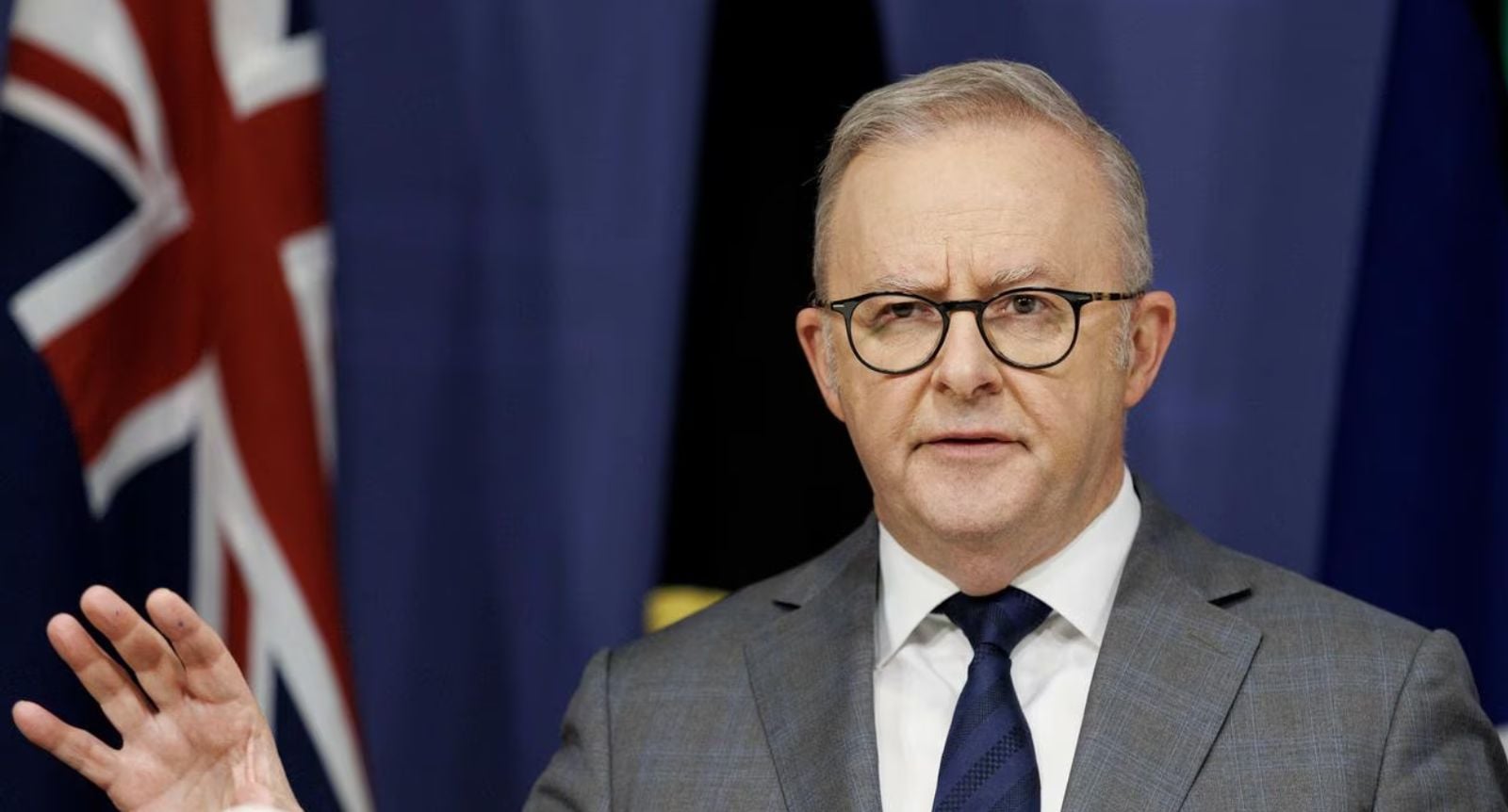 Prime Minister Anthony Albanese
Industry warns democracy “under threat”
Backing the government’s approach, the media leaders released a joint statement saying the stakes extend beyond commercial negotiations to the health of Australia’s democratic system.


The leading media trade publication in Australia.
Get our top stories straight to your inbox daily by signing up to our Newsletter
By providing your information, you agree to our Terms of Use and our Privacy Policy. We use vendors that may also process your information to help provide our services.
“The vibrancy of Australian democracy relies on the robust and open exchange of news, views and opinions. This is under threat," they wrote.
They added that without fair compensation from platforms profiting from news distribution, the economics of journalism would continue to deteriorate.
They continued: "If digital platforms fail to pay for the use of the news content from which they profit, then journalism becomes unsustainable.”
Platforms told to “step up”
The joint statement also highlighted frustration with uneven participation from tech companies, calling out the lack of engagement from some players.
“It has been more than two years since Meta walked away from previous deals and almost 18 months since the government announced the NBI.
While Google has been positive about doing deals, others need to come to the table, and all platforms need to step up.”
[embeddoc url="https://images-r2.thebrag.com/mw/uploads/2026/04/260428-Joint-Statement_FINAL.pdf"]
Government frames reform as democratic safeguard
The Prime Minister positioned the NBI as central to sustaining Australia’s media ecosystem.
“We think that investment in journalism is critical to a healthy democracy,” he said.
“It matters. It’s something that defines the way that Australian society operates.
“There’s no substitute for Australian news and stories being told by Australian journalists.”
A discussion paper released alongside the draft by Communications Minister Anika Wells and Assistant Treasurer Daniel Mulino suggests the scheme will prioritise outlets that employ Australian journalists, with potential weighting for multicultural publishers.
Mulino said the government wants platforms to engage constructively with publishers.
“Large digital platforms have an important role to play in providing access to news for all Australians, and being partners in innovation, we would like to see them work with the news media on commercial deals with benefit to both parties,” he said.
The proposal could also spark international pushback, with former US president Donald Trump previously signalling opposition to additional taxes on American tech companies.
Under the previous regime, Google and Meta struck deals estimated at $250 million over three years, enabling publishers to expand newsrooms and invest in digital transformation.
More from Mediaweek
The leading media trade publication in Australia.
Get our top stories straight to your inbox daily by signing up to our Newsletter
By providing your information, you agree to our Terms of Use and our Privacy Policy. We use vendors that may also process your information to help provide our services.


