


Getty Images plans bankruptcy as AI shakes up stock photos
The visual content business plans debt restructure with the founding family and Koch set to take full private ownership.

Usain Bolt, mid-stride, a grin spreading across his face as the field blurs behind him. Australian Getty Images photographer Cameron Spencer caught that instant during the 100 metres semi-final at the 2016 Rio Olympics: speed, swagger and the sheer pleasure of being untouchable, held in a single frame.
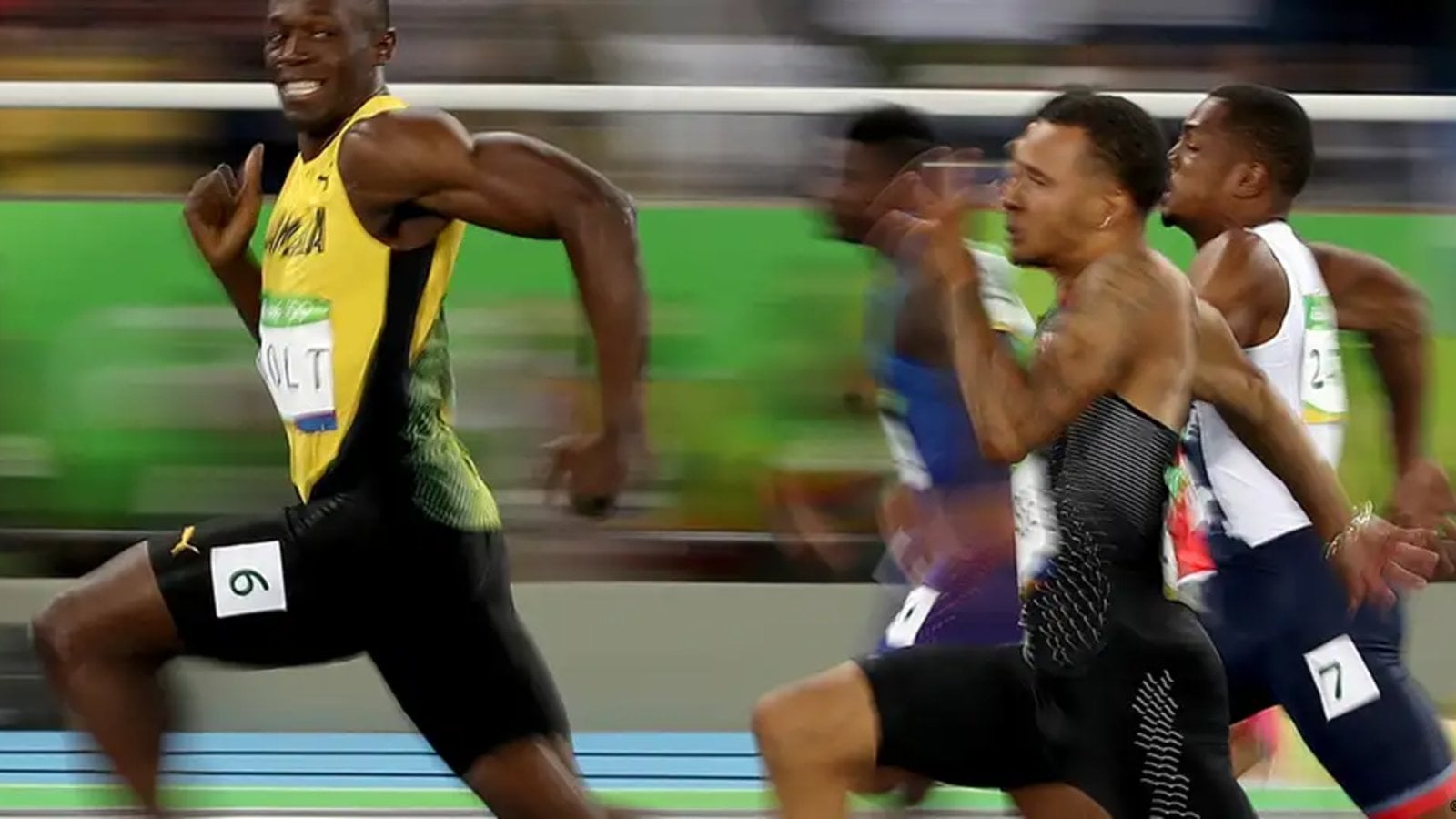
A moment like that takes more than a camera. It takes timing, judgement and someone trackside who knows what to watch for. As generative AI lets image buyers type a brief into a text box, the commercial value of those skills faces a growing challenge.
Against that backdrop, Getty Images plans to enter Chapter 11 bankruptcy protection as part of a restructuring backed by up to AU$763 million in new equity from the Getty family and Koch Equity Development affiliates. The company says the process will address non-operating legal liabilities and strengthen its balance sheet.


The leading media trade publication in Australia.
Get our top stories straight to your inbox daily by signing up to our Newsletter
By providing your information, you agree to our Terms of Use and our Privacy Policy. We use vendors that may also process your information to help provide our services.
The investors would own 100% of the reorganised company, taking it private. The agreement also provides for retiring AU$386 million in unsecured notes, reducing interest obligations and extending secured debt maturities.
Restructuring expected by year-end
The filing would cover certain US entities, with completion expected by year-end. Getty said the process would address non-operating legal liabilities.
“This transformational transaction is underpinned by the strength of the business and the significant growth potential we see ahead,” co-founder and chairman Mark Getty said.
Getty expects operations and contributor payments to continue normally, with vendors paid in full. Koch Equity Development would provide up to AU$204 million to fund the process.
Free libraries and AI challenge paid stock
The restructuring comes as image buyers have alternatives to paid stock libraries. Pexels, Pixabay and Unsplash offer extensive collections of free imagery, subject to their respective licence conditions. Unsplash is itself part of Getty’s portfolio, giving the company a presence in the free image market.
Generative AI presents a more direct challenge to the traditional stock photography transaction: buyers can generate an image to fit a brief rather than search a catalogue and license an existing photograph.
Getty’s own AI generator illustrates that shift. It lets customers create and modify images with text prompts, and the company positions its licensed training material and legal indemnification as selling points.
The commercial question is increasingly what buyers will pay for when they can source an image for free or generate one themselves. For paid libraries, that puts greater weight on exclusive material, reliable provenance and licensing protections.
There is also a distinction between creating an illustration and documenting an event. A generated image can serve a creative brief; it cannot provide photographic evidence of something that happened.
Getty responds by selling both authentic photography and AI tools. However, its restructuring announcement identifies legal liabilities and its capital structure as the issues it is addressing, rather than attributing the move to AI.
More from Mediaweek
The leading media trade publication in Australia.
Get our top stories straight to your inbox daily by signing up to our Newsletter
By providing your information, you agree to our Terms of Use and our Privacy Policy. We use vendors that may also process your information to help provide our services.


