



EXCLUSIVE: GOLD boss Sue Carter and the quiet strategy behind ARN’s real network play
After decades in radio across three countries, Carter tells Mediaweek the secrets behind the craft.

Trying to define the role of a radio content director is a bit like trying to capture sound waves in a jar. The job is inherently elusive - part art, part strategy - with a remit that stretches from the microscopic to the monumental.
The cocktail is simply too complex to be poured into a single glass.
When Mediaweek put that very question to Sue Carter, Head of Content at ARN’s GOLD Network, even she paused.
After decades in radio, across three countries and more than a dozen stations, Carter still resists neat definitions. That’s partly because the job keeps changing - and partly because 2026 presents a mammoth task: balancing daily editorial decisions with long-term network vision in a market that’s louder, faster and more fragmented than ever.
For Carter, the role begins with perspective. She talks often about radio’s privilege - the idea that even on its hardest days, the medium is still about improving someone else’s.
“My worst day is still a million times better than most people’s best,” she said. “We get to make people’s day better every single day.”
That belief underpins how she leads the GOLD Network - from the music it plays to the on-air teams who share their lives so openly that listeners feel like friends, not audiences.


The leading media trade publication in Australia.
Get our top stories straight to your inbox daily by signing up to our Newsletter
By providing your information, you agree to our Terms of Use and our Privacy Policy. We use vendors that may also process your information to help provide our services.
It’s also shaped how she’s approached growth: steadily, deliberately, and with an eye on emotional connection rather than spectacle.
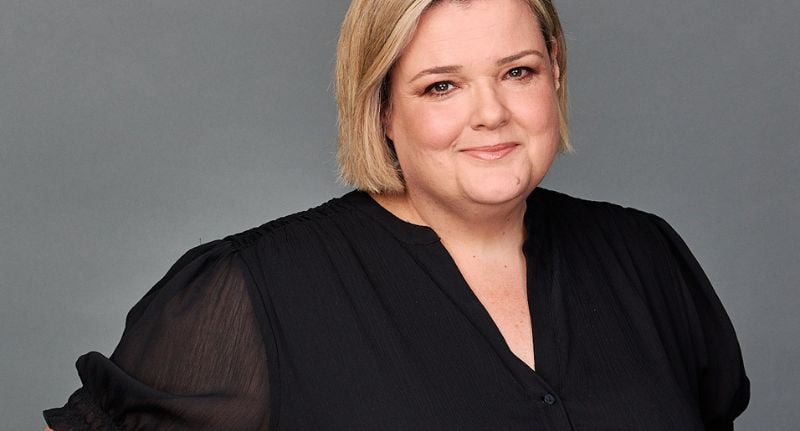 GOLD boss Sue Carter.
Building GOLD, quietly
Carter joined GOLD in 2018, arriving in Melbourne with a moment of doubt the day before she started - the scale of the city, the size of the brand, the weight of expectation.
That feeling didn’t last long.
Meeting the teams across Melbourne, Sydney, Perth and Adelaide quickly reframed the job.
Regardless of market size or signal reach, the common thread was people who loved radio and cared deeply about what they were creating.
“The size of the role, or station, isn’t what matters,” Carter said. “It’s the people, and what we get to create together every single day.”
That mindset has delivered results - and consistency - in a volatile market.
In Survey 6, GOLD 104.3 held firm in Melbourne at 11.2 overall, with breakfast lifting to 10.9. In Survey 7, the station surged to 12.5 overall, with breakfast climbing again to 11.2 - one of the strongest performances in the market, at a time when most FM competitors were sliding backwards.
Why Christian O’Connell was always the long game
While ARN’s $200 million bet on Kyle and Jackie O dominates industry conversation, it’s Christian O’Connell who has emerged as the group’s most credible networking asset - not through noise or controversy, but through scale, loyalty and trust.
Carter has never viewed O’Connell as a Melbourne-only proposition. His appeal, she says, was evident long before he arrived in Australia.
He’d already built a national audience in the UK, reached the ceiling of what that market could offer, and was actively seeking a new challenge. Australia wasn’t about starting smaller - it was about building differently.
The industry scepticism that followed his arrival struck Carter as short-sighted.
“I remember thinking at the time, this is very internal, small thinking,” she said. “He’s just a guy with an incredible way of connecting with human beings.”
Accent, geography and market boundaries mattered far less than the universal mechanics of connection - the same reason global talk show hosts, comedians and broadcasters resonate across borders.
Carter sees O’Connell as fundamentally old-school radio - intimate, habitual and human.
“You don’t feel like you’re alone,” she said. “Christian is their friend. Christian is company. He’s the person who’s in the car with them.”
That connection shows up not in headlines, but in behaviour. Carter tells the story of Melbourne couples driving to work - partners sitting quietly, elbows nudging, comparisons being drawn - and of listeners who know more about O’Connell’s personal life than their own partner’s.
It’s not fandom. It’s familiarity.
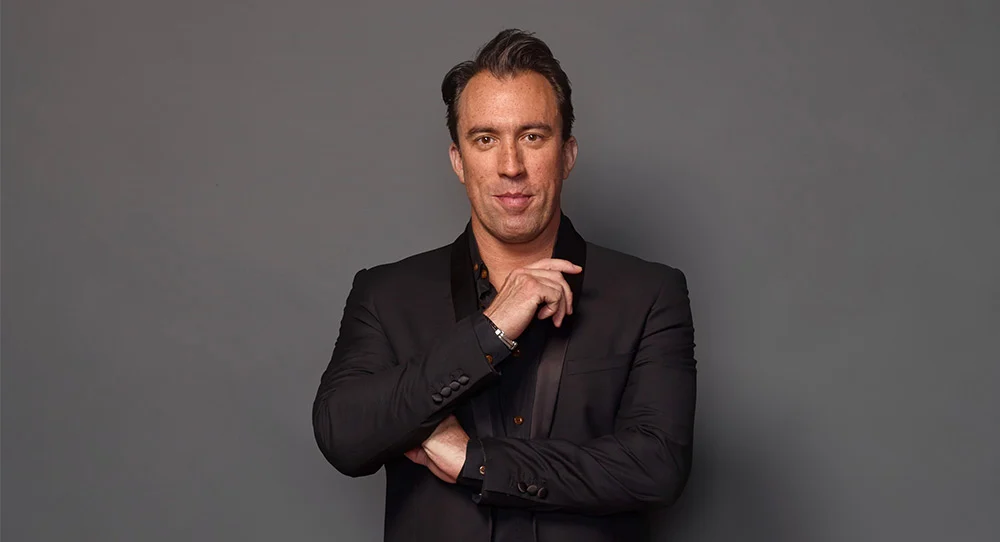 Christian O'Connell.
Data, confidence and a network finding its swagger
In an industry quick to declare radio dead, Carter prefers to point to the numbers.
GOLD has not only crossed the million-listener mark - it’s kept growing.
“GOLD's clocking the biggest figures it’s ever had,” she said. “Radio is not dying.”
Instead, she argues, it’s recalibrating - and those recalibrations reward discipline.
What GOLD delivered years ago was the dream: scale, consistency, loyalty. What’s happened since is something bigger - a brand that’s grown beyond expectation and earned the confidence that comes with sustained performance.
That confidence is now visible across the network.
Carter talks about GOLD today as a real network - not a collection of stations - with a clear lineup, experienced talent and a culture that values chemistry over convenience.
She’s seen what happens when companies jam the wrong people together. She’s also seen what happens when they don’t.
“I’m in a lucky position,” she said. “I’ve got incredibly experienced talent who are passionate - and they’re also just bloody great friends.”
Right now, her focus is singular: executing the next phase of the network strategy, with Christian O’Connell expanding nationally, Sydney a priority, and Jonesy and Amanda now anchoring Drive.
Personally, it’s a relief.
She jokes about driving to work with the iHeart app open, flicking between shows like a parent torn between children - loving them all equally, but exhausted by the juggling.
Now, the pieces are falling into place.
The quieter bet
While the industry debates big-money deals and headline talent, Carter has built something slower - and arguably stronger.
GOLD’s rise hasn’t been driven by volume or shock value, but by trust, emotional connection and consistency. In a fragmented media economy, those qualities travel further than noise.
And that’s why, despite the dollars spent elsewhere, Christian O’Connell - not Kyle and Jackie O - is emerging as ARN’s most sustainable network bet.
Not louder... just better built.
More from Mediaweek
The leading media trade publication in Australia.
Get our top stories straight to your inbox daily by signing up to our Newsletter
By providing your information, you agree to our Terms of Use and our Privacy Policy. We use vendors that may also process your information to help provide our services.


