

Securing millions of eyeballs during prime time looks great on a network press release. However, monetising those streaming audiences at the speed of live television, presents a completely different challenge.
Behind the screen, Connected TV (CTV) and programmatic advertising serve as the vital plumbing that turns those viewers into revenue. This unseen engine dictates exactly which ad plays to which household in a matter of milliseconds.
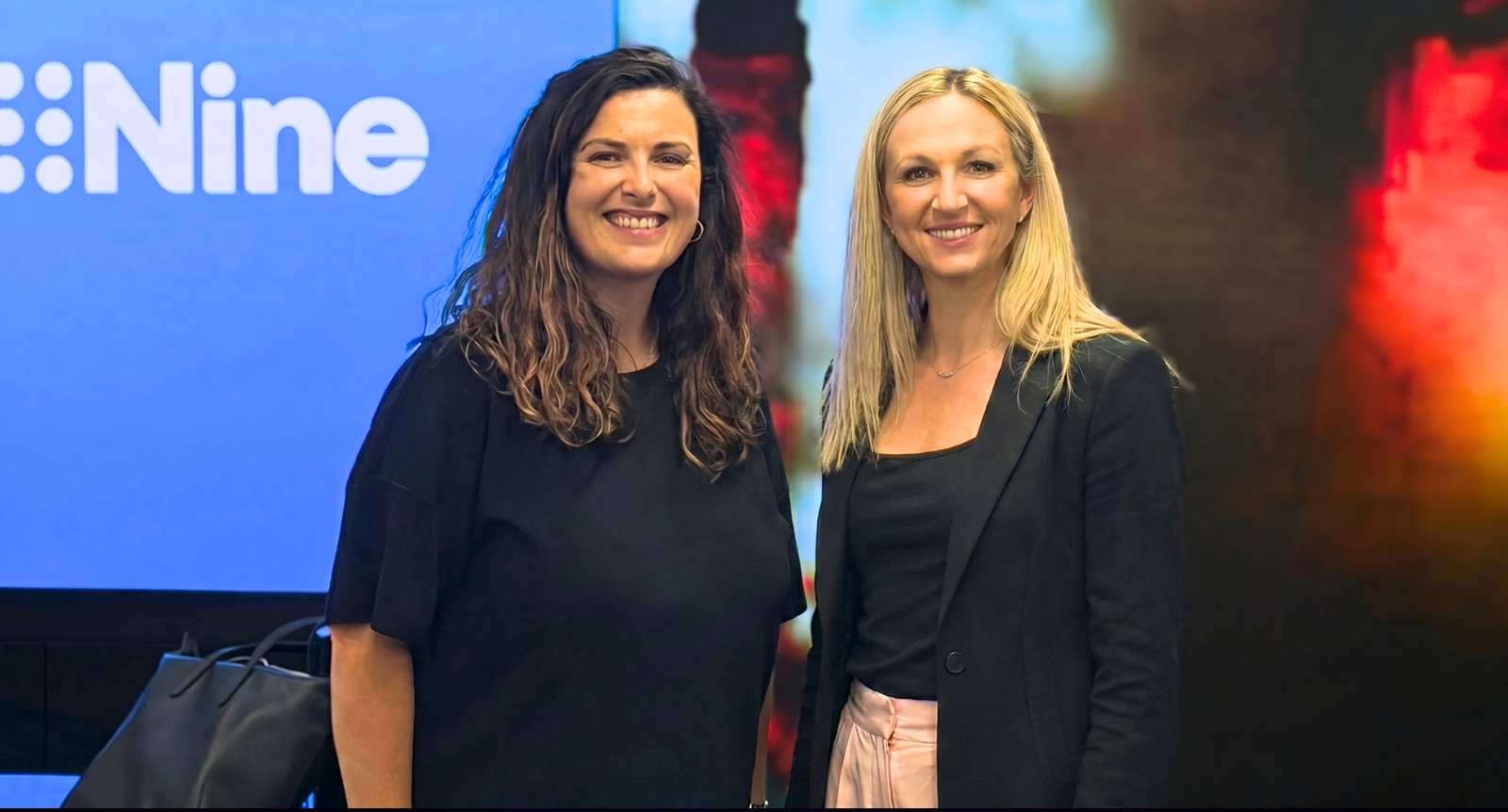
To unpack exactly how this technical wizardry works, we sat down with Julia Edwards, director of programmatic sales at Nine, and Maddy Mewing, director of platforms at Magnite, for Mediaweek’s Newsmakers podcast.
A monster first quarter of consumer hits created an equally massive stress test upon the ad tech stack at Nine. Edwards knows the sheer scale of this challenge firsthand.
“We call it the quarter of two quarters,” Edwards said during the podcast. “It has definitely been a remarkable first quarter. Obviously, from a 9Now perspective, we have dominated the key demographics. We have had major hits like Married at First Sight, Winter Olympics, Australian Open.”
Busting the black box myth
Packaging those premium viewers often leads marketers into the world of programmatic advertising, where they can reach audiences across multiple publishers in a more scalable and efficient way.
Mewing pushed back on the industry narrative that programmatic advertising remains inherently flawed.
“It hurts me when programmatic is said that it is a black box, because I think if you are with the right partners, that is not the case,” Mewing said. “At Magnite, one of our biggest mantras is transparency. We provide the technology, and the broadcasters use it how they would like it to be used.”
The challenge to media agencies
That direct relationship between publisher and tech partner provides the ultimate weapon for supply path optimisation. When multiple tech intermediaries clip the ticket along the way, working media budgets quickly evaporate.
Mewing laid down a direct challenge to media buyers who still rely on bloated multi-hop supply paths.
“Research shows that 50 to 60 cents of the dollar reaches the publisher,” Mewing noted. “So those intermediaries that come through there, I would challenge your agency: what are those values, who are they, and what are they charging? Demand that transparency so you ensure that all of your dollars are going towards your working media.”
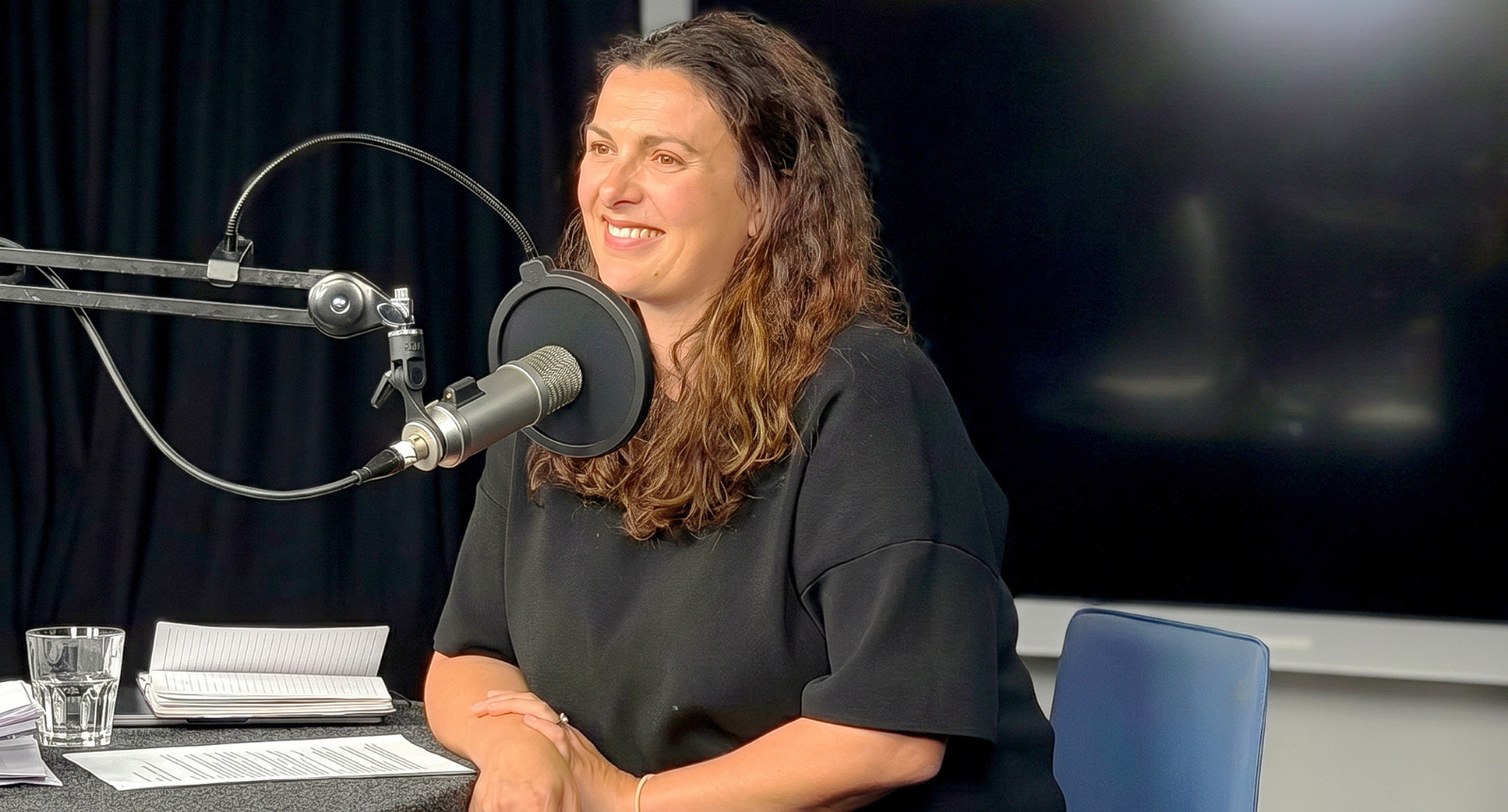
Maddy Mewing: “At Magnite, one of our biggest mantras is transparency”. Image: supplied
Taming the live sport beast
Standard digital campaigns afford buyers the luxury of time to calibrate pacing and delivery. Live sport operates in a completely different reality.
When a major game kicks off, millions log on simultaneously. This traffic surge forces the infrastructure to make split-second decisions without crashing.
“We are talking about bidders that work in milliseconds, right?” Edwards explained. “But a millisecond that has to go to the US West Coast and then come back to an APAC Singapore region to come back to Australia to make a decision in the middle of State of Origin, you have got to make that faster. Any delay is a missed revenue opportunity.”
This exact challenge is why Nine leverages Magnite’s purpose-built live infrastructure, which includes Live Scheduler.
The technology allows Nine to ingest metadata, forecast demand ahead of a big moment, and pre-position inventory rather than reacting blindly to a sudden traffic surge.
The agentic future of buying
The industry currently braces for incoming privacy changes and the rise of artificial intelligence. Consequently, the technical complexity behind the scenes only increases.
“The big buzzword at the moment is agentic, and how that will work within the programmatic ecosystem,” Mewing said, referencing the shift toward automated AI buyers and sellers. “Making sure that there is transparency across the funnel is very hard to just pick up and run. As these technologies mature, they have the potential to streamline workflows, improve decision-making, and unlock greater efficiency across the ecosystem.”
If the industry hands the keys over to automated agents, we’d be best reminded that the most resilient tool in a programmatic tech stack might not a piece of software. But a transparent, human partnership.
Listen to the podcast:
Feature image- Maddy Mewing and Julia Edwards: supplied.