



Culture Kings’ blueprint for kicking the retail sugar high
Culture Kings ANZ president Justin Hillberg speaks at Klayvio’s K:SYD 2026 on how the brand ditched discount codes for AI.

For the media and marketing industry, performance dashboards have created a dangerous paradox.
They offer an immediate, intoxicating hit of conversion data and return on ad spend (ROAS). However, a groundbreaking new study reveals these tools might be quietly hollowing out long-term brand equity.
Marketing effectiveness expert James Hurman and B2C CRM leader, Klaviyo have just released research titled, Sugar High! The sour truth about the real cost of discounting.
The global data proves a counterintuitive reality: brands that discount the most actually post the lowest growth rates.
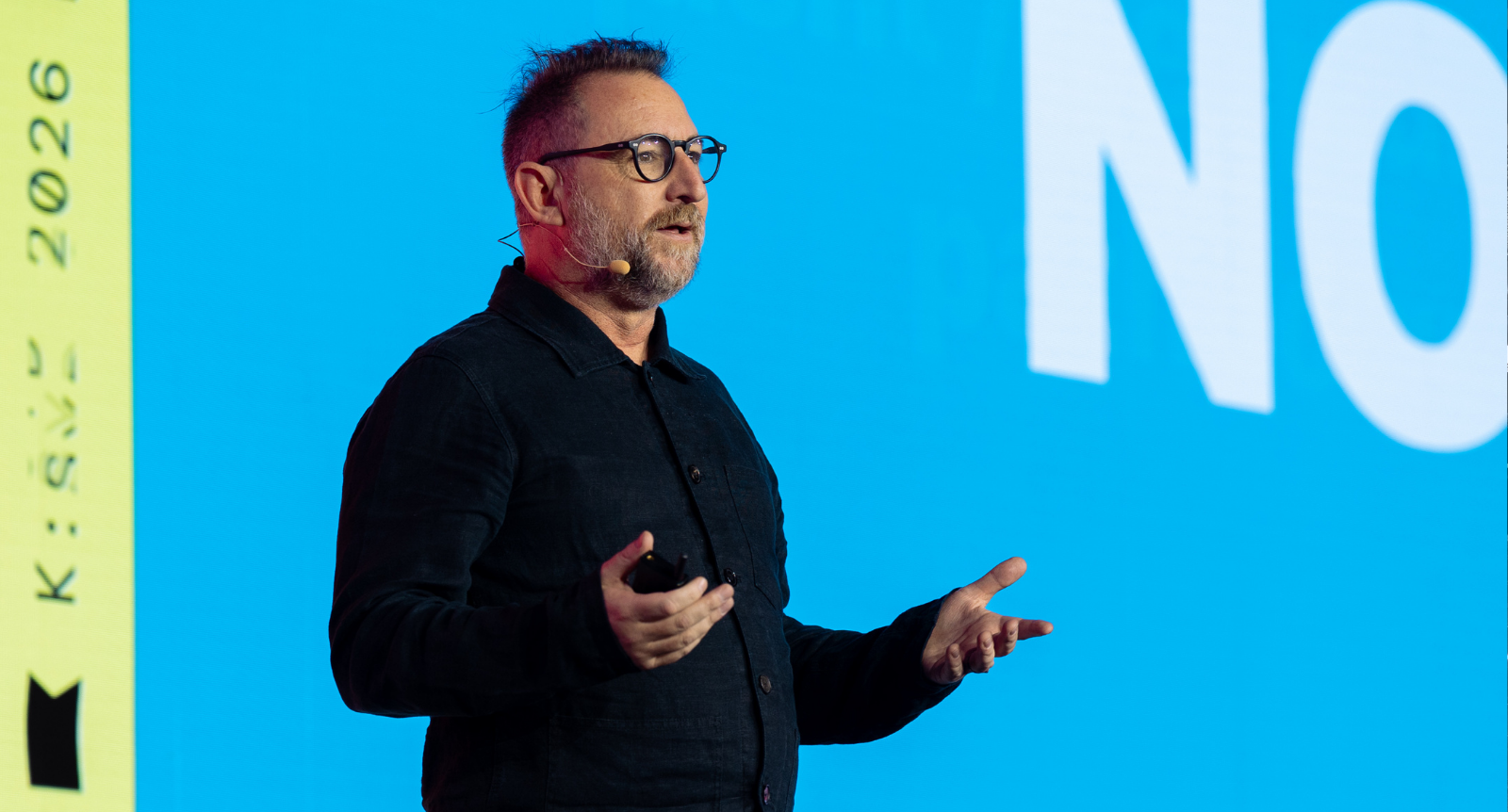 James Hurman led the panel, ‘Sugar High! The sour truth about the real cost of discounting’. Image: supplied
Depth and frequency of price-slashing correlate directly with profit decline.
But how do you break a marketing team’s dependency on the short-term dashboard rush?


The leading media trade publication in Australia.
Get our top stories straight to your inbox daily by signing up to our Newsletter
By providing your information, you agree to our Terms of Use and our Privacy Policy. We use vendors that may also process your information to help provide our services.
At the Klaviyo K:SYD 2026 event in Sydney, Culture Kings ANZ president Justin Hillberg took the time to chat with Mediaweek following his session.
Hillberg had just taken part in the panel called SUGAR HIGH! The sour truth about the real cost of discounting alongside Hurman (Previously Unavailable and Tracksuit) and Carla Penn-Kahn (Profit Peak).
We discuss how the streetwear giant survived its own post-pandemic promotional withdrawal, overhauled its internal marketing rhythm, and hooked its CRM up to generative AI.
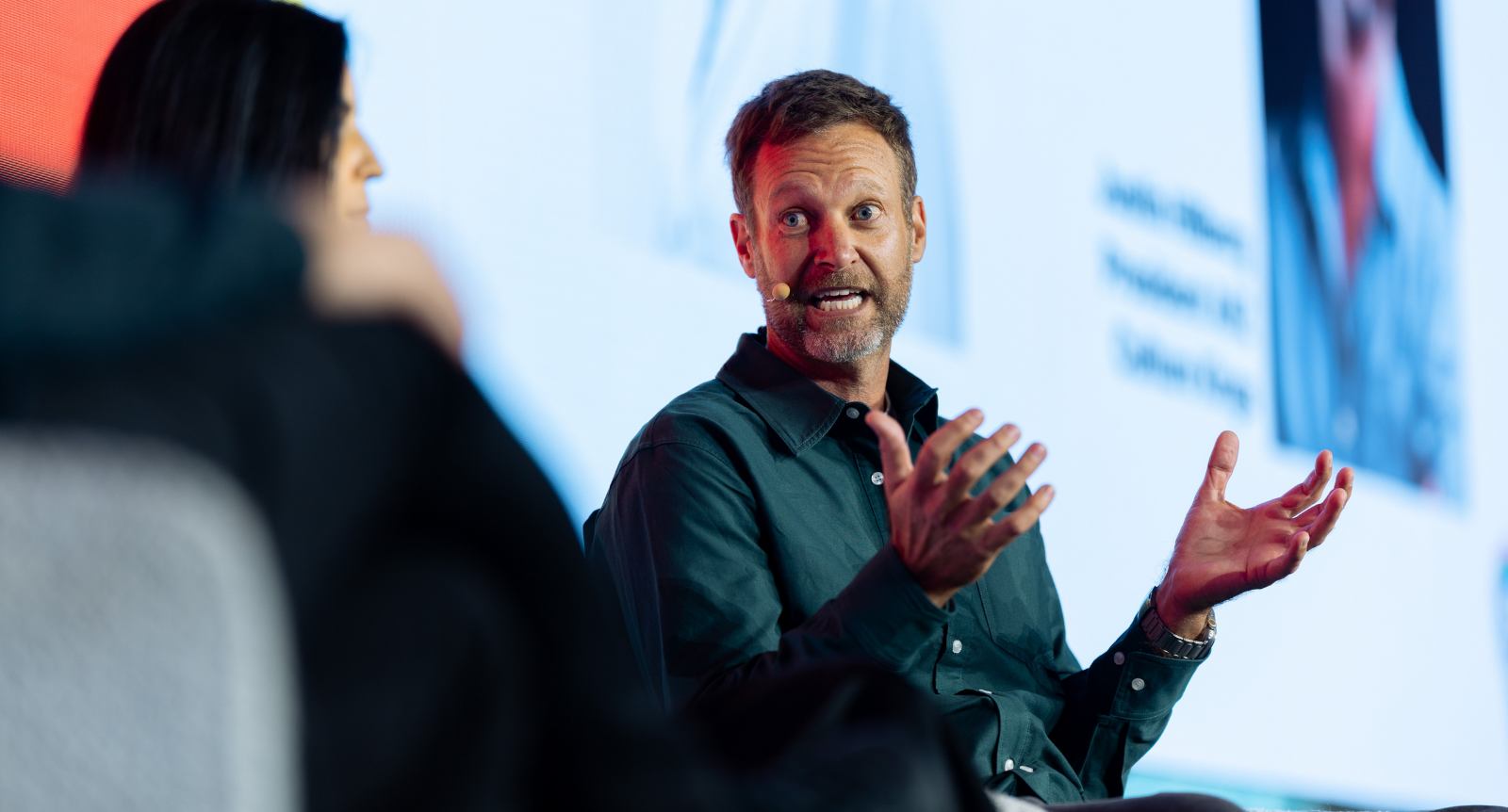 Culture Kings ANZ president Justin Hillberg. Image: supplied
Moving the needle from price to storytelling
Like many high-growth brands, Culture Kings faced massive inventory bloat after the pandemic boom, forcing the business into a heavy 18-month promotional cycle.
As a retail brand that built its reputation on premium hype, it was a risky play. To kick the habit, Hillberg did not just slash the sales calendar; he fundamentally shifted capital allocation into creative production.
"Brands that achieve good growth and have good product and marketing strategies, good content, and storytelling do not need to discount," Hillberg says. "We threw a chunk of last year into clean-up mode, but what we were doing simultaneously was building our own product, content, and marketing strategy to offset that heavy promotional activity."
Instead of treating in-house labels as standard private-label retail fodder, Culture Kings treats them like standalone media properties. The Brisbane-based digital marketing team runs distinct content footprints for different target audiences.
"We have got a trendsetting, maximalist brand where we specifically develop bespoke content, shoot dedicated campaigns, and run an entirely separate social strategy," Hillberg explains.
By trading promotional margin hits for aggressive content production, Culture Kings now sees significantly better sell-through at much higher margins. "We have got 40% less inventory, and we are more profitable," Hillberg notes.
Bypassing the agency bottleneck with AI
Perhaps the most fascinating insight for the modern marketer is how Culture Kings has restructured its digital marketing operation by weaponizing generative AI.
The brand has built a unified data lake in Snowflake, which Hillberg calls their DNA interface.
This interface houses data from Google Analytics, Klaviyo, and across their portfolio.
 Culture Kings gets into the F1 spirit in its Melbourne store. Image: Culture Kings
Sitting directly over the top of this ecosystem is Anthropic’s AI model, Claude, via Klaviyo’s new Model Context Protocol (MCP) connection.
The integration erases traditional marketing reporting lag, removing the need for teams to manually build retro-focal slide decks.
"It is like a supercomputer at your fingertips," says Hillberg. "The organisation has made a shift away from waiting for information to flow up from ground-level team members, to middle management, to senior leadership, and finally to executives. We can just get that straight up now."
For media leaders and brand managers who typically wait weeks for campaign reviews, Hillberg says the pace of change is dizzying. "We write a prompt that is less than one paragraph, and you get what you want straight away. What would traditionally take two weeks to run a deep analysis on a certain campaign or function, you can now get in a matter of minutes. It has massively sped up how quickly we can access insights to invest our future capital into."
The new human execution bottleneck
However, plugging a creative marketing engine into a data supercomputer has created an unexpected downstream impact for the marketing teams: a massive execution bottleneck.
The data arrives faster than human hands can build the assets.
"Initially, people felt nervous about AI taking their jobs. Now they are like, 'Shit, I am overworked,'" Hillberg jokes. "It has served up incredible insights, but we have a level of impatience around how quickly we can get stuff done. We still need humans to execute."
To solve this, Hillberg reveals the brand is already moving past simple data analysis and into the next era of ad-tech: AI automation agents. The goal is to offload repetitive deployment tasks to give human creatives their time back.
"The next phase is trying to get more productivity and actually getting AI agents to do things," Hillberg says. "We are already starting to explore how agents can grind out some of the more menial, repetitive marketing execution work so we can significantly increase our creative output."
For a media industry grappling with the balance of automated efficiency and creative storytelling, the Culture Kings roadmap offers a compelling blueprint: use data to protect the margin, use AI to kill the administrative bloat, and reinvest the savings into high-impact, experiential brand building.
Feature image- Justin Hillberg: file.
More from Mediaweek
The leading media trade publication in Australia.
Get our top stories straight to your inbox daily by signing up to our Newsletter
By providing your information, you agree to our Terms of Use and our Privacy Policy. We use vendors that may also process your information to help provide our services.

.png%3Fv%3D1790825914861&w=3840&q=75)
-1.png%3Fv%3D1790650590033&w=3840&q=75)

