

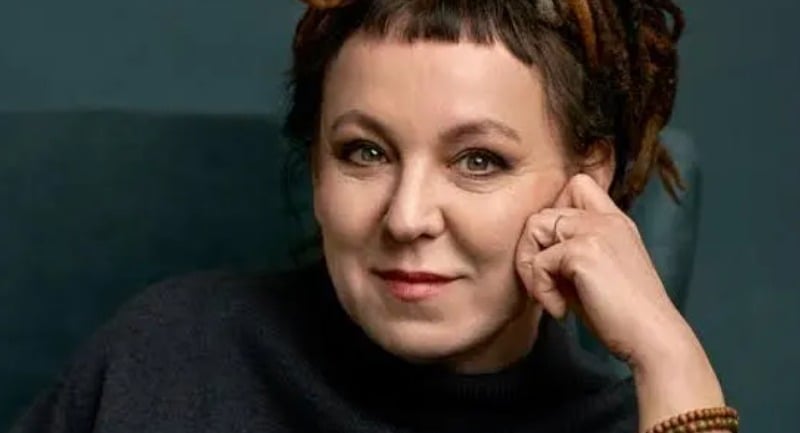
Polish writer Olga Tokarczuk has admitted to using artificial intelligence tools in her creative writing process, describing the technology as an “advantage of unbelievable proportion” for literary fiction.
Speaking at a recent event in Poznań, the Nobel Prize-winning author revealed she had used an advanced AI model while developing her latest novel, according to translations shared online by writer Maks Sipowicz on Bluesky.
“When writing my latest novel… I asked this advanced model what kind of songs my protagonists would be listening to at a dance, a few dozen years ago, and AI gave me a few titles,” Tokarczuk said.
“Often I just ask the machine, ‘darling, how could we develop this beautifully?’ Even though I know about hallucinations and many factual errors in the algorithms in terms of economics and hard data, I have to add that in literary fiction, this technology is an advantage of unbelievable proportion.”
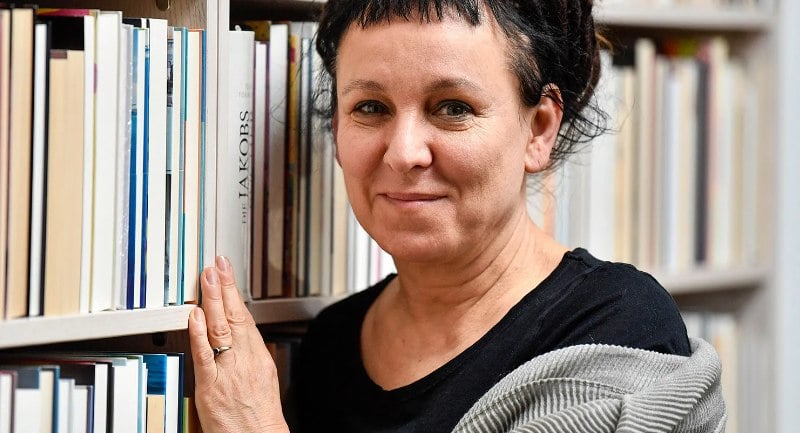
Olga Tokarczuk
‘A symbiotic future’
The comments position Tokarczuk among the highest-profile literary figures to openly acknowledge the use of generative AI tools in the creative process, as debate intensifies across the publishing and media industries over authorship, originality and disclosure.
Tokarczuk, whose works include Flights and Drive Your Plow Over the Bones of the Dead, suggested writers may ultimately embrace AI more readily than many other professions.
“Perhaps a symbiotic future and collaboration with artificial intelligence will help them,” she said in translated remarks.
“Contrary to fears, I believe that we writers, due to the specific nature of our craft, will most quickly and closely engage with tools like AI.”
“I bought myself the highest, advanced version of one language model, and I can be deeply shocked by how fantastically it expands my horizons and deepens my creative thinking.”
Readers turning away from ‘complex literary work’
As reported by Literary Hub, Tokarczuk also said her current project may be her last major work, arguing readers are becoming less interested in complex literary fiction.
She said she mourns the decline of traditional literary culture, but appears to have accepted that technological change and shifting audience behaviour are reshaping the future of writing.
Main image: Olga Tokarczuk