


The Walkley Foundation is facing a significant crisis after three of its most senior directors resigned abruptly this week. The exodus includes chair Adele Ferguson, former Gold Walkley winner Sally Neighbour, and Victoria Laurie.
As reported by the ABC, the directors exited following a breakdown in negotiations with the Media, Entertainment & Arts Alliance (MEAA) over the organisation’s governance structure.
The dispute centres on the balance of power between independent directors and the union. The departing board members claim the union is attempting to seize greater control of the Foundation.
A push for reform hits a wall
The resigning directors had spent the last year pushing for changes to modernise the Foundation. According to The Australian, they sought to professionalise the board structure based on external legal advice.
Sally Neighbour, who also stepped down as Chair of the Walkley Advisory Board, spoke directly to Mediaweek to explain the motivation behind the proposed changes.
“The Walkley Foundation was set up to be an autonomous body, and it is widely believed to be independently governed,” Neighbour told Mediaweek. “In fact, however, it is controlled by the media union, MEAA, and under its governing constitution, its governance is weak and dysfunctional.”
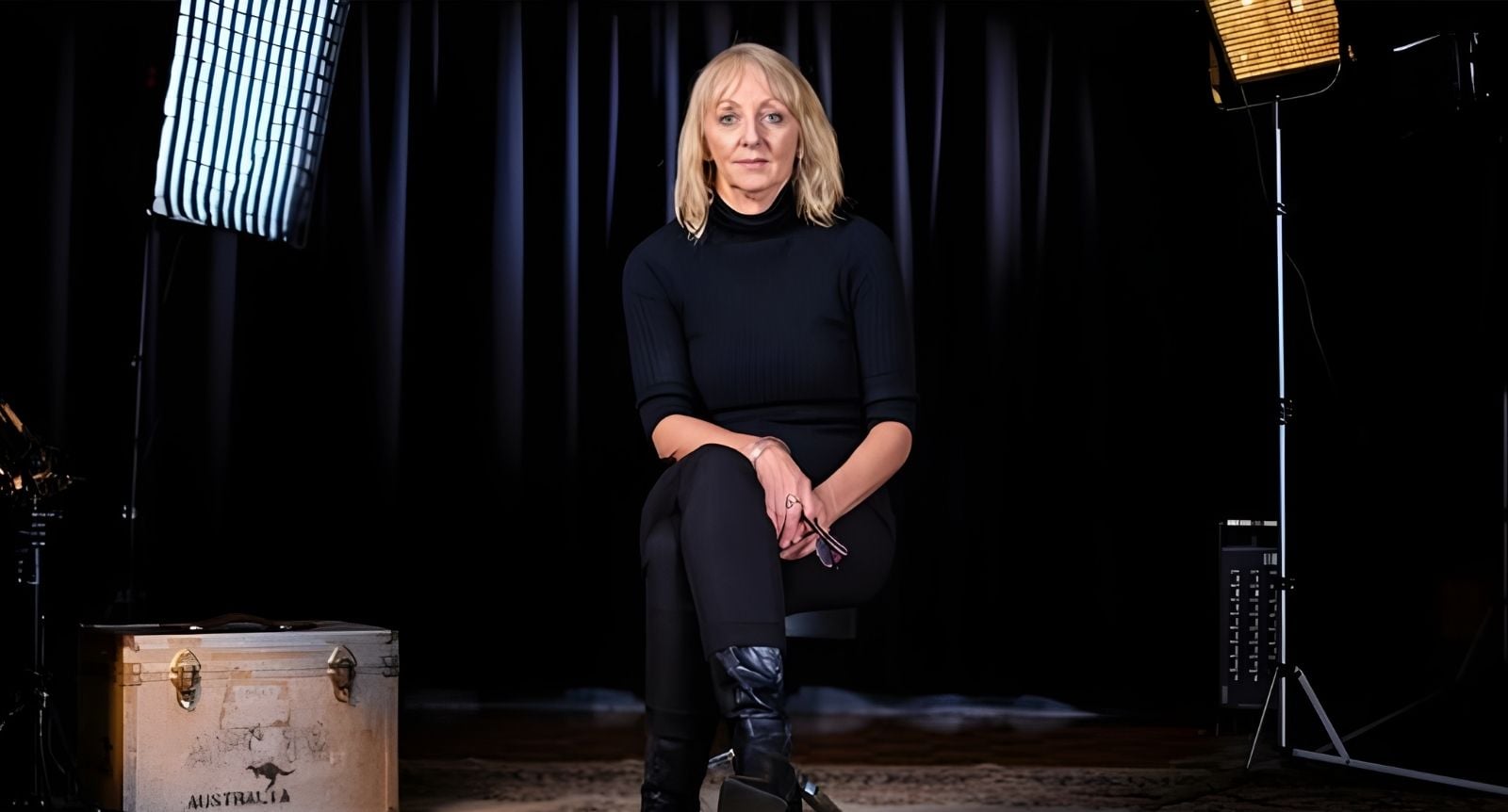
Sally Neighbour resigns from the Walkleys board, claiming its governance was deeply flawed.d
Neighbour noted that the push for reform was not a personal preference but a necessity. She stated that legal advice warned the current governance model “exposed the Foundation to the risk of serious reputational damage.”
The goal was straightforward. The independent directors wanted the Foundation’s internal processes to match the ‘excellence, professionalism and integrity’ of the awards themselves.
The union strengthens its grip
Negotiations collapsed when the MEAA presented a counter-proposal. Instead of increasing independent oversight, the departing directors argue the union’s plan would have done the reverse.
Neighbour described the union’s ‘final position’ to Mediaweek as a move that would ‘entrench and cement’ MEAA control. Under the new proposal, the union would introduce a new board position for itself. This would secure the union up to five spots on a board capped at nine directors.
“So MEAA would have an absolute majority on the Walkley Board,” Neighbour said.
She further criticised the proposal for failing to protect independent voices. Neighbour pointed out that the new constitution ‘does not recognise, define or protect the role of independent directors at all.’ She warned that under this model, the board could theoretically consist entirely of union representatives.

Adele Ferguson wins her second Gold at the 70th Walkleys before resigning from the board
Questions over tenure and independence
A key point of contention involves term limits. The Sydney Morning Herald noted that the dispute included disagreements over the length of directors’ terms. Neighbour highlighted a stark contrast in the proposed rules.
The union proposed limiting the tenure of the independent Advisory Board Chair to just two years. In comparison, union-appointed directors would face no such restriction.
“By way of contrast, under the constitution, MEAA directors may serve until they die, as long as they are re-elected to their union positions,” Neighbour observed.
She added that the proposal diminished the voting rights of the Advisory Board Chair. It would require the Chair to seek approval from union directors for reappointment, rather than the full Foundation board.
No misunderstanding
Incoming union-appointed director Michael Slezak suggested publicly that there may have been a misunderstanding regarding the negotiations. Neighbour swiftly rejected this characterisation.
“There was no misunderstanding,” Neighbour stated in her comments to Mediaweek.
“MEAA’s ‘final position’ would entrench and cement its control of the Walkley Foundation by enabling it to secure a controlling majority on the WF Board, undermining the Foundation’s autonomy and independence.”
For Ferguson, Neighbour, and Laurie, the situation left them with no choice but to leave. Neighbour concluded that she could not “honour my fiduciary duties in an organisation whose governance is so deeply flawed and which we are powerless to change.”
The Walkley Foundation now faces the task of rebuilding its leadership team in the wake of its 70th awards.
Main image: 70th Walkley Awards winners