

Ben White, general manager, transit, JCDecaux Australia
In the wake of the Federal Budget, which confirmed there will be no additional cost-of-living relief until 2027, it’s clear that financial pressure on Australian households isn’t easing. Bills are rising, rate anxiety remains high, and the weekly shop has become a budgeting exercise. Yet the latest UBS Evidence Lab consumer survey reveals something that cuts against the mood in many marketing conversations right now.
UBS Evidence Lab runs a quarterly survey of 1,000 Australians, tracking consumer sentiment and spending intentions over time. The latest results show that even under sustained financial pressure consumers aren’t pulling back. They’re adjusting what they spend and what they prioritise.
And that distinction matters for how brands think about visibility, value and media investment in 2026.
For marketers the tone has become cautious: tighter budgets, CFO scrutiny, and a general instinct to “wait for things to settle”. But the UBS data tells a more nuanced story about what Australians are actually doing.
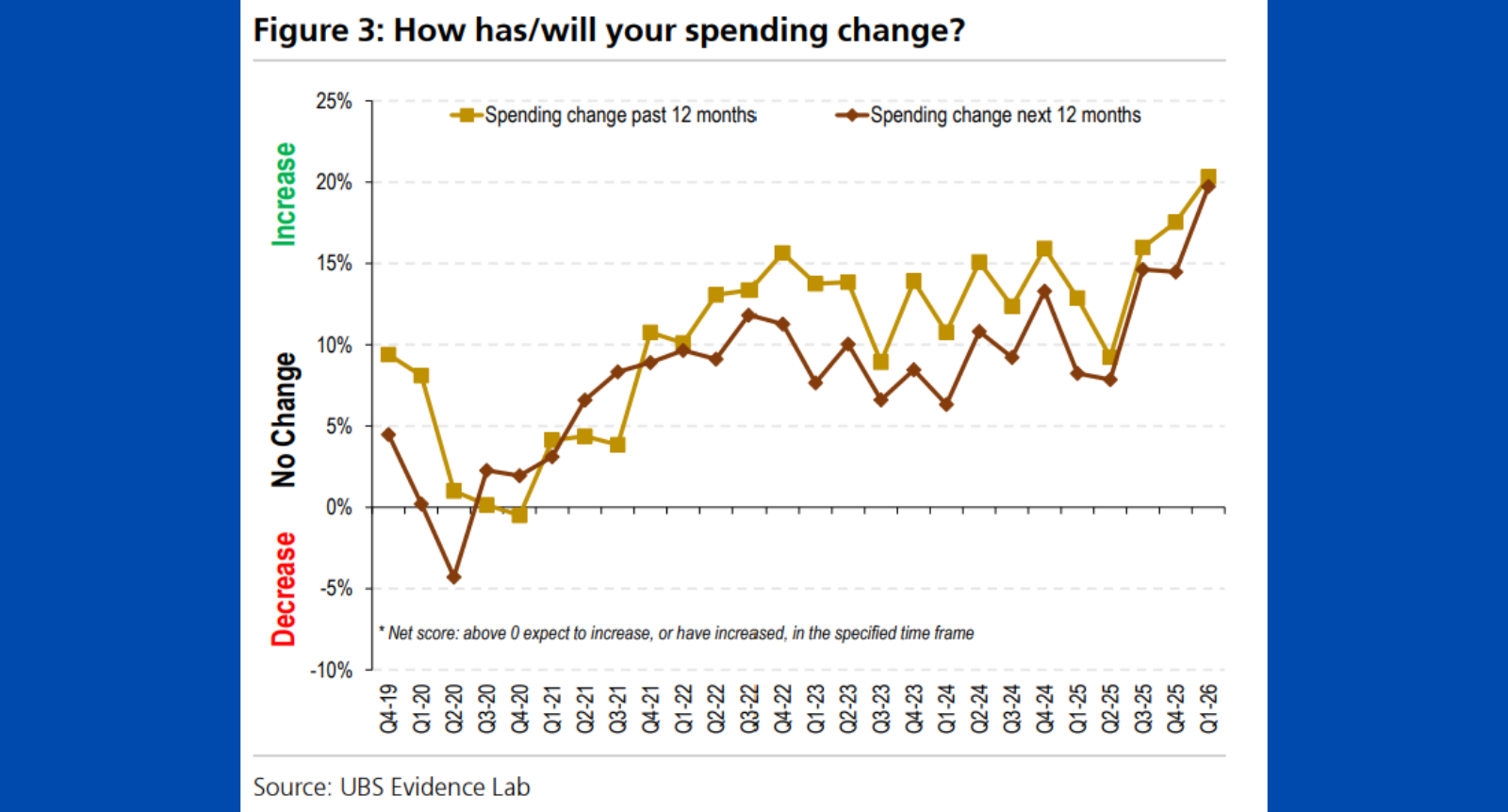
Net spending intent is at its highest level since the research began in 2019. Across all income groups, Australians expect their spending to rise over the next 12 months. This does not mean Australians want to spend more, it means they expect essentials to cost more. We’re not dealing with consumers who feel flush. People have recalibrated how they manage the household budget and are making more deliberate, thoughtful decisions.
Essential categories are where the real decisions are happening
The strongest spending is everyday essentials: groceries, fuel, utilities, healthcare and the services that anchor household life. These are the backbone of weekly spending and where consumers are paying closest attention to value.
Everyday brands are not stepping back from media investment. Supermarkets, energy retailers, health funds and comparison platforms recognise that people are scrutinising value, reassessing loyalty and weighing up alternatives. When consumers actively reconsider choices, visibility isn’t optional. It’s how you stay in the consideration set.
For consumers, these categories can feel like pressure points. For brands, they’re where consumers make the most important and competitive decisions. People are comparing more, switching more, and paying closer attention to value. In that environment, clarity and presence matter and being visible in the everyday environment helps people make those decisions with confidence.
Low-income households show cautious optimism
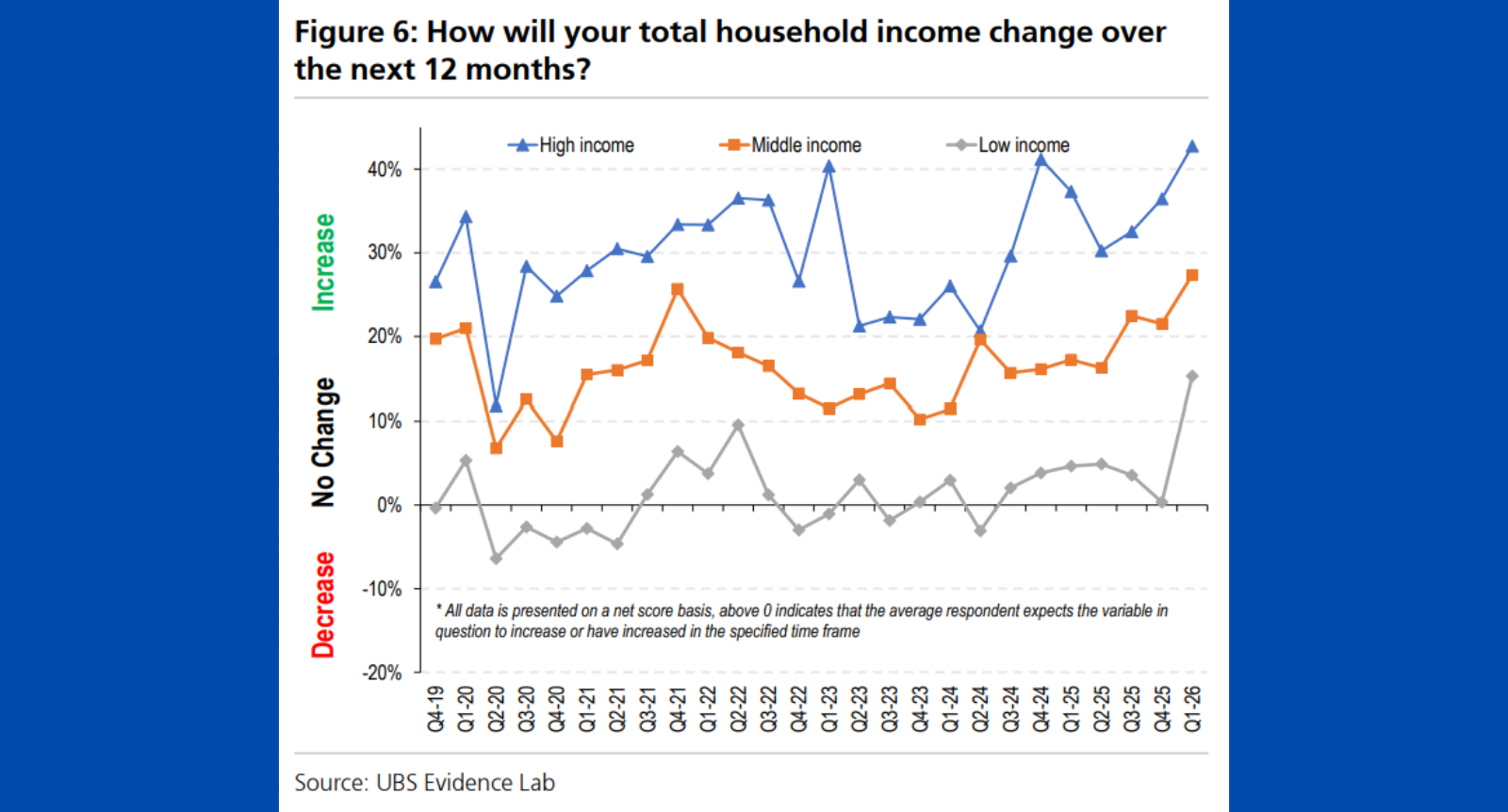
One of the most striking findings is the lift in optimism among low-income earners. Real wage gains, targeted government measures and tax changes are starting to show up in how this cohort sees its financial outlook.
This group is more positive about earning and spending than at any point since before the worst of the cost-of-living squeeze. And they are heavy users of public transport, buses, trams and trains, the environments where everyday brands compete for attention and trust.
High-income earners protect travel budgets
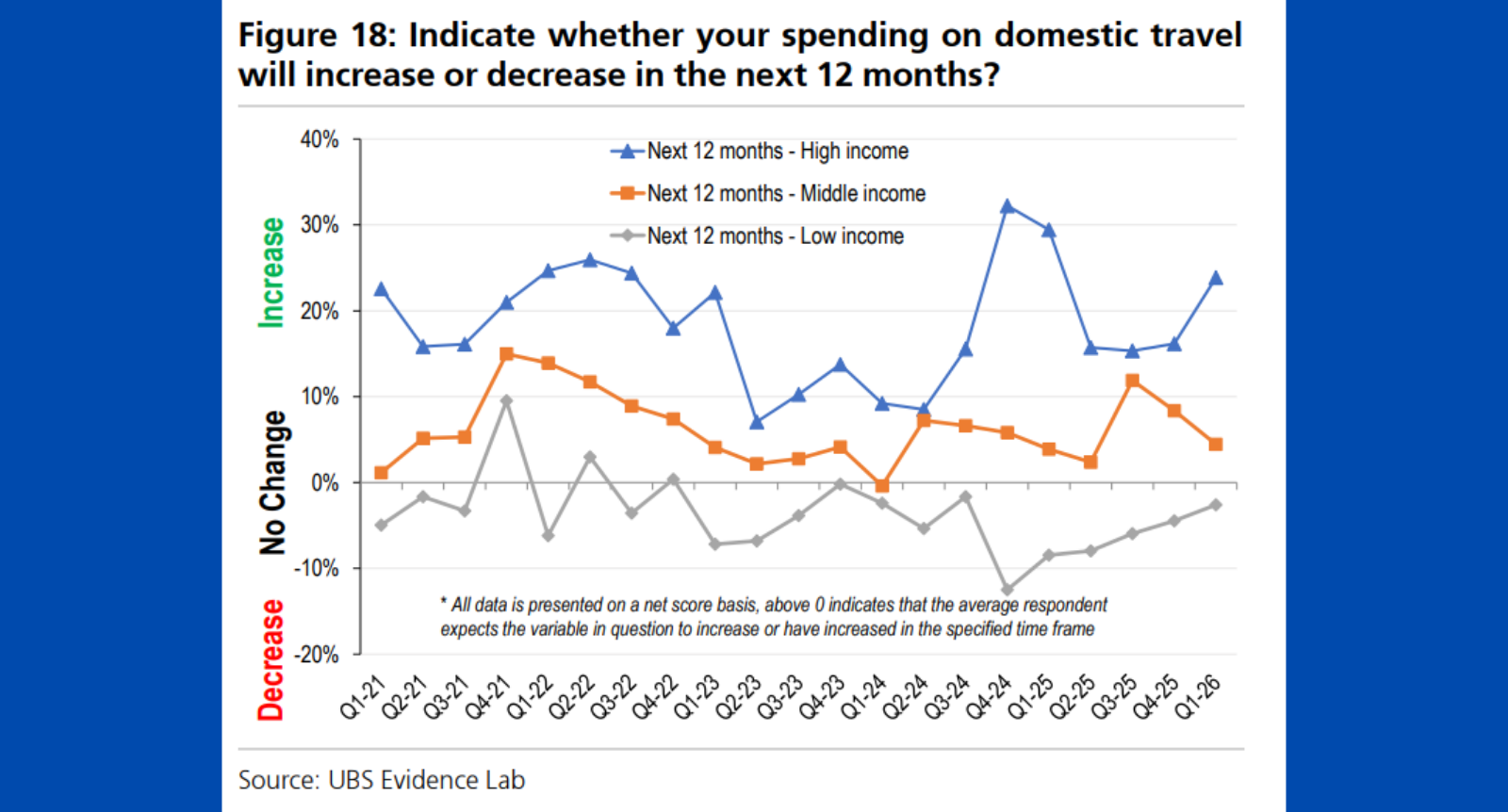
At the other end of the spectrum, high-income earners are especially bullish on travel. Many plan to cut other categories to protect their domestic and international travel budgets.
For airlines, tourism, hospitality, credit cards and financial services, this is a critical window. These customers are researching, planning and dreaming now. Visibility during the planning phase matters far more than visibility after the booking is made. Transit naturally reaches this audience in the city, on the commute and on the airport link in the moments when travel decisions are forming.
The property market is shifting
The government expects that tax reform will open the door to 75,000 first home buyers over the next 10 years. Banks, brokers and real estate platforms are operating in a market that is fast evolving. Staying visible where consumers debate these decisions keeps brands in the frame when the moment to act arrives, and that means being present in the suburbs and corridors.
The brands that win the next 12 months won’t be the ones that went quiet and waited for perfect conditions. They’ll be the ones that stayed visible, communicated value clearly, and showed up where consumers make decisions.
For marketers, this is about showing up in the everyday environment with information that helps people make confident decisions. Those consumers are out there right now, moving through our cities with choices to make and brands to evaluate.
The practical question is, will you be there in front of them when it counts?
Feature image- JCDecaux transit: supplied.