

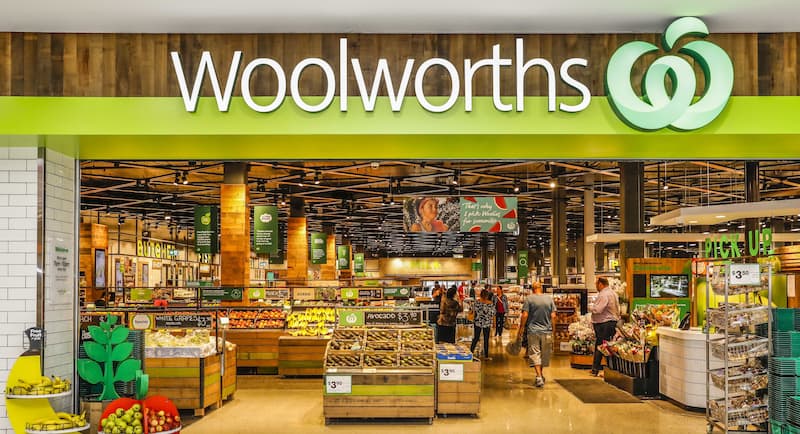
Woolworths is moving its digital assistant ‘Olive’ from answering questions to taking action, after signing a deal with Google to use the Gemini platform.
The supermarket group says the upgrade will let Olive plan meals and, with customer consent, add items to an online shopping basket. The feature is expected to go live later this year.
Unlike traditional customer service chatbots that mainly point people to links, the Gemini-powered Olive is designed to complete steps inside the shop. That includes building a list from a recipe and adding the items to cart.
• Meal planning and basket-building: shoppers can ask Olive to create a weekly meal plan and add ingredients to cart.
• Recipe-to-cart: shoppers can upload a photo of a handwritten recipe, which Olive can interpret to identify ingredients.
• Loyalty-aware prompts: the assistant is expected to surface specials and apply relevant rewards-member discounts as items are selected.
What Olive won’t do
Your cooking or your taxes (although give it a few years).
Woolworths said it’s drawn a line at fully automated purchasing. A spokesperson said Olive will be able to place items in a basket, but not complete a purchase automatically.
That distinction matters as global platforms push further into “agent-led” commerce, where AI assistants can recommend products and, increasingly, enable checkout within chat experiences.
Why this matters to retailers and brands
AI agents raise a strategic question for retailers: who owns the customer interface when shopping starts in a chatbot rather than on a homepage or app?
For Woolworths, keeping Olive within its digital environment could help preserve loyalty, engagement, and promotional visibility, even as consumer behaviour shifts.
Amanda Bardwell, Woolworths Group chief executive, said the partnership would change how customers interact with the supermarket online.
Speaking to the AFR, she said: “We are evolving our digital shopping assistant Olive into an intuitive partner that won’t just answer questions, but actually anticipates your needs – planning meals based on what you love and spotting the specials that matter,” and added: “This is a practical innovation that’s all about us … making shopping that little bit easier to give you time back in your day.”

Amanda Bardwell
Craig Woolford, an analyst at MST Marquee, said the upside will hinge on how comfortable customers are with AI acting on their behalf. “It will potentially save them time and make the specials more visible, but it really depends on the uptake.”
Google’s pitch: from answers to actions
Google Australia managing director Melanie Silva framed the launch as part of a wider shift from AI tools to AI agents.
“We’re moving into the era of the ‘AI agent’,” she explained to the AFR. “That sounds technical, but it’s actually pretty simple. Up until now, AI has been great at giving you information. Agents are all about doing something with it,” adding: “It’s the difference between a tool that just answers a question, and a helper that thinks one step ahead to actually help you get a job done.”
Consumer comfort is improving, but not universal
Industry research suggests openness to AI support in grocery contexts is rising, particularly for meal planning and budgeting. PwC’s 2025 Voice of the Consumer work indicates that roughly half of consumers are comfortable using generative AI for grocery and meal planning, highlighting both the opportunity and the adoption hurdle.
For Woolworths, the immediate test will be whether customers see the new Olive as a genuine time-saver, or another layer between them and the trolley.