


Taylor Swift moves to trademark her voice and image as AI threats mount
The pop superstar has lodged three trademark applications.

Taylor Swift is taking an aggressive new legal step to protect her likeness in the age of artificial intelligence, filing trademark applications covering both her voice and visual identity in the United States.
The filings, first reported on US trademark attorney Josh Gerben's blog, mark a significant escalation in how high-profile talent is attempting to combat AI-generated impersonations - shifting beyond traditional copyright protections into trademark law.
The pop superstar has lodged three trademark applications: one tied to a specific image of her performing during the Eras Tour, and two covering audio clips of her voice.
The selected image depicts Swift on stage, “holding a pink guitar, with a black strap and wearing a multi-colored iridescent bodysuit with silver boots,” a visual already familiar to fans from promotional material tied to the Disney+ Eras Tour film.
On the audio side, Swift is seeking protection over phrases including “Hey, it’s Taylor” and “Hey, it’s Taylor Swift,” originally recorded for Spotify and Amazon Music promotions tied to her album The Life of a Showgirl.
The move follows a wave of AI-generated content involving Swift -from explicit deepfakes to a fabricated political endorsement urging voters to back Donald Trump - highlighting the growing reputational and commercial risks facing global talent.
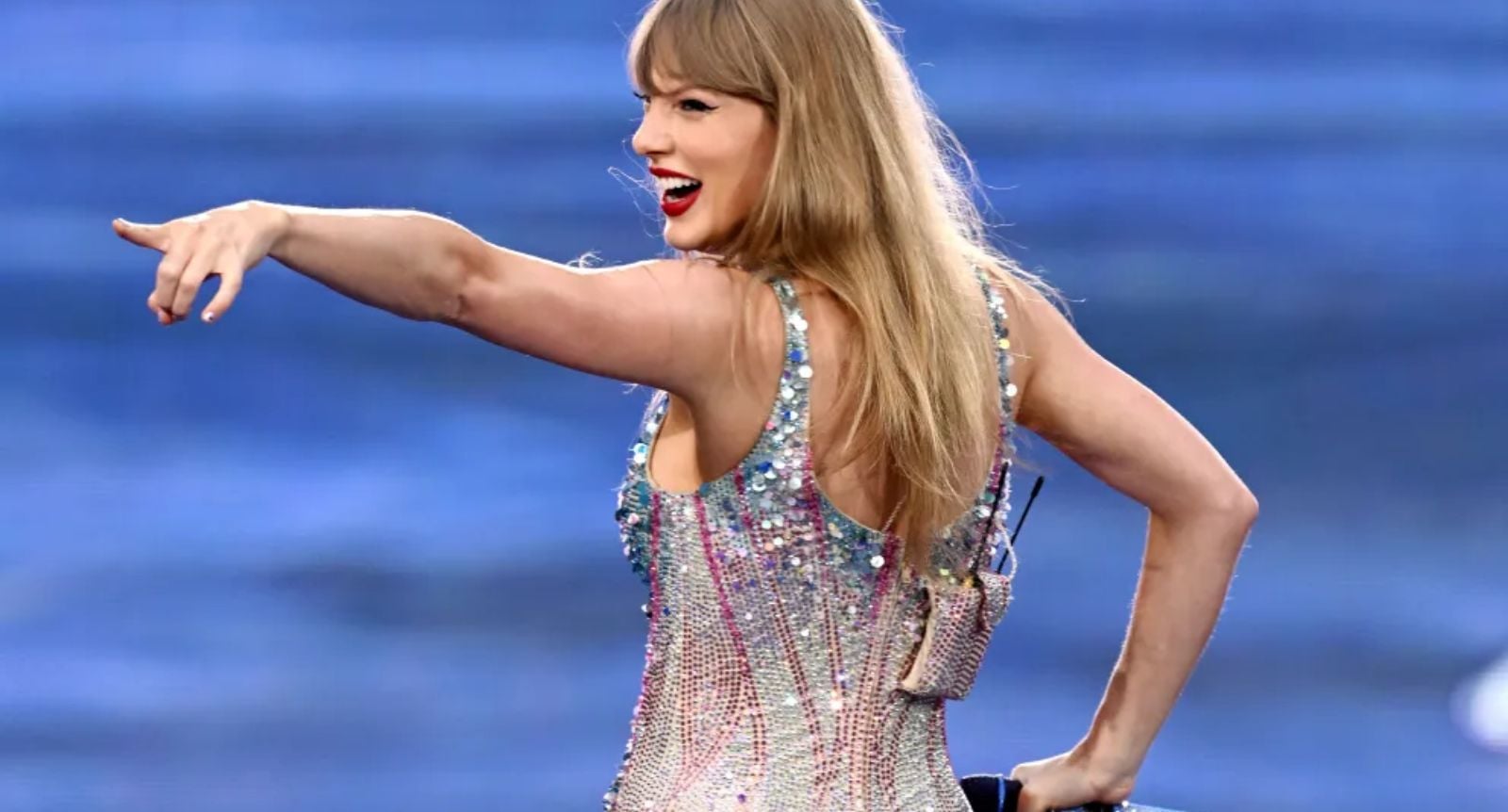 Taylor Swift


The leading media trade publication in Australia.
Get our top stories straight to your inbox daily by signing up to our Newsletter
By providing your information, you agree to our Terms of Use and our Privacy Policy. We use vendors that may also process your information to help provide our services.
Trademark law emerges as a new weapon
According to Gerben, Swift’s approach signals a broader shift in how intellectual property law is being used to address AI.
“The concept of protecting sound as a trademark is not new, though it remains relatively rare,” Gerben wrote, pointing to established examples including Netflix’s “tu-dum” and NBC’s “chimes.”
“That said, attempting to register a celebrity’s spoken voice is a new use of trademark registration that has not been tested in court before.”
Historically, artists have relied on copyright to protect recorded works. But as Gerben notes, generative AI changes the equation.
“AI technologies now allow users to generate entirely new content that mimics an artist’s voice without copying an existing recording, creating a gap that trademarks may help fill," he wrote.
Why “confusingly similar” matters
The strategic advantage of trademark law lies in its broader scope -particularly when it comes to imitation.
Gerben explained that by registering specific phrases tied to her voice, Swift could move beyond policing direct copies and instead challenge imitations that are “confusingly similar,” a key standard in trademark law.
In practice, that significantly widens the net. Rather than needing to prove an exact replica, Swift’s legal team could argue that any AI-generated content that sounds like her voice infringes on those trademark rights.
“Theoretically, if a lawsuit were to be filed over an AI using Swift’s voice, she could claim that any use of her voice that sounds like the registered trademark violates her trademark rights.”
The same principle extends to imagery.
By trademarking a highly recognisable performance look- down to the jumpsuit, guitar and pose - Swift’s team is effectively building a legal framework to challenge AI-generated visuals that evoke her likeness, even if they’re not exact copies.
“The image-based filing serves a similar purpose. By protecting a distinctive visual, down to Swift’s commonly worn jumpsuit and pose, Swift’s team may gain additional grounds to pursue claims against manipulated or AI-generated images that evoke her likeness," he wrote.
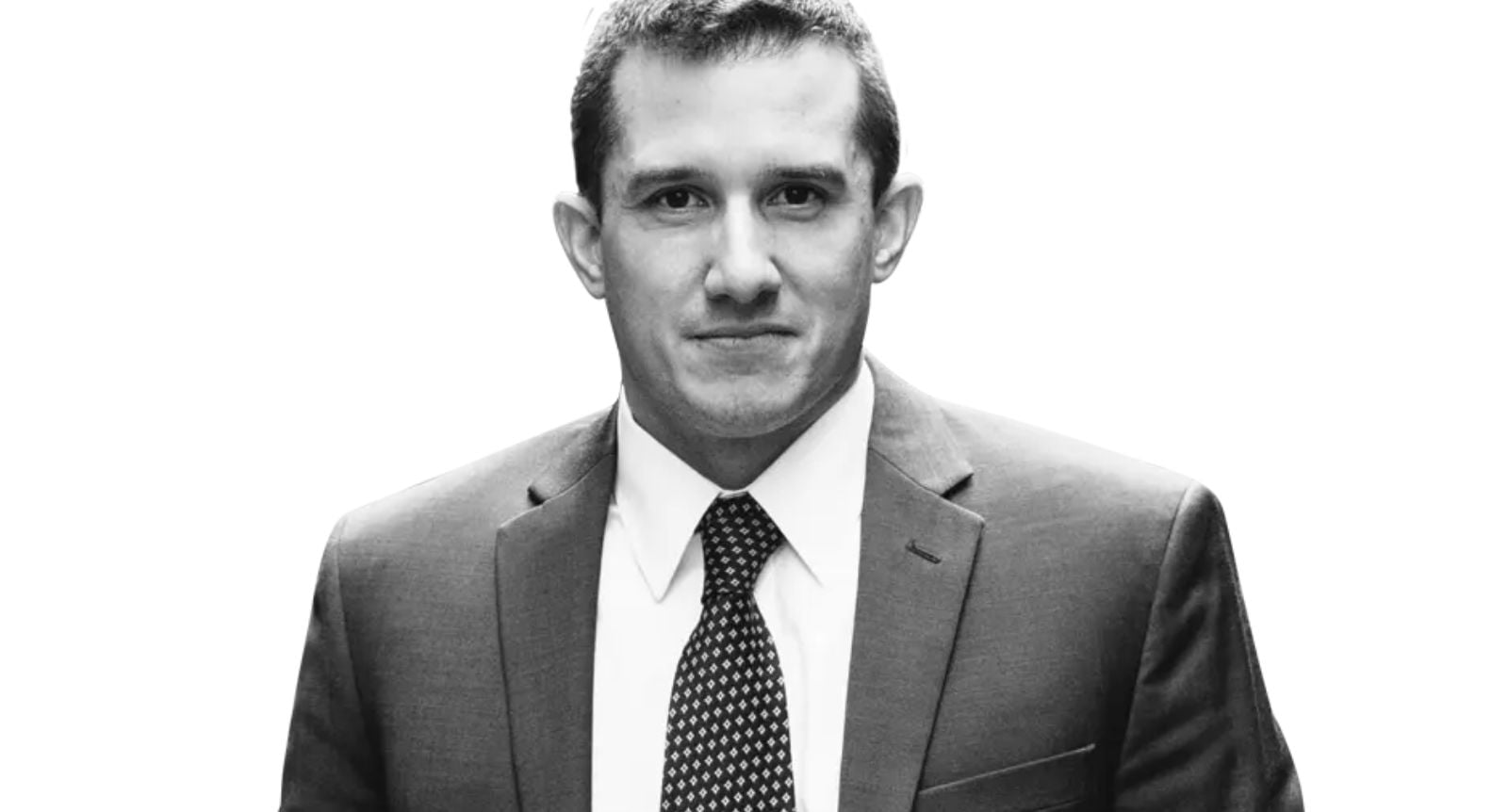 Josh Gerben, Esq.
A new trademark playbook for the AI era
Gerben argues Swift’s filings point to a broader reset in how intellectual property is being protected in the AI era.
Historically, artists have relied on a mix of copyright and publicity rights to safeguard their work and likeness. But as Gerben notes, that framework is no longer fit for purpose.
“Historically, artists haven’t used trademark law this way. Under US law, songs are protected by copyright. And someone’s likeness or image is protected by ‘Right of Publicity’ laws. But AI has broken that model.”
The issue is scale - and subtlety. AI-generated content doesn’t need to replicate an exact recording or image to cause harm, making traditional protections harder to enforce.
“Now, anyone can spin up a version of an artist’s voice, have it say anything, attach it to anything, and distribute it at scale. And the scary part? It doesn’t have to be an exact copy to cause damage.”
That gap is where trademark law is emerging as a more effective tool, particularly because it captures similarity rather than mere duplication.
Gerben said that's where trademarks come into play.
"Trademark law doesn’t just stop identical uses (like copyright law): it stops anything that is confusingly similar to the registered trademark. That’s a much broader right and more powerful tool in an AI world.”
Crucially, Gerben suggests the filings are not really about the specific phrases or images themselves, but about securing control over the broader identity they represent.
“So locking up phrases like ‘Hey, it’s Taylor Swift’ and ‘Hey, it’s Taylor’ isn’t just about those phrases. It’s about the voice itself.”
The same logic applies visually, with trademark protection extending to recognisable stylistic cues that AI could replicate.
“Same with the image filing. If someone creates an AI-generated version of Taylor in a jumpsuit with a guitar, or something close to it, now Swift has a federal trademark claim.”
Testing the limits of the law
Swift is not alone in exploring this strategy. Actor Matthew McConaughey, earlier this year, became one of the first high-profile figures to pursue similar protections.
But while the legal theory is gaining traction, its effectiveness remains untested.
“Ultimately, Swift and McConaughey’s recent trademark filings are testing new theories on how trademark law will work in the AI age.”
“But it remains to be seen if the filings will work as intended. A Federal Court will need a case to stress-test the legal theories behind the filings.
“That said, the legal theories behind the filings are strong.”
Main image: Taylor Swift
More from Mediaweek
The leading media trade publication in Australia.
Get our top stories straight to your inbox daily by signing up to our Newsletter
By providing your information, you agree to our Terms of Use and our Privacy Policy. We use vendors that may also process your information to help provide our services.


