

By Hugo Harris, head of Cognizant Moment APJ, and Professor Andrew O’Loughlin, director of engagement, innovation, Federation University.
AI is rapidly reshaping how businesses build, optimise and scale work and in modern marketing, it’s no different.
True competitive advantage stems from the ability to apply AI tools, connecting data with creativity, and translating insights into storytelling that delivers a seamless customer experience across every touchpoint.
But in an industry built on speed, agility and innovation, there’s a growing disconnect between the fast-evolving skills it demands and how those skills are developed.
Graduates are now expected to understand the full customer journey, the data behind it, and how AI can improve experiences in ways customers can actually feel. Yet few have had the opportunity to do this in environments that reflect how marketing really works today.
It’s not a talent problem. It’s a readiness problem.

Hugo Harris, Head of Cognizant Moment APJ & Professor Andrew O’Loughlin, Director of Engagement, Innovation, Federation University. Image: file
The gap is confidence and commercial acumen, rather than knowledge, and closing it will require education to move beyond the lecture theatre.
“AI is reshaping how we think, collaborate and act,” said Jessica Finn, ANZ industry lead – education, Cognizant.
“The real opportunity for higher education is to move beyond theory and give students the confidence to apply AI in complex, real-world environments, where data, creativity and human judgement must come together to deliver meaningful experiences.”
Applying AI to one of the world’s fastest marketing experience environments
As graduates are now required to hit the ground running, they need practical, real-world experience that mirrors modern business complexity.
In a classroom, ideas are theoretical. In a live brief tied to a global brand however, they have context, constraints and consequences.
Enter Formula One.
No longer just a sport, Formula One has expanded into a global ecosystem powered by a blend of entertainment, technology and brand storytelling at scale.
Every race weekend generates vast volumes of real-time data, every team operates as a high-performance content engine and every partnership is measured and activated across global audiences.
Critically, the fan experience is judged in real time across apps, broadcast, on-site moments, ecommerce and community.

Jessica Finn, ANZ industry lead – education, Cognizant. Image: file
For students, this presents a powerful testing ground for AI-led experience design.
That’s why, when the F1 season kicked off in Melbourne, Federation University students were tasked with a real industry challenge: how could AI help Aston Martin’s Formula One team deepen fan engagement and amplify brand storytelling in an era of sustainability and cost-conscious innovation?
The ideathon, in partnership with Cognizant and Aston Martin F1, was designed to tackle real challenges by applying AI on one of the world’s biggest stages.
For marketers, this is the kind of thinking the industry increasingly demands: the ability to blend creativity with data and strategy with execution to deliver one cohesive brand experience.
“In Formula One, innovation goes beyond the car, it’s how we engage fans and tell our story. AI is a powerful enabler of that,” said Mabel Dautzenberg, Aston Martin Aramco Formula One® Team, partnership lead.
“Programmes like this give students a real sense of the pace and complexity of our world, where success comes from combining technology with creativity and turning insight into storytelling that resonates.”
Why experiential learning is the future of education
An industry-embedded mode moves students beyond simply learning about AI to actively applying it under the real-world conditions of pressure and ambiguity in collaboration with others.
This matters, because the future of marketing and customer experience isn’t about knowing what tools exist, but how to use them to solve problems that don’t come with a textbook answer.
In this live case, the students used AI strategically to improve fan engagement in measurable ways, reduced friction or created better moments across the fan journey, operating within real-world limitations like budgets and sustainability goals.
All whilst navigating authentic collaborative dynamics like those in professional settings.
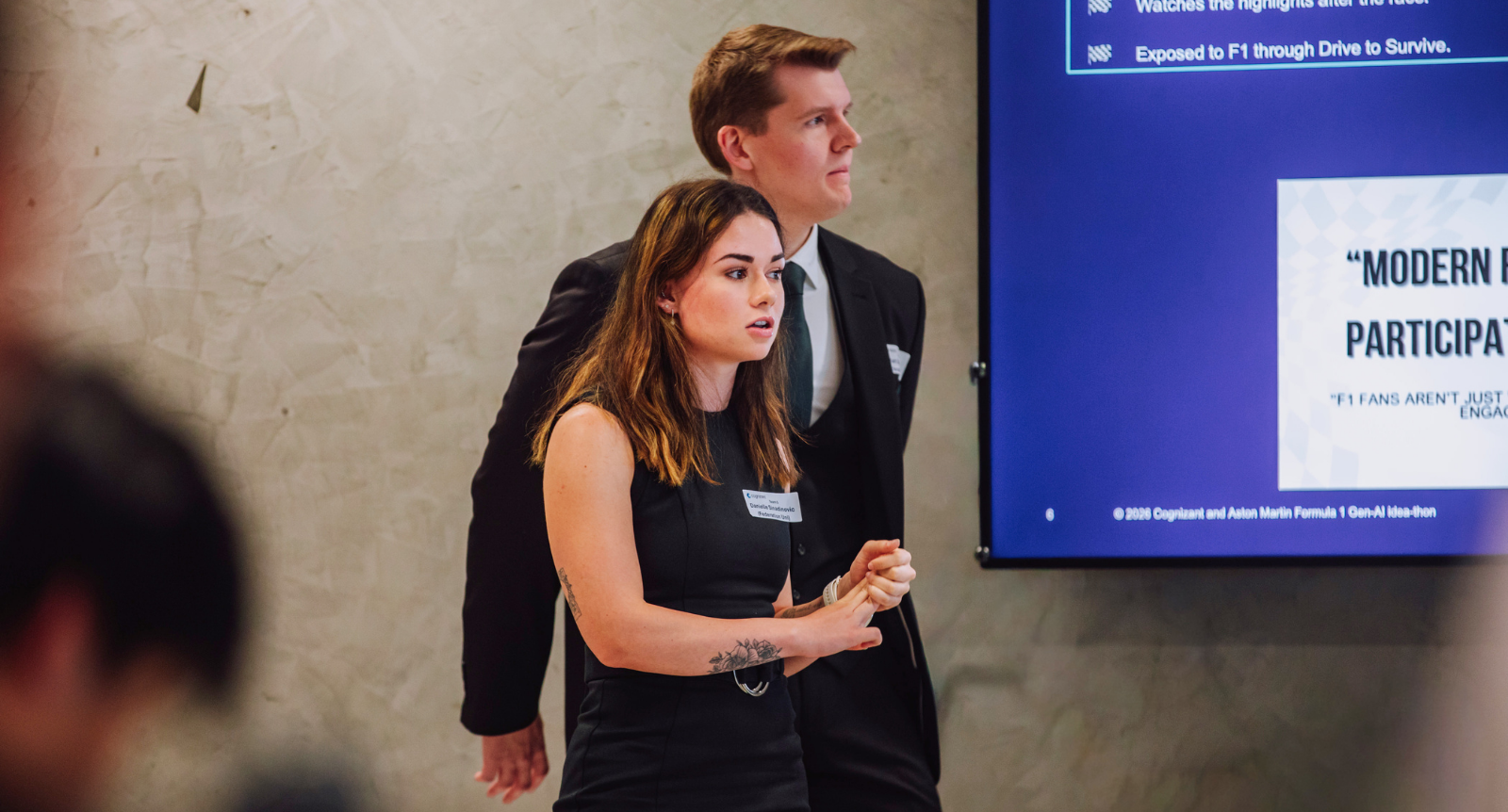
Matt Dobson and Danielle Sinadinovic, students at Federation University. Image: supplied
“We came up with an exciting idea of combining the hardcore analytics and statistics of F1 that fans love with accessible games, giving fans a way to engage in a fun and interactive way,” said Matt Dobson, Federation University student.
“Getting first-hand experience in how these businesses approach problems is massive for seeing the skills I can focus on to help myself stand out, including the human elements, and provide a meaningful impact on the industry.”
It’s initiatives like these that help to build capabilities that make graduates immediately valuable in industry, not just employable.
Collaborating to close the gap
For an industry that is constantly evolving, the implications are significant. Firstly, it highlights the growing importance of industry-education partnerships. Organisations that invest in shaping talent early will be the ones best positioned to access it.
Secondly, it reinforces a broader truth: the skills gap is not just an education problem, it’s a collaboration problem requiring deeper integration between universities, brands, agencies and technology partners.
Finally, it demonstrates the skills needed for graduates entering the workforce: applied AI capabilities, technical literacy and human skills such as teamwork, critical thinking and the confidence to work in fast-moving environments.
These human skills matter even more in marketing and customer experience roles, where trust, transparency and judgement shape whether customers accept AI-enabled interactions or not.
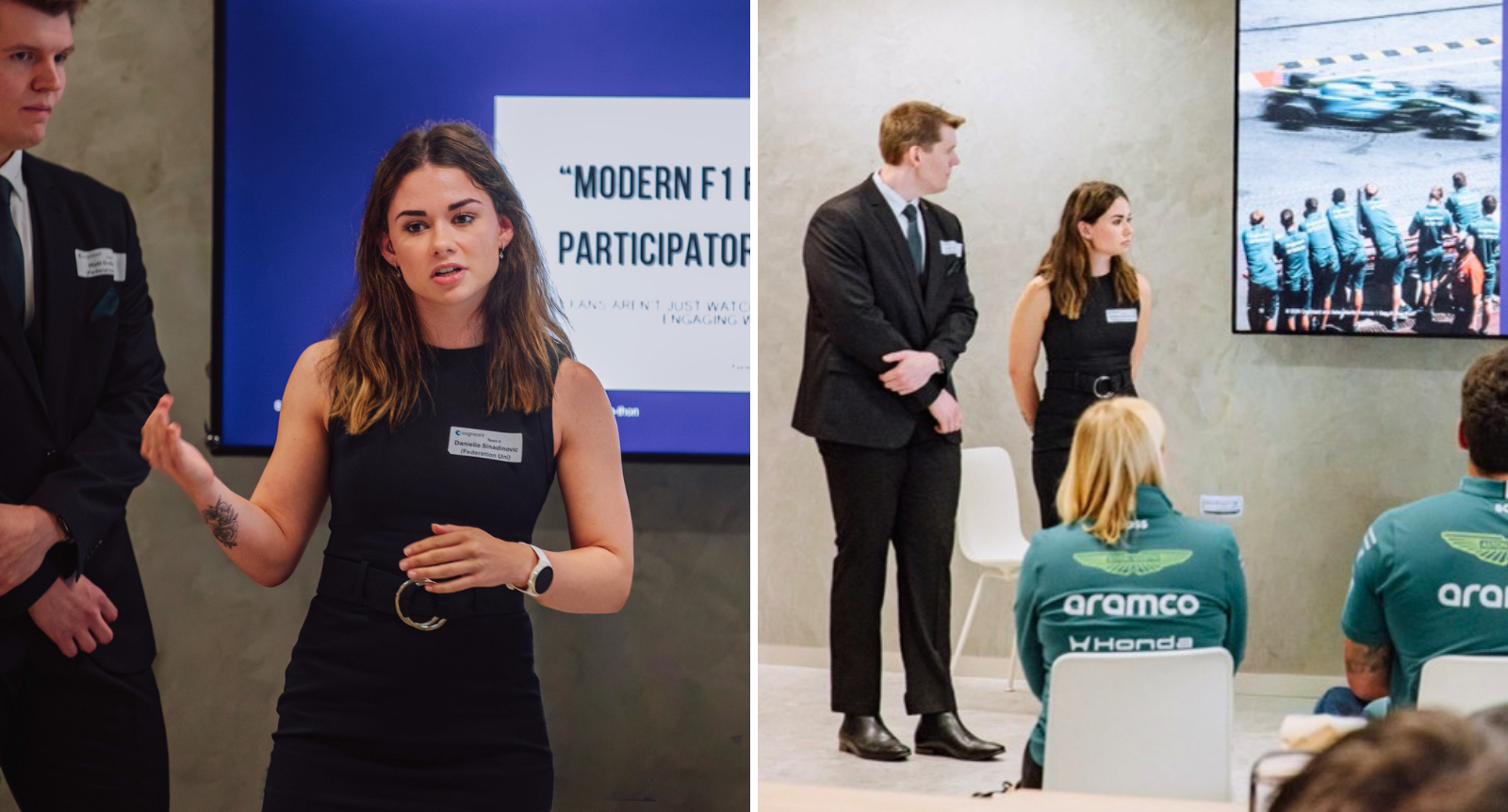
Matt Dobson and Danielle Sinadinovic in the classroom. Image: supplied
Rethinking the path from classroom to career
The media and marketing sector doesn’t stand still, and neither can the way we prepare talent for it.
Industry-embedded learning, whether through ideathons or on-the-job placements – including Federation’s unique Co-op model – offer a clear path forward.
It makes the expectations of the modern workplace visible, gives students a chance to build a portfolio of meaningful experience, and gives employers access to graduates who can contribute from day one.
More importantly, it signals a broader shift. The future of the industry won’t be defined by who understands AI in theory, but by who can apply it to design customer experiences that actually work, at speed, at scale and in the real world.
If we don’t rethink how we build that capability now, the industry won’t just face a talent shortage, it will face a relevance problem.
The journey from classroom to marketing career is no longer a slow burn. It’s more like Formula One, where the goal is to equip students to accelerate from day one.
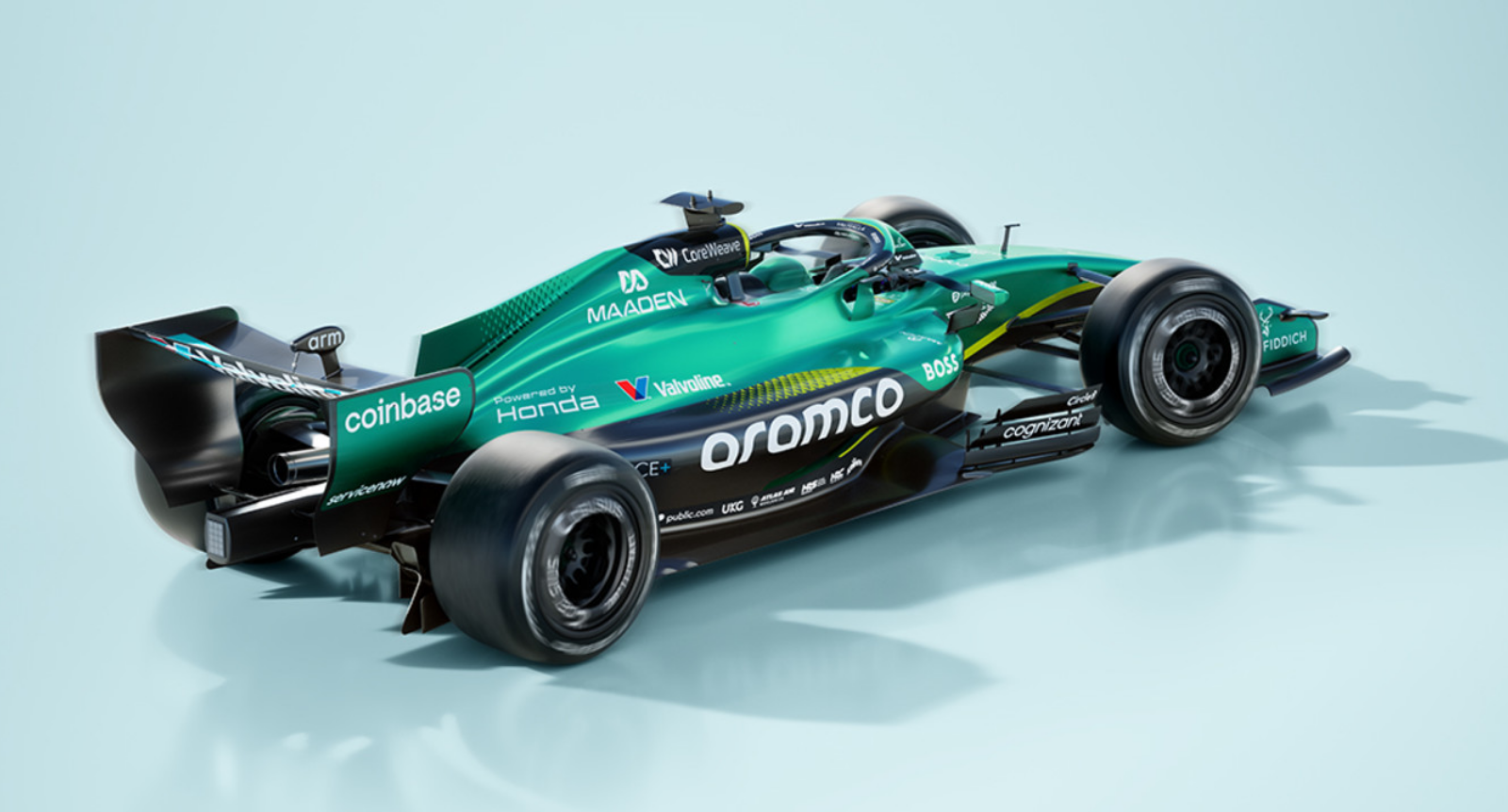
Feature image- F1 Aston Martin 2026 Livery: Aston Martin.