



Nine’s Nick Young unpacks an unlikely programmatic partnership
Nine and Seven cast rivalry aside to clean up their programmatic supply chain.

It’s not everyday that fierce competitors like Nine and Seven share a stage to announce significant industry collaboration. But when it comes to the programmatic supply chain, the two broadcasting giants have finally found common ground.
Last year, Nine's digital commercial director, Nick Young made industry headlines with a fiery critique of the programmatic ecosystem at the 2025 Future of TV Advertising conference.
Fast forward to this past week, and after wryly explaining that he has since made the appropriate apologies, Young and Seven’s national digital sales director Jordan King, are back on stage together talking up recent developments confirming they are teaming up on a programmatic joint venture.
The ultimate goal is to drive transparency and efficiency back into the buying process, so that more of every advertising dollar is directed towards delivery and advertisers can better measure the return on their investments.
In essence, pushing back against an arguably bloated supply path.
Interestingly, this collaboration is aided by the fact that the two executives are familiar colleagues. Young and King previously worked closely together for years steering Nine's digital sales, so they’re already familiar with each other's ad tech playbooks.
Speaking on that panel at the 2026 Future of TV Advertising conference, and in a subsequent interview with Mediaweek, Young unpacked the technical challenges of a system that currently features more than 50 intermediaries.


The leading media trade publication in Australia.
Get our top stories straight to your inbox daily by signing up to our Newsletter
By providing your information, you agree to our Terms of Use and our Privacy Policy. We use vendors that may also process your information to help provide our services.
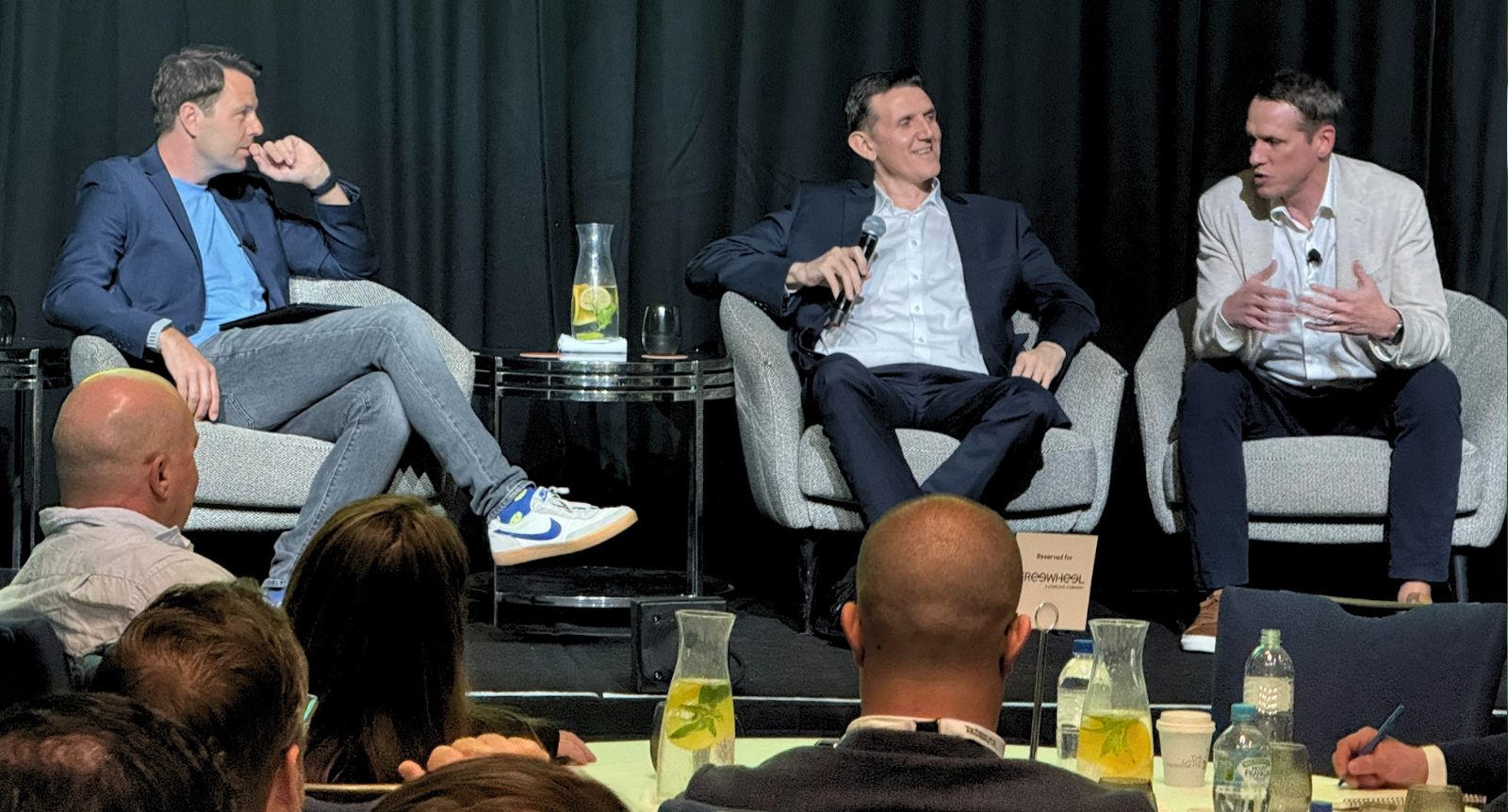 Nick Young talks programmatic as Justin Lebbon (left) and Jordan King (centre) watch on. Image: file
Fixing the broken supply chain
Young noted that while programmatic accounts for 60% of Digital Video Market, the current model leaks significant value.
"When we're getting 50 cents in the dollar, and another media owner is getting a hundred cents in the dollar," Young explained on the panel, "Before you even start, our inventory, and this is a technical term, is gonna look shit."
He went on to say that the sheer number of intermediaries reduces the final return on investment for publishers, making premium broadcast inventory look less effective to media buyers.
Young also pointedly called out the parity issues broadcasters face when competing against global digital platforms that bundle media assets with rich, first-party data.
He noted Amazon has already recognised this imbalance and built a product to address it in the US, but that it remains unavailable in Australia.
Taking aggressive individual steps
To stem the bleeding in the meantime, Nine has already taken aggressive individual steps. Young revealed that they have consolidated their Supply-Side Platforms (SSPs) and actively removed non-transparent partners from their ecosystem.
By dealing exclusively with transparent models and direct deals, Nine has managed to double its programmatic revenue in that specific pool over the past eight months.
Realising that a single publisher can only do so much to combat the global tech giants, Nine and Seven have found a way to collaborate. But it’s not a simple task in regulatory terms as they are direct competitors.
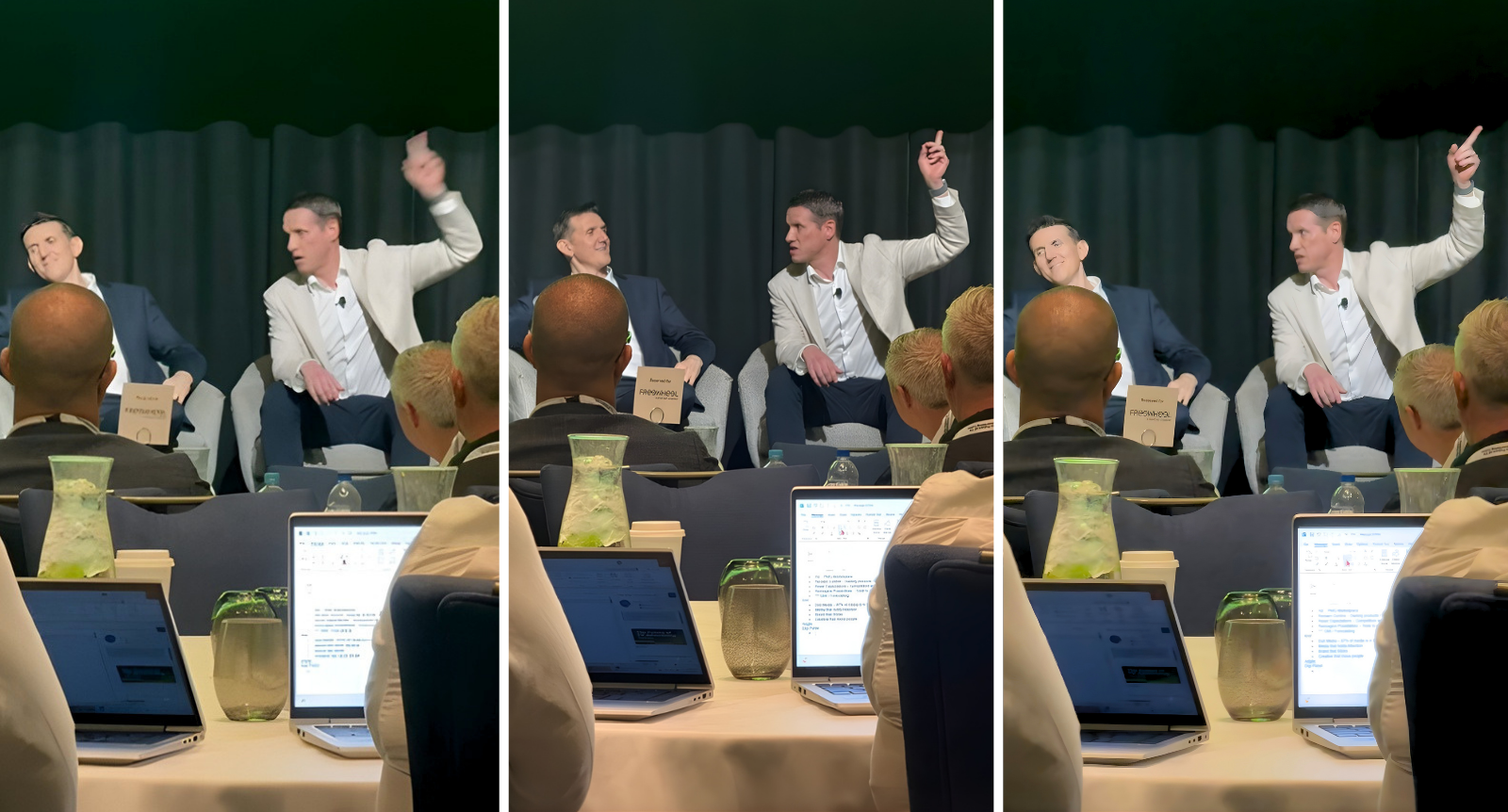 Nick Young has a programmatic point to make. Image: file
Evaluating live sport hurdles
Notwithstanding those difficulties, the networks issued a Request for Information (RFI) to 13 Demand-Side Platforms (DSPs) to evaluate crucial tech capabilities, including ID resolution, data privacy, and the specific treatment of live broadcast sports.
On stage, King said live sport presents a unique and massive hurdle for standard digital ad tech.
Young explained to Mediaweek that traditional ad servers are fundamentally designed to deliver campaigns evenly across a standard seven-day week.
Live broadcast audiences simply do not behave that way. When a live sporting event suddenly draws hundreds of thousands of concurrent viewers, standard ad servers struggle to keep up and fill the inventory during those instantaneous spikes.
The networks are now actively seeking tech partners capable of handling the immense scale of live broadcast without failing.
The green button reality
The industry has been buzzing about a unified green button solution, which would act as a single frictionless gateway where an agency could buy across multiple television networks at once.
However, Young cautioned that a magic button is just one of many possibilities currently on the table. He confirmed there are at least six different options being evaluated in the current RFI process.
Crucially, Young clarified that whatever solution is chosen, it will not result in a blended pool of competitor inventory.
"It's not a pooling of inventory type scenario," Young told Mediaweek. "We will always maintain our ability to have our own individual setups."
Broadening the tent to SVODs
While the two networks remain fierce rivals for advertising dollars and daily ratings, Young pointed out that collaborating on major infrastructure is not a new concept for the broadcasters.
"We've owned broadcast towers together, we've even owned helicopters together," Young laughed, pointing to their joint work in establishing industry bodies like OzTAM.
Tackling the ad tech layer is simply the next logical step.
Both executives expressed a desire to broaden the conversation to include other local premium video providers like Foxtel and SBS. However, Young explicitly broadened the horizon.
With global streaming giants aggressively entering the local ad tier market, he stated the invitation to collaborate extends to all premium video providers, be they BVOD or SVOD.
Ultimately, the networks are aiming for a simplified, unified buying experience. Programmatic television is a key part of the equation, but it is undergoing a much needed reset to clear out the wastage created by years of rapid growth.
"The core of what we're trying to do is create transparency and efficiency, by creating an ecosystem that puts more money towards working media because that drives a better result," Young said.
Feature image- Nick Young, digital commercial director, Nine: supplied
More from Mediaweek
The leading media trade publication in Australia.
Get our top stories straight to your inbox daily by signing up to our Newsletter
By providing your information, you agree to our Terms of Use and our Privacy Policy. We use vendors that may also process your information to help provide our services.


