

The Royal Commission into the Bondi terror attack has heard Elon Musk‘s X Corp argued footage of the Bondi massacre was “not any worse … than a gore movie.”
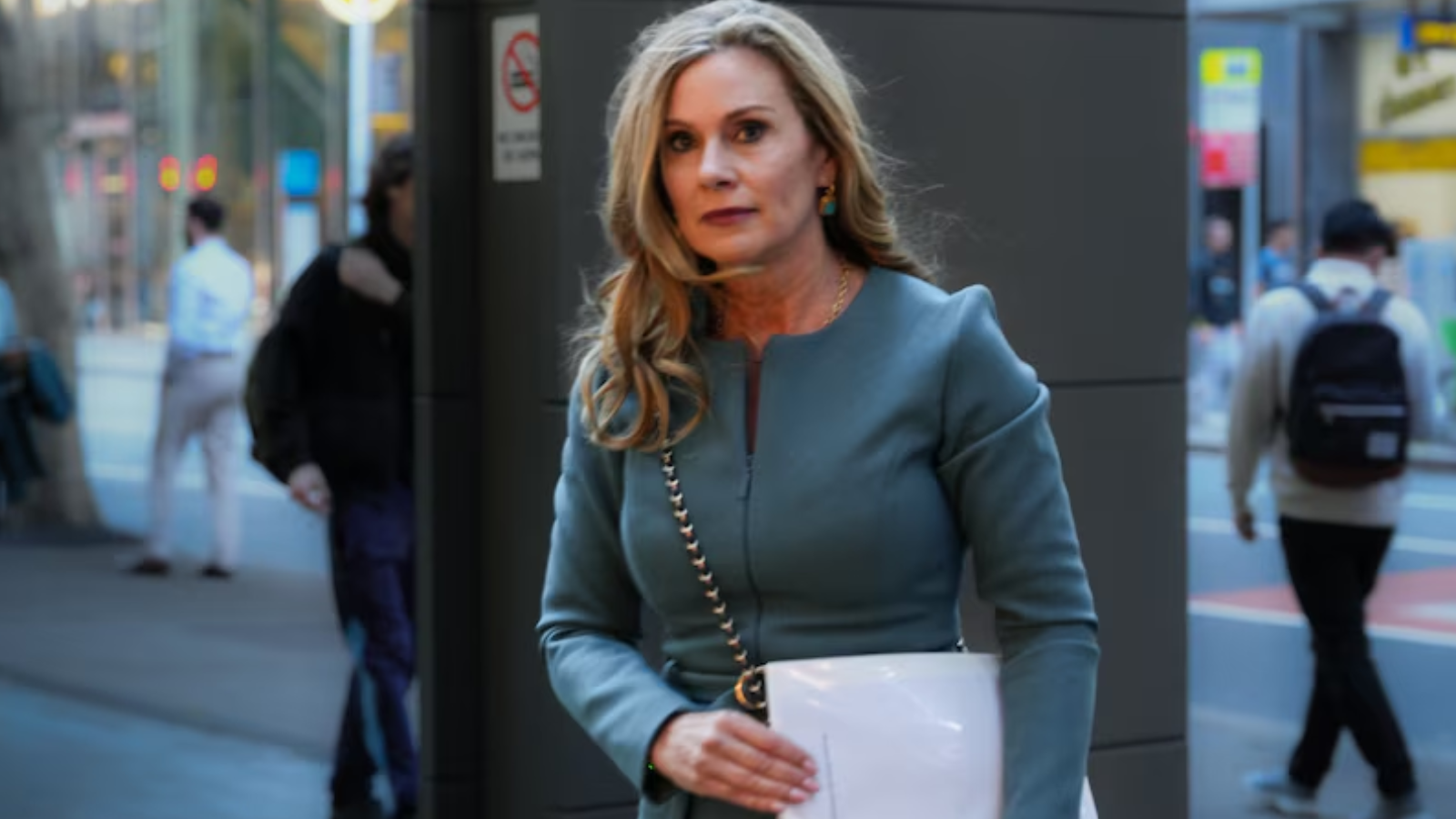
Called the Royal Commission on Antisemitism and Social Cohesion, the hearing received testimony from eSafety Commissioner Julie Inman Grant on Thursday.
She said that Elon Musk’s X Corp was fighting her office on three different take-down orders of violent content, including the killing of Charlie Kirk and the stabbing of a Ukrainian woman in the United States, the ABC reports.
“I would say that the willingness of the mainstream tech platforms to work collaboratively with us, even in a mass casualty situation, has changed somewhat,” Ms Inman Grant said.
“It was often [the case that] we find the content [and] we make the platforms aware of it and then they confirm that they’ve not just blocked those URLs, but any other variations.
“But now we’re at a place where the companies won’t just take our word for it when we say ‘this is [violent] content’.
“We fought hard against X in not allowing post-mortem Bondi content [and] they said it’s not any worse than you would see in a gore movie.”
“And I said, ‘I can’t think of anything more horrific for the family members in the Australian Jewish community.'”
Ms Inman Grant also confirmed that of the eight cases the regulator is now fighting with the social media platform, six have been instigated by X.
View this post on Instagram
Royal commission into Bondi terror attack looks at online hate
Mediaweek reported earlier this week that former Westfield co-chief executive Steven Lowy told the inquiry his family had faced more than 15,000 serious online attacks in a year.
The family has been forced to hire independent security to help monitor posts online.
The royal commission heard that the team identified 200 “persons of interest” and referred “in the order of” 30 or 40 to police.
The commission was shown evidence of Lowy, his wife Judy Lowy, and his father, Frank Lowy – a Holocaust survivor – being the target of horrific anti-semitic attacks.
Lowy expressed concern about a physical manifestation of the threats, and called for social media platforms to help prevent hateful content.
Arsen Ostrovsky, the head of the Australia, Israel and Jewish Affairs Council’s Sydney office, was injured in the Bondi attack. A photograph he shared online of his injuries head was manipulated and used to spread conspiracy theories.
Ostrovsky told the commission:
“And there were images, videos and material suggesting everything from that this was a false flag attack … that this wasn’t real blood, that it was ketchup. There were images of me holding a what looked like a Academy Award trophy, and many of these images, videos and material, are still online today.”
Over the next two weeks, commissioner Virginia Bell will hear more evidence from witnesses including academic experts, and social media company Meta.
Main image: Julie Inman Grant. Image: ABC