

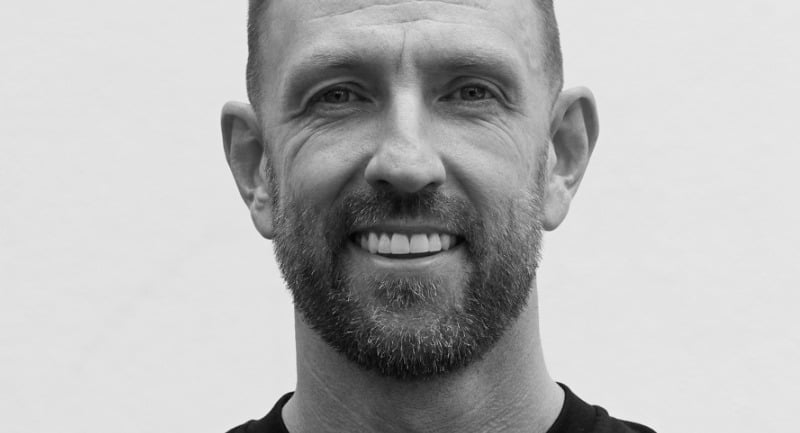
Kristian Waller, Chief Customer Officer, Rubii
My youngest son is learning to run. He’s just turned two, and more than anything, wants to keep up with his big brother, who at almost four years old, now moves at pace. His movements are awkward and clumsy. He falls, he runs into walls, bangs his head on any sharp corner he can find, but he keeps at it because he knows if he doesn’t learn, he will quickly be left behind.
I can’t help but feel a very similar situation is playing out across our media industry, albeit on a technological level. When it comes to understanding and adoption of AI tools, it often feels like everyone is charging ahead at speed. As someone who speaks frequently to business owners in this space, I can assure you the number of agencies still running their media operations through a series of spreadsheets is staggering.
But while 2025 was very much a year of awkward steps to understand what tools exist, there has been an undeniable shift in mentality this year. A genuine FOMO if you will. This desire to “level up” is leading more and more businesses to make the leap and deploy the right tools befit for a modern media model. One that enables businesses to finally scale smarter AND faster.
To understand what is truly going to accelerate your business requires diving in, which can of course be overwhelming. Earlier this year, Amazon Ads surveyed a number of Australian SMB marketing leaders regarding the adoption of AI tools. Eighty-seven per cent believed that AI will drive growth by freeing up almost a full day a week. Yet despite this positive perspective, 45% still feel overwhelmed by the number of tools available, and half don’t even know where to start looking.
We are hearing on an almost daily basis how holdcos are building something amazing (and if you believe them, now booking end-to-end with agents), but it’s not just agencies who are showing real intent to make significant changes to their capabilities. A recent IHAC report, Owning the Advantage: In-House Media’s Path from Pilot to Powerhouse, confirms nearly half (45%) of in-house teams are already investing in digital campaign optimisation tools, and a further 20% are planning to do so.
For some, system-led scale can sound like dehumanisation, but when you break it down, it’s actually the opposite. The best media teams aren’t necessarily deploying systems to replace teams; they are using systems to amplify them, to allow them to run at full speed, unshackled by manual workflows and legacy spreadsheets. By automating routine operational tasks, they free people to focus on what truly matters: the strategic and creative thinking that no system can replicate.
Of course, nothing comes without a cost, and yes, if you want your media team to have the best tools, you will need to invest. But that’s not to say you won’t see a return on your investment. The same Amazon report cited that SMBs also expect a 27% reduction in advertising costs over the next year, all of this is thanks to AI-enabled efficiencies through reduced time on data analysis (39%), better predicted campaign performance (25%), improved campaign reporting and optimisation (28%) and media planning support (31%).
The media landscape is maturing at remarkable speed. We’ve spent years diagnosing a broken model and calling for something better. That next generation of solutions is now here, ready for today’s media leaders (not tomorrow’s), to define what comes next.
My son isn’t going to sprint before he can take solid steps (no matter how hard he might be trying). He is putting one step in front of the other and repeating it until it sticks. The same logic applies here. Don’t try to overhaul everything at once. Start with one painful, manual process, whether that’s reporting, account queries or invoice management, and find a tool that genuinely solves it. Start there, then when you’re happy with it, take another step.
The businesses succeeding with AI and automation aren’t using every tool on the market. They’re using fewer tools, more effectively and solving bigger business challenges while reducing tool fatigue for their teams.
The tools are ready. The question is no longer whether to start; it’s whether you can afford to wait.