

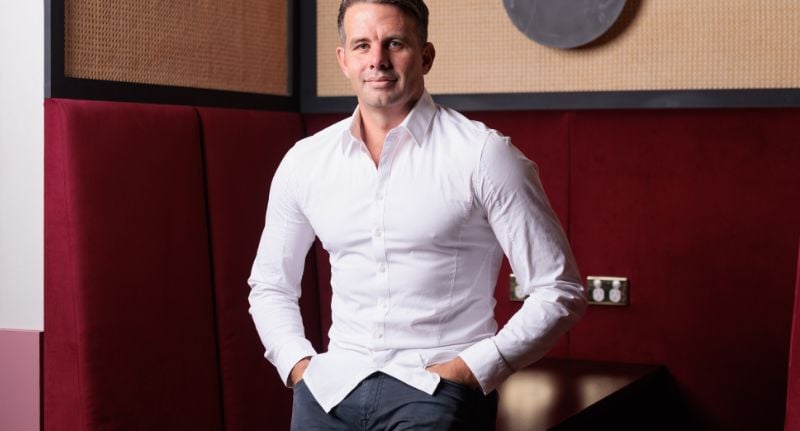
Ben Baker, Managing Director at Vistar Media APAC
Globally followed cultural moments and sporting events are increasingly transcending borders. Greater connectivity has elevated these moments to a world stage, creating new opportunities for marketers to reach audiences on an unprecedented scale.
One major sporting moment set to dominate the global stage is the FIFA World Cup. With the last tournament in 2022 reporting around five billion engaged viewers across platforms and devices, this scale reflects just how expansive modern sporting attention has become across markets.
For marketers, that kind of reach presents a major opportunity, but only if they think beyond the broadcast. While global audiences may tune in via screens, they are also travelling, gathering, commuting, celebrating and spending time in physical environments before, during and after the moment itself.
That movement creates high-value opportunities for brands to show up in context, not just online, but in the real world where decisions and actions are made.
Demystifying the online-only approach
Audiences are not just experiencing these moments from behind a screen. Major cultural and sporting events also drive movement through the physical world, as people travel to watch, gather, shop and socialise.
For brands, this creates powerful, context-rich opportunities to influence consideration and purchase.
Whether across transit corridors, shopping centres, event-adjacent locations, or increased commuter touchpoints throughout CBDs and entertainment districts, marketers should aim to connect with their audience mid-journey rather than mid-scroll.
This is where out-of-home (OOH) plays a critical role. By placing brand messaging directly in the path to purchase, OOH delivers high-impact visibility where online channels can’t reach.
Why OOH works when online hits its limits
An online-only strategy is becoming harder to sustain. Digital channels are crowded, costs are rising, and attention is fragmented, making it harder to drive meaningful cut-through. Consumers jump between platforms, skip ads and increasingly spend more time in spaces where brands have less visibility.
But while digital attention is splintering, consumer behaviour isn’t disappearing; it’s shifting to the physical world. OOH captures attention where it naturally holds, in high-intent, real-time decision-making moments that digital alone cannot fully influence. It reinforces brand messaging in context and at scale, not in competition with digital, but as an extension of it.
The role of programmatic DOOH in real-time impact
The power of OOH doesn’t stop at presence; it extends to precision. Today’s OOH is not static or siloed, but can be data-driven, flexible and built for the way audiences move. This is where programmatic digital out-of-home (DOOH) changes the equation.
Brands can dynamically activate messaging around live sporting moments, optimise based on location and audience signals, and align creative with the context of the event itself – whether that’s game day in a CBD, a surge in foot traffic near sports bars, or increased travel through key transit hubs.
A recent example of this in practice is Vistar Media’s partnership with the Foxtel Group on its Watch NRL campaign, aimed at expats and overseas fans. Media was planned through Vistar’s global DSP out of Australia and activated in Las Vegas around the NRL season opener.
Using point-of-interest and daypart targeting, the campaign aligned messaging with key fan touchpoints, including Allegiant Stadium on game day, airport arrivals, Fremont Street and Resort World. Here, programmatic DOOH was effectively used to turn international sporting moments into precise, location-aware audience engagement.
Measurement has evolved as well. Brands can now understand how exposure in physical environments contributes to outcomes such as venue visitation, foot traffic uplift, and downstream purchase behaviour. That shifts OOH from simply building awareness to supporting measurable impact and commercial outcomes.
In practical terms, the gap between digital agility and physical presence has narrowed. Retailers no longer have to choose between scale and accountability; they can have both.
In summary
In a world where culture travels globally but commerce happens locally, the brands that win will be those that move beyond an online-only mindset, activating in the real world with intelligence, agility and purpose. Digital channels remain essential, but they are no longer sufficient on their own.
OOH enable brands to translate global sporting moments into local action, capturing audiences as they gather, travel and transact. By bridging broadcast-scale cultural impact with place-based precision, brands can turn attention into influence, and influence into measurable commercial growth.