

The Australian AdTech landscape stands at a critical juncture. We boast one of the most advanced programmatic ecosystems in the world, particularly within connected television (CTV).
However, this reliance on the open internet also brings forth certain systemic challenges. Global platforms tend to absorb a significant portion of audience attention and associated advertising value.
In parallel, the extensive audience data collected by these global entities is often used to enhance their offerings and deepen their market presence. So, how can local publishers continue to value their inventory and data without jeopardising their IP?
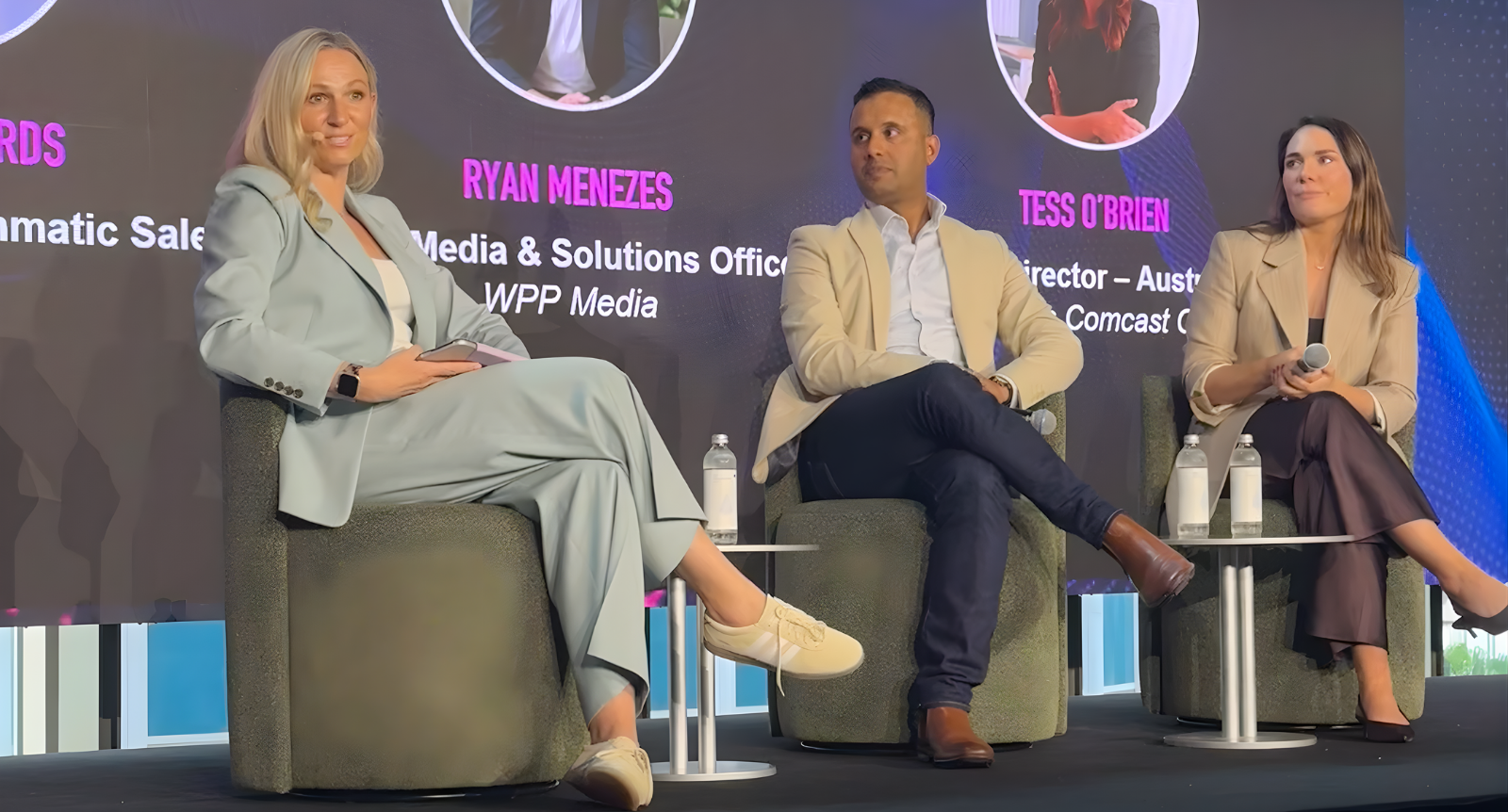
At this week’s Future Media Forum in Sydney, I sat in on a panel featuring Nine’s director of programmatic sales, Julia Edwards, WPP Media’s chief media and solutions officer, Ryan Menezes, and FreeWheel, a Comcast Company managing director for Australia and New Zealand, Tess O’Brien.
Together, they unpacked how the trade can keep Australian data in Australian hands.
Their proposed solution puts the power back in publishers’ hands, with a view to proving that protecting user privacy doesn’t have to ruin the bottom line.
Edwards moderated the session and framed the current dilemma:
“Australia has built one of the most sophisticated programmatic ecosystems in the world, but that success has come with a hidden data tax. We are at a critical crossroads where we must choose: do we continue feeding a fragmented global ecosystem, or do we reclaim our home ground? We need to move beyond ‘renting’ audience attention and shifting the power back to those who actually own the direct customer relationship.”
“The pact between buyers and publishers needs a reset,” Edwards added. “Buyers desperately need the transparency to power targeting and measurement, and publishers need to protect their users’ privacy. We’re here to show that these two things aren’t at odds – customer-centric decisioning is the path forward to an ecosystem that is both effective for brands and ethical for Australians.”

Nine director of programmatic sales Julia Edwards moderated the panel. Image: file
The 65% untrackable reality
WPP Media’s Ryan Menezes revealed just how rapidly the landscape is deteriorating.
“Around 65% of the open internet currently is untrackable,” Menezes told the room.
He noted that mobile devices generate 60% of total traffic in Australia. Apple’s intelligent tracking prevention heavily restricts this traffic. CTV accounts for another 40% of video impressions, with its own unique tracking limitations.
Add the impending 116 recommendations from the Australian privacy refresh, and the new legislation shatters the traditional cookie-based and deidentified ID playbook.
This means marketers can no longer rely on precision tracking. Menezes argued that the trade must pivot toward predictive models, including federated AI, to achieve data minimisation.
Around about here, my head started spinning.
So, as a service to people like me who failed to process most of that sentence the first time, I will break it down. What Ryan means is the advertising industry needs to stop hoarding people’s personal data to track them across the internet.
Instead they need to use smart AI to guess what they want without ever invading their privacy.
Quite.
The privacy pub test and million-dollar liabilities
This shift brings massive legal and ethical implications. Menezes warned against blindly clicking on programmatic audience segments in demand-side platforms without verifying the data source, quality or consent framework.
“It can be a problem when marketers are blindly using data, but not sense-checking it. Marketers should be asking if their targeting passes the ‘pub test,’” Menezes cautioned. “If the user doesn’t benefit from the exchange and finds it overly intrusive, it immediately becomes a liability. The financial stakes are escalating rapidly; agencies are now confronting multi-million dollar indemnities, underscoring that getting data ethics right is no longer merely optional, but an absolute imperative.”
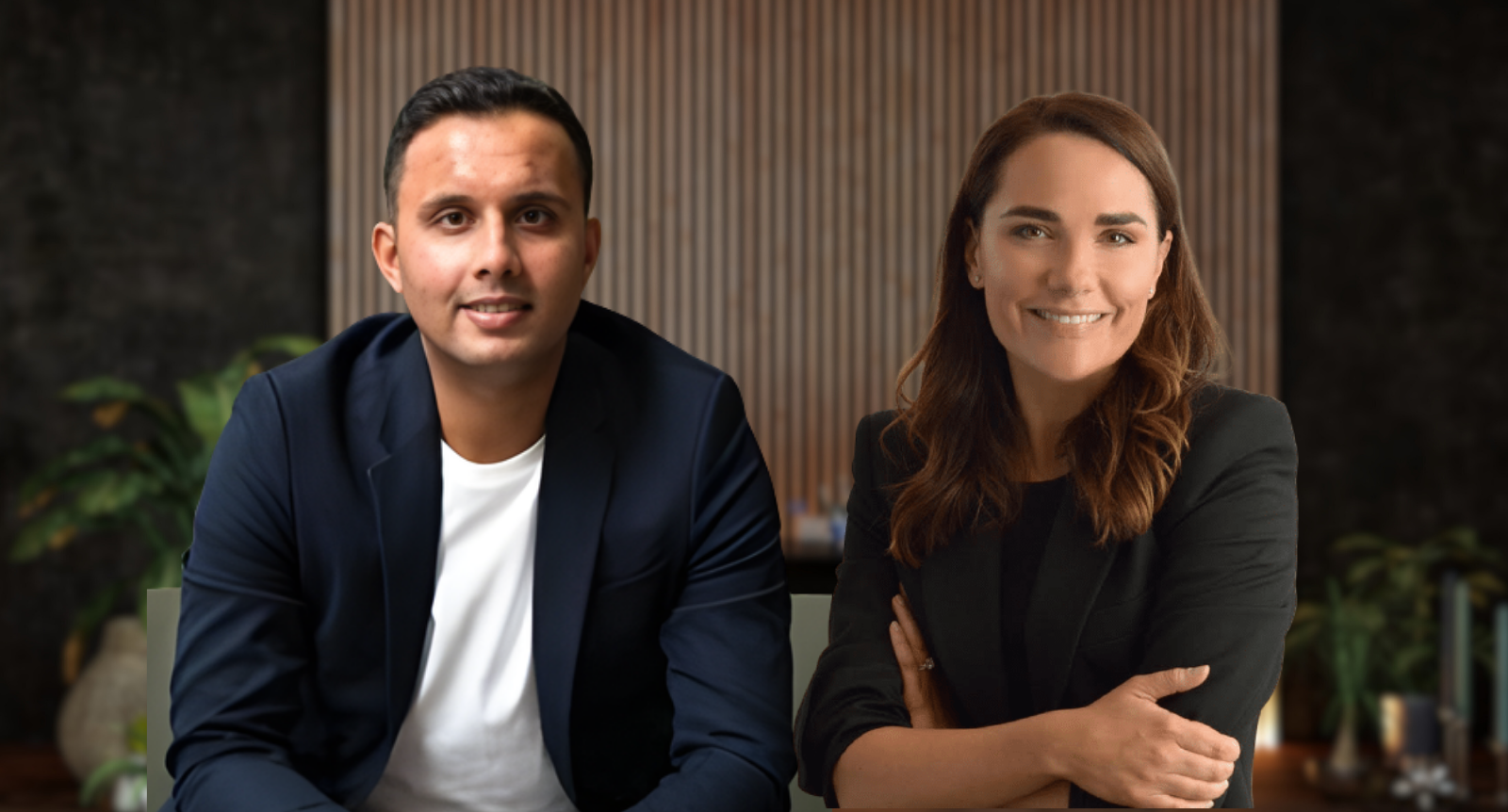
WPP Media chief media and solutions officer Ryan Menezes, and FreeWheel managing director for Australia and New Zealand Tess O’Brien. Image: file
A blueprint from global missteps
Tess O’Brien of FreeWheel, a Comcast Company, offered a global perspective. “Australia is in an enviable position – we can take the best practices from the US and EU and adapt them to our local ecosystem,” O’Brien observed. “Aligning on privacy-first foundations that can both deliver results for buyers while maintaining publisher control is essential.”
She warned the local market against repeating the mistakes of other regions, noting that Europe’s GDPR rollout turned privacy into a legal checkbox, ultimately hampering programmatic growth. Meanwhile, the US market rushed to create a fragmented mess of alternative identifiers. “There is not going to be one ID to rule them all,” O’Brien said.
Instead, she advocated for a unified infrastructure that safely connects various identifiers. By decoupling targeting from identity through publisher-side decisioning, media owners can match data without diluting its fidelity through endless third-party intermediaries.
Shaking off local protectionism
To survive this privacy revolution, the Australian market must change its collaborative mindset. Menezes argued that multilateral data collaboration provides the only viable path forward.
“You have got to shake off protectionism,” Menezes urged. He noted that while local partners have historically kept their data close to their chests for good reason, effectively addressing evolving privacy reforms and heightened customer expectations now requires a unified, collaborative approach.
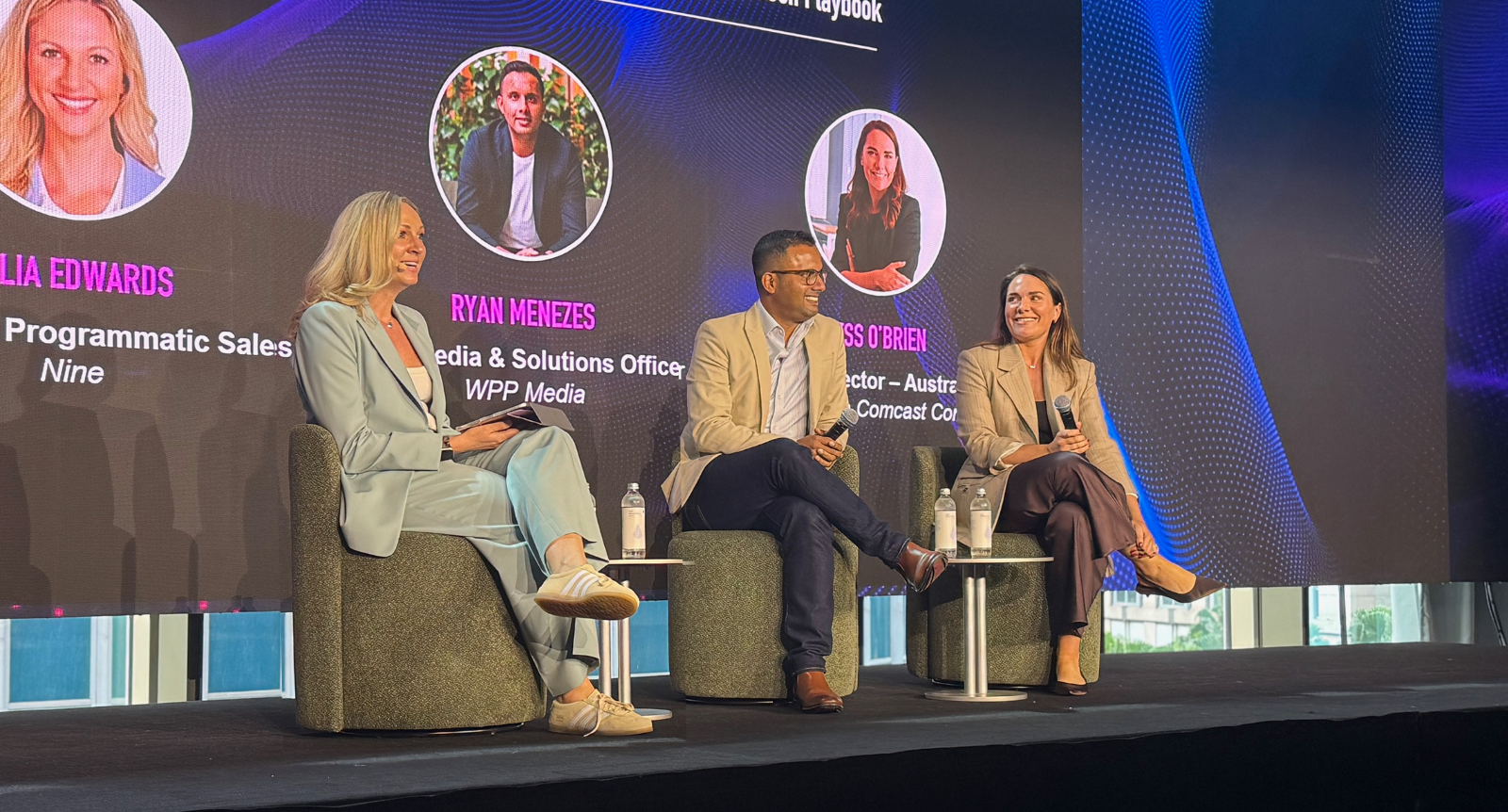
Future Media Forum in Sydney. Image: file
The bottom line
The panel ended on a hopeful note. And it wasn’t just a sales pitch for publisher-side decisioning. It was a call to arms for the entire Australian media industry.
The hope is that local players will team up with agencies and clients to build a united, privacy-safe ecosystem.
By collaborating, the sector can actively strengthen the local advertising market, allowing more investment to benefit domestic businesses and talent.
Feature image- Julia Edwards, Ryan Menezes, and Tess O’Brien.