



'Surprising, compelling and powerful': Industry reacts to Nine's radio sell and QMS buy
It's the biggest strategic pivot in years.

Nine has made its biggest strategic pivot in years, walking away from radio while doubling down on digital outdoor.
The company has sold 2GB, 3AW, 6PR, and 4BC to Arthur Laundy for $56 million, using the deal to help fund its acquisition of QMS and to tilt the business further toward screens, data, and scale. CEO Matt Stanton framed the move as a clean reset for the group.
“Today’s announcements mark a critical milestone in our Nine2028 transformation,” he said. “These transactions will create a more efficient, higher-growth, and digitally powered Nine Group.”
On an investor call, Stanton dismissed concerns that losing radio would weaken Nine’s commercial clout. “We don’t see any material dis-synergies at all from this,” he said. “The reality is in the ad market, scale is really important.”
But while Nine sees a neat trade - microphones out, billboards in - the industry is still digesting what it means for audio, outdoor, agencies and the balance of power across Australian media.
Mediaweek spoke to some of the industry's best and brightest for the take on the situation.


The leading media trade publication in Australia.
Get our top stories straight to your inbox daily by signing up to our Newsletter
By providing your information, you agree to our Terms of Use and our Privacy Policy. We use vendors that may also process your information to help provide our services.
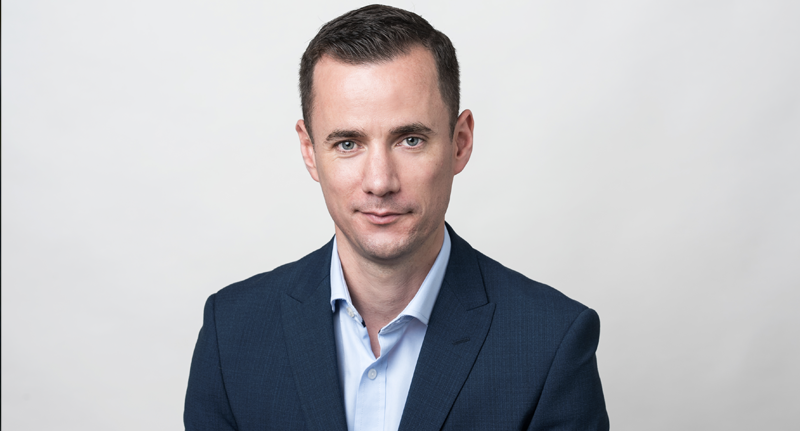
Paul Sinkinson, Managing Director, Australia and Asia, at Analytic Partners
"This was a surprising move, even considering that Nine has been shaking things up for a while. That said, it’s refreshing to see a media organisation taking a different approach, rather than doing more of the same.
"When you look at Nine’s own statements, the rationale starts to make sense. Out-of-home has proven relatively resilient and remains one of the few channels delivering sustained growth. In that context, the acquisition feels logical, particularly when you compare it to channels like radio, which haven’t demonstrated the same momentum.
"The synergy is compelling.
"We know that TV and out-of-home are highly complementary channels. Analytic Partners’ ROI Genome shows that when TV and out-of-home are included together in a media plan, brands retain 100% of their digital returns. Removing TV reduces returns by about 20%, while removing both TV and out-of-home reduces returns by roughly 50%.
"The data highlights just how powerful these channels are when used together. If one channel isn’t viable, the other can often compensate. With many advertisers under budget pressure, Nine has greater flexibility to support clients across different spend levels while maintaining effectiveness.
"There’s also an interesting opportunity around how this could evolve in buying and targeting. Purely demographic-based buys are increasingly limiting - we’ve seen consistently stronger results when campaigns move beyond that approach. This acquisition could bring Nine closer to more sophisticated targeting, particularly given how out-of-home data and behavioural datasets have evolved in recent years.
"One of the areas I’m most excited about is creativity. For years, we’ve talked about how many out-of-home billboards are effectively just the end frame of a TVC. If planning and creative discussions occur earlier and more holistically, this could unlock a significant improvement in creative quality for out-of-home."
 Virginia Hyland
Virginia Hyland, CEO & Commercial Partner, Squad M&A
"The acquisition of QMS Media by Nine Entertainment should be viewed primarily through an investment lens. This is a portfolio optimisation move that shifts capital away from structurally challenged assets and into a category with demonstrably stronger long-term fundamentals.
"Digital out-of-home continues to deliver resilient demand, high operating leverage and long-term contracted revenue, all within premium, brand-safe environments. For Nine, QMS also adds a strategic asset that can be leveraged internally: outdoor screens to promote content, accelerate streaming adoption, and extend the life and reach of its IP beyond traditional broadcast.
"The investment thesis now rests on execution. Owning the asset alone won’t create value; integration will. If Nine successfully embeds outdoor into its sales, data and planning ecosystem, QMS becomes more than an advertising business - it becomes a demand amplifier across video, BVOD and publishing.
"The exit from traditional radio further sharpens this logic, reducing exposure to ageing audiences while improving capital efficiency. For investors, this deal positions Nine closer to a modern media infrastructure model: fewer legacy risks, stronger digital exposure and improved optionality as advertiser and audience behaviour continues to shift. The acquisition carries risk, but strategically it reflects disciplined capital deployment aligned to where future growth - and relevance - is most likely to be found."
 Justin Ladmore
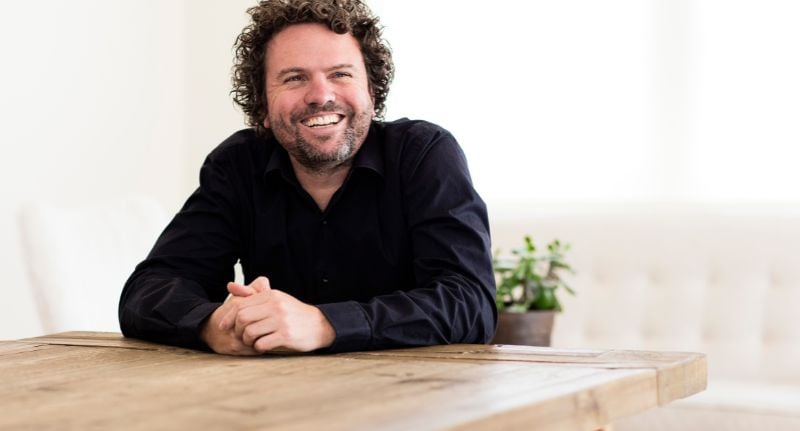
Justin Ladmore, Chief Media Officer & Partner, Enigma
"It’s a smart move from Nine. They are definitely backing the right horse with QMS. Outdoor now plays a critical role in our media plans, ticking boxes across all audiences and the full funnel. It’s also a great physical complement to screen-heavy digital channels. It is one of the few media channels with a clear growth runway, so owning a premium outdoor asset positions Nine well for the future.
"Their radio business, on the other hand, is challenged long-term, with ageing audiences and limited upside for advertisers in the future. I really hope the radio stations get all the support they need from their new owner because culturally they are important in today’s world, but Nine’s pivot from this challenging asset into a future growth engine is a smart business decision."
 Taylor Fielding
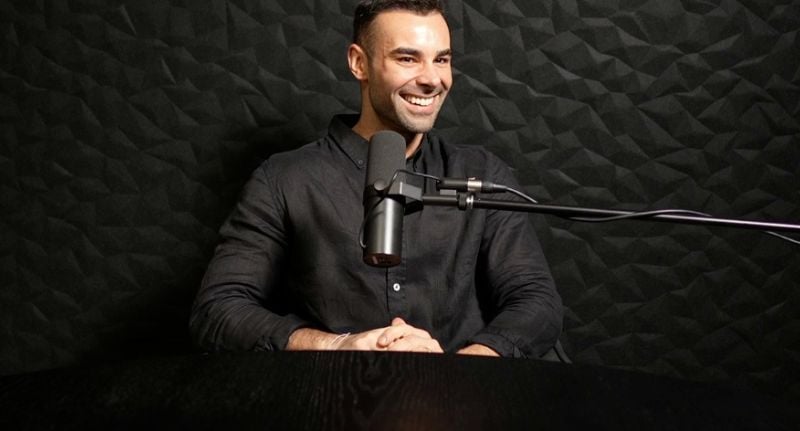
Taylor Fielding, CEO, TFM Digital
"Nine's consolidation is a bold and brilliant move. From our perspective, it helps position brands across all assets. You'll presumably be able to access the full suite of TV/Digital/Display/OOH/Digital Audio through 9Powered.
"More brands are realising the power of local media, and the QMS-play is a smart one. Local area marketing has been commanding more advertising dollars from national budgets recently as the success of hyper-local campaigns and the tools to tap into them increases.
"The opportunity for Nine to use OOH creative sites for informative displays, along with adverts (for its own ecosystem), was surely part of its long-term strategy. We expect 2026 to continue the surge in OOH, particularly DOOH, with QMS well-positioned with prime inventory. And with a double-digit growth forecast, it's no surprise Nine retained its digital audio assets, despite the radio sell-off. Digital audio has been on the rise for a number of years, with half of Australians prioritising podcasts every month."
More from Mediaweek
The leading media trade publication in Australia.
Get our top stories straight to your inbox daily by signing up to our Newsletter
By providing your information, you agree to our Terms of Use and our Privacy Policy. We use vendors that may also process your information to help provide our services.


