






Sandilands v ARN: What Kyle's statement of claim really reveals
<i>Mediaweek</i> has gone through the filing in detail.

Well, it's the morning after the night, or rather, the afternoon before, Kyle Sandilands filed his statement of claim against the Australian Radio Network.
Mediaweek has gone through the filing in detail to unpack exactly what he's arguing and where he claims the broadcaster got it wrong.
What are the documents about anyway?
The 'concise statement' of claim, prepared by Sandilands’ barristers Scott Robertson SC and Philip Boncardo, lays out the structure of the KIIS FM deal underpinning The Kyle and Jackie O Show, the thresholds required to terminate it, and why Sandilands argues those conditions were not met.
Boncardo previously acted in Antoinette Lattouf’s unlawful termination case against the ABC, while Robertson examined former NSW premier Gladys Berejiklian at the Independent Commission Against Corruption in 2020.
 Sandilands’ barristers Scott Robertson SC and Philip Boncardo.
At the centre of the claim is a direct challenge to ARN’s “serious misconduct” argument. The applicants (that's Sandilands) contend the on-air exchange in question was consistent with the show’s long-established tone, style and “robust character”, a dynamic the broadcaster had explicitly acknowledged and endorsed in the deal.
From there, the filing builds a broader case: that the contract anticipated this kind of content, placed responsibility for managing risk with the broadcaster, and set a high bar for termination that was not satisfied.


The leading media trade publication in Australia.
Get our top stories straight to your inbox daily by signing up to our Newsletter
By providing your information, you agree to our Terms of Use and our Privacy Policy. We use vendors that may also process your information to help provide our services.
Let's take a closer look, shall we?
A high-value deal with layered payments
In addition to a base fee of $7.4 million per year, the deal includes a $200,000 annual consultancy fee tied to CADA, a $120,000 annual flight allowance, and $500,000 in contra airtime.
Separate intellectual property licence fees of $2 million annually also apply.
Across the full 10-year term, the total value of payments under the agreements exceeds $85 million.
Contract built around Sandilands’ on-air style
A central plank of the argument is that the deal was designed around Sandilands’ established persona.
The agreement explicitly acknowledges his “robust” tone, style and voice, and signals a desire for that to continue on air.
At the same time, responsibility for managing risk sat with the broadcaster. Under the contract, CBC agreed to monitor all broadcasts in real time, operate a 30-second delay, and remove any non-compliant material before it aired.
While Sandilands delivered the content, CBC controlled what ultimately went to air.
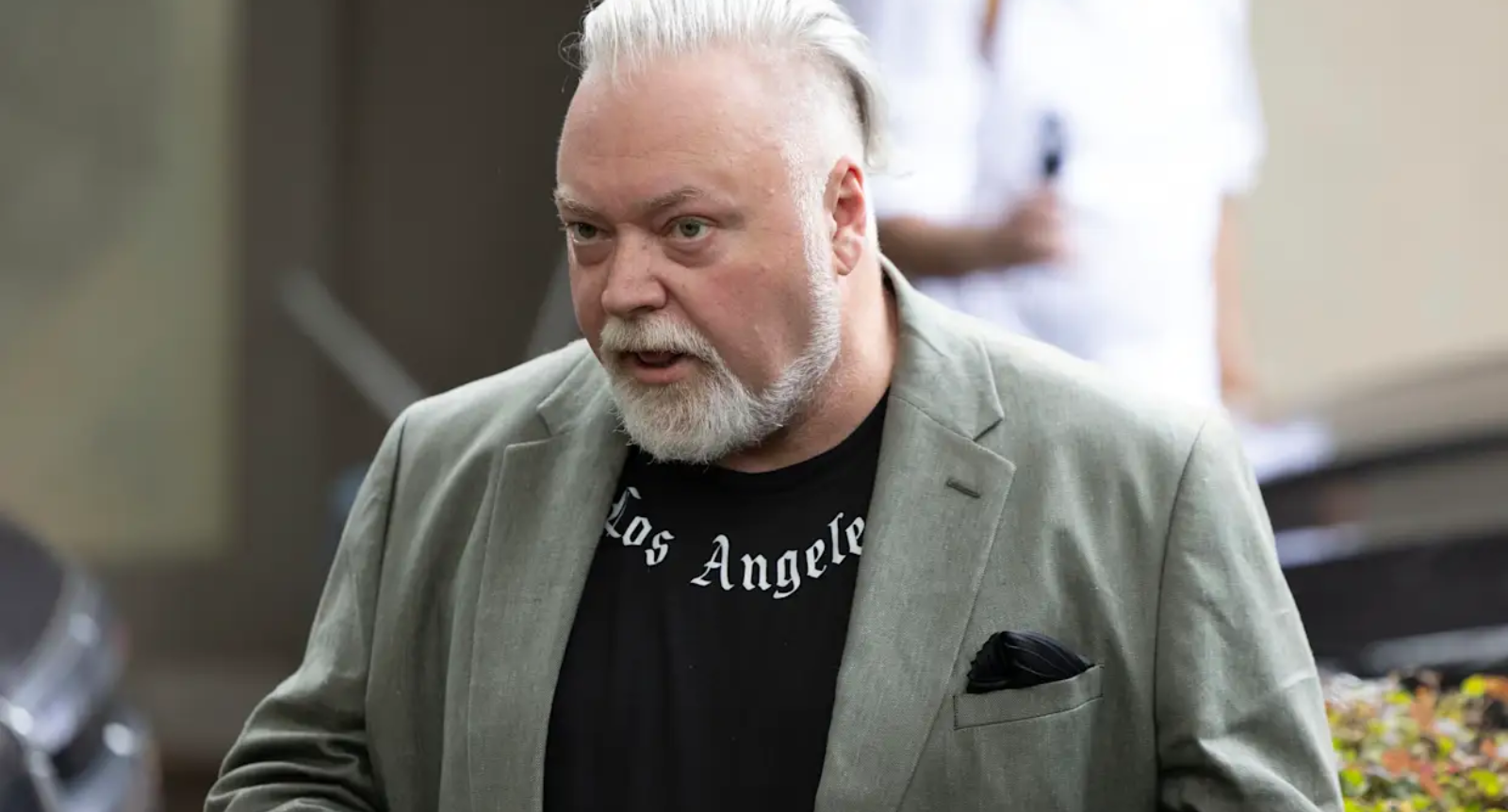 Kyle Sandilands
High threshold for breach
The agreement sets a deliberately high bar for holding Sandilands in breach.
He would only be liable if he knowingly aired content that breached the contract and if the broadcaster’s own censor or legal team could not reasonably have identified the issue beforehand.
The structure anticipates controversial content and places significant weight on the broadcaster’s own safeguards.
Strict conditions for termination
Termination rights are tightly defined.
CBC can only terminate immediately in cases of “serious misconduct” causing significant and immediate harm to the business, and only after Sandilands is given a reasonable opportunity, of up to 14 days, to remedy the issue where possible.
Alternatively, termination may occur for serious and ongoing breaches, again requiring notice and an opportunity to resolve the issue.
The filing argues those conditions were not met.
It claims the incident was a one-off rather than a persistent breach, did not cause serious and imminent business harm, and that Sandilands was not given a genuine opportunity to remedy the issue.
Co-host clause in focus
One clause now central to the dispute relates to Jacqueline Henderson (Jackie O).
The contract required the broadcaster to use its best endeavours to ensure she continued to perform her role and cooperate with Sandilands.
According to the filing, CBC required Sandilands to resolve Henderson’s refusal to work with him, while at the same time terminating her contract, effectively making that resolution impossible.
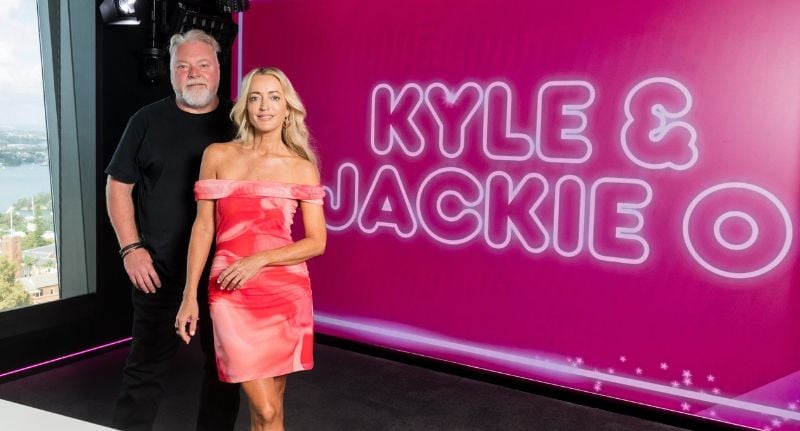 Sandilands and Henderson.
Why the termination being challenged
Taken together, these provisions underpin Sandilands’ core argument.
He claims the contract anticipated the nature of the content now in dispute, that the broadcaster held the tools to manage that risk, and that the threshold for breach and termination was high and specific and was not satisfied.
The unconscionable conduct claim
Beyond the contract mechanics, the case moves into broader conduct.
Sandilands alleges CBC engaged in unconscionable conduct under Australian Consumer Law.
The claim is that the broadcaster set expectations that could not realistically be met, undermined his ability to comply, and then relied on that failure to justify termination.
What Sandilands wants from the court
Sandilands and his companies are seeking a declaration that the termination is invalid, enforcement of the agreement or payment of what is owed, and potential damages or compensation.
The big picture
At its core, the case turns on whether a contract built around a controversial, high-impact broadcaster, and supported by systems to manage that risk, can be unwound on the basis of the very behaviour it anticipated.
More from Mediaweek
The leading media trade publication in Australia.
Get our top stories straight to your inbox daily by signing up to our Newsletter
By providing your information, you agree to our Terms of Use and our Privacy Policy. We use vendors that may also process your information to help provide our services.


