
Wednesday May 20, 2026
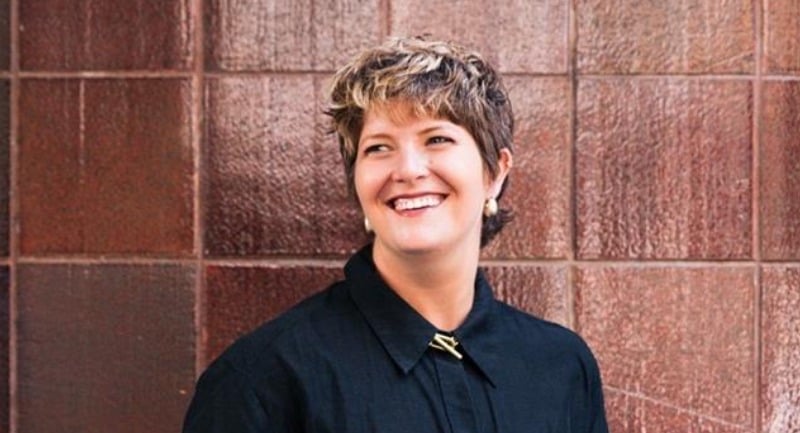
EXCLUSIVE: ‘I would change nothing’: Annabelle Gigliotti on cancer, gratitude and coming home
We are in the midst of a gratitude overload.
The word is fast going the way of its literary cousin, “authenticity,” largely because it is bandied about by influencers who use it to describe even the most innocuous things.
It has, for lack of a better term, lost its sting.
However, when it comes to planting a flag of ownership right between the I and the ‘tude, that honour lies fairly and squarely with Annabelle Gigliotti.
The trade media industry was left in shock when, back in March 2025, Gigliotti announced she had been diagnosed with stage four colon cancer and would be stepping away from her role as Head of Entertainment at Organic Pacific.
Now, more than a year on, Gigliotti has sat down exclusively with Mediaweek to speak candidly about treatment, fear, creativity, work, and why – against all odds – she would not change a thing.
Gigliotti is the person who makes heads turn when she enters a room. Not because she is loud or boisterous, but rather because her warmth filters through and out into the spaces between.
Her once long blonde hair, just one of the many victims of the disease’s wrath, is now a wispy pixie, which she runs her fingers through.
“I’m thinking of keeping it,” she asked Mediaweek before our exclusive interview with an almost devilish grin. “Should I keep it?”
Yes. Yes, you should.
In most interviews, there is an assistant or a junior staff member tasked with running around organising water and tea before everyone settles into their seats.
But in this case, it is Gigliotti who motions for us to follow her into Havas’ communal kitchen as she prepares the drinks herself; peppermint for her, green tea for me.
There is no performance to her warmth. Just hard-won ease.
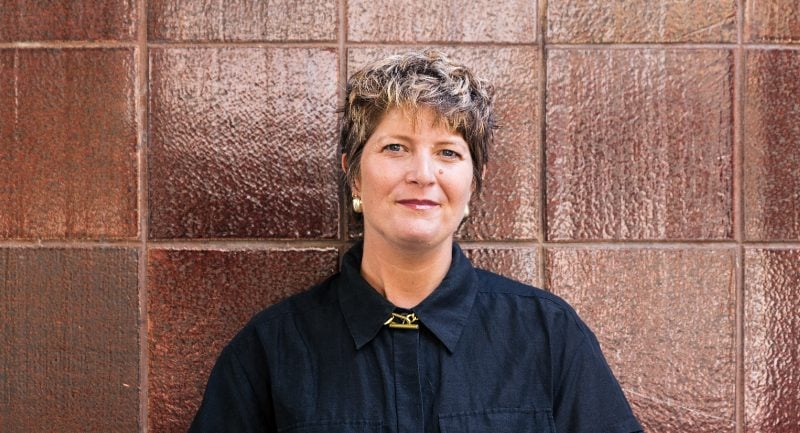
Annabelle Gigliotti
‘I just felt like that wasn’t right’
“It’s been an incredible journey,” she said.
“I’m probably quite delusional because even when I was first diagnosed, and they said stage four, and that the prognosis was very grim, I just felt like that wasn’t right. I just had a gut feeling that this isn’t where my journey was heading.”
That journey has, at times, been brutal.
“I’m not going to lie, it was absolutely terrifying and the most hideous 18 months of my life,” she said.
“But what I have learned along the way has been so calming. I think I’m more at peace now than I’ve ever been in my life.”
It is a striking thing to hear from someone who works in entertainment publicity – an industry built on noise and urgency, and one that speaks about burnout with a hint of pride.
Founded in October 2021, Organic Pacific has grown into a specialist entertainment agency spanning PR, social media, influencer marketing, partnerships, and events. The business now works with clients including Netflix Australia, Sony Pictures Entertainment and NBCUniversal.
For years, Gigliotti had lived inside the constant momentum of entertainment publicity – the campaigns, premieres, deadlines and never-ending media cycle.
Then, suddenly, everything came to a halt.
Stepping outside the noise
“When you work in comms, you’re on all the time,” she says. “So it was almost a gift to step outside that for 18 months and be a genuine consumer for the first time in 25 years.
“It gave me a third-person perspective, which helped me understand what cuts through when you’re not in the echo chamber of our own industry.”
Cancer, she carefully explained, sharpened her perspective.
“When you know what the stakes are, you can come into fast-paced environments like work and operate within the system, but also a little outside it,” she said.
“You can still be as passionate and care just as much, but you don’t get pulled in every direction by all the emotions.”
Still, throughout treatment, work remained at the forefront of her mind.
“When I was going through treatment, my big dream at the time was, it’s so lame, but I wanted to come back to work,” she said
“I love what I do, I’ve always loved what I do, I love my team.”
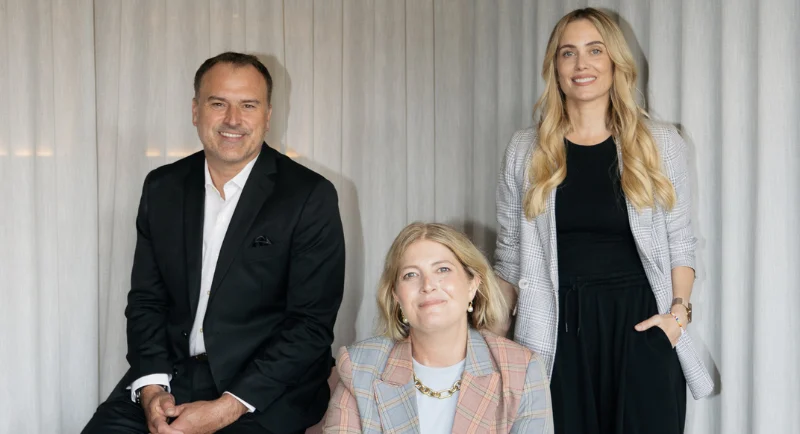
James Wright, Annabelle Gigliotti, and Sarah Smith
‘The building is better with you in it’
That affection is clearly mutual.
Gigliotti becomes emotional speaking about the support she received from Havas and her Organic team during her time away.
“From the very beginning, James Wright and the team told me that if you want to come back an hour a week, it doesn’t matter; the building is better with you in it,” she says.
Mostly, though, she said she simply craved normality.
“It’s honestly felt like coming home, coming back to Havas.”
Even her return carried a touch of humour.
“I did about a month before I came back, where I said I was only going to all the parties and the fun things,” she laughed.
“Day one, it felt like I was just back where I was meant to be. The landing couldn’t have been softer.”
Life with a chemo bag
The reality, however, is that treatment continues.
Gigliotti still undergoes chemotherapy every two weeks.
“I’ve got a chest port, and go in on Wednesdays and bring home a little pump and a bag,” she explained matter-of-factly.
“I’ll come into the office with my little chemo bag, because I wear it for 48 hours. I’ve got outfits that I plan around it.”
And yet, somehow, she says she feels stronger now than she did before the diagnosis.
“I feel more energised than I have in a really long time because I was probably sick for six months before I was diagnosed,” she said. “Now I feel amazing”
There is no self-pity in the telling. If anything, there is curiosity.
Why creativity never stopped
She speaks animatedly about creativity, podcasts, entertainment and culture. About wanting Organic to expand further into music and audio. About lying in bed during treatment, firing ideas off to staff via text message.
“Creativity is almost like an impulse, you can’t stop it,” she said.
That instinct for entertainment PR has not dulled – if anything, it has intensified.
And while Gigliotti is quick to point out that “we’re not saving lives”, she believes deeply in the role culture plays in shaping people.
“I met a girl at chemo who told me she got checked for breast cancer after she watched Apple Cider Vinegar on Netflix,” she says.
“The culture can feel fluffy, but it is actually so important.”
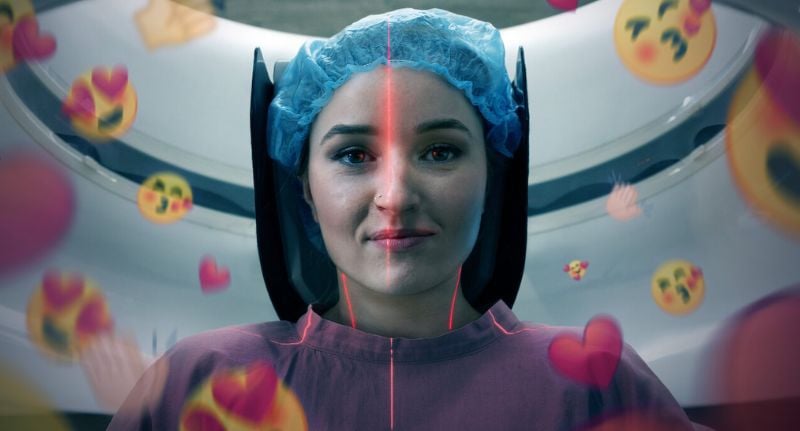
Kaitlyn Dever as Belle Gibson in the Netflix limited series ‘Apple Cider Vinegar’.
‘Go and get checked’
There is also a practical urgency to her message now.
Colon cancer rates among younger Australians are rising, something Gigliotti urges more people to understand.
“On a very practical level, the ‘I never think it will happen to me’ mentality, we definitely need to erase that,” she said.
“I had no history of cancer in my family on either side. I had no reason to suspect.”
“Go and get checked. Push your doctors if you feel like something is wrong.”
‘I would change nothing’
Finally, the thing that seems to sit underneath everything she says – it’s not optimism exactly, but rather, acceptance.
“I cannot express the gratitude I feel for my life, my job, my family,” she said.
“I feel very, very lucky. And I feel very, very lucky even for this experience that I’ve had.”
“So when I say I would change nothing, I mean nothing. I would not change my diagnosis because I think I’ve learned so much from it.”
“It’s been a full, wonderful and incredible life, and I’m really grateful for it.”
Main image: Annabelle Gigliotti
Afterpay to rename Qudos Bank Arena in five-year deal
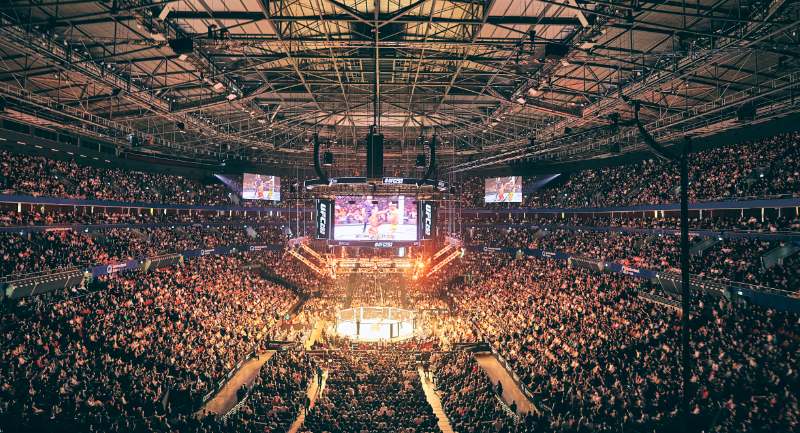
Afterpay has announced a naming rights partnership with Qudos Bank Arena, with the Sydney venue set to be renamed Afterpay Arena as part of a five-year agreement.
The partnership will officially launch in the coming months and will see the Sydney Olympic Park venue integrate Afterpay and Square payment technology across ticketing and in-venue transactions.
According to Afterpay, the venue will become the first major entertainment destination in Australia to offer flexible payment options across the customer experience, including ticket purchases, food, beverages and merchandise.
Nick Molnar, co-founder and CEO of Afterpay, said the partnership was designed to improve access to live entertainment.
“Live experiences are one of the more meaningful ways people choose to spend their time. We wanted to be the brand that makes sure nothing gets in the way of that,” said Molnar.
“What we’ve built here is genuinely end-to-end – the flexibility starts when you buy your ticket and carries through to fans’ meal and a piece of merch on the night. Square’s technology makes every transaction as fast as possible, because every second you’re standing in line for merch is a second you’re not in the moment you came for,” said Molnar.
Research commissioned by Afterpay found that 94% of cost-affected event-goers had missed events due to upfront payment barriers, while 58% said they would be more likely to attend with flexible payment options.
The partnership combines Afterpay’s instalment payment platform with Square’s payments and point-of-sale technology throughout the venue.
Qudos Bank Arena opened in 1999 and has hosted artists including Billie Eilish, Rüfüs Du Sol as well as sporting events, comedy and family entertainment.
The venue recently sold its 15 millionth ticket during Linkin Park’s 2026 world tour and was recognised by Billboard as a Top 5 Live Music Venue globally in 2025.
Harvey Lister AM, President & Chief Executive of Legends Global (Asia Pacific & Middle East), said the partnership aligned with the venue’s customer experience strategy.
“We are obsessed with enhancing the guest experience at every interaction, and we know Afterpay’s popularity with Australian audiences means they now have another option to secure tickets,” said Lister.
“More than 1.1 million people walk through this Arena’s doors every year, and this partnership represents a significant evolution in how Australians access live entertainment. Afterpay’s five-year commitment is a genuine investment in Australian culture and in every single one of those fans,” he added.
The venue’s external signage and interior branding updates are currently underway. During the transition period, the venue will continue operating as Qudos Bank Arena.
‘Brave or stupid’: MFW warns ARN over Eddie McGuire hire after Kyle and Jackie O advertiser fallout
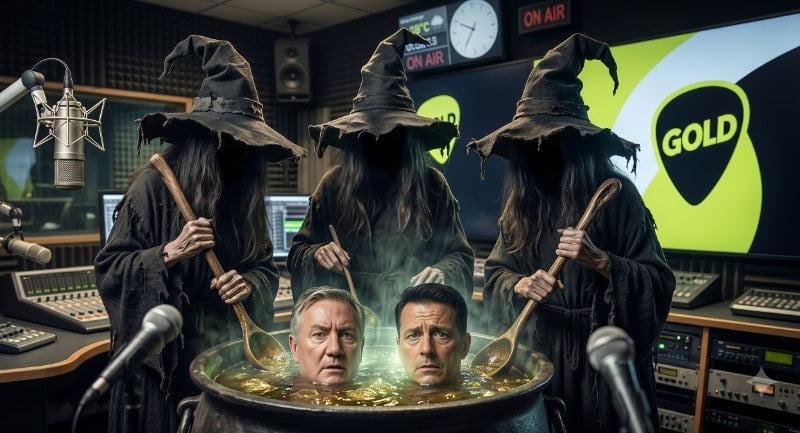
The wolves – or in this case, the witches – have begun circling ARN, following the broadcaster’s announcement that Karl Stefanovic and Eddie McGuire will co-create The Long Weekend, a new weekly news, sport and entertainment format launching on 19 June.
Lobby group MFW, widely viewed as a key force behind advertiser pressure during the brand-safety crisis surrounding The Kyle and Jackie O Show, has now warned ARN that it will closely monitor the new program and may launch further boycott campaigns if concerns arise.
In a statement provided to Mediaweek, an MFW spokesperson said:
“MFW will monitor the new radio show when it starts, to assess whether the content is within the parameters of what’s acceptable broadcasting. If it’s not acceptable or becomes unacceptable in future, we’ll start a consumer boycott campaign to object to any misogynist, racist or otherwise offensive content.”
The spokesperson also confirmed the group had previously engaged directly with ARN during the fallout surrounding Kyle Sandilands and Jackie O Henderson.
“We met with ARN to discuss how to ensure Sandilands’ broadcasting behaviour might be permanently improved, and the only reason the discussions didn’t continue was that Kyle and Jackie were taken off-air.”
MFW also took direct aim at ARN’s appointment of McGuire.
“We feel ARN bringing Eddie McGuire on board is potentially foolish and risky, as McGuire’s repeated past transgressions show he didn’t appear to learn how and why his past behaviour was so offensive, and if that’s true, he may be unable to curb any similar unacceptable behaviour in future.”
View this post on Instagram
‘We are listening’
The group, which previously mobilised campaigns targeting advertisers linked to controversial media personalities and brands, posted to its Facebook page following the announcement:
“If you weren’t around MFW back then, here’s what happened to McGuire in 2021 after thousands and thousands of witches furiously wrote to Collingwood’s sponsors when he failed to respond appropriately to an important race issue at the Club (and following much other f**kery on his part over a number of woeful years for him):
“Here’s the thing. We won’t let Eddie Everywhere go back to his old days of racist and misogynistic content, and we definitely won’t let Stefanovic wander down that road either.
“So this decision to employ this pair on ARN’s part seems … brave.
“Or maybe just stupid.
“Particularly regarding McGuire, who for some years only seemed to open his mouth to change feet.
“All we can say about this new broadcast is … witches will be watching. And listening.”
Fallout from the Kyle and Jackie O crisis
The warning comes just months after ARN publicly acknowledged the financial impact of advertiser concerns tied to The Kyle and Jackie O Show.
At the company’s AGM earlier this year, ARN Media CEO Michael Stephenson revealed that brand safety concerns linked to the program contributed to $26.4 million in lost metro and regional revenue during FY25.
The broadcaster said the losses included $22 million in metro radio revenue and a further $4.4 million in regional revenue, largely attributed to national advertisers pulling campaigns from ARN assets.
The admission was particularly notable given ARN had been paying Kyle Sandilands and Jackie O Henderson a reported combined $20 million annually under the network’s long-term talent deal.
ARN is now engaged in legal proceedings following the termination of both Sandilands’ and Henderson’s contracts and the collapse of the show.
Despite the fallout, Stephenson told shareholders the company expected advertiser confidence to return.
“We expect a significant percentage of the $26m of revenue that was lost last year because of brand safety concerns to return, improving both our metro radio revenue and revenue share,” he said.
Main image: AI-generated
Mamamia hits second in Podcast Ranker after podcast boss made redundant
Hamish & Andy has topped the April Australian Podcast Ranker, with 832,058 monthly listeners, according to Commercial Radio & Audio and Triton Digital.
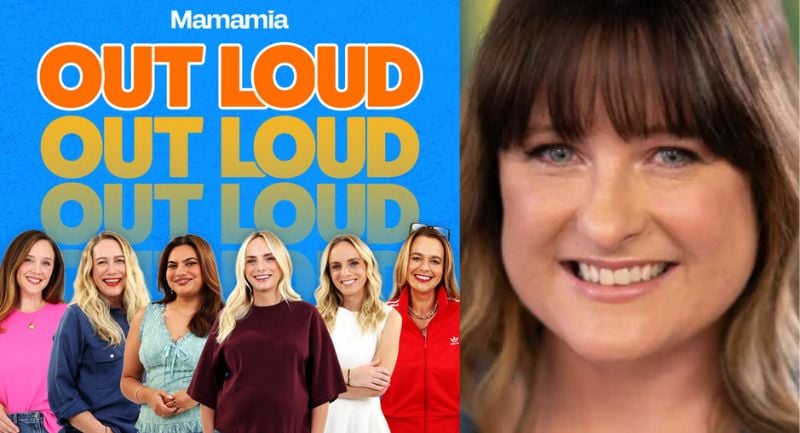
The April results show Mamamia Out Loud in second place with 722,478 monthly listeners, followed by Sky News Australia Update with 514,202.
What were the top podcasts in April?
The Australian Podcast Ranker’s top five podcasts for April 2026 were:
- Hamish & Andy, LiSTNR (SCA): 832,058 monthly listeners
- Mamamia Out Loud, Mamamia: 722,478
- Sky News Australia Update, News Corp Australia: 514,202
- The Daily, New York Times: 453,972
- ABC News Top Stories, Australian Broadcasting Corporation: 419,530
The accompanying April rankings spreadsheet listed Conversations at sixth in the total top 300, followed by Life Uncut, SEN Breakfast, Dan Does Footy and The Front.
News leads podcast genres
News was the largest genre in April, with 4,936,275 monthly listeners. Society & Culture followed with 3,660,232, ahead of Sports with 3,229,246.
The top five genres were rounded out by Comedy, on 2,445,777 monthly listeners, and True Crime, on 2,258,626.
CRA highlights advertiser confidence
Lizzie Young, CEO of CRA, said: “As the medium grows and advertiser interest deepens, the need for verified, independent data increases. The Ranker exists to meet that need – a single, credible source of truth for a thriving industry. For advertisers navigating an evolving landscape, that transparency is what turns interest into investment.”
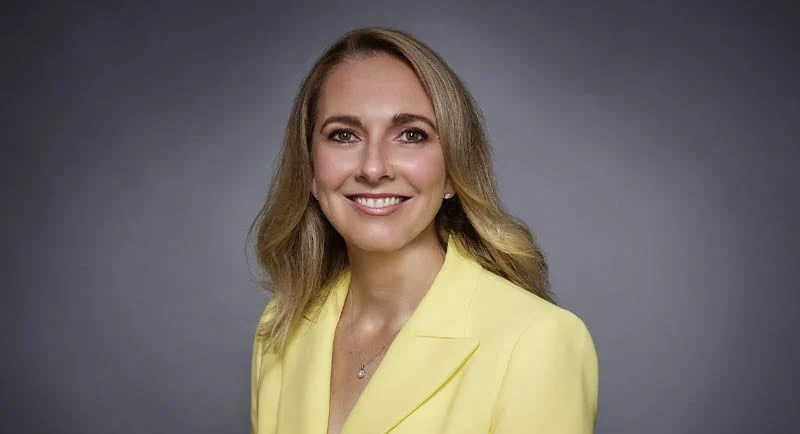
Lizzie Young.
The release also pointed to male podcast listeners aged 25–54 as a key audience for brands planning ahead of Father’s Day. It said this group was tuning in to Sports at 57 per cent, Technology at 52 per cent and Leisure at 47 per cent.
CRA said 82 per cent of this audience was employed full-time, while 60 per cent owned a car.
Mamamia podcast head exits amid redundancies
The April result comes as Mamamia has undergone a round of redundancies, with Claire Murphy, head of podcasts and senior producer, among those to exit the business.
Murphy told AdNews she believed around 10 staff had been made redundant, though she did not have an exact figure. She said her role had not been cut because of Mamamia’s ongoing AI investment, but believed her responsibilities had been absorbed into other positions as part of a broader downsizing.
“The reasons I was given for my redundancy did not reflect that it was a reaction to AI being able to do what I do. Because it can’t,” Murphy said.
About the Australian Podcast Ranker
The Australian Podcast Ranker is a monthly snapshot of the top 300 podcasts listened to by Australians, as well as the top 300 Australian podcasts.
It is commissioned by CRA and published by Triton Digital. CRA said the results comply with IAB Podcast Measurement Technical Guidelines.
Genre audience data cited in the release came from Triton Digital Demos+ Australian Survey Data from Q1 2024 to Q4 2025. Percentages represent the composition of each genre’s monthly podcast audience aged 18 and over.
Top image: Claire Murphy
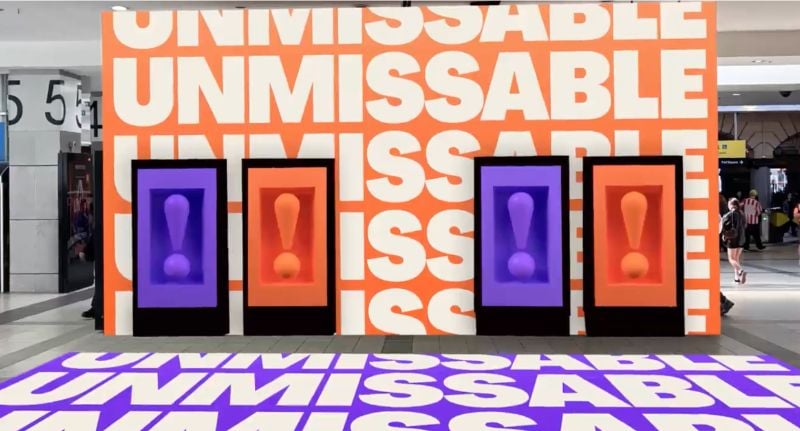
Oaktree circles oOh!media as private equity showdown heats up
oOh!media’s equity takeover is getting more crowded, with Australia’s largest outdoor media company telling the market it is “engaging with certain other parties” after rejecting two private equity offers.
AFR’s Street Talk reported Oaktree Capital Management has built a sub-five per cent stake in oOh!media and is weighing whether to submit its own non-binding indicative offer.
Sources told the publication that the US-based firm is understood to be weighing its own non-binding indicative offer, though dealmakers have not yet decided whether to proceed. oOh!media’s board is not currently sitting on another bid.
Investment bank Jefferies is also understood to be advising a potential bidder, which has previously worked with Nine.
Oaktree declined to comment when contacted by Mediaweek.
The bids already on the table
oOh!media has already rejected two takeover proposals: Pacific Equity Partners’ $1.40 per share offer, which represented a hefty 65% premium to the market price, and I Squared Capital’s even higher $1.45 per share offer.
The board said neither proposal has reached the preferred share price or “intrinsic value” mark, with limited due diligence on revised offers.
“The Board, together with our advisers, has considered and unanimously determined that they do not adequately reflect the intrinsic value of oOh!,” outgoing chair Tony Faure told shareholders at the company’s AGM.
If Oaktree makes a formal move, it would add another major private equity name to a process already involving (Macquarie-advised) PEP and (JPMorgan-advised) I Squared Capital.
Shareholder register in focus
The speculation also puts oOh!media’s shareholder register under greater scrutiny.
A Form 603 lodged yesterday showed TAL Dai-ichi Life Australia, Daiichi Life Group and related entities disclosed a deemed 6.20% relevant interest in oOh!media.
The interest arises through their voting power in Challenger, rather than a fresh direct acquisition of oOh!media shares.
Taylor’s independent case
The takeover pressure comes as new CEO James Taylor works to strengthen oOh!media’s independent value case.
Taylor outlined $12 million in annualised pre-tax cash savings from FY27, including $10 million from the company’s Operational Excellence program and $2 million from exiting reo, its in-retailer media business.
The program also includes an 82-role reduction in headcount – 9% of the workforce.
“While we note some advertiser uncertainty given the broader macro environment, we are pleased with our overall outlook and look forward to updating shareholders at this morning’s AGM,” Taylor said.
Taylor said he is confident further efficiencies will be identified.
Five months into the CEO role, Taylor said he is more convinced than ever about the quality of the oOh!media business and the size of the opportunity ahead.
Taylor framed the strategy around three pillars: network, operating model and customers.
The aim is to manage oOh!media’s 30,000 assets as a more connected network, improve back-end systems, make the business easier for advertisers to buy from, and extract more value from the cost base.
Why Oaktree matters
Oaktree is best known as a distressed-debt investor, but it has a history in the media sector.
Oaktree sold its 45% stake in New Zealand radio operator MediaWorks to Quadrant Private Equity’s QMS in 2025, and was one of two distressed debt investors that took control of Nine Entertainment in 2012 through a debt-for-equity swap.
oOh!media wants an independent future
Asked about Nine’s $850 acquisition of rival QMS and the potential for revenue synergies at the AGM, Faure said oOh!media still believes out-of-home businesses perform best when they stand alone.
“If you look historically at the performance of out-of-home companies, standalone or as part of broader media groups, it’s fairly clear that the ones that stand alone perform better,” Faure said.
“So we welcome the fact that Nine understood the value of out-of-home and wants to add that to what it’s doing, but we would prefer to remain an independent operator.”
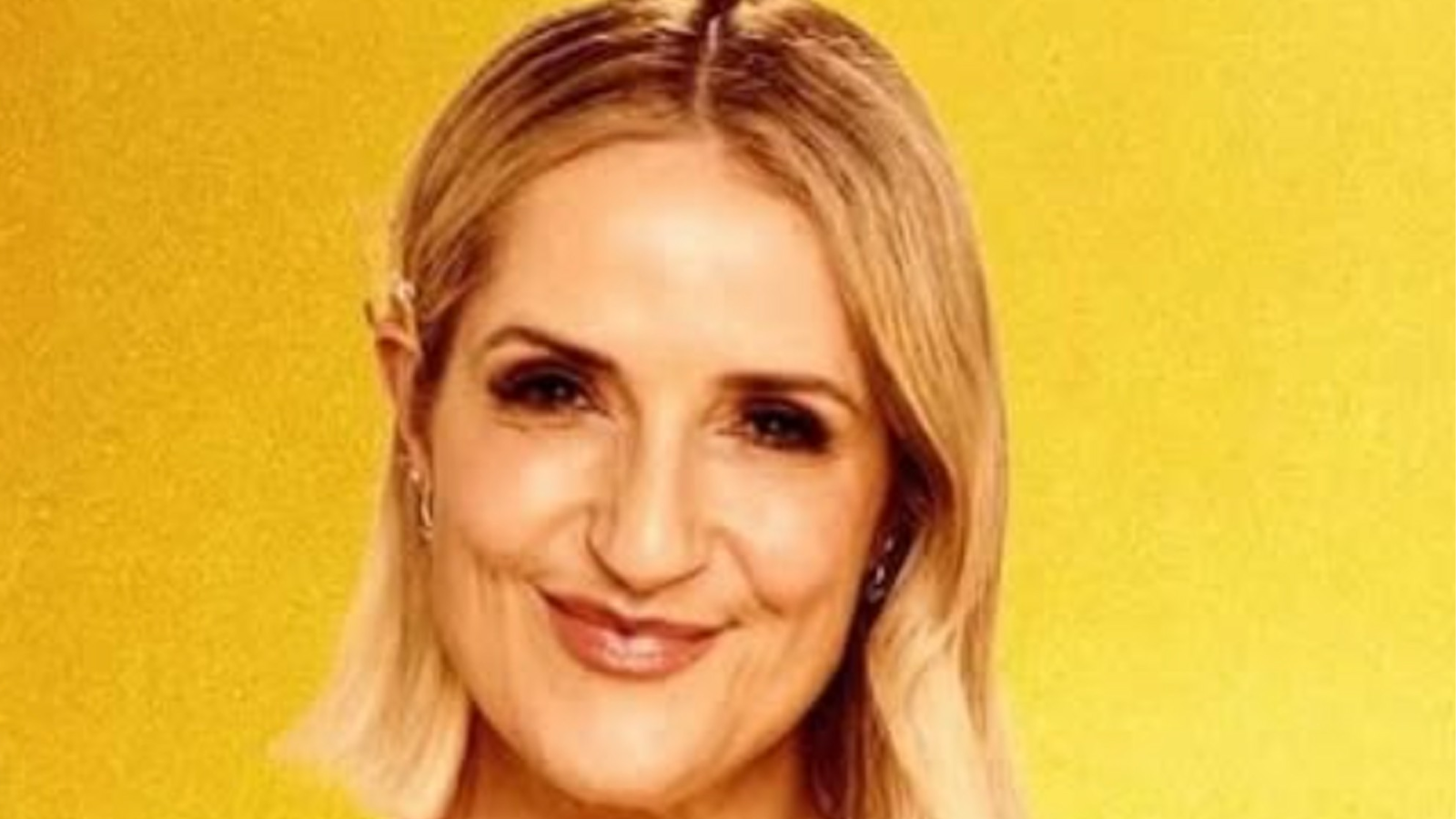
'Those words are in the contract': Bianca Dye on why she wouldn't do 'MAFS'
Media identity Bianca Dye says she would not apply to appear on Married At First Sight.
Speaking on KIIS FM on Wednesday morning, Dye shared her thoughts on participating in the controversial show, after it was revealed this week that three MAFS wives alleged rape and sexual abuse during filming of a UK season.
Nat Penfold asked Dye, appeared on the first season of Nine’s The Golden Bachelor, “You’ve done reality TV in Australia, so how serious, like how intensely do they look into your background before you’re allowed on a show?”
Dye replied, “Well, they did a massive background check on me, and I got a call from one of the producers saying I needed to delete a post. They said, this is something you put up.
“And I panicked, because I thought, oh God, I’ve done so many 10 red wines 3 a.m. on Facebook back in the day. And I was like, what is it? And I won’t say what it was, but I had to delete something from 2016.”
Dye added, “If they go that far back on someone like me, who’s just some schmuck or whatever, why aren’t they going back and finding out that these guys possibly have a history?”
View this post on Instagram
Bianca Dye discusses MAFS UK rape allegations
Co-host Brooklyn Ross suggested, “But it’s hard to know. You can’t tell off social media if a man’s going to do that.”
Penfold then said, “But did you have to do a criminal check? Yes. Police check? Yep. So maybe they haven’t offended or been caught prior.”
Co-host Mike E if the MAFS revelations would deter Dye from reality tv in the future.
“I don’t know if I’d do a Married at First Sight,” Dye said.
“I just worry about… I have interviewed nearly every contestant that’s come off those shows, just doing radio as you guys would have. And they can edit you.
“You literally sign a contract. I had to sign a contract. We can depict you however we see fit. Those words are in the contract.
“That panicked me. And then I went, oh, but I’m a pretty good human.
“I’m a bit of a knob. Everyone would think that though, wouldn’t they? I know. But then I didn’t get a villain edit.
I was lucky because I don’t think I am a villain.
“But the problem is these people want to be famous so badly. They sign their lives away.”
Bianca Dye. Image: Instagram
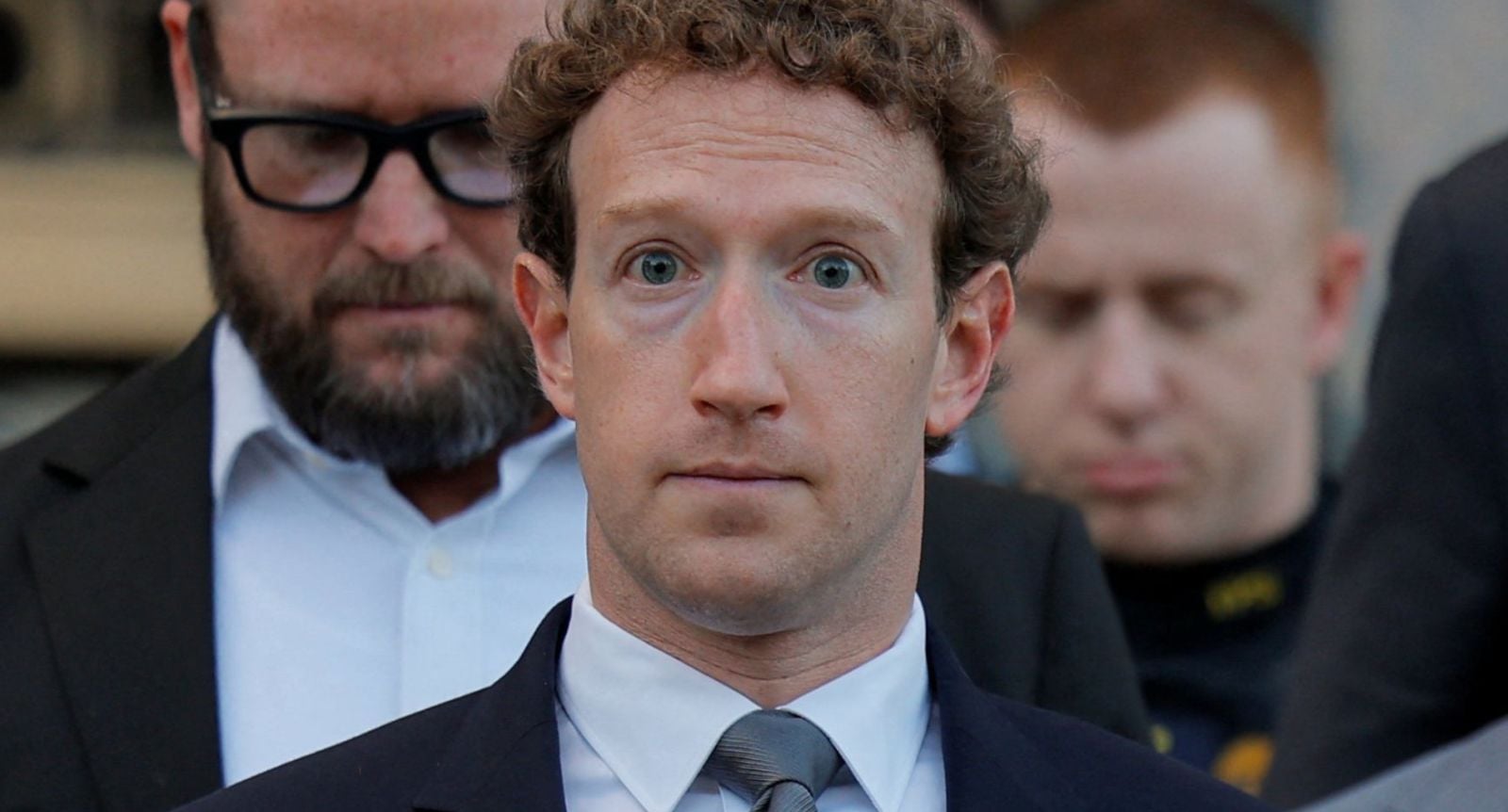
Meta layoffs begin as AI reshuffle accelerates
Meta is preparing to cut 10 per cent of its workforce on Wednesday, with around 8,000 roles expected to be affected as the company redirects resources toward artificial intelligence.
Business Insider reports Meta HR chief Janelle Gale told staff the layoff notifications would be sent in three waves at 4am local time across different regions. The cuts are expected to coincide with organisational changes across the business.
What is changing at Meta?
Gale reportedly told employees that managerial roles would be cut as Meta moves toward flatter structures across several teams.
“We’re now at the stage where many orgs can operate with a flatter structure,” Gale wrote, according to the report.
The company will also move more than 7,000 employees into new AI initiatives. Gale said these projects are important to Meta’s future and had not previously been prioritised at scale.
AI investment drives restructure
The restructure comes as Meta increases its spending in the global AI race. In April, the company forecast 2026 capital expenditure of between $125 billion and $145 billion.
The move places Meta among several major technology companies reshaping their workforces around AI, with employees facing both role cuts and internal transfers.
Meta declined to comment to Business Insider. Reuters has also reported on the internal memo to staff.
Morale under pressure
The planned cuts have weighed on morale inside Meta. One employee told Business Insider staff were “in a holding pattern” as they waited to learn whether their roles would be affected.
Meta leaders have also reportedly told staff they are not ruling out further job cuts beyond Wednesday’s round.
Top image: Meta CEO Mark Zuckerberg
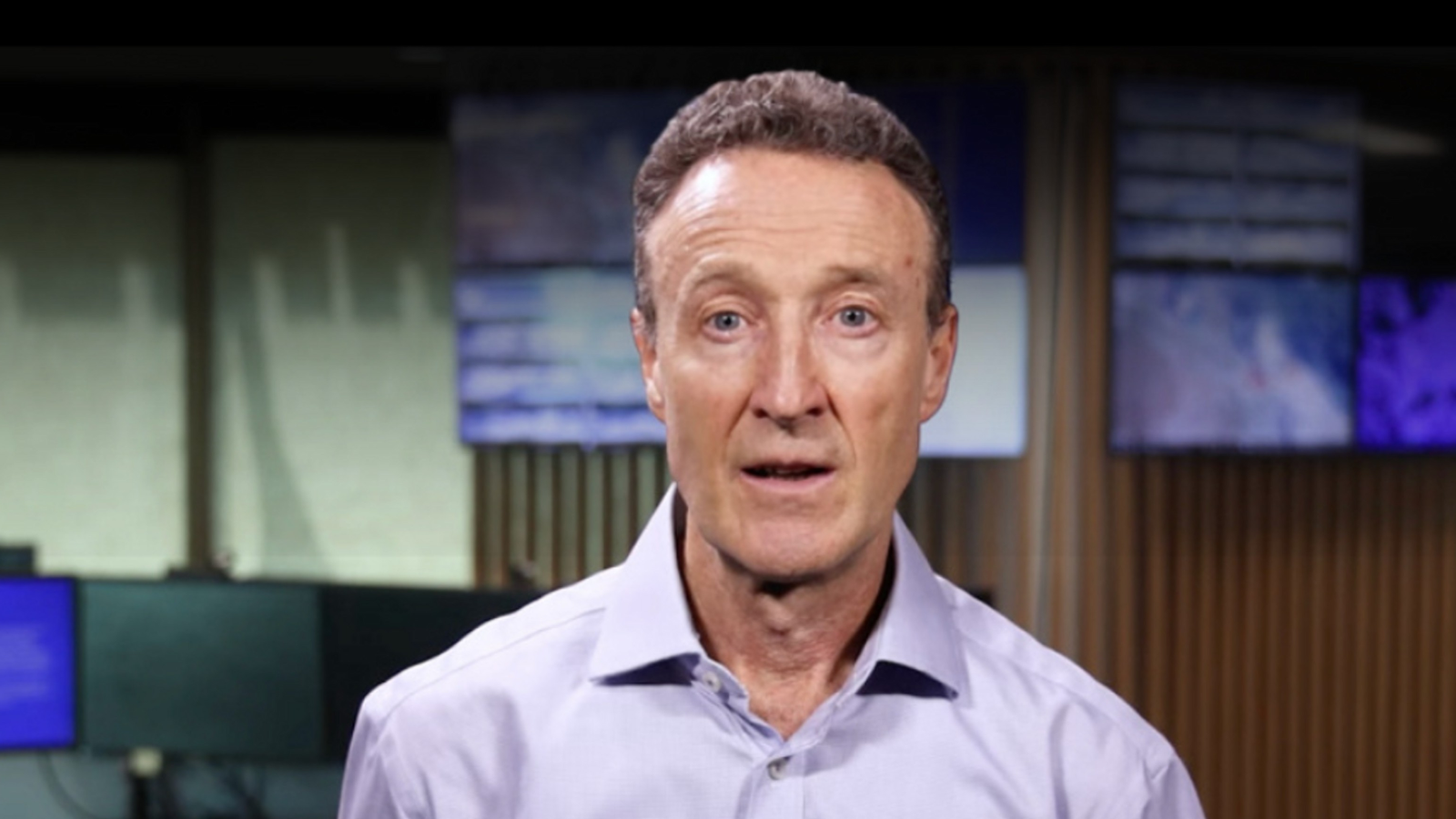
Bureau of Meteorology executive departs amidst $96m website saga
Bureau of Meteorology (BOM) executive Peter Stone, who managed the recent website overhaul, is set to leave his role at the end of June, Crikey reports.
The BOM confirmed his departure on Tuesday, saying Stone had “made the decision to retire”.
Stone is currently is the bureau’s chief customer officer and group executive of business solutions. But it was during his short tenure as chief executive in October 2025 that he attracted controversy.
As the BOM launched its costly – reportedly $96m – revamped website, people noted changes to its rain radar map, which made place names difficult to read.
In the widespread backlash by users, the previous colour scheme on the rain radar and weather map was restored.
Stone said at the time, “We will continue to assess options for further updates and improvements at the same time as pushing on with our efforts to help the community become more familiar with the website.”
In December 2025, Mediaweek reported that the BOM chief executive Stuart Minchin told the ABC: “We’ve heard a significant amount of feedback about the new rain radar and weather map.
“We have added a quick link button from the home page, increased the visibility of the map location pin and made it easier to customise the map.”
The refresh also tightened how warnings are displayed, using yellow and grey indicators to show whether alerts are active or have been recently cancelled.
With an average of two million visits a day, the BOM website remains one of the country’s most heavily visited government services – and one of the most scrutinised.
Since the original revamp, the agency has been inundated with more than 400,000 pieces of feedback as Australians tried to navigate the revamped radar, temperature pages and warnings.
View this post on Instagram
BOM $96m website overhaul
The ABC reports that “Much of the cost can be attributed to the $78 million contract signed with technology company Accenture, which initially started as a $31 million contract and grew across nine extensions.”
The cost of the revamp attracted national attention.
Former radio host Kyle Sandilands even quipped on his show: “Why didn’t they just go to GoDaddy? You can make a website for $30.”
Top image: Peter Stone. Image: Instagram

Disney served with lawsuit over facial recognition at park entrances
Disney has been sued in California federal court, alleging the entertainment goliath used facial recognition technology at Disneyland entrances without proper disclosure.
The class-action suit accuses the cartoon company of violating privacy, competition, and consumer protection laws by using the technology to verify tickets.
The face-scanning technology works by taking pictures of the guest’s face and comparing them to when the ticket or annual pass was first used.
Facial recognition under scrutiny
As per Hollywood Reporter: The complaint claims that the company “does not adequately disclose the use of their biometric collection, so consumers – which almost always include children – have no idea that Disney is collecting this highly sensitive data.”
Disney launched the facial tech at the entrances of Disneyland and Disney California Adventure in April.
Company officials have said the technology’s purpose is to make entering and re-entering the park easier – prevent fraud.
Consent at the centre
The lawsuit argues that signs at four entrances, showing a slash through a silhouette to indicate that visitors can avoid the technology, do not provide meaningful notice.
Blake Yagman, a lawyer for the proposed class of visitors, said guests should have to opt in expressly.
“Guests should be able to expressly opt in to this type of sensitive facial recognition technology with written consent – the onus of privacy rights should not be on the victim,” Yagman stated in the complaint.
“Given how sensitive facial recognition data is, explicit written consent should be required to protect the privacy guests at Disney Theme Parks.”
What the lawsuit claims
The complaint alleges that Disney’s privacy policy states that facial recognition data is deleted within 30 days unless it is needed for legal or fraud-prevention purposes.
But the lawsuit challenges that claim, arguing it “simply cannot be true given the biometric information is compared to when guests first bought tickets or annual passes and associated their pictures with those tickets or passes.”
The complaint also alleges that Disney collects biometric data at other theme parks through MagicBand use and its PhotoPass program.
The proposed class action seeks to represent park visitors who were subject to facial recognition. It is seeking at least A$7 million.
The case comes as facial recognition technology becomes more dominant across sports and entertainment venues. Stadiums and parks have used the technology to prevent fraud, streamline entry, manage crowd flow and support security.
But the lawsuit raises broader concerns about private surveillance and the capitalistic use of sensitive personal information and data.
Disney has yet to react publicly to the complaint.
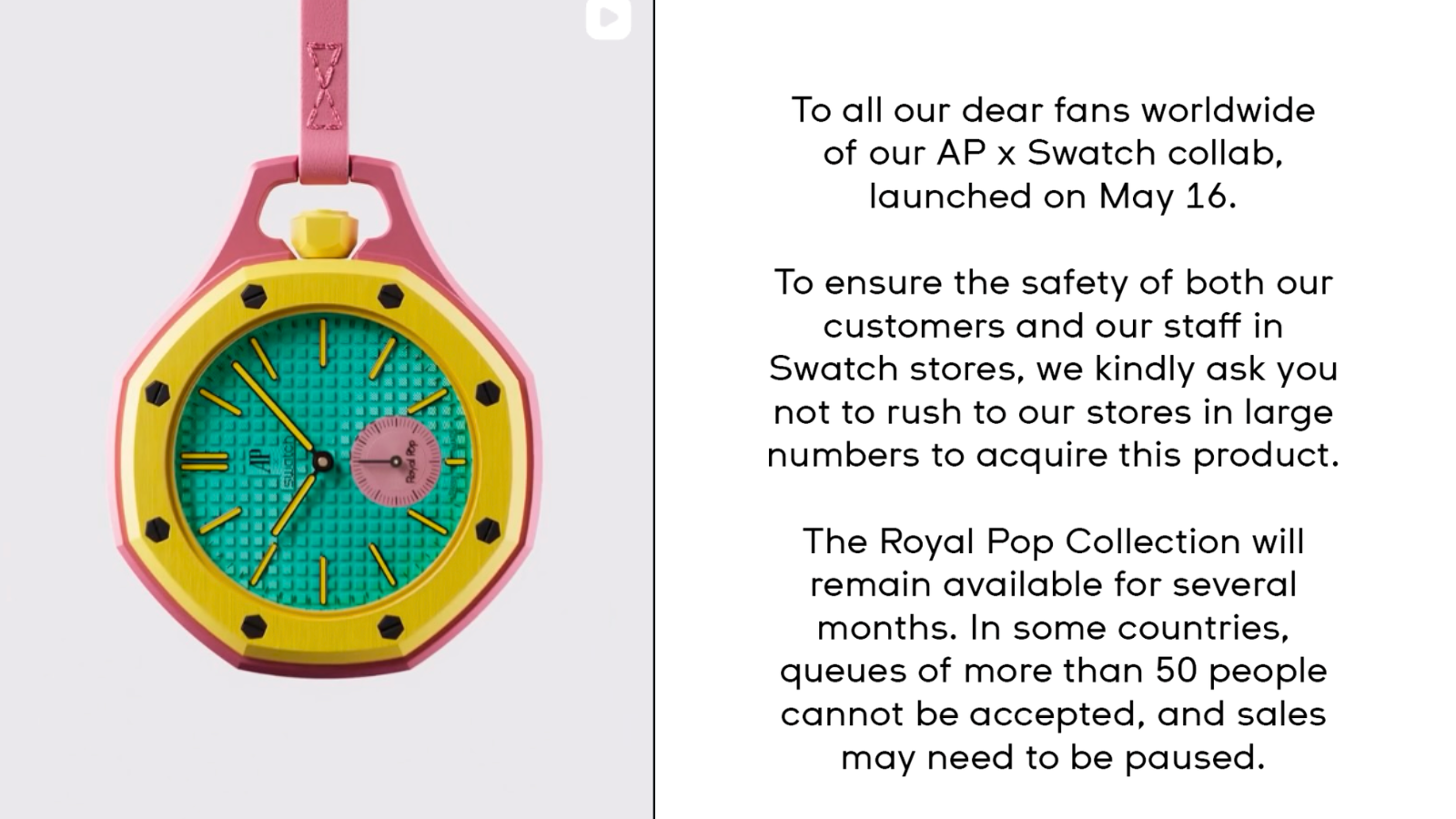
People are brawling over Swatch watches all over the world
Iconic watchmaker Swatch was forced to close its stores in the UK and in some cities in Europe and the US last weekend, after it released a limited-edition watch.
There were all-night queues… that turned into full-blown brawls of shoving and abuse, as shoppers grew tired of waiting and stock began drastically diminishing.
If you’re a younger Gen X like I am, you might have been wondering what the big deal was.
I mean, I loved a Swatch watch in my time… but hundreds-strong crowds brawling?
I vividly recall dedicating in the 1990s constantly harassing my mother for the latest band, or dial, or entire watch. There was nothing cooler to wear on your wrist (to show off to your mates and make your sisters hate you).
But as social media became flooded with unbelievable footage on the weekend, I was certainly wondering, “People are fighting over Swatch watches? Did I accidentally drive a DeLorean?” (Another Gen X icon reference IYKYK.)
View this post on Instagram
What happened with the Royal Pop timepieces by Swatch?
Swatch announced a collaboration with the luxury watchmaker Audemars Piguet – and people lost it on release day.
Police – and police dogs – had to attend to control huge crowds at stores in Manchester, Cardiff, Birmingham, Liverpool, Manchester and Sheffield, in the UK, The Guardian UK reports.
In several French cities, queues of hundreds of people formed overnight from Friday to Saturday.
A police source told The Guardian UK that officers had fired teargas to control a 300-strong crowd outside a Swatch shop in Paris, where a metal shutter and two security gates were damaged.
Swatch brawls went viral last week. Image: Instagram
In the Netherlands, police attended a shopping centre after a huge crowd waited at a store. The store did not open.
In New York, there was pushing and shoving at the opening of the Swatch store in Times Square, according to John McIntosh, who had been in the queue since Wednesday, The Guardian UK reports.
“It was like a mosh pit,” he said.
McIntosh admitted he had hoped to purchase one of the special watches – sold in store for bout $400 – “to resell immediately” at a mark-up.
On Sunday the watches were listed for sale on eBay by UK sellers for up to £3,000. Audemars Piguet watches usually cost more than £15,000.
Swatch later issued at statement to customers.
“To ensure the safety of both our customers and our staff in Swatch stores, we kindly ask you not to rush to our stores in large numbers to acquire this product.
“The Royal Pop collection will remain available for several months. In some countries, queues of more than 50 people cannot be accepted, and sales may need to be paused.”
View this post on Instagram
How is a cult status maintained over decades?
Leigh Lavery, General Manager, The Growth Distillery, spoke to Mediaweek about iconic products with longevity.
Mediaweek: What has kept Swatch a banging brand for decades – or, for that matter, any other brand of cult items?
Leigh Lavery: Swatch is a prime global example of leveraging passions, such as art, sport, music, travel and even breakdancing not to mention actual watch lovers themselves. Through collaborations with a wide variety of artists and creators, these partnerships continually and seamlessly introduce new fans to the brand.
The kicker for Swatch is that they have been doing this for decades, resulting in the compounding benefit of Gen X’s continued ongoing obsession with the brand, plus continual new waves of demand from Millennials and now Gen Z and even Alpha.
MW: Is it the ability to utilise social media, or something more – was the work largely done decades ago?
LL: I personally think it is less about channel selection, and more about partner and passion selection. Simply embracing that humans do have a variety of things that float our boat beyond work and family has paid divedends for decades for Swatch.
The last piece which I believe adds to this perfect storm of demand is consumers embracing and valuing the scarcity of these timeless timepieces. The monetary element is clearly fuelled by this price premium fans put on their passions, and confidence in the future ongoing monetary value. These are truly investments.

You’ve got their attention. Now what?
Adam De Roma, senior advertising sales manager, at Gameloft for brands
The advertising industry has spent the last decade chasing attention as if it were the only metric that matters. More reach. More impressions. More “views” that may or may not have involved a human being.
And yet, if attention alone did the job, we’d all be out of excuses by now.
Because here’s the truth most of us have felt in our bones: a lot of “attention” is just someone waiting for the skip button. Technically present. Mentally elsewhere. Thumb hovering.
That’s the gap we set out to explore in our latest white paper, Attention & Emotion in Play: developed by Gameloft for brands in collaboration with Mediamento Institute and neuroscientist ActFuture.
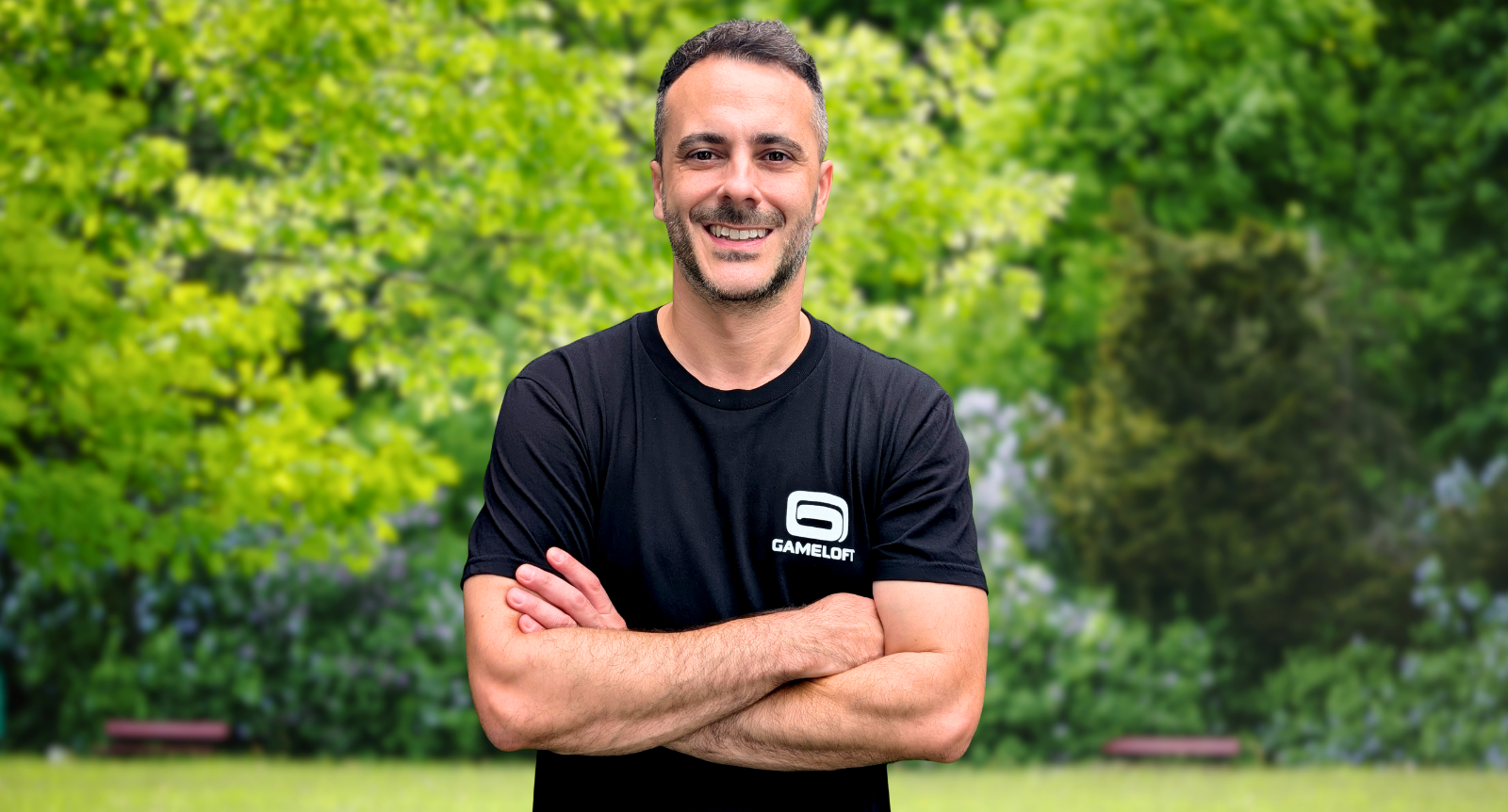
Adam De Roma, senior advertising sales manager, at Gameloft for brands. Image: supplied
The study explored a fundamental question: Is attention without emotion simply exposure?
Using attention tracking and biometric emotional analysis, the research measured not only visual attention levels, but also real-time emotional reactions across gaming and traditional digital advertising environments.
The findings were striking: gaming environments generate two times more positive attentive exposure compared to traditional digital formats.
They also capture 22.3% higher emotional uplift and 2.2 times higher levels of happiness than pre-roll video advertising.
Attention isn’t the outcome. It’s the entry ticket.
Decades of neuroscience and behavioural research point in one direction: emotion plays a central role in what people remember and how they decide. In advertising terms, emotion isn’t a soft metric. It’s the thing that turns a message into memory. And memory is what turns into action.
So the question becomes: ‘Where do you find real attention and real emotion, at the same time, in a media world designed to distract?’
You find it in one place people are voluntarily concentrating.
Gaming.

In Australia, gaming isn’t a side hobby. It’s mainstream. Image: supplied
Gaming isn’t a niche in Australia. It’s the default.
In Australia, gaming isn’t a side hobby. It’s mainstream. 82% of Australians play video games and 94% of households have a gaming device. That’s not “emerging”. That’s a mass reach.
It’s intergenerational, gender-balanced, and already baked into everyday life. And it’s a fundamentally different kind of media moment.
On the open web and in video feeds, the environment trains people to avoid ads. Countdown timers. Clutter. Tabs. Notifications.
In gaming, players choose to be there. They’re actively involved, problem-solving, progressing, winning, losing, and retrying. They’re not watching a story unfold.
They’re inside it.
Which means audiences don’t just see advertising. They experience it.
Not all attention is equal
Passive exposure is a different psychological state from active engagement, and most digital environments cater to passive, fleeting glances. Gaming, by design, creates sustained, intentional focus.
Our research indicates that gaming can deliver up to 92% sustained attention in-game, along with stronger emotional response compared to traditional digital video formats. We’ve seen lifts in core brand outcomes too. +25% ad recall, +29% brand consideration, and +24% purchase intent in the right conditions.
This is the part where the industry must stop treating gaming as “something to test”.
Stop ‘testing’ gaming. Start planning for it.
Fortunately, some brands are already there.
Through global ecosystems like COMBO!, Gameloft for brands’ gaming network that reaches 1.3 billion players worldwide, advertisers are increasingly using gaming to create deeper, more emotionally resonant brand experiences.

Gameloft for brands’ gaming network that reaches 1.3 billion players worldwide. Image: supplied
Utilising in-game advertising, custom integrations, branded experiences, and creative that behaves like part of the culture rather than an interruption to it.
Others are still acting like it’s 2014 and the audience is only teenage boys in a basement.
It isn’t.
Gaming in Australia is a family connection, a time-filler on commutes, a daily ritual, and a competitive release. It’s people choosing to focus on a world that constantly steals it.
So yes, attention still matters. But the industry needs to mature a bit. Attention is the beginning, not the end.
As the industry moves into 2026 planning cycles, the question is no longer whether gaming deserves a place in the media mix.
The real question is whether brands still want to optimise for passive exposure or for the kind of positive attention and emotional engagement that actually drive outcomes.
Because in today’s fragmented media landscape, attention may get you noticed.
But emotion is what makes people remember.
And gaming is one of the few environments capable of delivering both at scale.
Download the Attention & Emotion in Play white paper here
Feature image- Gameloft: supplied. Sponsored content.
The most expensive 12 weeks your business never planned for
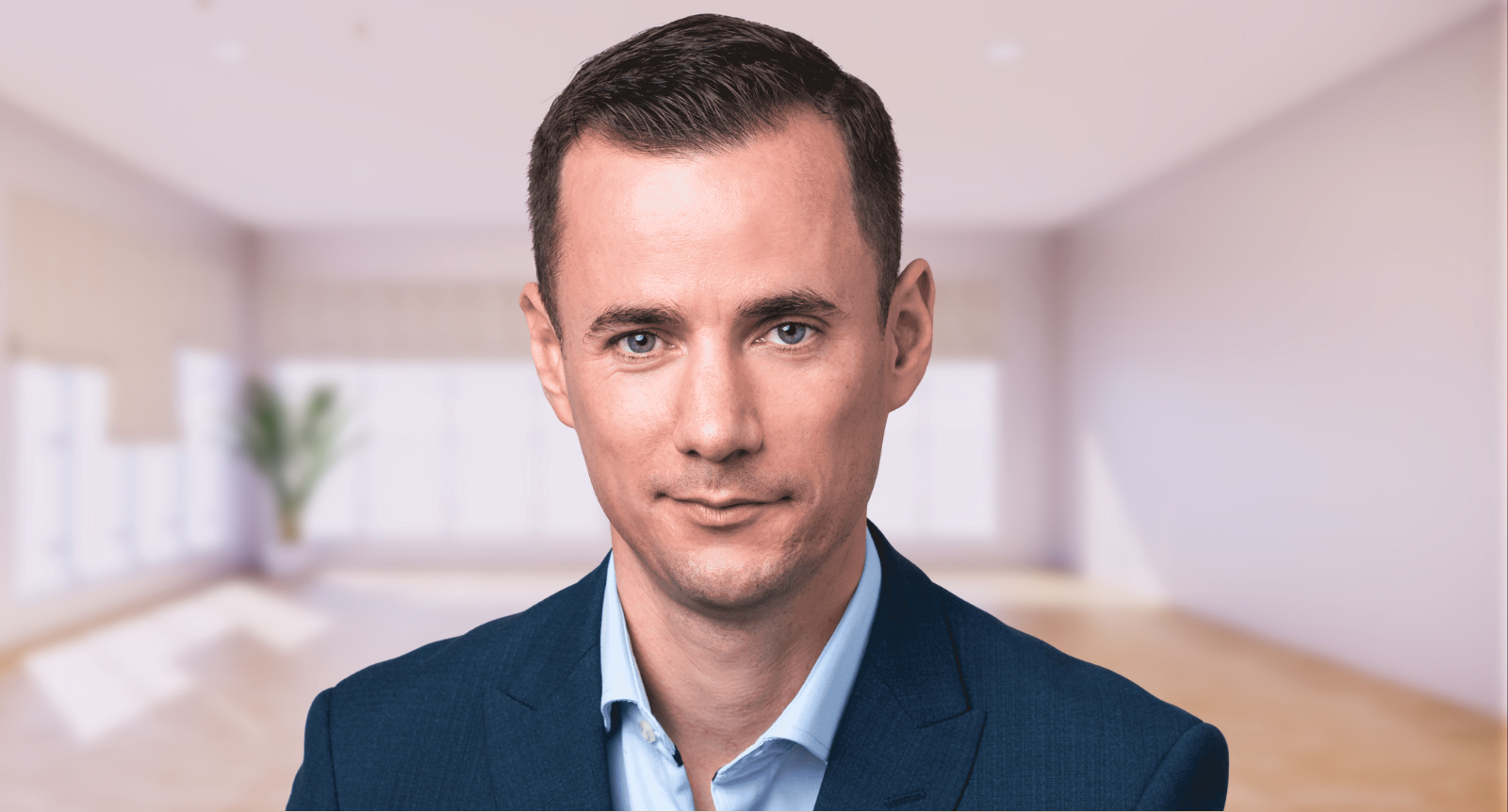
Paul Sinkinson, managing director (Asia and Australia), Analytic Partners
Just seven weeks into the current Middle East conflict and the data is stacking up showing just how much businesses are being impacted. Across Asia and the Pacific leadership teams and boards are meeting to assess the long-term commercial consequences and make some tough decisions.
The facts are stark recent analysis found just 12 weeks of stock disruption is enough to erase 1.5% of annual sales. That figure, drawn from commercial analytics data aggregated across thousands of businesses globally (Analytic Partners’ ROI Genome), is what Australian executives should be stress-testing their operations against.
Early interventions and market reality
Governments across the region are already stepping in with measures that signal just how material the disruption has become. Australia is managing fuel supply pressures, the Philippines has declared a national energy emergency and Singapore has issued electricity conservation directives.
These are not precautionary signals; they are early-stage interventions that flow directly into higher operating costs, constrained supply and shifting consumer behaviour. For businesses, this is where macro disruption becomes commercial reality and where delayed decision-making starts to carry a measurable cost.
The balancing act for many will be how to reduce costs whilst maintaining demand and ensuring there is enough product on hand to meet that demand. Availability is the pressure point. When a product disappears, customers don’t wait, they switch.
And once they switch, competitors have the opportunity to reset loyalty, making that lost share far harder to recover.
With fuel costs spiking, input costs rising and budgets being continually squeezed by inflation, the conditions that drive consumers to switch brands become more acute and the probability of lost customers reverting back to your business is lower. All of which means, the time to act is now.
The cost of waiting
The commercial data from COVID-era disruption is instructive here. Our ROI Genome also tells us that businesses that held their operational and investment position through disruption recovered revenue faster when conditions normalised. Those that made deep cuts, particularly to activities like marketing that maintain consumers’ familiarity with the brand, found the recovery slower and more costly than the savings from the cuts.
All the data shows the consequences of pausing marketing activities, even for a quarter, often hit your brand equity six to 12 months after the change, when they are hardest to attribute and reverse.
The pricing cascade
The cascade running from energy costs into inflation, from inflation into pricing decisions and from pricing decisions into customer loyalty is already in motion.
The instinct of most businesses facing rising supply chain costs right now is to raise prices. But price elasticity is not an industry average – it is category-specific, company-specific and market-specific.
What you do with your price in isolation barely matters. What matters is what happens to your price relative to every other price in the category. Your competitors are likely facing the same cost pressures, so your decision should be how you adjust relative to them, not how much you need to move to protect a margin that may already be gone.
Adapt or face the costs
Businesses that had built genuine pricing power before this moment – enough differentiation that customers will absorb a price increase rather than switch – are in a materially different position from those that competed primarily on price. Something like the Middle East conflict can’t create that gap, but does expose it for all to see.
Most business plans were built to optimise, not to adapt. Executives must realise that assumptions about cost, demand and consumer behaviour embedded in those plans have fundamentally shifted.
Executing against them unchanged isn’t prudence, it’s the pretence of stability in conditions that are clearly not stable.
In the grand scheme of things, 12 weeks is not a long time. But for the businesses that are yet to reckon with what this conflict is actually doing to their revenue, it may already be the most expensive year they never planned for.
Feature image- Paul Sinkinson, managing director (Asia and Australia), Analytic Partners: supplied.