

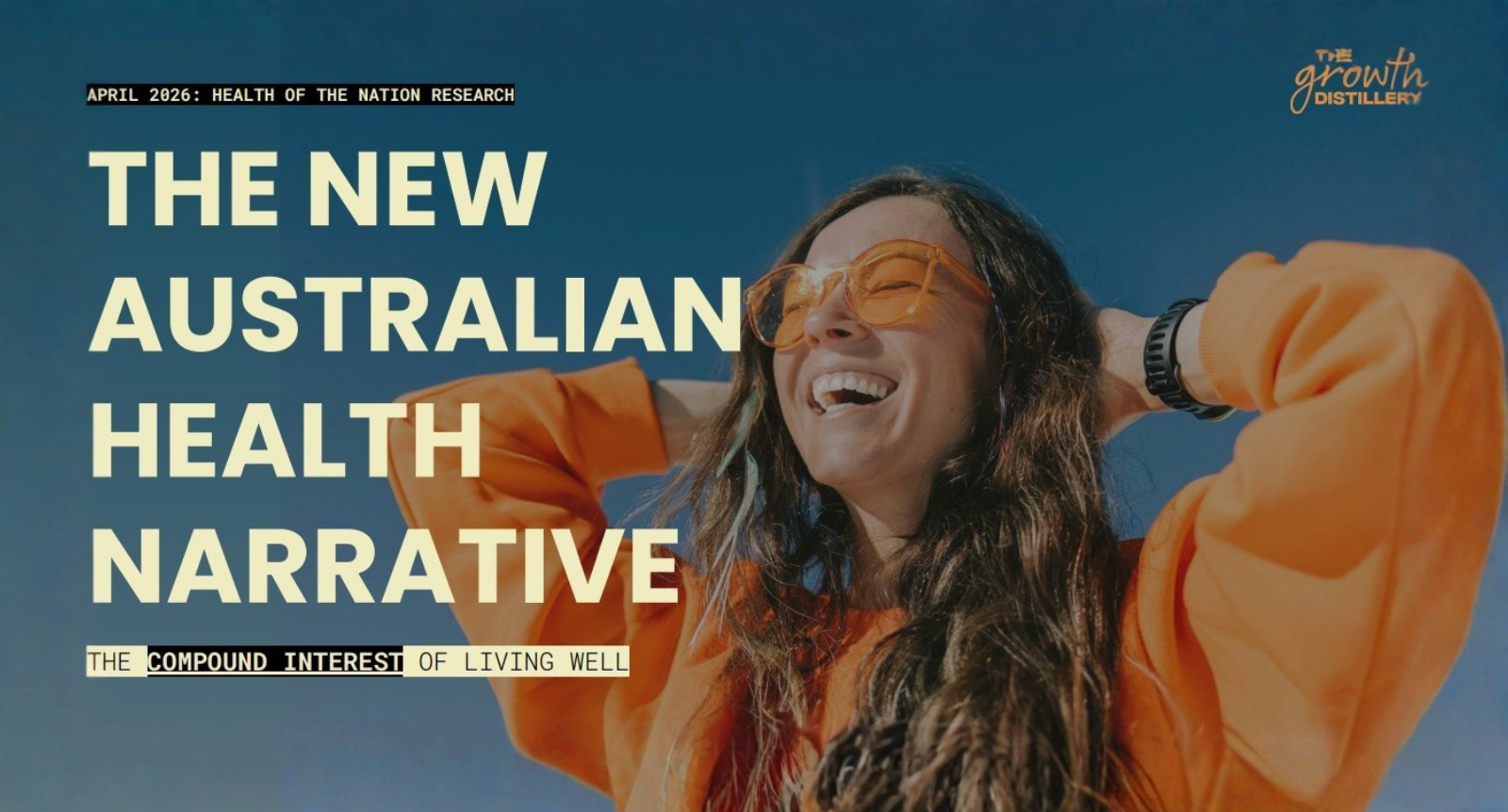
Australians are moving away from aspirational health transformations and towards maintaining their current wellbeing, according to new research from News Corp Australia’s Growth Distillery.
The report, The New Australian Health Narrative, found 57% of Australians are now content with their current health status, while happiness (54%) has overtaken weight loss (39%) as the nation’s top health goal.
The findings point to a broader reset in how Australians approach health, with traditional “new year, new you” messaging losing traction.
Instead, consumers are prioritising consistency and self-directed wellbeing, with personal research emerging as the leading influence on health decisions, ahead of professional advice.
Meditation and mindfulness ranked as the most popular health and wellbeing practice, while 68% of respondents said they are eating for functional benefits such as gut health and energy, rather than weight loss.
Cost pressures are also shaping behaviour, with 38% of Australians modifying their fitness habits to make them cheaper or free.
Implications for brands and marketers
The research positions the shift as a challenge for brands still relying on transformation-led messaging, warning that such narratives are increasingly creating friction rather than engagement.
Instead, Growth Distillery recommends brands focus on supporting consistency, enabling autonomy, and designing low-friction, affordable health solutions aligned to everyday life.
Felicity Cantwell, brand and content manager at The Growth Distillery, said the findings signal a clear pivot in consumer expectations.
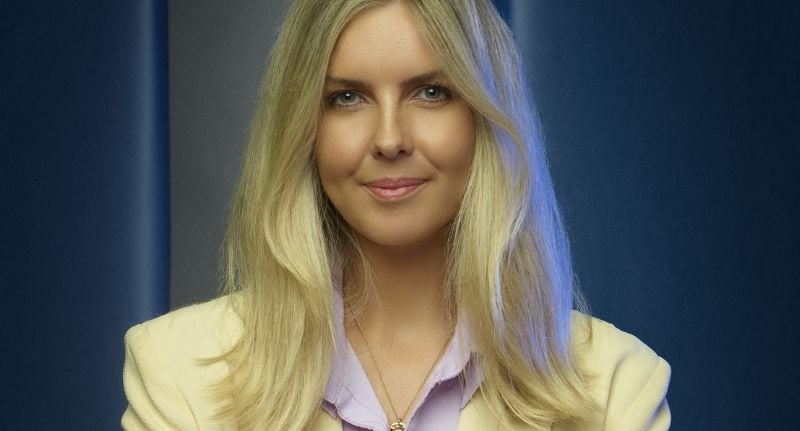
Felicity Cantwell
“The transformation narrative is broken. Australians want brands that help them maintain consistency, not promise radical overhauls. Success for brands will come from designing for real life: time-poor, cost-conscious consumers leading their own health journey and measuring success by how they feel, not how they look.”
The report ultimately reframes how progress is defined in the health category, shifting the focus away from external metrics towards personal well-being and emotional outcomes.