


The Australian Communications and Media Authority (ACMA) has ruled that an episode of Four Corners breached the ABC’s code of practice.
The regulator found that the August 2024 episode, Water Grab, failed to meet accuracy and impartiality requirements after incorrectly suggesting that a Northern Territory pastoral station had illegally used fire to clear land for cotton production.
That assertion, the regulator said, was not supported by sufficient evidence and was likely to mislead a reasonable viewer.
While the ABC argued it had made reasonable efforts to contact the landowners and relied on contextual clues, the ACMA ultimately found that wasn’t enough. In particular, the regulator said the program should have made clear that the cause of the fire was uncertain rather than presenting it as a factual conclusion.
That failure tipped the segment into a breach of the accuracy provision.
Notably, the authority dismissed a separate accuracy complaint regarding a 10,000-megalitre water licence linked to cotton production, finding that the program’s portrayal of the issue was supported by available data.
The ACMA determined the ABC did not have sufficient evidence to support the allegation and failed to take reasonable steps to verify the claim before broadcast.
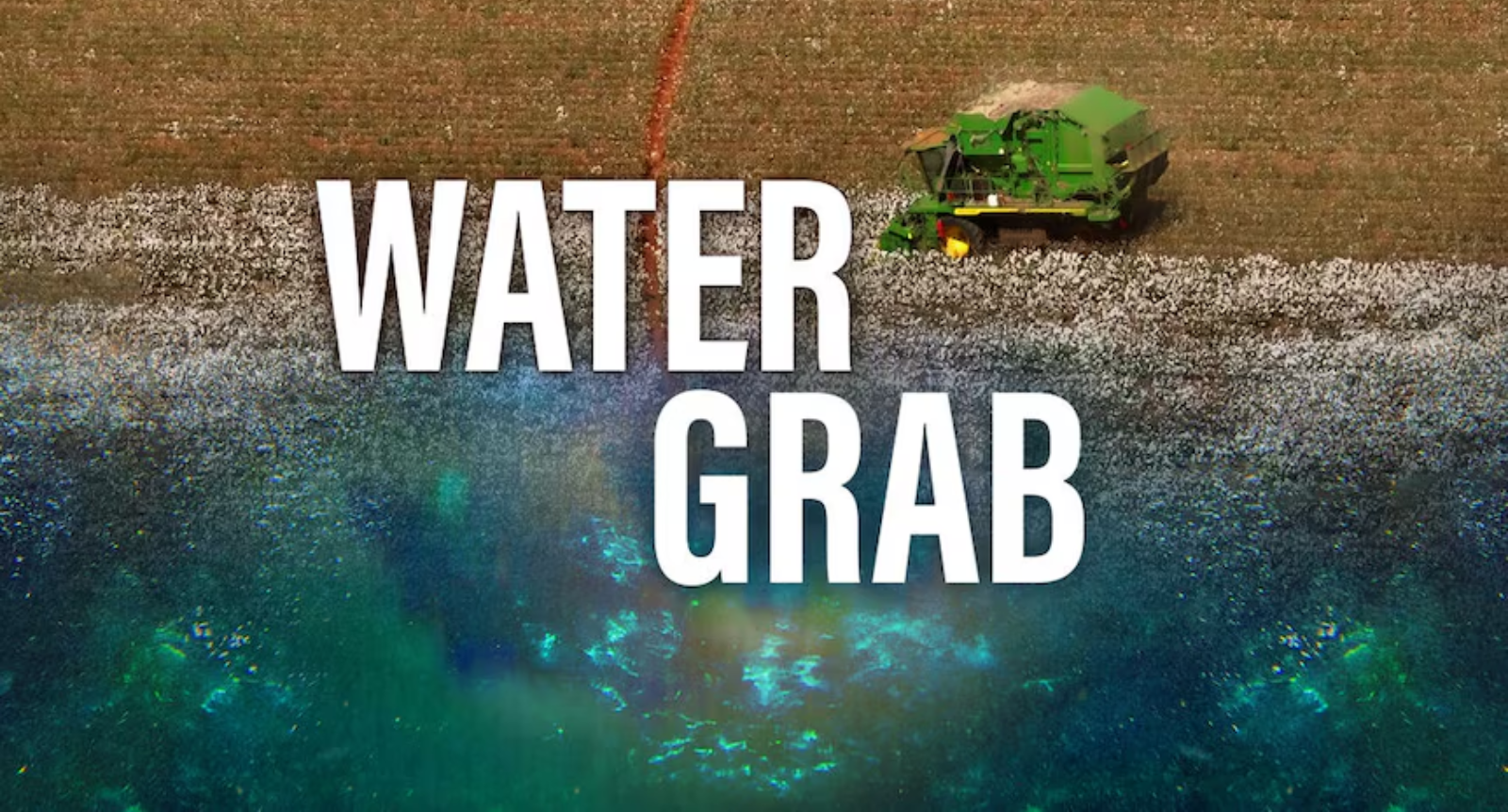
A still from the episode found in breach.
Impartiality concerns in a contested debate
Beyond the factual misstep, the ACMA also found the episode fell short on impartiality.
The investigation concluded the program leaned heavily towards critical perspectives on the cotton industry, with limited representation of opposing or contextual viewpoints.
While the ABC did include some counterpoints, including from the Northern Territory environment minister, these were outweighed by voices raising environmental concerns.
The regulator acknowledged that not all perspectives need equal airtime and that current affairs programs can take a stance. But in this case, it found the balance tipped too far.
Crucially, the ACMA pointed to the omission of contextual industry data and a lack of alternative scientific framing as factors that reduced the audience’s ability to form their own informed view.
A near miss in parts, but not enough overall
Interestingly, the ruling stops short of condemning every aspect of the episode’s approach.
On some elements, including broader claims about water use and the size of the cotton industry, the ACMA found that the program approached the threshold of non-compliance but ultimately did not breach the code.
That nuance matters. It suggests the issue wasn’t simply about editorial stance, but about how far a narrative can stretch before it loses its footing in evidence and balance.
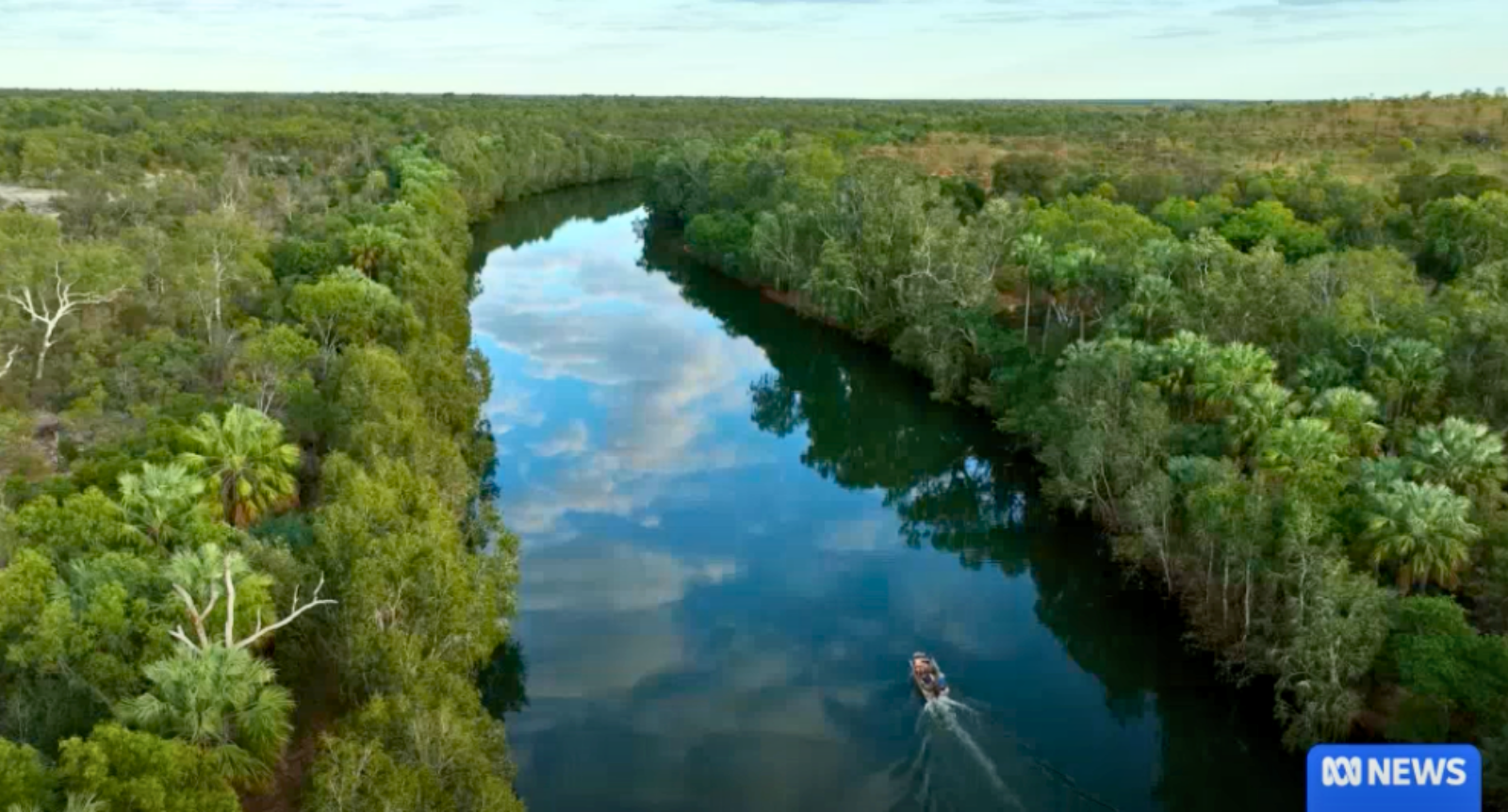
A still from the episode found in breach.
Crucial responsibility
ACMA chair Nerida O’Loughlin said the responsibility to properly test facts was critical, particularly in complex and contested reporting.
“The ABC should have stopped to consider whether it had sufficient supporting evidence to include the statement about the fire,” Ms O’Loughlin said.
“This type of assertion can have a significant adverse effect on the reputations of those involved, so reasonable efforts must be made to ensure any claims are accurate and presented in context.
“Australians expect rigorous, fair and factual reporting on complex and contested public issues. Our view is that parts of the program did not meet the ABC’s own standards for accuracy and impartiality,” Ms O’Loughlin said.
The ABC will publish an editor’s note and clarification outlining the breach finding.
In response, the broadcaster has increased its accuracy and impartiality training for news journalists and will introduce additional training for senior editorial staff overseeing investigations.