

Forget the algorithm for a hot second.
While the smoky, sweaty, and pulsating atmosphere that breathes life into every pub gig may seem worlds away from the precise data-driven world of Spotify, the team behind the music streaming service insists the two universes are more closely aligned than many would believe.
“The thing about live events is that, for us, it’s almost the zenith of connecting the artists with the fans,” Ben Watts, Spotify’s Australian and New Zealand head of music, told Mediaweek.
Watts is talking about Turn Up Aus, Spotify’s homegrown initiative to get Australian artists heard, and seen, and felt, both locally and abroad.
“Live events are also where you build memories. They’re the things that provide that extra magic,” he said.
“We want to support live where we can and get involved in it while we’re a streaming platform; it’s still part of the musical experience we want to be involved in.”
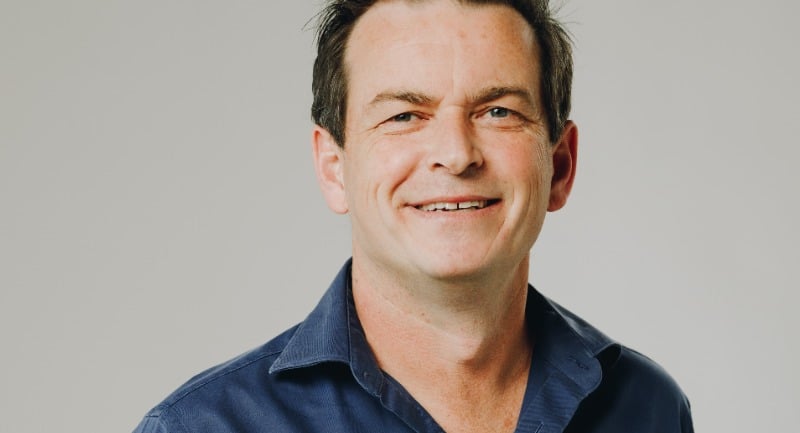
Ben Watts
Live music’s growing pains
That commitment comes at a time when the live music sector is under real pressure, a reality Watts isn’t shying away from.
“There have been challenges with the live music industry. That’s something we can’t ignore, and so I think for us it’s been about looking at those challenges and seeing where we can help,” he said.
One practical response: event discovery, built directly into the platform.
“We’ve launched live event listings on Spotify and on event pages so you can look up local venues, see who’s playing, and connect the artists you’re listening to on the platform to those live events,” Watts said.
READ MORE: Spotify data reveals Australian music’s global takeover
READ MORE: Spotify’s record $11bn music payouts in 2025 set the stage for higher subscriptions
Consolidating under one banner
Turn Up Aus itself, Watts explained, isn’t a standalone campaign so much as a container for work Spotify was already doing.
“Turn Up Aus is the brand platform initiative. And we call it a brand from a marketing point of view, but I also think it’s a global rallying call,” he said.
“So it really sits across all of those endeavours we were already doing to support the industry, kind of consolidating them under one brand, if you could say, and then taking it to the next level.”
Since launching, the initiative has supported more than 500 Australian artists through editorial, marketing and live events, put local acts on more than 1,000 billboards from suburban streets to landmark locations overseas, and brought more than 2,000 fans closer to artists through exclusive live experiences.
Australian artists were streamed 223 million more times by Australian listeners in 2025 than in 2024, according to Spotify.
The latest chapter, Turn Up Aus Live, revives the classic pub gig format.
Billed as a “love letter to Australian music and the fans who keep it alive,” this year’s series centres on a residency at The Bat & Ball in Sydney, with a run of completely free gigs.
Building fandom, not just listens
For Watts, the point of all of it – the billboards, the gigs, the event listings – is what happens after someone streams a song.
“One of the key things about Turn Up Aus is about making more than just a connection between hearing a song you like and just listening to it – this is about connecting that with the artist and then building fandom out of that. That’s what will drive artists and their careers in the long term, which is what we’re trying to do,” he said.
That fandom, it turns out, isn’t confined to Australia.
The Philippines and Brazil are now the two biggest growth markets for streaming Australian artists internationally, with Australian acts streamed 202 million times in Brazil and 142 million times in the Philippines in March 2025 alone.
Pop is the genre driving that appetite in both markets, with Indonesia, Mexico and France also emerging as growth markets.
Total export streams of Australian artists on Spotify grew 37% between March 2021 and March 2025.
Dance remains the biggest international export by genre, with Australian dance anthems streamed more than 1 billion times by listeners outside Australia in March 2025 alone. Pop placed second, with electronic music rounding out the podium.