


BBC accused of antisemitism after editing intifada coverage
It relates to an article on its website described Palestinian uprisings as “largely unarmed and popular".

The BBC is facing fresh accusations of antisemitism after an article on its website described Palestinian uprisings as “largely unarmed and popular", minimising the violence against Jewish people and offering a distorted view of history.
As The Telegraph UK reports, the wording, published on the BBC News website this week, was later amended following complaints from staff and readers.
The article appeared in the context of reporting on Metropolitan and Greater Manchester police warnings that people chanting “globalise the intifada” could face arrest at demonstrations. The phrase has been used increasingly by pro-Palestinian protesters since the October 7 terrorist attacks of 2023.
The original article's wording:
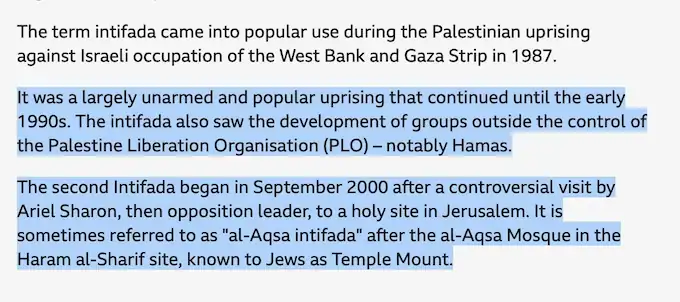
In explaining the origins of the term, the BBC said “intifada” came into popular use during the Palestinian uprising against Israeli occupation of the West Bank and Gaza Strip in 1987, adding that it was “a largely unarmed and popular uprising that continued until the early 1990s”.
Critics say violence and deaths were minimised
That description quickly drew criticism for omitting the scale and nature of violence associated with both the first and second intifadas.


The leading media trade publication in Australia.
Get our top stories straight to your inbox daily by signing up to our Newsletter
By providing your information, you agree to our Terms of Use and our Privacy Policy. We use vendors that may also process your information to help provide our services.
Across the two uprisings, more than 1,000 Israelis were killed in suicide bombings, shootings, rocket attacks and other acts of terrorism, alongside thousands of Palestinians killed by Israeli forces.
Former BBC Television director Danny Cohen described the original wording as “appalling” and “deeply offensive”.
“It is deeply offensive to the families of those murdered in the intifada - terrorists slaughtered more than 1,000 during that bleak time,” Cohen said.
“This will undoubtedly be very distressing to many in the Jewish community. The BBC continues to claim it has no problems with anti-Israel bias. This is yet more disgraceful evidence that is not the case.”
Cohen also warned that the BBC’s language risked contributing to a broader climate of hostility.
“The antisemitic violence Jewish people are experiencing around the world, as we saw just last weekend, is given fuel by this kind of false reporting,” he said.
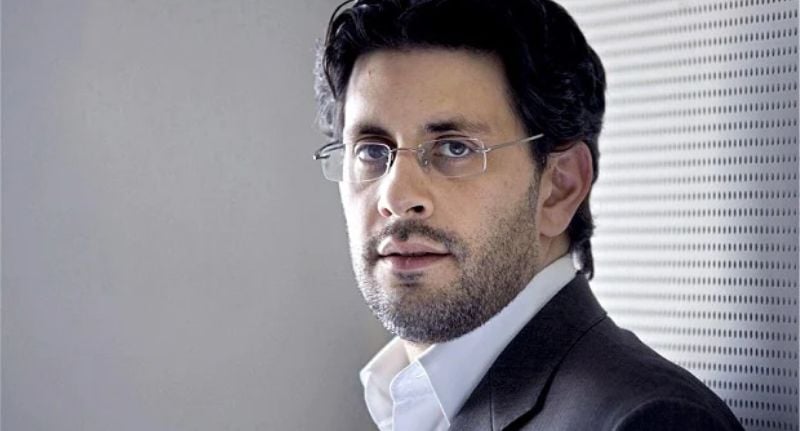 Former BBC Television director Danny Cohen
Article edited after complaints from staff and readers
According to The Times, the article prompted complaints from BBC staff before it was amended.
The revised version reframed the term “intifada” as contested, stating that some view it as “a call for peaceful resistance to Israel’s occupation”. In contrast, others regard it as “a call for violence against Jewish people”.
A BBC spokesperson said the changes were routine.
“It’s routine for us to update stories to make them clearer for audiences; in this case we did so with language that more clearly explained the context of the term ‘intifada’,” the spokesperson said.
The episode has reignited scrutiny of the BBC’s editorial culture, following an internal memo sent to board members by a former independent editorial adviser that warned of “a desire always to believe the worst about Israel” among some staff.
More from Mediaweek
The leading media trade publication in Australia.
Get our top stories straight to your inbox daily by signing up to our Newsletter
By providing your information, you agree to our Terms of Use and our Privacy Policy. We use vendors that may also process your information to help provide our services.


.jpg%3Fv%3D1787182076622&w=3840&q=75)

