

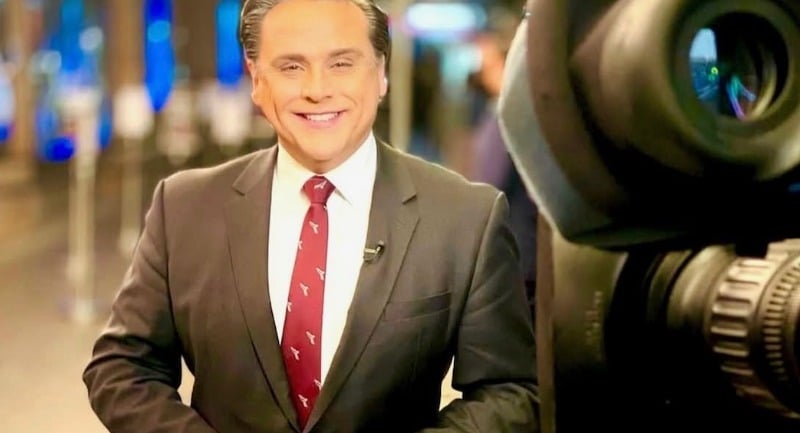
After more than 30 years of “bottling it up”, veteran television newsman Allan Raskall has decided he is tired of “coping with things on my own”, releasing a video to Instagram detailing years of “unfortunate incidents” in which he was touched inappropriately by both men and women.
Raskall’s easy, bonvivant presence on screen belies a considered privacy that he admits to Mediaweek was hard to break when he decided to detail his struggles.
That on-screen presence was built over three decades in the industry. Raskall began his television career in Sydney before transferring to Darwin for three years, then moved to Melbourne with Nine for six years, followed by around six or seven years at Network Ten.
“After that, when I turned 40, I quit and did freelancing,” he said, going on to work across Seven and SBS for three years before returning to Nine in a freelance capacity for 11 years – a stint that ended around two years ago. During his time, Raskall built a reputation for versatility and commitment, including regular appearances on The Cheap Seats as part of his on-the-road, immersive approach to news stories.
“It was something that I thought long and hard about. It is something that I took a few takes to do,” Raskall said.
View this post on Instagram
Why he decided to speak out
Raskall said filming the video required him to step away from the camera more than once.
“I actually had to catch myself, walk out of the room, come back in because I’m dealing with such incredibly personal things,” he said.
“It did catch me off guard, and I had to go out, catch my breath, and wipe away some tears because I had to relive a few things in my own head.”
He said the decision was prompted by watching colleagues speak publicly about their own experiences in the industry.
“Over the years, I’ve seen a number of our colleagues talk about their experiences in the industry. I like to accentuate the positive and eliminate the negative. But that’s not to say there aren’t some negative things that have happened to me over the 30-plus years that I’ve been in the media,” Raskall said.
“The reason I did that was not to diminish the stories or experiences of anyone else, particularly women. But I just wanted to point out that some of those experiences also happened to blokes.
“I wanted other blokes to know it can happen to blokes, but I also wanted to almost encourage other blokes, should they feel that way inclined, to maybe talk about some of their experiences as well,” he said.
Raskall said the response has borne that out.
“To be honest, I think it’s achieved its aim because I’ve had many, many messages, lovely messages of support from both men and women,” he said.
“But among those messages, both public and in DMs, I’ve had others saying, ‘I’ve experienced this as well.’ And also saying, ‘Thank you for speaking out'”.
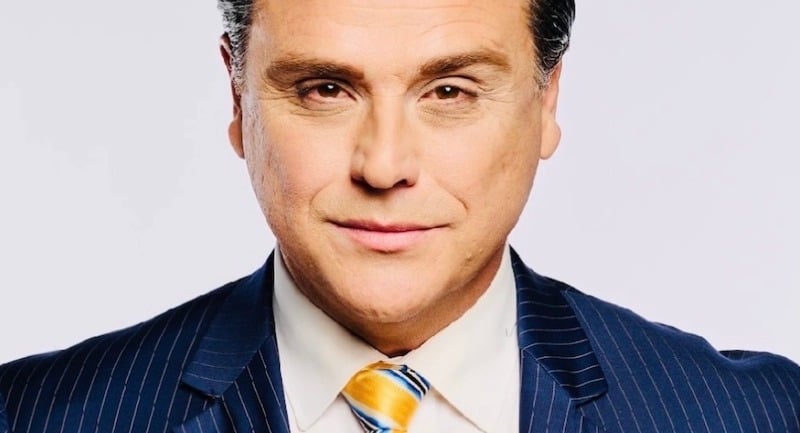
Allan Raskall
What actually happened
Raskall said the good in his career has always outweighed the bad, but that the bad has still been considerable.
“Over the 30-plus years, obviously, as I said, my fun experiences and good experiences in media far outweigh the bad, but that’s not to say there haven’t been some unfortunate incidents. I have been touched inappropriately by both men and women,” he said. “The pat on the backside, the go-to grab your genitalia, the go-to kiss you on the lips.”
He described a workplace culture that extended beyond individual incidents.
“I have been intimidated. I have been bullied. I have been sidelined. I have had to put up with, sadly, petty professional jealousies, whereas I always try to celebrate my colleagues. It’s really sad when anyone tries to tear someone else down, and I’d never do that,” Raskall said.
The pressure, he said, wasn’t confined to the newsroom.
“While you’re trying to put up with some of those things over the years, you’re also having to put up with your public persona. When you’re out on the road, you are abused verbally. I’ve been physically attacked. I have had stalkers, and I have had people threaten my life. And you are really left to deal with it all on your own.”
READ MORE: Nine, Microsoft sign Australian-first AI news content deal
READ MORE: ‘Hey, you’re the bloke on TV’: The day Michael Usher got punched on assignment
Why it’s harder for men to speak up
Raskall said the reluctance among men in the industry to discuss these experiences reflects a broader cultural pattern.
“It’s not an easy thing to talk about as a bloke. I’m sure it’s not an easy thing to talk about as a woman, but as a bloke, it’s barely spoken about,” he said.
“I think in our society, particularly in Australia, blokes are blokes and burly blokes. You think it’s cop it on the chin and toughen up, buttercup. Blokes don’t tend to talk to other blokes or anyone about these types of things. It seems women are more comfortable, maybe talking about these issues with other women and others, but blokes tend to just internalise everything, and they just bottle it up.”
Asked how it felt to receive the flood of responses, Raskall said even a single message would have justified making the video.
“I’m very touched to have received any of those types of messages,” he said.
“But when it came to the messages from the blokes, I thought, well, the video, even if I’ve only helped one person to acknowledge what has happened to them, then the video has achieved its aim.”
Main image: Allan Raskall