



How a friendship forged two decades ago helped Lyndall Spooner grow 5D
Despite running seperate companies, there's never been any frenemy energy between Spooner and Social Soup's Sharyn Smith.

Female friendship can be a particularly fickle beast. In some corners, it’s framed as a quiet battleground, with encouragement laced with envy and support that comes with conditions.
In others, it becomes something else entirely, a kind of unspoken infrastructure that holds everything up when work and life start to blur.
As 5D marks its 20th year, founder Lyndall Spooner is offering a rare, real-world case study of the latter. Not through a framework or a data set, but through a relationship, one that has quietly run in parallel to the business itself.
At its centre is Sharyn Smith, founder of Social Soup, and a friendship that has spanned more than two decades, outlasting restructures, startups, sleepless nights, and the slow, sometimes unforgiving grind of building something from scratch.
“There's never been any jealousy at all, ever,” Spooner told Mediaweek.
And yes, she's serious.
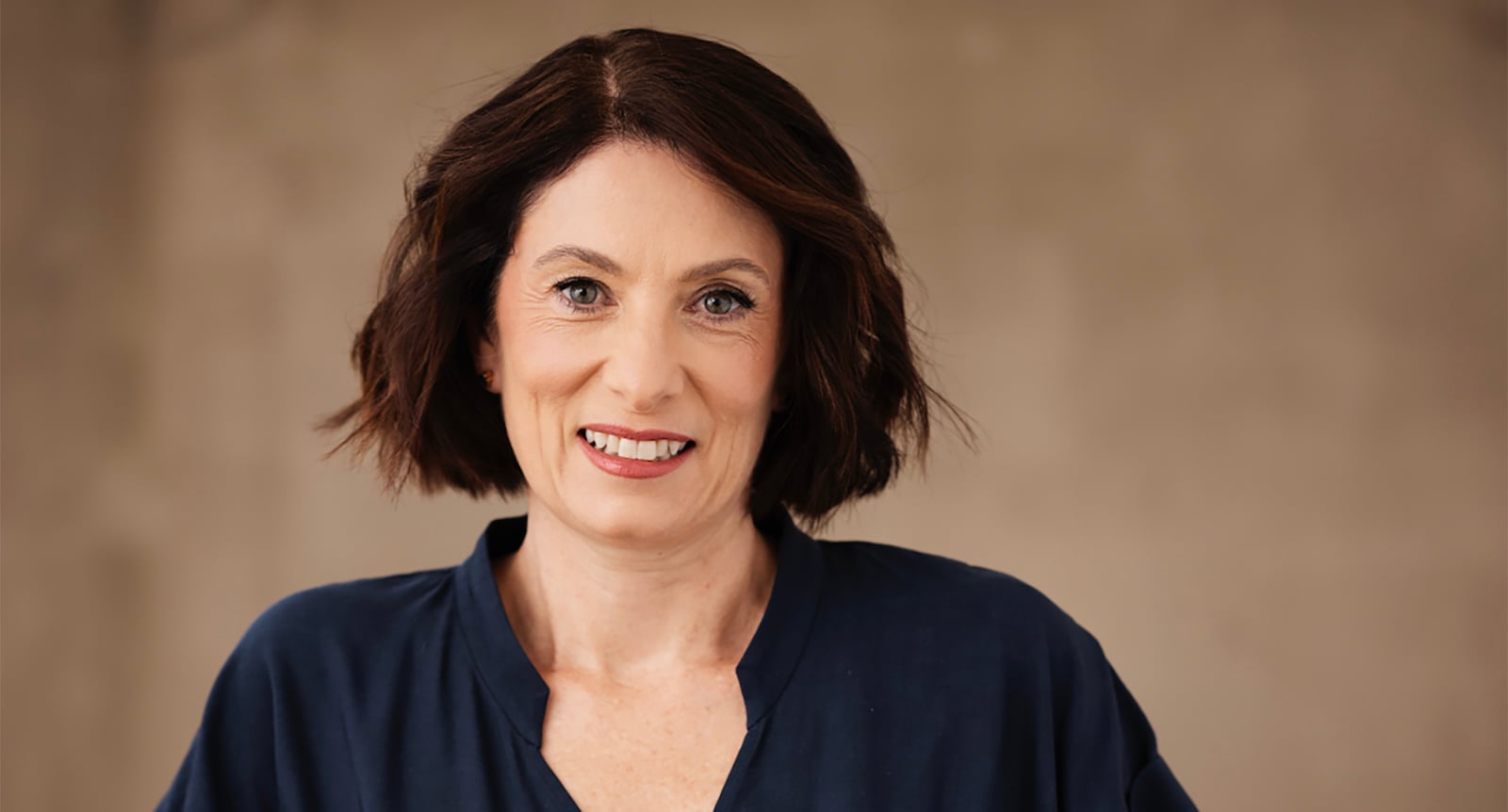 Lyndall Spooner


The leading media trade publication in Australia.
Get our top stories straight to your inbox daily by signing up to our Newsletter
By providing your information, you agree to our Terms of Use and our Privacy Policy. We use vendors that may also process your information to help provide our services.
Where it started
The pair first met in 2002 at The Leading Edge, in the kind of environment where proximity does half the work.
“We weren't in the same team, but we eventually sat in the same area. And then we eventually moved into the same team after restructuring number 8,432,” Spooner laughed.
“Friendships, at the time, were made very easily because we worked hard and played hard.”
It wasn't long before the pair's relationship went from colleagues to confidantes.
“Lyndall was one of the first people that I told when I had a love interest in the office,” Smith said. “Which was like an explosive and unexpected thing in the agency. For me to then confide in Lyndall showed that I felt I had someone I could trust."
When you know, you know. Right?
Parallel paths, no rivalry
Over time, their careers diverged in direction, but not in intensity.
Spooner built 5D into a consultancy focused on decision-making strategy, helping businesses make sense of complexity through behavioural insight and structured frameworks.
Smith, meanwhile, founded Social Soup, growing it into a full-service influencer marketing business built on community, advocacy and measurable engagement.
“I think in some ways we're quite similar, but very different as well,” Smith ruminated.
She suggested it may be the foundation of their friendship, with both women agreeing that seeing each other succeed builds trust, making advice easier to take.
The years that reshape everything
If early career connection is easy, it’s the middle years that tend to test it.
For Spooner and Smith, that moment arrived with children, and the overlapping demands of motherhood and business ownership, both relentless in their own way.
“Not too long after leaving The Leading Edge, Lyndall had her first baby. And then I think my first was born at the same age as Lyndall's second. We call them the twins,” Smith said.
“I think having children around the same time strengthens those bonds, because you really need those supportive women around you to survive - even more so when you're running your own business.”
Think survival mode, but shared.
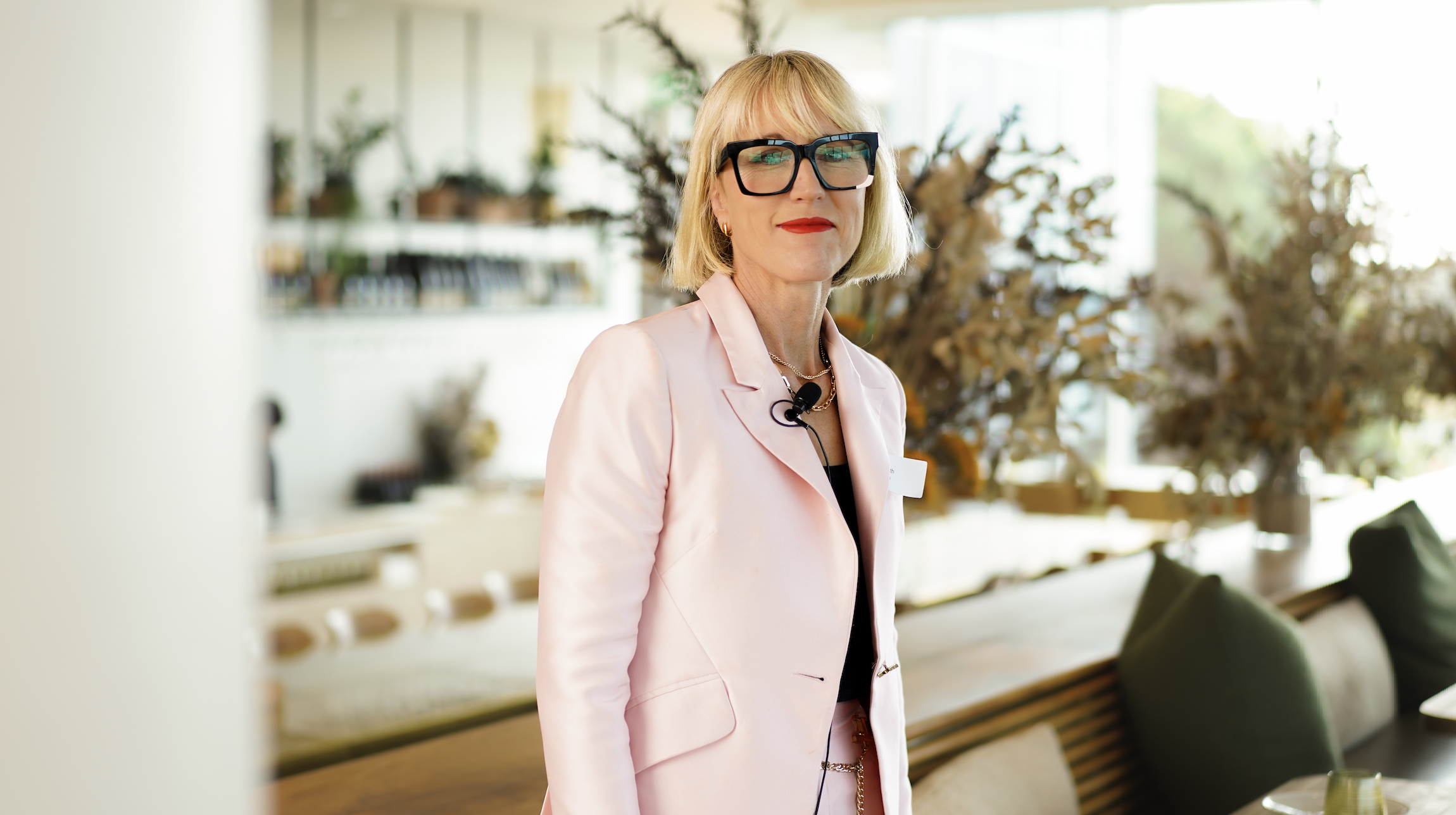 Sharyn Smith, Social Soup
The conversations that matter
What underlies the longevity of the relationship is something less visible: a willingness to be direct, even when it stings.
“I was only a couple of years into the business, and I had my second child around 18 months into starting a company, which is kind of crazy,” Spooner said. “It's like you're exhausted. You're absolutely exhausted."
“I remember I said to Sharyn something like, maybe I'll just keep the business like the way it is, and it'll be fine.”
But Smith didn’t let that sit.
“Sharyn said, no you can't, because a company never stays still. If you're not growing, you're declining. And that was the best advice.”
Spooner continued: “If you're cruising it, you'll go down. So may as well not, you either put in and push the business or be prepared to say goodbye to it.”
A shared language of pressure and guilt
Running a business is one thing. Running one while raising children is something else entirely, and it’s here that the friendship seems to anchor itself most firmly.
“We can sort of share those experiences of having to run businesses and manage people and so many challenges,” Spooner said. “You feel guilty when you run businesses, and you're having kids, and you can't be there and do everything.”
“I think it's good to have someone who can sort of relate to that, having someone who gets why you feel guilty.”
Smith describes the dynamic in simpler terms.
“You want them to be the people who are cheering you on the loudest. Not just doing it in a superficial way.”
Twenty years, still in motion
At a recent event at the Museum of Contemporary Art in Sydney, Spooner reflected on 5D’s origins, a business that began without a grand plan, just a focus on doing good work and working with people they respected.
“As you grow, you're like, you just throw another ball in the air and then another ball in the air and another one,” she said. “You've got to get more people to come in and kick the balls up. Everyone just keep going.”
“It’s just natural evolution. But the way you run the business and how you are and how you manage people and how you decide to structure the company and everything just constantly is changing.”
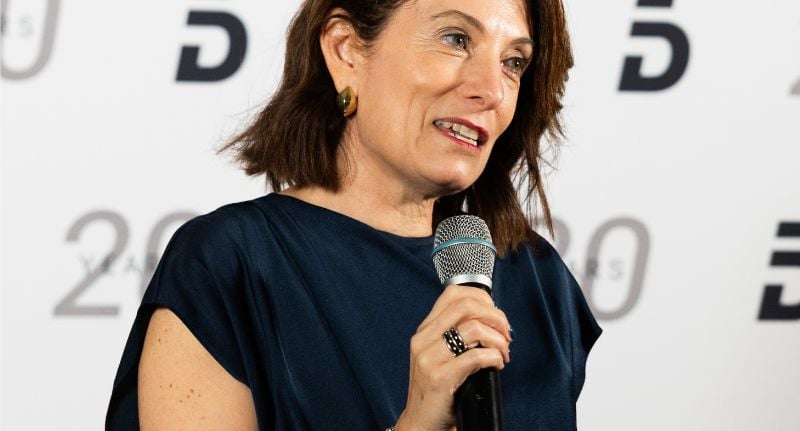 Lyndall Spooner gives her speech at 5D's 20th birthday event.
The thing that lasts
“Women doubt themselves, but I reckon it makes us better,” Spooner said. “I think it makes you better because you're more critical. It can drive you mentally crazy, but you strive for better.”
That instinct, the questioning, the second-guessing, the constant push to do better, can be isolating on your own. Shared, it becomes something else. A kind of shorthand. A quiet reassurance that you’re not the only one carrying it.
There’s a quote attributed to Gloria Steinem about women understanding each other in ways that don’t always translate elsewhere:
"Women understand. We may share experiences... that mean nothing to men, but women understand. The odd thing about these deep and personal connections of women is that they often ignore barriers of age, economics, worldly experience, race, culture - all the barriers that... had seemed so difficult to cross"
Here, it doesn’t feel theoretical. It feels lived in.
Main image: Lyndall Spooner and Sharyn Smith
More from Mediaweek
The leading media trade publication in Australia.
Get our top stories straight to your inbox daily by signing up to our Newsletter
By providing your information, you agree to our Terms of Use and our Privacy Policy. We use vendors that may also process your information to help provide our services.


