


Monique Harris, chief executive officer of Convo Media, shares her latest dispatch from South by Southwest (SXSW) in Austin.
SXSW has always been good at putting the future on stage. But as I hit day four, it’s clear this year feels less about showcasing what’s next, and more about tearing down what came before.
Across sessions, side conversations and the general buzz around town, is this sense that the systems that have defined digital marketing for the past decade are starting to fracture. Not slowly, but all at once. And in their place, something far more complex is emerging.
From trends to convergence
One of my recent session highlights came from a packed house from futurist Amy Webb, who quite literally staged a “funeral” for her own trend report.
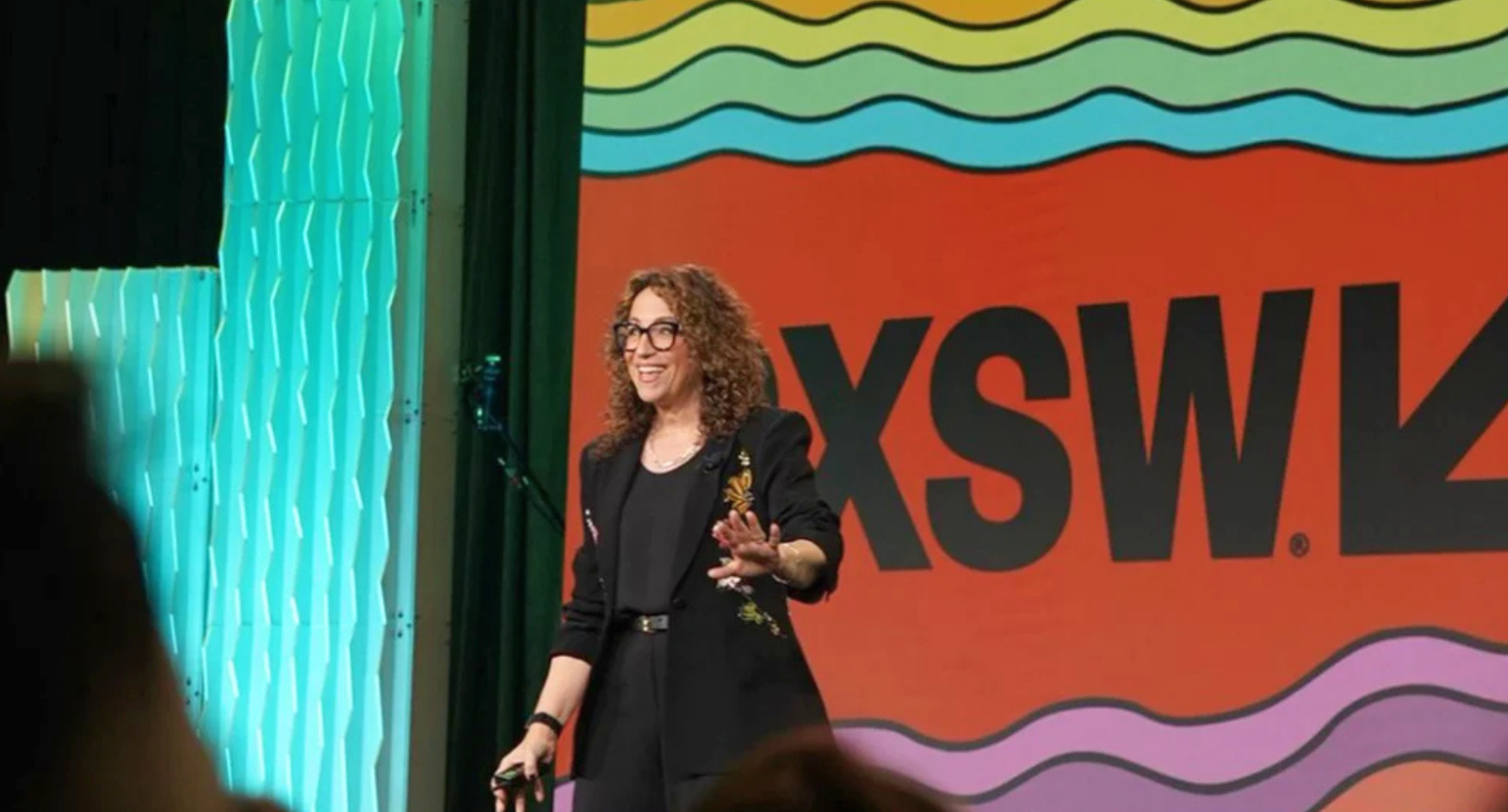
Futurist Amy Webb, CEO of the Future Today Strategy Group. Image: supplied
For nearly two decades, the report has been a comprehensive, data-driven view of the forces shaping business and culture. This year, she declared it no longer fit for purpose.
Midway through the session, the University of Texas marching band stormed the stage to unveil her new Convergence Report. Yes, a marching band in a tech session. Only at SXSW.
But the theatrics made a serious point. The idea of tracking neat, individual trends no longer reflects reality. Technology, media, commerce and human behaviour are no longer moving in parallel.
They are colliding. And those collisions are creating structural shifts in how people discover, decide and engage.
For marketers, that means the job is no longer about spotting trends early. It’s about understanding where systems intersect, because that’s where influence is now created.

University of Texas marching band stormed the stage during Amy Webb’s presentation. Image: supplied
The internet after search
Another recurring theme across this AI-drenched festival has been the erosion of search as we know it. AI is fragmenting discovery. Social feeds are saturated.
Algorithms increasingly decide what gets seen long before a consumer actively goes looking. The battleground is shifting upstream and it’s no longer just about capturing intent, but shaping decisions before intent even exists.
As Cloudflare CEO Matthew Prince put it during his fireside chat, ‘The Internet After Search’: “The internet’s old business model is breaking. Tomorrow’s winners are those who create scarcity, trust and influence, not just clicks and traffic”.
For someone whose company touches roughly 20% of global internet traffic, it’s a hard point to ignore. His session captured both the pace and scale of change, and what it means in practice for those working in digital marketing day in, day out.
In a more compressed, algorithmically mediated world, how a brand shows up (and where) matters more than ever. Not just what’s said, but the context it appears in. Not just visibility, but how something is interpreted.
And increasingly, those signals aren’t just shaping human decisions, but the systems making decisions on their behalf.
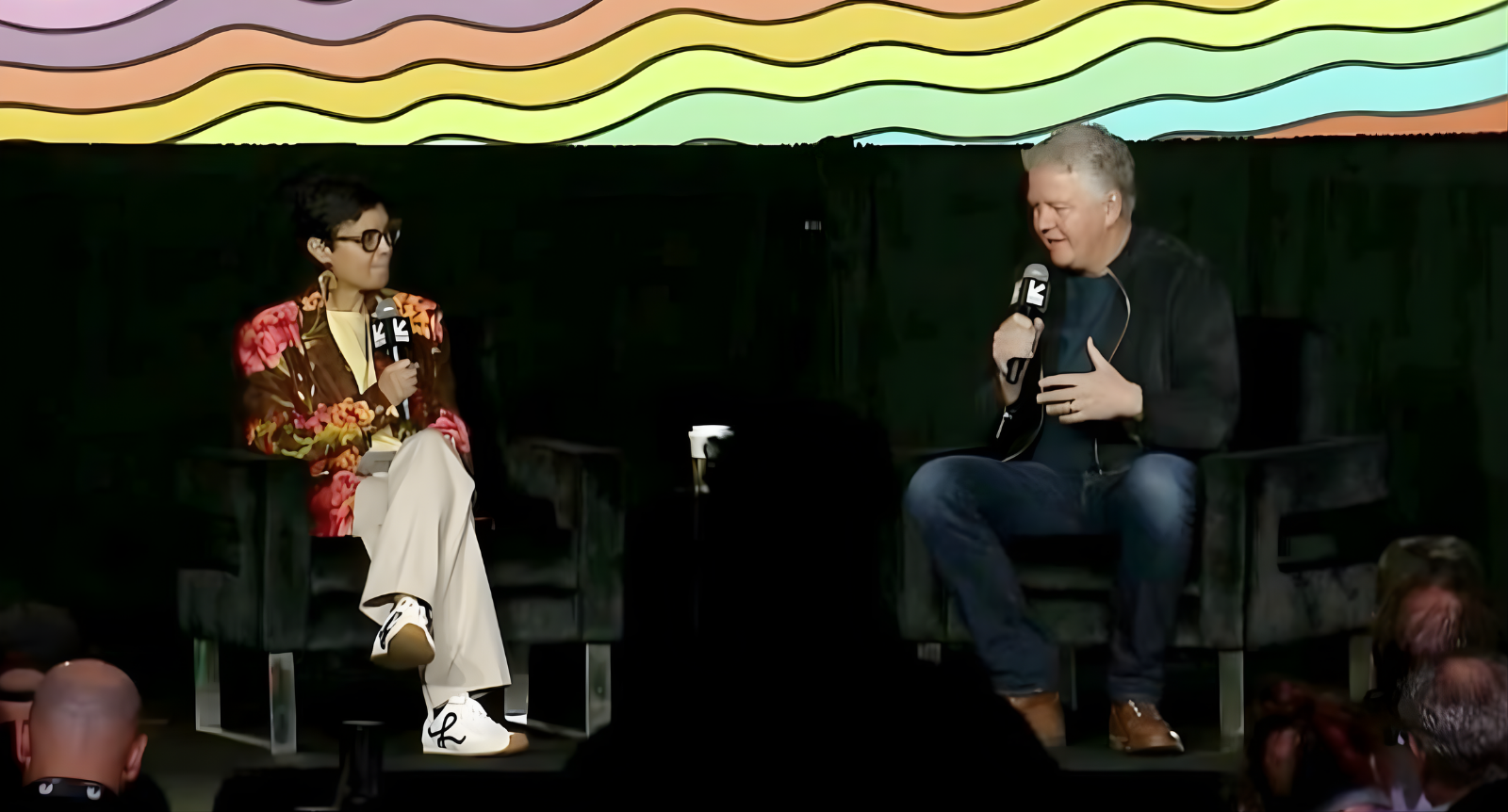
Mansueto Ventures CEO Stephanie Mehta and Cloudflare CEO Matthew Prince. Image: supplied
The human-centric AI imperative
For all the talk of automation and scale, SXSW also delivered a strong counterpoint. AI is only as good as the human values embedded within it. Across multiple sessions, similar themes have been felt:
• “Neutral AI” doesn’t exist. Every model reflects human decisions and biases.
• Without careful design, AI risks amplifying misinformation and eroding trust.
• Publishers face a growing tension: open the doors to AI scrapers to stay visible, or protect the value of original content.
• The future isn’t replacement, it’s collaboration.
I feel that the last point matters most for marketers. Because as AI takes on a greater role in discovery and curation, the importance of human-centred storytelling only increases. The environments, voices and contexts that shape perception become even more critical when both people and machines are paying attention.
My take-home perspective
As I head towards the SXSW finish line and start thinking about how this translates back into day-to-day reality, much of what’s being framed as disruption feels more like validation.
Content-led advertising in premium environments has always been about shaping perception, not just capturing demand. That distinction now matters more than ever.
Search and social aren’t disappearing, but their role is changing. Influence is being validated, in environments that carry trust, credibility and context. And those signals don’t just guide human decisions. They increasingly inform how AI surfaces, ranks and recommends content.
Matthew Prince summed it up nicely, “AI doesn’t diminish the value of content, it reveals it. But if we don’t evolve how we compensate and position that content, the engine that powers discovery will collapse”.
And that’s the real shift. There may not yet be a definitive playbook for what comes next, but one thing is clear. The brands that win won’t be the ones chasing attention at the bottom of the funnel.