



SXSW 2026: AI dominates the conversation in Austin
Convo Media CEO Monique Harris explores the tension between human creativity and AI at SXSW.

Monique Harris, chief executive officer of Convo Media, shares her perspective from the first few days on the ground at South by Southwest (SXSW) in Austin.
For a festival once famous for over-the-top brand activations, SXSW 2026 feels surprisingly light on experiential marketing.
Instead, the streets of Austin are buzzing with one topic: AI. Walking between venues you hear the same thing in almost every conversation.. in coffee lines, in the corridors between sessions, and in crowded bars late at night: AI.
It genuinely feels like most of the 300,000-plus people in town are talking about AI, AI, AI… and then a little more AI for good measure.
The big existential questions
The questions bubbling up everywhere are the big existential ones. Are we losing the battle to the machines? Are we setting ourselves up for a dystopian future? Will AI replace human thinking, creativity and decision-making? Or are we simply entering a new phase where humans and machines learn to work together in smarter ways?
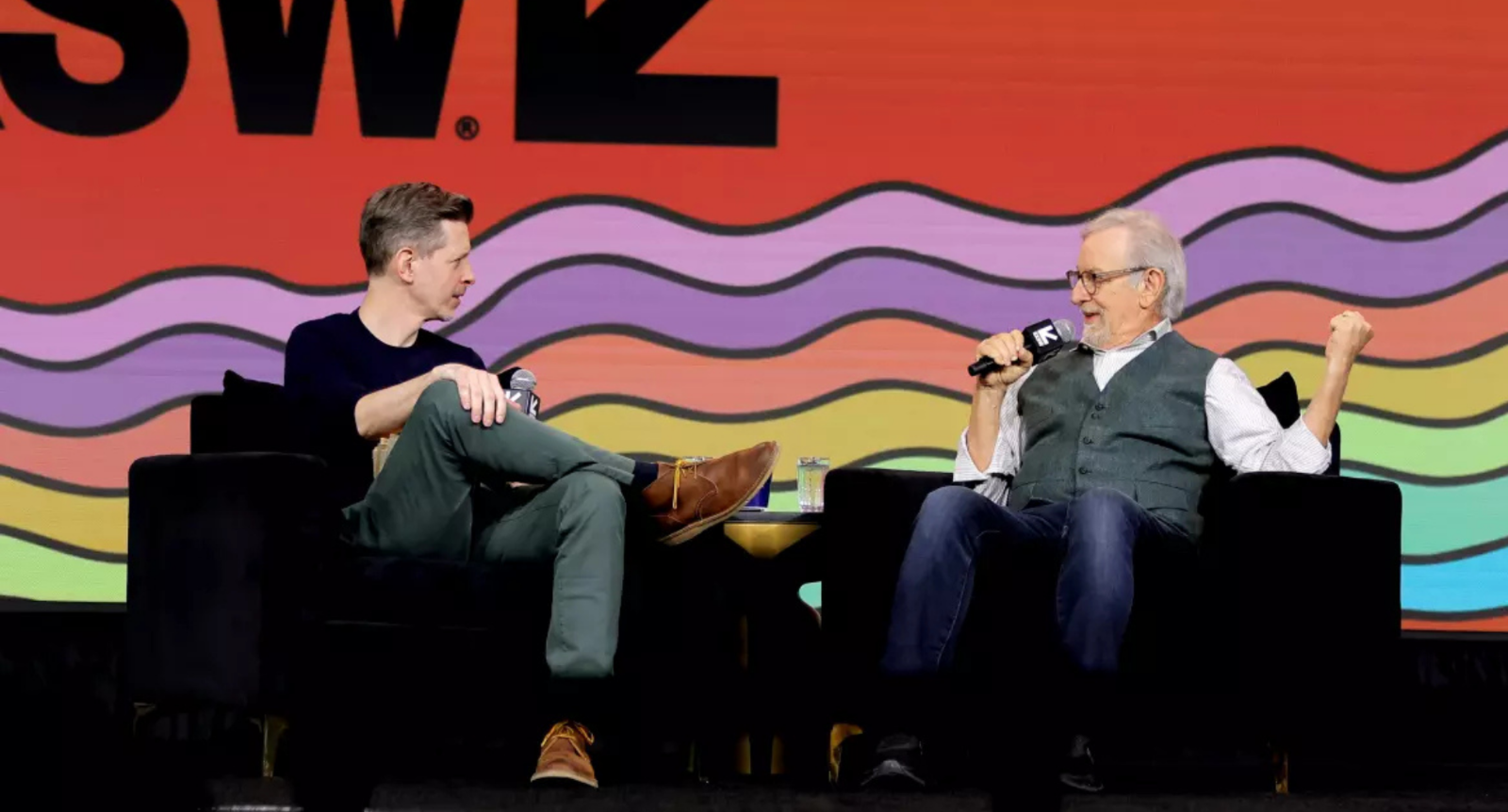 Steven Spielberg at SXSW 2026. Image: supplied
There's a mix of excitement, curiosity and just a little nervous energy running through the event. It feels like the industry knows something big is happening, we're just not quite sure yet what the endgame looks like.


The leading media trade publication in Australia.
Get our top stories straight to your inbox daily by signing up to our Newsletter
By providing your information, you agree to our Terms of Use and our Privacy Policy. We use vendors that may also process your information to help provide our services.
Even in the keynote sessions, the conversation keeps coming back to the same tension: how powerful these tools are becoming, and where the line should sit between assistance and replacement.
Spielberg and Galloway weigh in
In his keynote, Steven Spielberg struck a surprisingly firm note on the subject. While acknowledging AI could help aspects of production, he was clear that creativity ultimately belongs to humans.
He also revealed he has never used AI in any of his films, a statement that drew a strong reaction from the audience and highlighted just how sensitive the issue has become for creative industries.
Back in the official program, Scott Galloway's session was standing-room only. His message on AI was blunt and really struck a chord with the audience.
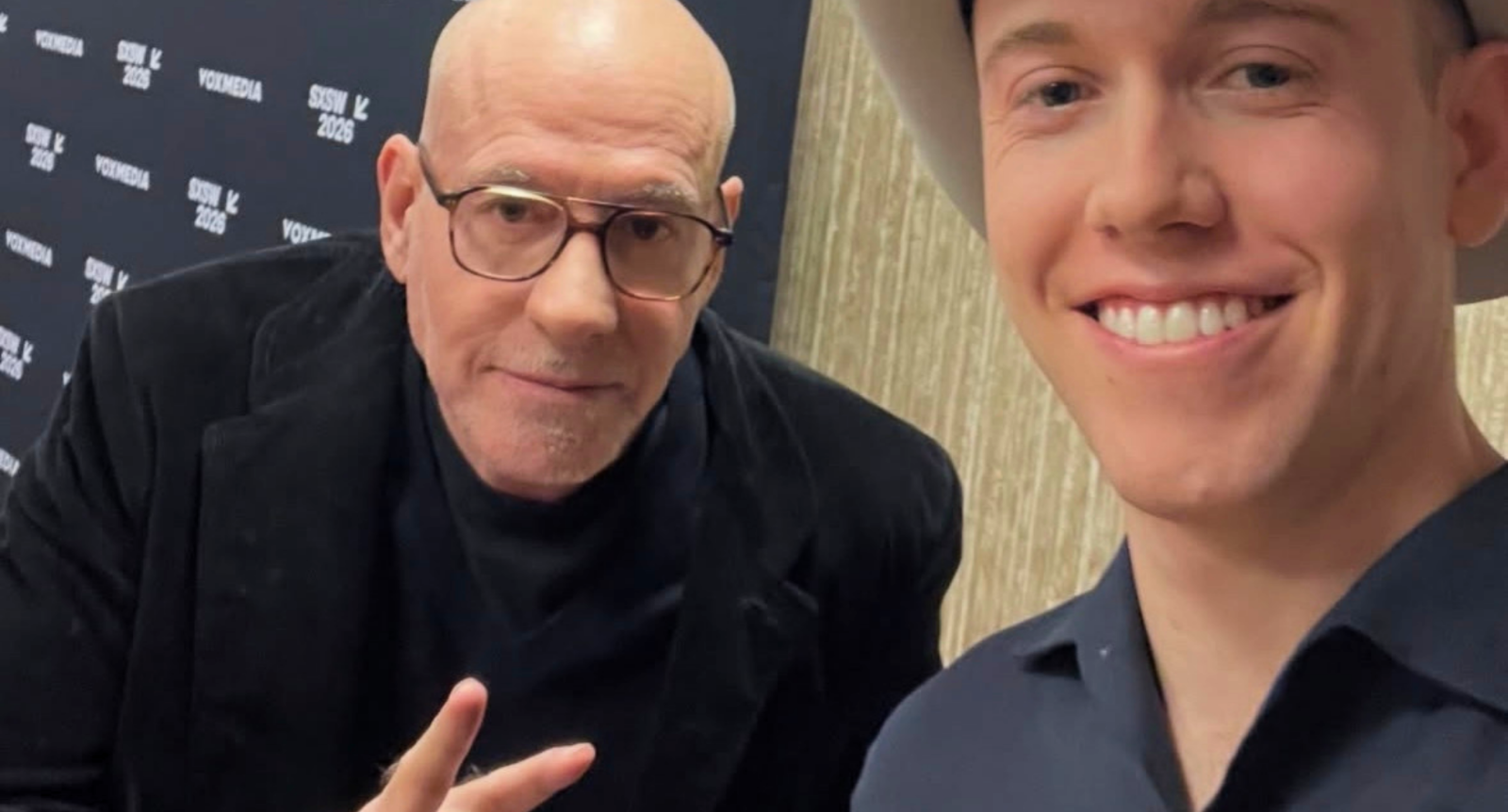 Scott Galloway struck a chord. Image: supplied
He argued AI will reshape white-collar work just as dramatically as technology once transformed manual labour. The people who benefit most won't be those who resist it, but those who learn how to use it as leverage.
Rather than focusing on hype, companies should be looking for real productivity gains. One line in particular summed it up nicely: “AI won't replace you. But someone using AI probably will.”
The magic between sessions
What I am loving most about being on the ground, is how the most interesting parts of SXSW often happens outside the official sessions.
You can sit down at a random bar in Austin and suddenly find yourself deep in conversation with someone extraordinary. One night I found myself chatting with a woman who turned out to be a well-known entertainment journalist from The New Yorker.
Within minutes we were comparing the media landscapes of Australia and the US, discussing what New York's new mayor is getting right, and hearing about what her husband (an award-winning tech journalist at The New York Times mind you) had been finding most interesting at SXSW. Those kinds of unexpected conversations are part of what makes South by Southwest (SXSW) so unique.
The conference sessions may set the agenda, but the real thinking often happens between strangers over a drink, something SXSW Sydney never quite managed to replicate, and perhaps part of the secret sauce it was missing.
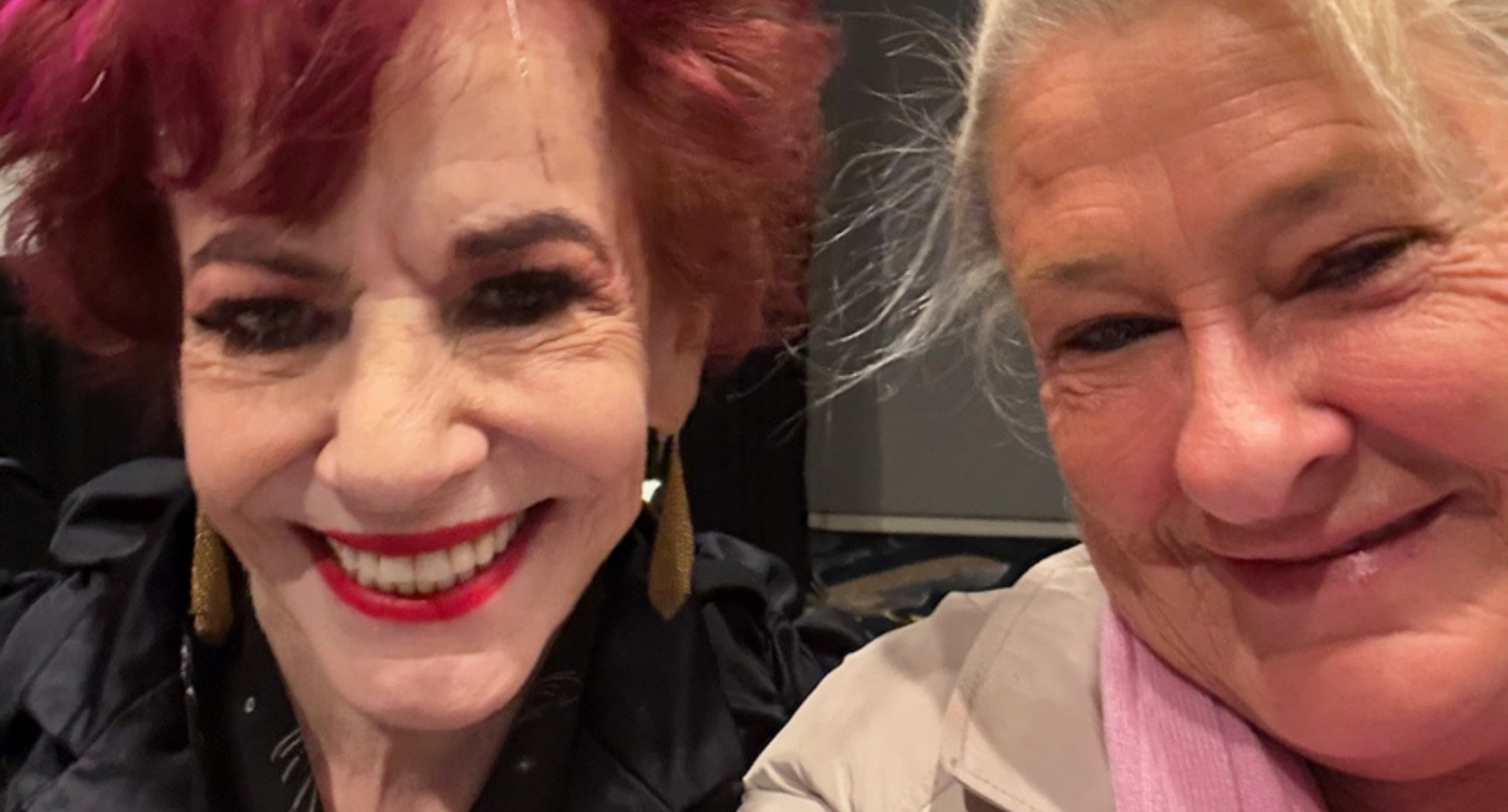 Selfie with Faith Popcorn, who is concerned about AI’s lack of empathy. Image: supplied
The empathy advantage
One session that genuinely stopped me in my tracks was Technology Convergence: Identifying the Advantage, featuring futurist Faith Popcorn alongside Sarah DaVanzo and an AI-generated speaker from Delph AI.
I'll admit something straight away, attending a conference session with an AI-generated speaker was not on my bingo card for 2026. But seeing it play out in real time was both fascinating and slightly surreal.
The standout voice in the session was Popcorn, who has spent decades predicting cultural and technology shifts. Her biggest concern about the rise of AI isn't capability or power, it's empathy.
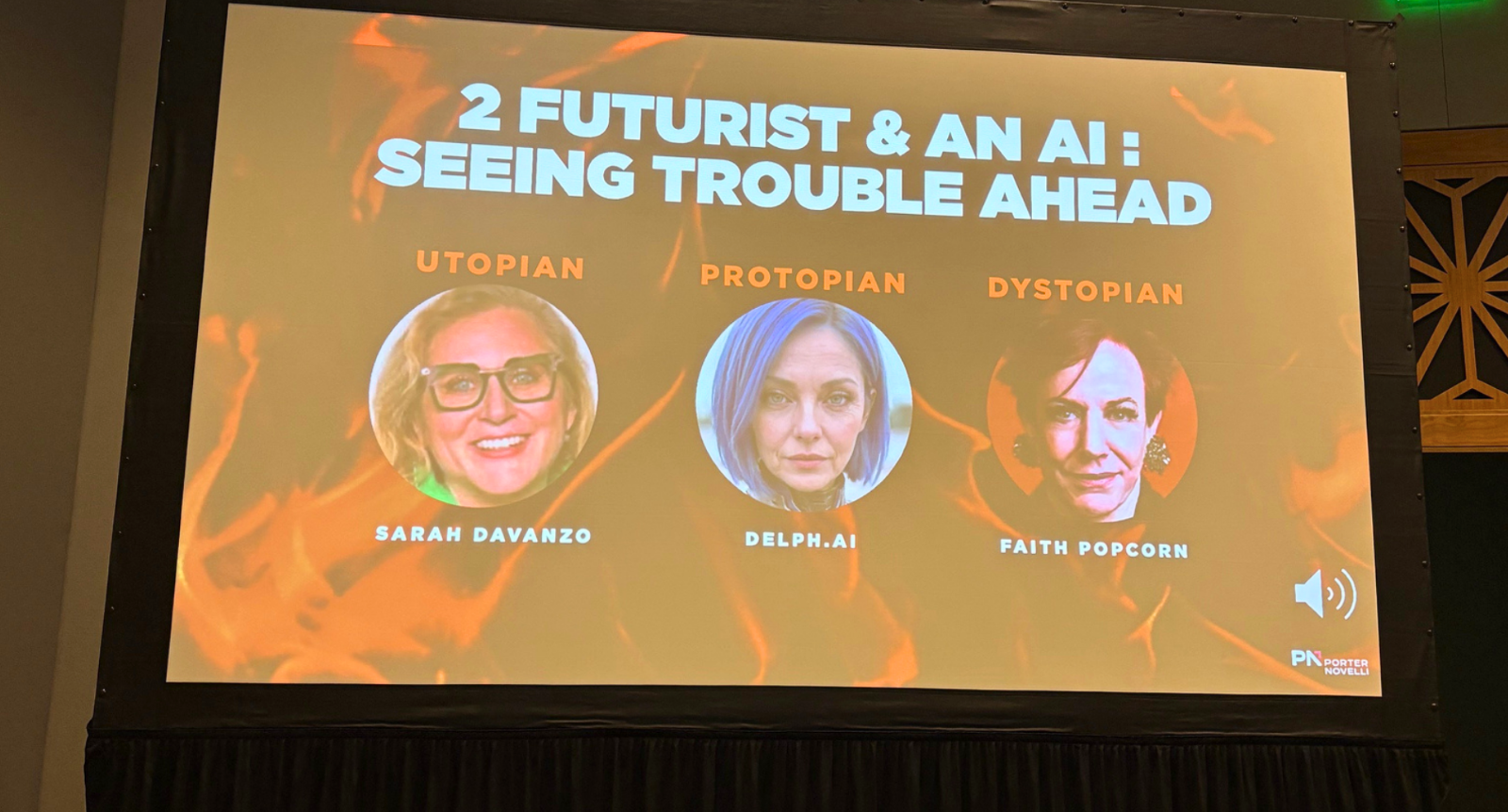 A futurist showdown... Sarah Davanzo vs Faith Popcorn vs AI. Image supplied
AI can learn patterns, analyse data and replicate language, she argued, but it fundamentally lacks the human capacity for empathy. “AI cannot feel,” she said. “And empathy is something you can't simply program.” She also delivered one of the funniest moments of the session when she joked that AI could probably replace most company boards.
Then she paused and asked, “But what would all the old white guys do then?” The room erupted in laughter. As AI becomes more embedded in decision-making, creativity and strategy, the real competitive advantage for humans may not be intelligence at all, it may be empathy.
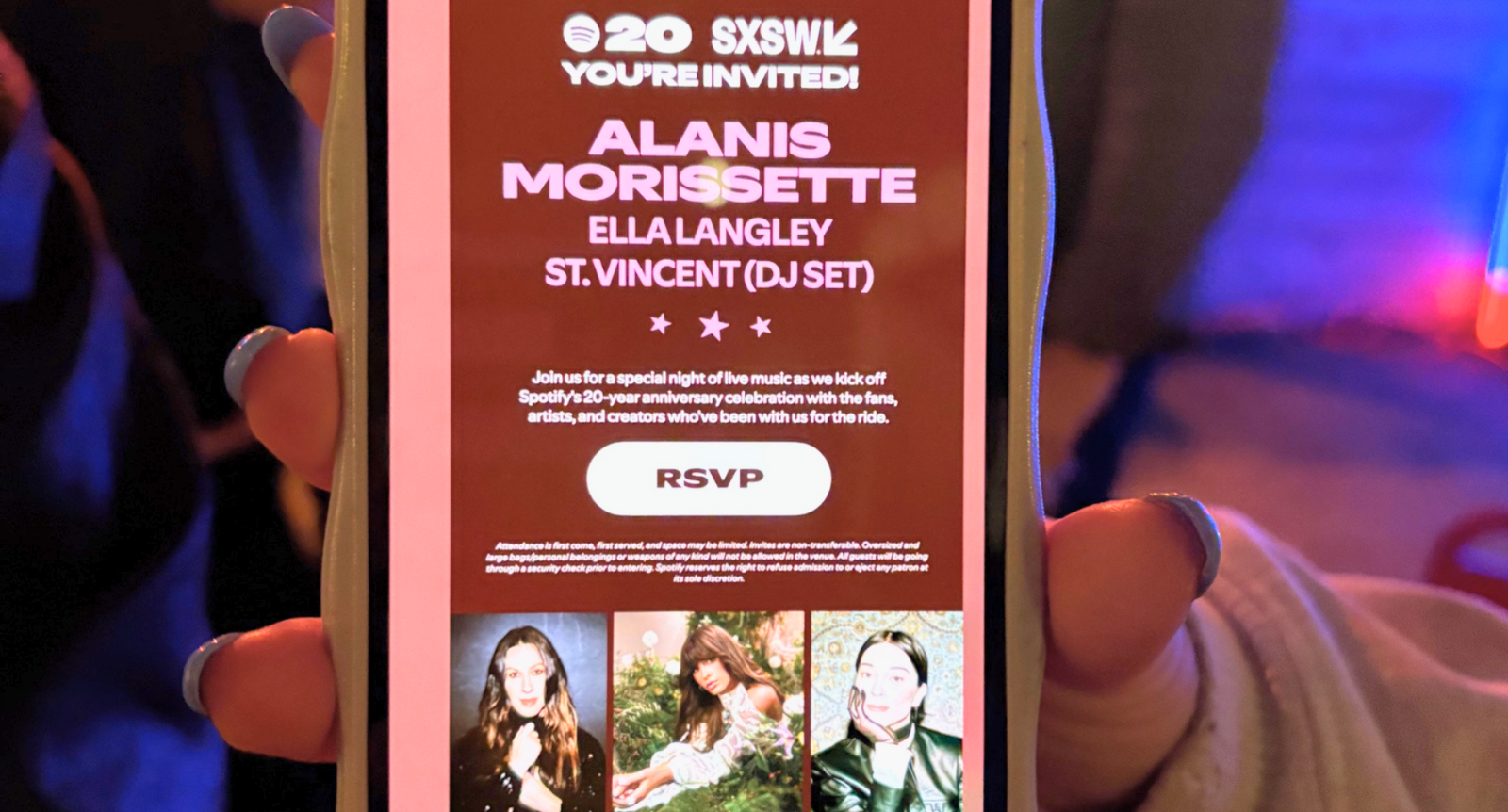 Alanis Morissette headlined the Spotify party. Image supplied
Drawing the line
Across SXSW, from Steven Spielberg to Scott Galloway and futurist Faith Popcorn, the same tension keeps surfacing.
AI will undoubtedly reshape how we work and create, but industries built on human imagination are still wrestling with where the boundary between tool and replacement should sit. And judging by the conversations happening all across Austin these past couple of days, that line is still very much being drawn.
Stay tuned for more from SXSW 2026. In the meantime, Alanis Morissette is calling from the Spotify party celebrating 20 years of the streaming giant.
How has it been 20 years already!
More from Mediaweek
The leading media trade publication in Australia.
Get our top stories straight to your inbox daily by signing up to our Newsletter
By providing your information, you agree to our Terms of Use and our Privacy Policy. We use vendors that may also process your information to help provide our services.


