
Tuesday May 5, 2026
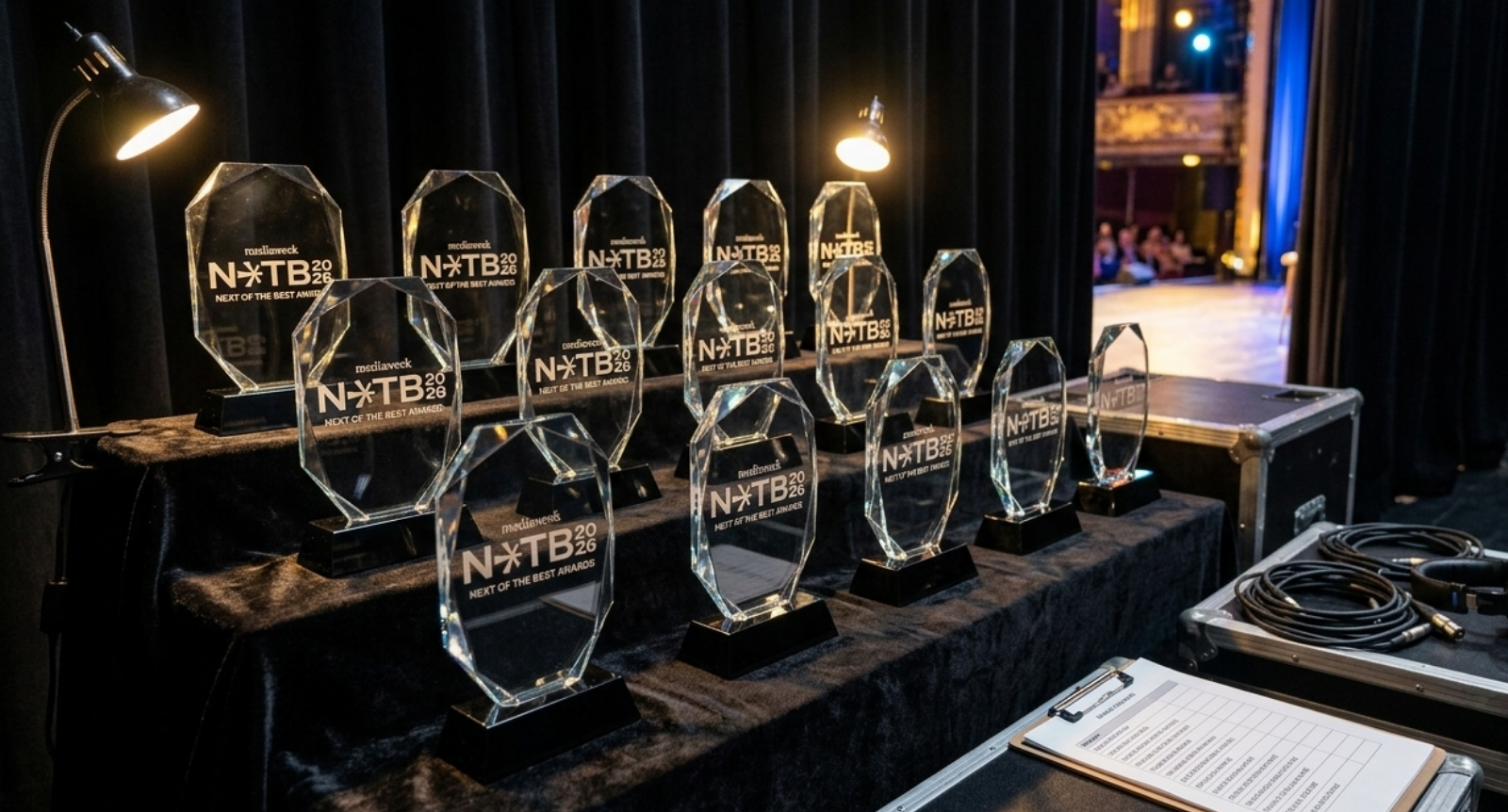
Finalists revealed: Mediaweek Next of the Best Awards 2026
Mediaweek proudly reveals the finalists for the Next of the Best Awards 2026, our unapologetic celebration of leadership across the industry.
This program is definitely not about scoring another shiny ornament for the boardroom.
It’s about recognising the people who actually do the heavy lifting and drive real, tangible outcomes in their business.
Our team reviewed a record number of entries, wading through the corporate buzzwords to produce a shortlist that highlights the sheer depth of talent executing the work. These are the people delivering the results across the media, marketing and technology ecosystem.
And next, the absolute titans of the industry will take over to review these finalists and determine the ultimate winner in each category.
Those winners will be announced at the Next of the Best Awards at the ivy Ballroom Sydney on Thursday, 11 June.
We’re super excited to have Nic and Loren from The Hot Hits to host the evening. They will no doubt take to the stage with a solid dose of Next of the Best energy. Expect pop culture chaos, industry roasts, and some hot hits vibes.

The Hot Hits’ Nic & Loren will host the 2026 Next of the Best Awards. Image: supplied
Below are the shortlisted finalists in no particular order.
The growth engines
This group encompasses the commercial drivers, the sales leaders, and the media buyers fueling the industry.
Agency Media
Clare Farrugia, Hatched
Sue Cant, This Is Flow
Sean Eustace, iProspect
Katherine Pochroj, EssenceMediacom
Ben Lynch, Noisy Beast
Rebecca Ho, Starcom
Sally Lawrence, Enigma Media
Camille Eddy, UM
Juliana Yeoh, Hatched Media
Camila Lecaros, iProspect
Berlian Ayudya, Hatched
Simon Watson, Audience Group
Nisar Malik, Are Media
Dean Bishop, Are Media
Partnerships
Katherine McVeity, Integral Ad Science
Lauren Brown, Seven West Media and SCA
Marnie Ayres, Woolworths Group, Woolworths MarketPlus
Alexandra Hazlehurst, Foxtel Media
Charlotte Byrne, The Guardian
Camila Deramond, Southern Cross Austereo
Hayley Treasure, Media Tonic
Melissa Gray, Live Nation Australia
Retail & Commerce
Sammy Preston Pritchard, Are Media
Kasey Jamison, Amazon Ads ANZ
Sales & Commercial
Bryce Crosswell, Southern Cross Austereo and LiSTNR
Ciaran Tobin, Acast
John Nguyen, Integral Ad Science
Karen Alexander, Mamamia
Rian Wisemantel, Foxtel Media
Monika Poposki, Foxtel Media
Matthew Coote, GumGum
Taylan Sadikoglu, Nielsen
Davy Rennie, Digitas Australia
Nick Sargent, Uber Advertising
The architects
Here we recognise the builders, the data scientists, the product innovators, and the publishers shaping the platforms of tomorrow.
Data & Insights
Lexi Sydow, The ATTN Economy
Blake Talarico, Are Media
Kathleen Severn, 303 / Mediahub
Randall Taylor, JOLT
Jasmine Beech, Southern Cross Austereo
Elizabeth Nan Tie, Starcom
Entrepreneur
Kym Treasure, Audacia Audio
Holly Bryar, Bryar Casting & The Reality Directory
Rebecca Ennis, Flaunt Talent
Taylor Fielding, TFM Digital
Alfie Lagos, Neuravo
Hayley Treasure, Media Tonic
Pip Bingemann, Springboards
Tahira Matthews, Stark Matthews
Veronica Cremen, Vonnimedia
Product & Innovation
Darcy Sullivan, Seven Network
Melanie Pritchard, Mindshare
Melinda Duffy, oOh!media
Amelia Healy, JOLT
Shruneek Prasad, Audience360
Shannon Fitzpatrick, Are Media
Publisher & Platform
Jono Lister, Seven Network
Katherine Chatfield, Are Media
Caitlin O’Meara, Foxtel Media
Zoe Featherstone, The Guardian Australia
The magnets
These finalists represent the creative minds, the brand leaders, and the audience whisperers who pull consumers in and hold their attention.
Agency Creative
Amelia Miranda, Intermission Film
Ben Walker, Those That Do
Lucinda Browne, Thrive PR + Communications
Audio & Entertainment
Brigitte Slattery, Samsung TV Plus
Tiffany Dunk, Are Media
Lachlan Guertin, PEDESTRIAN.TV
Jessica Roach, Amazon Ads ANZ
Brand & Growth
Leanne Glamuzina, oOh!media
Amber Knight, MediaMonks
Yuvaan Malkani, Atomic 212
Megan Osborne, Are Media
Emily Mallos, JOLT
Nikyah Hutchings, National Indigenous Television (NITV)
Paddy Wood, The Guardian Australia
Willie Pang, Amazon Ads ANZ
Influence & Audience
Jessica McCall, BTS with Jess
Rebecca O’Malley, Nova Entertainment
Jessica Bailey, Are Media
Jenna Benson, ARN
The guardians
Finally, we honour the journalists seeking the truth, the culture builders protecting their teams, and the purpose-driven leaders pushing for a better industry.
Change Maker
Patrick Whitnall, AiMCO
Sara Pethybridge, MettleLab
Damian Cleary, News Australia
Brittany Bloomer, Villagehood
Leonie Marsh, Screen Vixens
Jazmaree Bell, EssenceMediacom
Jacquie Alley, The Media Store
Danielle Galipienzo, Initiative
News & Journalism
Simon Love, Freelance
Leigh Stark, Publishr Pty Ltd
Britt Aylen, ARN
Sarina Andaloro, Seven News Sydney
Georgie McCourt, Are Media
People & Culture
Dan Hunjas, Edge Marketing
Britt Dolbey, Abe’s Audio
Nicolle Stuart, Mamamia
Lois Sharpe, MiQ
Marco Villella, Havas Australia
Jacquie Alley, The Media Store
Sustainability & Purpose
Abigail Thomas, SBS
Nicola Harvey, The Guardian
Our event is sponsored by News Corp Australia and LISTNR and promises to be an unforgettable night.
Next of the Best key info:
Date: Thursday, June 11, 2026 from 6.30pm
Location: ivy Ballroom Sydney
Tickets: Here
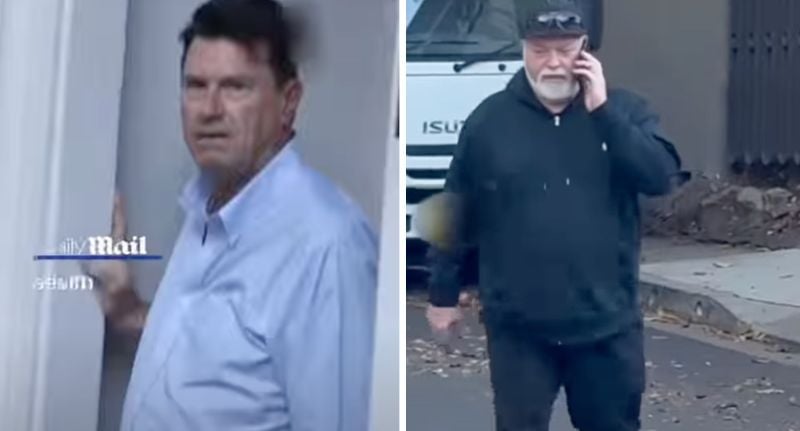
Kyle Sandilands spotted meeting with ARN chairman Hamish McLennan
Kyle Sandilands has been seen meeting with Hamish McLennan, chairman of his former employer ARN Media, as his $85 million legal dispute with the company continues.
Footage published on Daily Mail Australia’s Instagram shows the deer-in-headlights-looking-McLennan, standing in the doorway of his Darling Point home before retreating inside after noticing waiting media.
Sandilands, by contrast, approached reporters, telling one he was “back from my little walk”.
When asked who he had been visiting, he declined to comment and continued to his nearby car.
An industry source told Mediaweek the meeting may be linked to ARN’s upcoming AGM on Thursday, where McLennan is due to stand for re-election.
The source said the timing could reflect an effort to signal progress amid ongoing legal proceedings, particularly as the company navigates investor scrutiny following the fallout from The Kyle and Jackie O Show.
“It could either be that Hamish wants something good to announce about a potential settlement with Kyle,” the source added.
“It could also be that it’s in both their interest to have ARN share price go up in the short term while the messy legal stuff is being worked out, so photos of Kyle and Hamish together could give investors a sense that a peace deal has been done.”
View this post on Instagram
AGM pressure builds
The meeting comes as pressure builds ahead of ARN’s AGM, with The Australian’s ‘Margin Call’ last week reporting that McLennan had been actively engaging shareholders in the lead-up to the vote.
According to the publication, investor focus has extended beyond the ongoing Sandilands dispute, with concerns also raised around executive remuneration and company performance.
ARN appointed Michael Stephenson as CEO in October. His remuneration package includes a base salary of $1.1 million plus incentives.
Main image: Hamish McLennan and Kyle Sandilands. Source: Daily Mail Australia

dentsu Australia loss widens to A$76.9 million
dentsu Australia has reported a wider annual loss for 2025, despite reducing staff costs and receiving further financial support from its Japan-based parent company.
According to financial statements lodged with ASIC, the local group recorded revenue of A$196 million for the year. Its loss increased to A$76.9 million, up from A$63.9 million a year earlier.
The accounts point to another difficult year for the Australian arm of the global agency group, with revenue declining and losses deepening.
- Revenue was A$196 million in 2025
- The post-tax loss widened to A$76.9 million
- Staff costs fell 21 per cent to A$148.2 million
- The business received a $100 million injection from its parent in September
- dentsu Australia had a net asset deficiency of A$270.8 million
Staff costs were down from A$187.6 million in the prior year. The reduction reflects the broader reset underway across the Australian operation.
The company’s directors said the group’s ability to continue as a going concern depends on financial support from its ultimate parent, dentsu Group Inc.
The group has received a formal letter confirming that financial assistance will be provided for at least 12 months.
Parent company support remains central
The A$100 million parent-company injection was received in September 2025 and was used to repay some borrowings.
The Australian result comes as dentsu Group continues to deal with pressure across parts of its international business. In its FY2025 results update, the global group reported statutory operating losses, driven largely by goodwill impairment losses in the Americas and EMEA.
dentsu Group also reported that its net loss attributable to owners of the parent expanded to 327.6 billion yen in FY2025.
Rob Harvey points to operational improvement
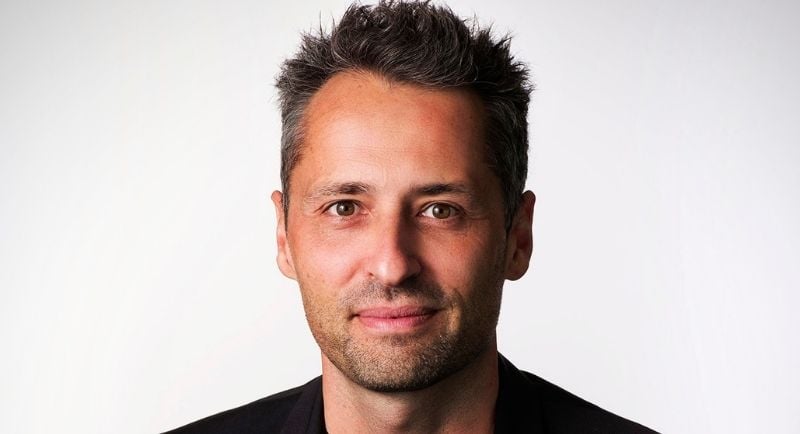
Rob Harvey, CEO, dentsu ANZ, has been leading the Australian turnaround after moving from New Zealand to the local role in August last year.
Harvey has said the business is expected to be in positive territory this year.
“We’ve significantly turned around the operating profit performance of the business this year, resetting the foundations of the business,” Harvey said in December.
“I’m really optimistic about the commercial performance for the business.”
Rob Harvey
The Australian operation has been undergoing a simplification of its local structure, with staff reductions and leadership changes across the business.
The latest accounts show the challenge facing Harvey’s turnaround plan: lowering costs while rebuilding revenue across media, creative, data and technology services.
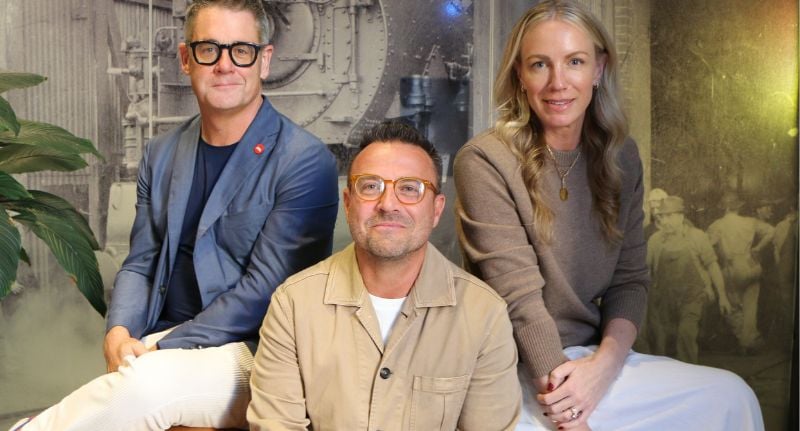
Omnicom Oceania scales Ritson’s MiniMBA across ANZ
Omnicom Oceania has struck a multi-year partnership with the MiniMBA in Marketing, committing to rolling out the program across its client-facing leadership teams at scale in what it describes as an industry-first move.
The initiative will see more than 1,000 employees complete the MiniMBA over the coming years, marking one of the largest coordinated investments in marketing capability across Australia and New Zealand.
The partnership forms part of Omnicom Oceania’s broader evolution beyond a traditional media and creative model, positioning it as a marketing and customer transformation business.
The move comes as marketers face growing pressure to deliver growth across increasingly fragmented channels and audiences, with a sharper focus on effectiveness and measurable outcomes.
Nick Garrett, CEO of Omnicom Oceania, said the initiative is designed to embed a consistent approach to marketing effectiveness across the organisation.
“Marketing has become more complex, and the expectations on CMOs have expanded significantly,” said Garrett.
“For a long time, the industry has focused on extracting value from customers. The real opportunity now is creating more value for them, and that requires a different level of thinking.
What sets the partnership apart, Garrett said, is its scale – moving beyond selective training to a network-wide capability build.
Rather than investing in small pockets of talent, Omnicom Oceania is embedding the program across its entire client-facing leadership cohort to create a consistent approach to marketing effectiveness across disciplines.

Nick Garrett
“We’re not investing in capability for a few; we’re embedding it across our entire client-facing leadership,” Garrett said.
He said the move is designed to underpin the group’s broader ambition to build a culture centred on effectiveness, supported by tangible investment rather than intent alone.
“We talk a lot about building a culture obsessed with effectiveness, but you can’t do that without backing it with real investment.”
The outcome, he added, is a more aligned organisation – one where teams operate from a shared set of principles, definitions and benchmarks when measuring success for clients.
“This means all our leaders, no matter what discipline, not only have far deeper knowledge, but are singing from the same hymn sheet, using the same definitions and benchmarks of success for our clients”.
Investment targets consistency and growth outcomes
For employees, the program is positioned as a long-term investment in capability, while for clients it is expected to translate into more consistent, evidence-based decision-making and improved marketing performance.
Mark Ritson said the scale of the rollout is unusual within a single organisation.
“You don’t often see this level of commitment to marketing effectiveness within a single organisation,” said Ritson.
Ritson framed the partnership as less about training and more about standardisation – embedding a consistent way of thinking across markets, clients and teams at scale.
“This is about embedding a consistent way of thinking at scale across markets, clients and teams, and that has the potential to materially lift the standard of marketing in the region,” he said.
He added that the impact of the program lies in its ability to improve decision-making across the organisation, rather than in isolated gains in capability.
“This isn’t training for training’s sake. When you put more than a thousand people through a rigorous, evidence-based program like the MiniMBA, you’re improving decision-making at scale.”
That, in turn, is expected to flow through to a stronger strategy, more disciplined budget allocation and clearer commercial outcomes for clients.
“That leads to better strategy, better allocation of budget, and ultimately, better commercial outcomes.”
Ritson said the program’s track record suggests immediate impact, with the majority of participants seeing tangible improvements in their marketing capability.
“We know that around 95% of participants don’t just enjoy the program; it makes them a better marketer almost immediately.”
With that level of capability embedded across teams, he said the opportunity for Omnicom Oceania to lift client outcomes is significant.
“It’s exciting to think about what Omnicom Oceania will be able to deliver for clients with this level of capability embedded across its teams.”
Focus on effectiveness and ROI
The MiniMBA, developed and taught by Ritson, focuses on brand strategy, commercial marketing fundamentals, effectiveness and return on investment, with an emphasis on evidence-based decision-making.
Omnicom Oceania said the investment is designed to strengthen its ability to deliver measurable client growth, while supporting its own long-term expansion across the region.
Main image: L-R: Mark Ritson, Nick Garrett, and Kim Hamilton
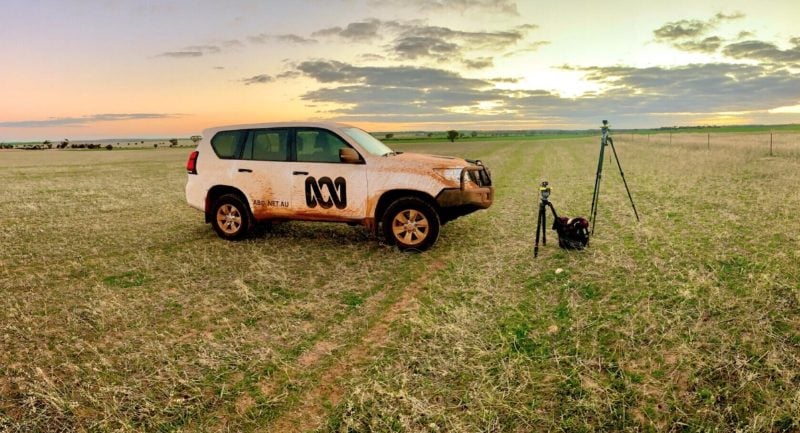
ABC and AAP partner on regional emergency news trial
The ABC and AAP have launched a one-year content-sharing trial designed to support regional news providers during public emergencies.
The partnership will see ABC News digital articles about public emergencies across regional Australia shared for free with 40 selected local digital news providers.
AAP will provide the distribution infrastructure through its Newsroom web portal, giving participating publishers a streamlined way to access ABC content during emergencies.
The initiative comes amid ongoing pressure on local news services in regional Australia. Since 2019, more than 200 local newspapers have reportedly cut services or closed, reducing the number of journalists and original local news sources.
The ABC said its national footprint, which includes 68 sites across Australia and 58 regional locations, can help address the issue of “news deserts” by supporting local providers with public safety journalism.
Justin Stevens, ABC Director, News, said collaboration across the media sector was needed to support local journalism.
“The ABC and AAP recognise that collaboration across the media sector is essential to addressing the challenges facing local news providers and supporting the sustainability of quality local journalism, which is a critical part of a healthy democracy,” Stevens said.
“At the same time, we’ll enhance Australians’ access to the ABC’s essential and trusted news and information at times when they need it the most, ensuring communities remain informed during times of crisis.”
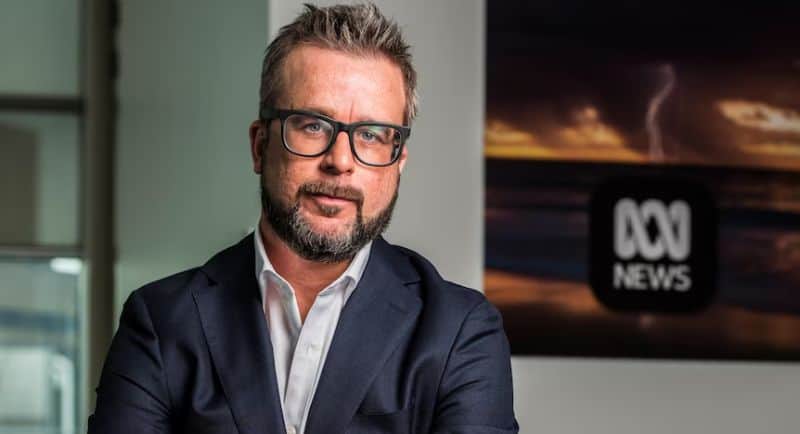
Justin Stevens
How the trial will work
From today, eligible news providers can register their interest in the trial by emailing [email protected]. Applications close on Monday, 25 May.
To be eligible, applicants must be local news outlets in regional Australia with an established digital audience and a reputable public news service.
Applicants must also demonstrate a commitment to public-interest journalism, show a clear need for additional support in covering emergencies and public-safety events, have a complaints-handling system, and be a member of a relevant media association.
Emma Cowdroy, AAP CEO, said the national newswire was well placed to support the ABC-led initiative.
“AAP has been distributing news to every corner of Australia for over 90 years. We are proud to support this ABC-led initiative by providing the infrastructure to deliver critical public-interest journalism to local newsrooms across the country,” Cowdroy said.
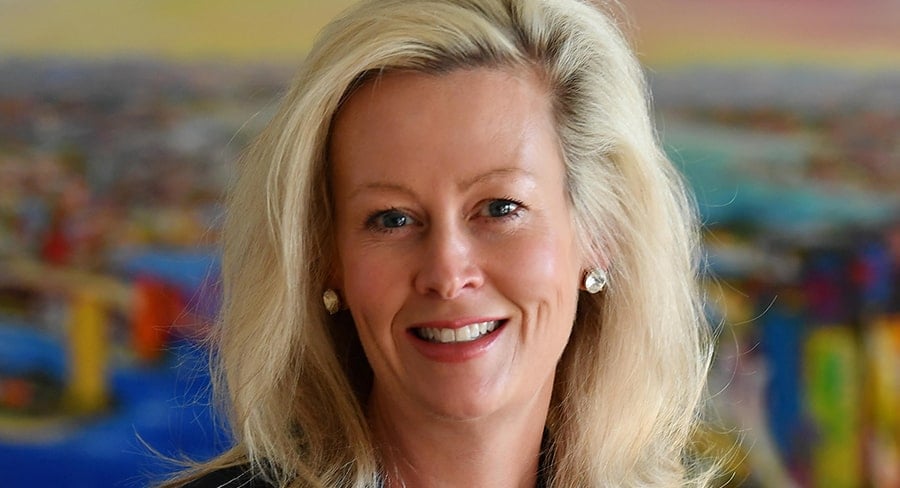
Emma Cowdroy
The application process will be supported by the independent Deakin University-led Australian Local News Resilience Project, which encourages collaboration across the local news sector.
The pilot is planned to begin in July.
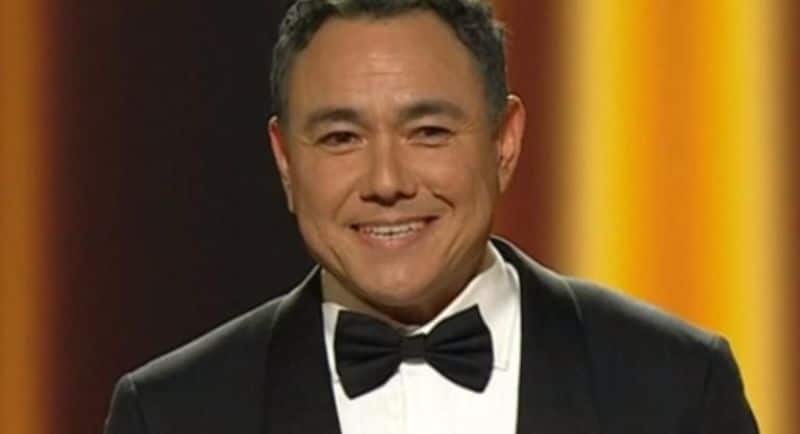
Will Sam Pang host the Logies this year?
Rumours are swirling about whether comedian Sam Pang will host the Logies awards show for a fourth year in a row, sources say.
Mediaweek asked for confirmation of a host this morning. A Logies publicist replied: “Confirmation on the date, location and host of this year’s TV WEEK Logie Awards will be shared in due course.”
The popular personality, who also hosts Ten’s Have You Been Paying attention, has successfully steered the Australian awards in 2023, 2024 and 2025.
It is confirmed that broadcasting rights will remain with Seven in 2026.
View this post on Instagram
The Logies are usually held in the month of August, and so far, this seems to be set to be the same this year.
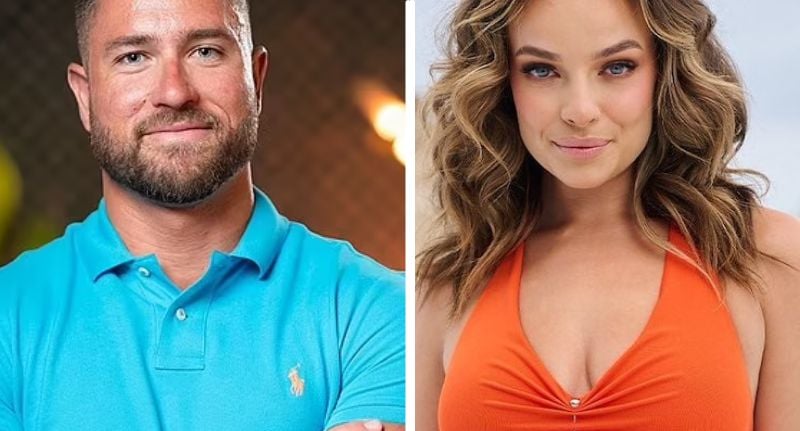
Abbie Chatfield issues apology to MAFS groom Harrison Boon after defamation dispute
Reality TV personality and broadcaster Abbie Chatfield has issued a public apology to former Married At First Sight contestant Harrison Boon following a defamation dispute.
The apology concerns comments posted on Chatfield’s Instagram account in April 2025.
In a statement posted to her Instagram Stories, Chatfield wrote:
“On April 26, 2025, I published on my Instagram page certain false and defamatory statements about Harrison Boone. I unreservedly withdraw those comments and apologise to you for the harm, hurt, and distress caused to him and his family by reason of the publication of the false statements.”
Boon, meanwhile, also shared a letter from Chatfield, which read:
“Dear Mr Boon,
“On 26 April 2025, I published on my Instagram page certain false and defamatory statements about you.
“I unreservedly withdraw those comments and apologise to you for the harm, hurt and distress caused to you and your family by reason of the publication of the false statements.”
Boon captured the post, writing: Result. Huge thank you to those that supported me through this.
He also went on to ask his followers not to “disparage Abbie in the comments.”
View this post on Instagram
Background to the dispute
The apology follows legal action initiated by Boon in late 2025, after he alleged a series of public comments made by Chatfield had damaged his reputation and business interests.
Boon had previously launched a GoFundMe campaign to support the legal proceedings, claiming the statements amounted to defamation.
The development also comes after Chatfield settled a separate defamation case in October last year, agreeing to pay $79,000 to former friend Heath Kelley over a series of Instagram posts.
ARN role under scrutiny
The apology also lands amid broader scrutiny of Chatfield’s role as a fill-in presenter on KIIS FM’s breakfast program, following the exit of The Kyle and Jackie O Show.
Reports in The Daily Telegraph indicate ARN Media has ruled out Chatfield as a long-term option for the timeslot.
The publication reported the ARN board does not support her appointment on a permanent basis, with the network continuing to assess both existing and new talent for breakfast.
ARN is understood to be using temporary presenters while longer-term decisions are finalised, with management leading the process and the board involved at later stages.
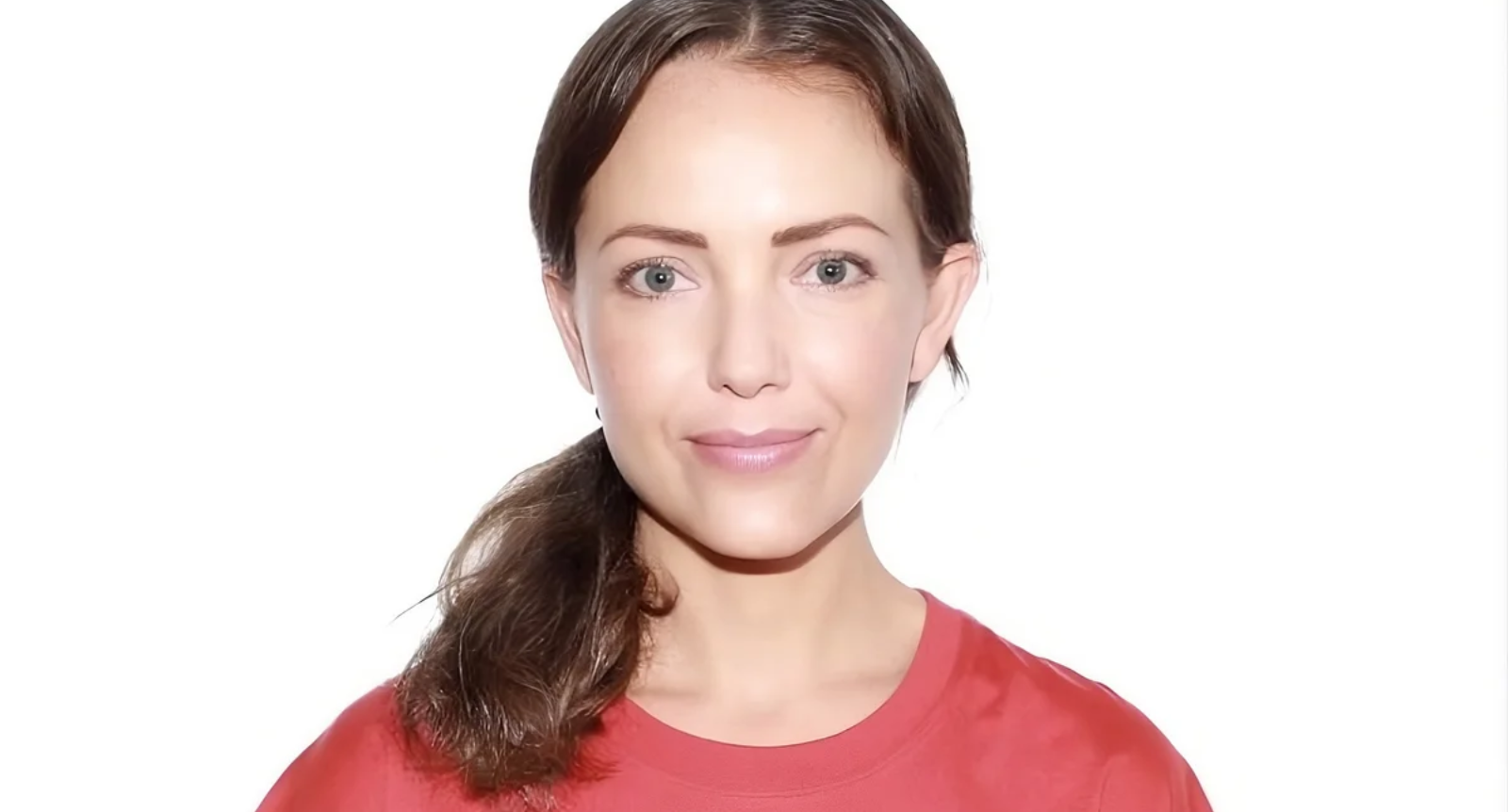
Publicis Production ANZ names Marie Skanderup as Client Partner
Publicis Groupe ANZ has appointed Marie Skanderup as Client Partner for Publicis Production ANZ, strengthening the business’s leadership as clients look to more agile, connected and technology-enabled production models.
Skanderup joins Publicis from Ogilvy, where she most recently held dual roles as APAC Transformation Director across the agency’s social business units and Program Director for a leading FMCG brand in Singapore and across the wider APAC region.
In the latter role, she was a senior client leader responsible for a cross-functional team of more than 40 specialists, delivering multi-million-dollar, fully integrated and social-led campaigns.
A focus on modern production models
Across her career, Skanderup has built a reputation for blending strategy, creativity and innovation with operational rigour.
Her appointment reflects Publicis Production ANZ’s focus on bringing together data, technology, creativity and craft to deliver modern content production at scale.
That includes bespoke models tailored to individual client needs, as well as always-on, performance-driven ecosystems that leverage Publicis-owned data and automation tools.
Managing director comments
Neil Duncan, MD, Publicis Production ANZ, said Skanderup joins at a key moment for clients.
“Marie’s appointment comes at a time when our clients are looking for their production partners to be collaborative and authoritative in shared transformation – connecting data and technology to content, and having the experience to implement bespoke content production models,” Duncan said.
“Marie brings all of this, and she’s a completely lovely human on top. A very rare find.”
Marie Skanderup on joining Publicis Production
Skanderup said she was looking forward to working with teams across the Publicis Groupe business.
“I’m excited to be joining Publicis Production at such a transformative time for our industry. There is an incredible depth of talent across the Publicis Groupe business, and I’m looking forward to working alongside the teams to deliver strong outcomes for our clients.”
Main image: Marie Skanderup
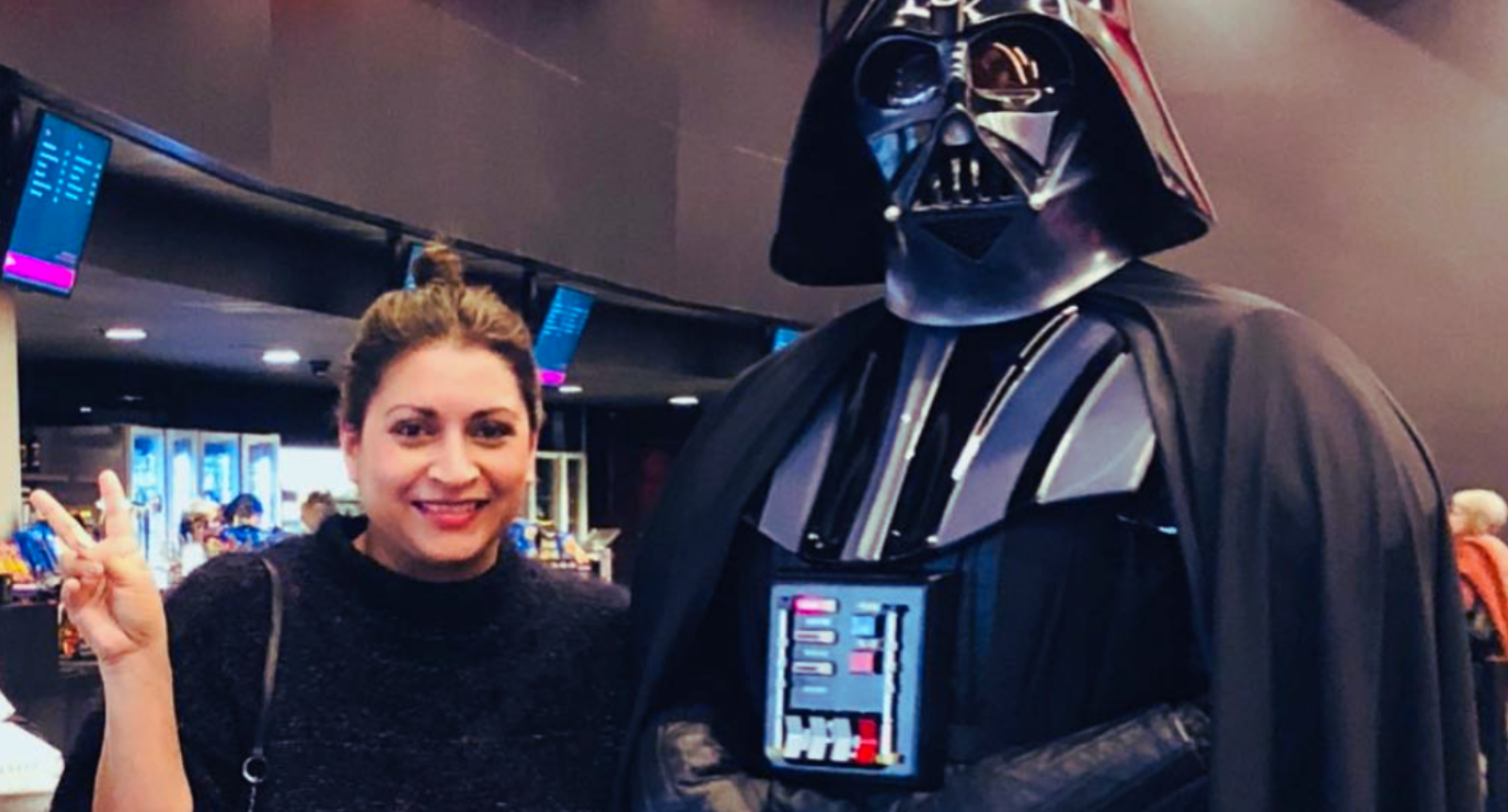
Where's the Star Wars merch for Mother's Day?
Imagine having two major annual occasions within a week of each other and not connecting them from a marketing perspective.
Sounds to me like a massive missed opportunity for brands.
I mean, hot cross buns hit stores the week after Christmas while people are still in holiday mode – so why haven’t Star Wars Day and Mother’s Day – which are within a week of each other – ever been connected?
Big mistake. Huge.
May 4th every year is a very auspicious day, in Australia and internationally. It’s Star Wars Day – because it’s May 4th (fourth) – which fans associate with the iconic line “May the Force be with you.”
From social media posts, to special deals and product releases for the occasion, it’s also a big day for many brands.
But even though it’s less than week away from Mother’s Day, no one’s figured it out: a lot of women, especially those of us old enough to be mums, are Star Wars fans, too.
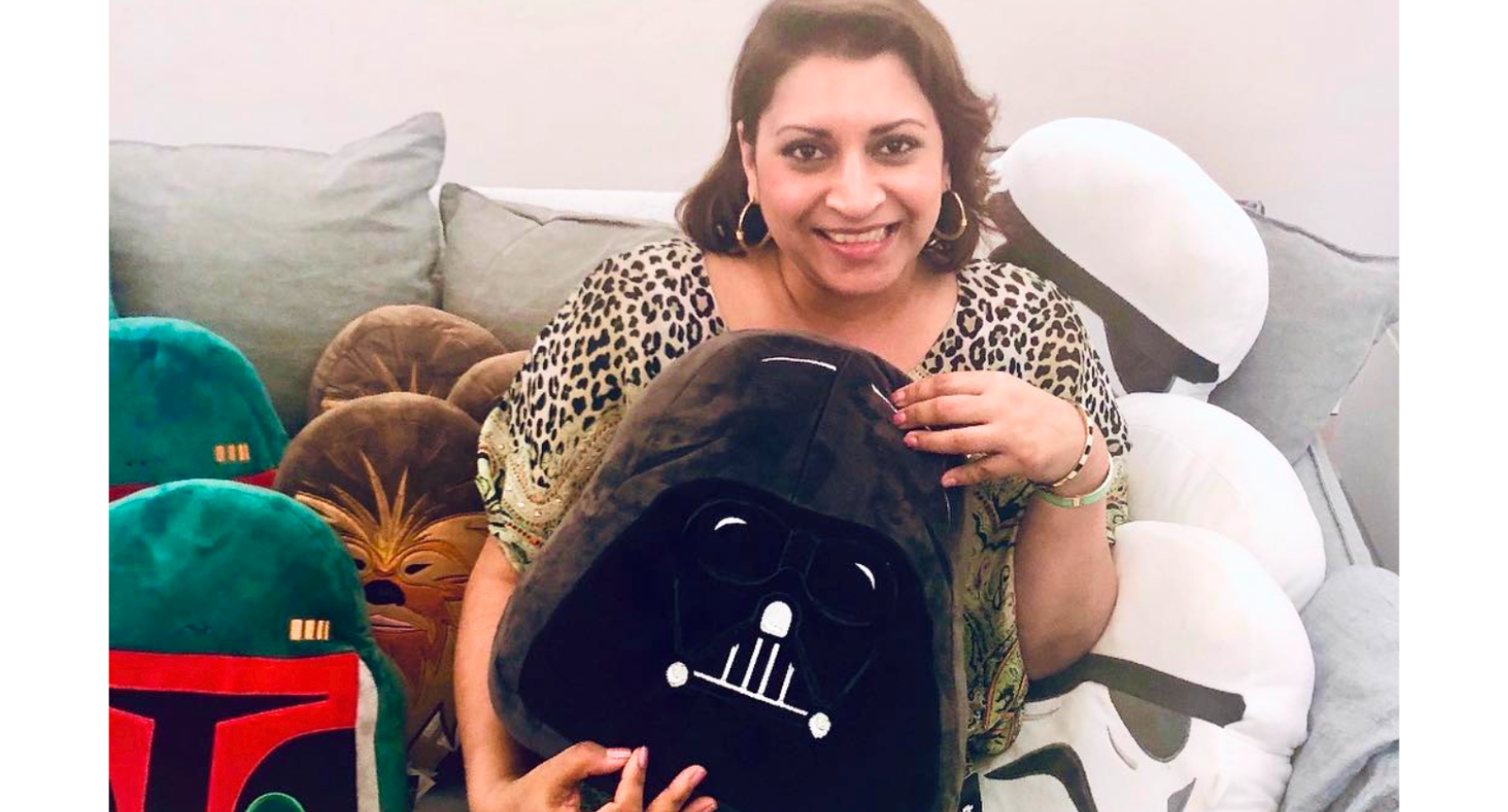
Nama Winston wants Star Wars merch on Mother’s Day, just like dads get on their day. Image: supplied
So where’s the Star Wars merch for mums?
Yes, with Star Wars, licensing terms with Disney would need to be considered.
But for Father’s Day every year, they manage to do it. You just have to see any marketing around the day and you’ll have an, ahem, galaxy full of Darth Vader socks and Chewy mugs. Pens that double as mini light sabres. Phone cases with Hans Solo’s (Harrison Ford) face on them.
Why does this super cool stuff get promoted for dads, but not mums?
As someone who’s been buying her own Mother’s Day gifts for 18 years, it’s disappointing.
Maybe evil Darth Vader wants it that way… because he is (spoiler alert) a dad, after all.
From a brands perspective, it feels like a double standard. Chicks (who are often mums) dig Star Wars, too.
I don’t need a mug that says World’s Best Mum – even if it is true. I need another The Empire Strikes Back water bottle, because someone (most likely a woman!) swiped mine from the office kitchen.
And not a girly Princess Lei-printed one – give me the OG manly beast – Jabba the Hutt. These days, he’s the character I relate to the most.
Top image: Nama Winston
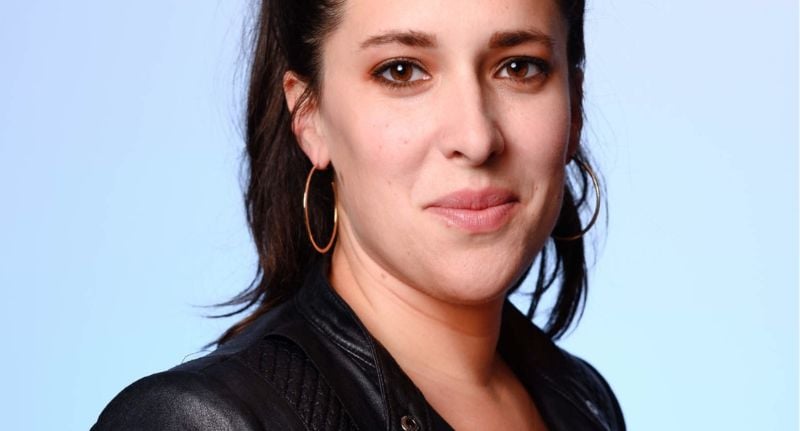
Thought leader or marketing fluff? Spotify’s Jenny Haggard cuts through the noise
The term ‘thought leader’ is often loosely applied across marketing and media, but at its most effective, it plays a defined role in shaping brand direction and influence.
That’s the focus of the latest episode of Mediaweek’s Newsmakers, featuring Jenny Haggard, Head of Global Brand Strategy and Thought Leadership Lead at Spotify.
In the episode, Haggard outlines how the role operates in practice – and how it has evolved alongside Spotify’s own growth.
Her approach is grounded in empathy, which she links back to her upbringing and lived experience.
“Everything comes back to how you were raised,” she told Mediaweek’s Newsmakers.
“We should all be empathetic because we don’t know each other’s stories,” she said, adding that she tries to lead “from a place with love and empathy.”
Haggard joined Spotify in 2014 and describes the business at the time as markedly different.
“The Spotify of 2014 looks completely different from the company that I work at now,” she said, pointing to the platform’s early stage, prior to its mobile expansion and before flagship products like Wrapped had taken shape.
“We didn’t even call it Wrapped! We called it Year in Music.”
Since then, Spotify has expanded beyond music into podcasts, video and audiobooks, with personalisation at the core of its strategy.
Despite that growth, she says the company has retained its edge.
“It is a lot easier to turn around a speedboat than it is a cruise ship,” she noted, positioning Spotify’s size relative to larger tech players like Meta and Google as a strategic advantage.
She is also candid about the realities of a long tenure in tech.
“I’ve been at Spotify for 12 years. I’ve not been happy for all 12 years,” Haggard said, pointing to a shift towards focusing on what she can control as key to navigating change.
The full conversation explores how those ideas translate into brand strategy and leadership, as well as Spotify’s next phase – particularly as formats like video podcasts continue to gain traction with younger audiences.
You can listen here or wherever you get your podcasts.

Hollywood shuts the door on AI at the Oscars
The debate around how AI will be assessed in filmmaking has, for now, been settled.
The Academy of Motion Picture Arts and Sciences has confirmed that only acting and writing performed by humans will be eligible for an Oscar.
The Academy, which oversees the film industry’s most prestigious awards, issued updated eligibility rules as the use of artificial intelligence continues to grow across film and television.
A clear line on authorship
Under the revised guidelines, acting must be “demonstrably performed by humans”, and writing must be “human-authored” to qualify for nomination.
The Academy described the update as a “substantive” change, marking the first time it has explicitly defined human authorship in its rules.
AI is not banned, but limited
Despite the move, the Academy stopped short of banning AI in filmmaking altogether.
Outside of acting and writing, the use of AI tools will neither help nor harm a film’s chances of being nominated.
Instead, each branch will assess work based on the extent to which a human remains central to the creative process.
“If questions arise regarding the use of generative artificial intelligence, the Academy reserves the right to request more information about the nature of the use and human authorship,” the group said.
The clarification comes amid growing concern about AI’s potential to replace or replicate human creativity.
Lilly blasts Disney over layoffs and AI direction
Evangeline Lilly, who starred as Hope van Dyne/Wasp in Ant-Man, has criticised Disney’s recent direction, warning that the shift risks undermining the industry’s creative foundation.
Lilly described the move as short-sighted, arguing that replacing human roles with automation threatens the people and craft that built the business.
She was particularly critical of Disney’s decision to axe Andy Park, Marvel’s director of visual development, and broader layoffs across the company, which reportedly impacted around 1,000 employees.
Taking to Instagram, Lilly wrote: “Disney, SHAME ON YOU for turning your back on the people who built the power you are now using to throw them away.”
“Where are the laws that REMOVE all human art from the AI bank?!?” she asked.
Watch the full video below:
View this post on Instagram
Industry tensions rising
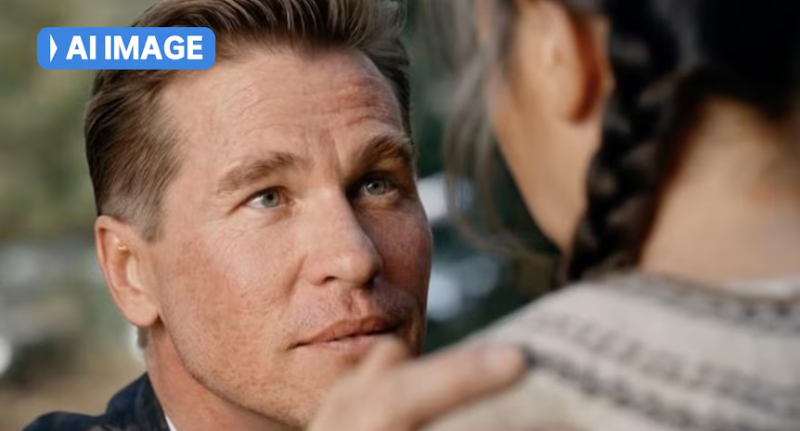
On the other hand, recent examples tell a different story, including plans to recreate the late actor Val Kilmer using AI and experiments with fully synthetic performers by creators such as Eline van der Velden.
Moreover, actors Matthew McConaughey and Michael Caine have sold their voices for AI-driven replication, partnering with the AI audio company ElevenLabs. McConaughey is doubling down on AI voice tech, investing an undisclosed sum in New York-based ElevenLabs.
The actor has been collaborating with the company since its founding in 2022, and is now using its technology to create a Spanish-language audio version of his newsletter, “Lyrics of Livin’”, in his own voice.
Then there are some who can’t pick a side.
Hollywood actor Ben Affleck has quietly sold his AI company, InterPositive, to Netflix in a surprise deal that also revealed he had retained ownership of the business for years. The move has sparked debate, given Affleck’s earlier scepticism about AI’s creative capabilities, having previously said it could not “write anything meaningful” or make films from scratch.
These issues have also been central to industry disputes, including the recent Hollywood writers’ strike, where AI-generated scripts were a key concern.
Top Image: AI-Generated
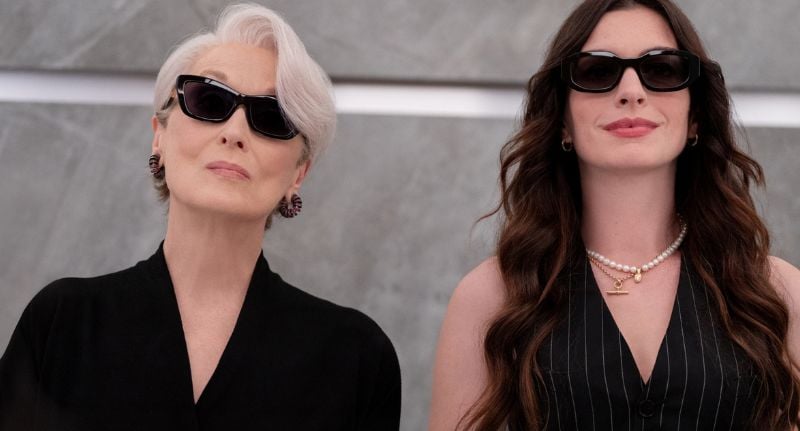
The Devil delivers: Prada sequel posts biggest opening in a year
The Devil Wears Prada 2 has delivered the biggest opening weekend at the Australian box office in the past 12 months, signalling continued momentum for cinema audiences and premium viewing experiences.
The sequel took $13.1 million across its Wednesday-to-Sunday debut (including preview screenings), alongside 547,000 admissions, marking the second-biggest comedy opening of all time locally, behind Barbie.
The result lands amid a broader recovery for cinema, with multiple record-breaking openings already recorded in 2026 and the strongest Easter period since 2019.
Audience data points to broad appeal, with the film drawing both legacy fans and new viewers. Notably, 62% of the audience came from the P25–54 demographic, alongside a 69% female skew.
Premium cinema formats also played a role in driving revenue, underlining the ongoing value of the theatrical experience for both audiences and advertisers.
Audience growth across key segments
The opening contributes to a wider uplift in cinema performance, with overall admissions up 13% year-on-year across all key demographics, including younger audiences, families and culturally diverse segments.
Guy Burbidge, Managing Director of Val Morgan Cinema, positioned the result as part of a broader trend.
“The Devil Wears Prada 2 is another huge cultural moment – a great example of how nostalgic, quality content pulls in the big audiences.”
“We’ve seen a run of record-breaking openings, the strongest Easter period in six years, and now continued growth across both box office and admissions year-on-year. That performance is being driven by broad audience growth across all key segments.”
Advertising case strengthens for cinema
Burbidge also pointed to the implications for advertisers, linking audience engagement to campaign effectiveness.
“Combining this with the Cost of Dull research, which highlighted the benefits for brands in using Cinema vs low attention formats, reinforces why now is such a powerful time for brands to be on the big screen.
“The months ahead will only build on this, with a strong slate of quality content and expanded opportunities beyond the screen”.