
Thursday February 5, 2026
'Disastrous': Marty Sheargold breaks silence on Triple M exit after Matilda’s ‘joke'
Marty Sheargold has, for the first time, opened up about the personal turmoil behind the controversy that ended his run at Triple M, revealing he was dealing with family tragedy and emotional shock when the now-infamous Matildas segment went to air.
Speaking on KIIS FM’s The Kyle and Jackie O Show while promoting his new Red Card stand-up tour, Sheargold said he stayed silent because the moment simply wasn’t safe for nuance.
“And it’s an interesting time that we’re living in, isn’t it? You know, free speech-wise, what is and isn’t offensive, it’s a real mess of a thing,” he said. “I didn’t talk about it at the time because I knew no one would listen… Everyone’s got a head of steam.”
‘I didn’t get to put any context around it’
Behind the scenes, the backlash collided with something far more personal.
“There was some stuff in my private life happening at that time, too, which was really disastrous,” Sheargold said.
“Dad had just recently died the week before, so I did a eulogy at his funeral on Friday, and then I was on air on Monday, and this Matilda thing exploded. But you can’t say that at the time. Because it looks like you’re playing the his-dad-died card.”
He also revealed the segment that triggered the storm was not even live.
“The other context about it is that it was pre-recorded. I mean, that’s how ridiculous it was,” he said. “We pre-recorded that Matilda thing earlier in the day. Sometimes you go home and think, I might give them a ring and just get them to pull that out. I wasn’t even thinking like that.”
From ACMA ruling to Triple M exit
That clip ultimately led to the Australian Communications and Media Authority finding The Marty Sheargold Show had breached decency standards, describing the remarks as “degrading and demeaning” towards women.
The ruling censured Triple M Sydney, Brisbane, Maryborough and the Gold Coast, with ACMA chair Nerida O’Loughlin warning the comments “had the potential to normalise and perpetuate stereotypes that are harmful to women”.
Not long after, Southern Cross Austereo confirmed Sheargold and the network had “mutually agreed to part ways”, replacing him in Melbourne breakfast with Mick Molloy and Mark Geyer.
Dumped live on KIIS, by mistake
That history hung awkwardly over Sheargold’s KIIS appearance this week, when he was unexpectedly “dumped” off air mid-conversation.
In radio, the dump button is a live-broadcast circuit breaker, used to instantly cut audio when a segment veers into legally, reputationally or commercially dangerous territory.
For a few seconds, it appeared Sheargold had been cut off while referencing his Triple M exit. “You’re right, Kyle,” he said just before the audio dropped.
The moment, however, was later understood to be a technical or production error rather than a deliberate silencing, adding an accidental layer of drama to what was already a sensitive return to live radio.
Why stand-up now
Seven months on, Sheargold is betting on live comedy instead of live radio.
“As much as I’ve been trying to embrace early retirement, I’m bored s**tless,” he said. “I’m going to be the 54-year-old man that I am. Fun, sexy, charming and humble. Let’s share moments and memories from my life.”

Apple tightens the screws on under-18 iPhone use
Apple has expanded its parental controls across iPhone, iPad and Apple Watch, adding new default protections designed to reduce children’s exposure to explicit content and make settings harder to bypass.
The update builds on Apple’s Communication Safety feature, which uses on-device machine learning to detect nudity and blur images before they’re viewed. Apple says the detection happens on the device, and the company doesn’t receive the content unless a user chooses to report it.
What’s changing on iPhone and iPad
Apple’s biggest shift is expanding Communication Safety beyond Messages to include FaceTime video calls and Shared Albums in Photos. The settings are also being enabled by default for users aged 17 and under, according to The Australian.
On setup, Apple is also pushing harder for families to create Child Accounts. The process is now built into the device’s initial setup flow. The user is prompted to select an age range (child, teen, or adult) and guided to join a family group; safety settings are enabled even if setup is deferred.
Fixing the “hand-me-down” gap
Apple is targeting a common scenario in which a child inherits an older device that is still signed in to an adult account. A new prompt can suggest updating the date of birth when Screen Time protections indicate a minor is likely using the device, activating age-appropriate defaults without requiring a full reset.
More visibility for parents in Screen Time
Screen Time is also being updated to alert parents when a Screen Time passcode is entered on their child’s device, to prevent silent workarounds.
Apple is also tightening “Communication Limits” controls, including requiring children to request permission to message or call new numbers, which parents can approve inside Messages.
App Store changes and a new age-range tool for developers
Apple is further restricting how apps appear in the App Store based on age ratings and a family’s content settings, and expanding “Ask to Buy” so parents can grant exceptions when a child wants to download an app rated above the set restriction.
To balance age-appropriate experiences with privacy, Apple has introduced a Declared Age Range framework, allowing developers to request an age range without collecting a specific birth date.
Why it matters now
The updates come amid growing global pressure on platforms and device makers to improve online safety for children. In Australia, the federal government’s under-16 social media ban has forced platforms to implement tighter controls, while debate continues about the best path forward.
Education researcher Dr Jo Orlando, who has advised the federal government, told The Australian the ban has split parents, with many seeking practical guidance as technology and online risks evolve.
Snap pushes for app store-level age checks
Snap has reported locking or disabling more than 415,000 Australian accounts it believes belong to under-16s since the ban took effect in December, citing a mix of self-declared age and detection tools.
But Snap has also argued that age estimation is imperfect and that regulating only certain services can push teens toward less visible alternatives. The company says app store-level age verification would provide more consistent signals across the ecosystem.
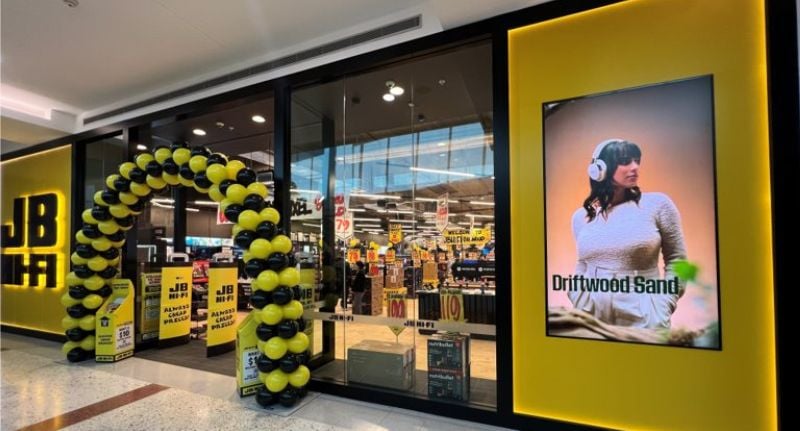
JB Hi-Fi launches Australia’s first consumer electronics retail media network
JB Hi-Fi has officially entered the retail media arms race, launching Australia’s first dedicated consumer electronics retail media network through an exclusive partnership with Retail MediaWorks, in a move that opens up one of the country’s most valuable shopper audiences to brands and agencies for the first time.
The deal gives advertisers access to JB Hi-Fi’s massive omnichannel footprint, spanning 207 stores and the nation’s most visited consumer electronics website, creating what both parties are pitching as a high-intent, high-impact alternative to traditional digital and in-store advertising.
For the fast-growing retail media sector, it marks the arrival of a category that has so far been conspicuously absent from Australia’s data-led commerce media landscape.
Why JB Hi-Fi is making this move now
JB Hi-Fi’s Director of Marketing and eCommerce Gary Siewert said the partnership reflects how brands now want to reach consumers when they are closest to making a purchase decision.
“Retail media plays an increasingly important role in how brands engage customers during moments of active consideration. Partnering with Retail MediaWorks, the market leader in delivering retail media at scale, allows us to deliver targeted omnichannel advertising experiences that are relevant for shoppers and valuable for brand partners, supported by proven technology partners.”
The initial phase of the network will prioritise near-endemic brands, those already operating close to JB Hi-Fi’s core categories, before expanding into broader endemic and non-endemic opportunities as inventory and data capabilities are built out across digital and physical touchpoints.
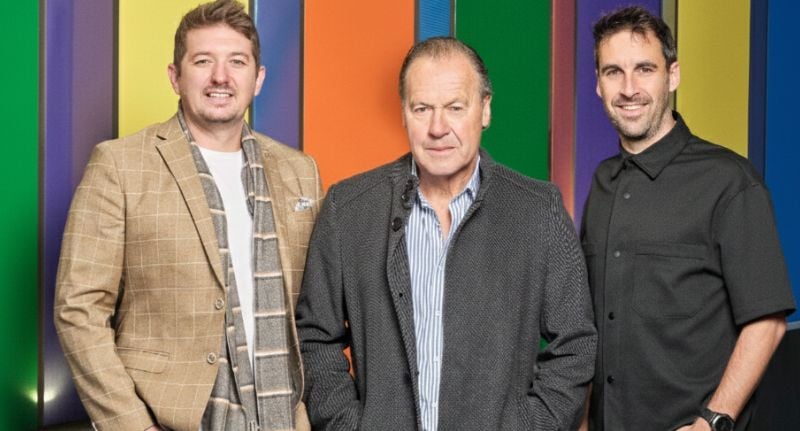
Retail Media Works founders Jon Harding, John Georgas and Mark Rodgers.
A new vertical for Australia’s retail media economy
For Retail MediaWorks, the deal adds a powerful new category to its growing national footprint, extending beyond Grocery, Liquor, Hardware and Pharmacy into high-consideration consumer electronics.
CEO John Georgas said JB Hi-Fi’s influence in Australian retail made the partnership a strategic turning point.
“JB Hi-Fi is one of Australia’s most influential retailers, and this partnership reflects where retail media is heading. We’re focused on building a scalable, data-led omnichannel platform that delivers measurable outcomes for brands and long-term growth for the retailer.”
Since launching in 2021, Retail MediaWorks has generated more than $1 billion in retail media revenue for major Australian retailers, including Coles and Bunnings, positioning it as the country’s dominant retail media operator as more verticals come online.
What it means for brands and agencies
Until now, Australia’s retail media landscape has been dominated by supermarkets and hardware chains. JB Hi-Fi’s entry changes that equation, giving brands access to an audience actively researching and comparing big-ticket items such as TVs, laptops, gaming consoles, and home entertainment.
With its combination of store traffic, digital scale and transactional data, JB Hi-Fi’s network is expected to become one of the most commercially powerful retail media environments in the country, particularly for brands looking to connect marketing spend more directly to sales outcomes.
As consumer attention fragments and third-party data continues to erode, the race for owned, high-intent audiences is only accelerating. JB Hi-Fi’s move puts consumer electronics firmly on the retail media map.
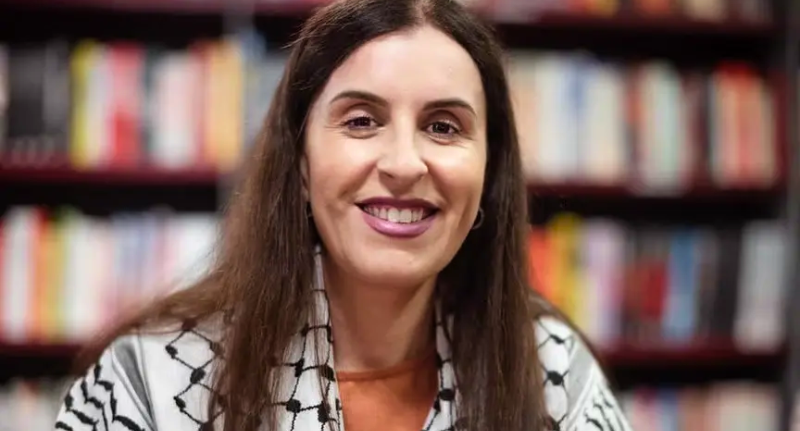
'Rebel' Adelaide writers' event set to feature Randa Abdel-Fattah
An impromptu event called Constellations: Not Writers’ Week is stepping into the void left by Adelaide Writers’ Week, putting its controversial cancellation in January back into the spotlight.
As The Sydney Morning Herald reports, Randa Abdel-Fattah – whose expected presence was cancelled after the Bondi shootings in December 2025 – and former director of AWW Louise Adler, will feature at the ‘rebel’ event.
Constellations will take place over the same early-March period that Adelaide Writers’ Week, part of the broader Adelaide Festival, was to have been held.
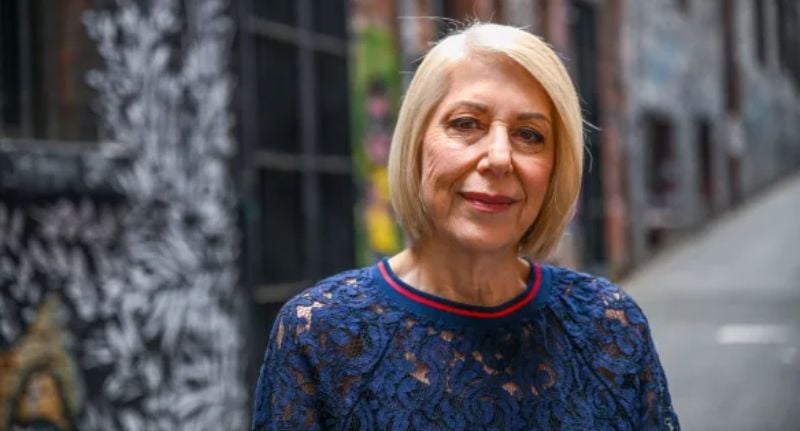
Dr Louise Adler. Image: Instagram.
New Adelaide writers event Constellations
The festival board’s retraction of its invitation to Abdel-Fattah triggered a large-scale author boycott of the event, necessitating its cancellation, and a new board was introduced.
The SMH reports that Constellations has been granted some venue hire by Adelaide Council, but otherwise has no funding from the South Australian government. Premier Peter Malinauskus was involved in the decision to remove Abdel-Fattah from the event’s guest list in January, saying that her presence was inappropriate in light of the Bondi Hanukkah attack.
In the new event, Adler will host a conversation with Abdel-Fattah, which has been funded by booksellers, publishers, authors and taxpayer-funded peak body Writers SA.
Authors originally invited to AWW, including former Greens leader Bob Brown and former Greek finance minister Yanis Varoufakis, will also attend.
Abdel-Fattah has not spoken publicly yet about Constellations, but did announce on her social media this week that she is taking a “short break” to concentrate in part on her academic work and a defamation claim she has launched against Malinauskas.
Randa Abdel-Fattah. Image: Instagram
Constellations will be a community-led event
Writers SA head Jennifer Mills said Constellations was a “decentralised, community-led” event that was not intended to replace Adelaide Writers’ Week.
“I think it’s very important for artists to speak up in defence of freedom of expression, as we have here,” Mills told The SMH.
“So we are looking at prioritising Palestinian voices, First Nations voices, and celebrating some of the writers who pulled out of the AWW program. It’s very important to us that we didn’t just leave a void of silence in the city that week.”
Publicis puts cancer survival on the corporate agenda
Publicis Groupe has announced a new phase of its Working with Cancer initiative, following research from Memorial Sloan Kettering Cancer Center and the Mayo Clinic.
Since launching at the World Economic Forum three years ago, Working With Cancer has grown into a global initiative covering more than 40 million workers across 5,000 companies worldwide.
Research led by Victoria Blinder and Gina Mazza has found evidence linking sustained employment, or return to work, after a cancer diagnosis with improved health-related quality of life.
However, workplace conditions can influence these outcomes, highlighting the need for flexibility, understanding and appropriate accommodations during treatment and recovery.
The study found employed cancer survivors had about 28% better overall quality of life and 29% higher physical functioning at five years, and were significantly less likely to report moderate-to-severe depression (3.7x) and anxiety (2.4x) than those unemployed.
AI coach for cancer support in the workplace
Companies that sign the Working With Cancer pledge can access the coach, which supports them in adapting health, benefits and workplace policies to each employee’s needs.
It is built on Large Language Models and designed to address pain points experienced by patients, managers, and HR and benefits leads, with purpose-built safeguards.
The AI system draws from curated, vetted resources from Working With Cancer’s expert partners to deliver accurate, transparent responses while avoiding the risks associated with open-internet health queries.
A task-specific, multi-agent architecture provides context-aware guidance to cancer patients, managers, and colleagues, while strict boundaries prevent medical diagnosis. Privacy and anonymity are foundational, with no data retained beyond each session.
A campaign calling on employers to act
With evidence linking work, under the right conditions, to better health outcomes for cancer patients, Working With Cancer is launching a global campaign to encourage more companies to sign the pledge.
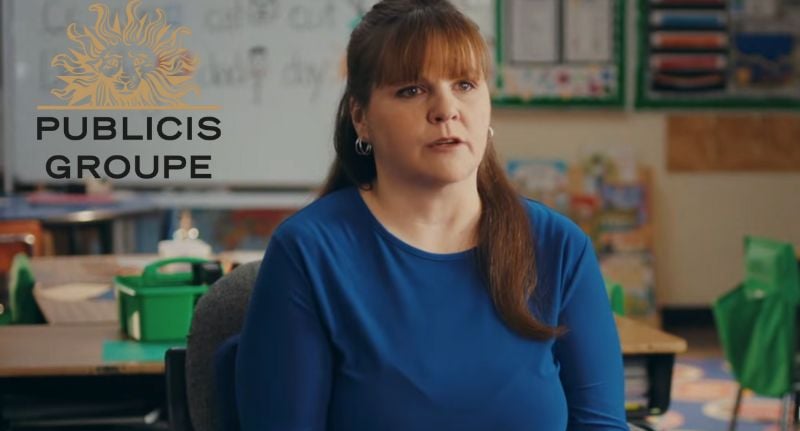
A film created by Publicis Conseil and backed by $100 million in pro bono media from partners including Disney, Google, Zeta Global, TikTok, NBCUniversal, Paramount, iHeartMedia, Westwood One, Clear Channel Outdoor, Captivate, Screenvision and NCM shows employers are not peripheral to the cancer experience.
Directed by stage IV cancer survivor and award-winning filmmaker Kailee McGee, it features survivors from all walks of life, including CEOs, celebrities and employees from Walmart, L’Oréal, Pfizer, Barclays, Accenture and Carrefour, sharing how working helped them maintain normalcy and control during treatment.
IMAA unveils speaker line-up for 2026 Indie-Pendence Day conference
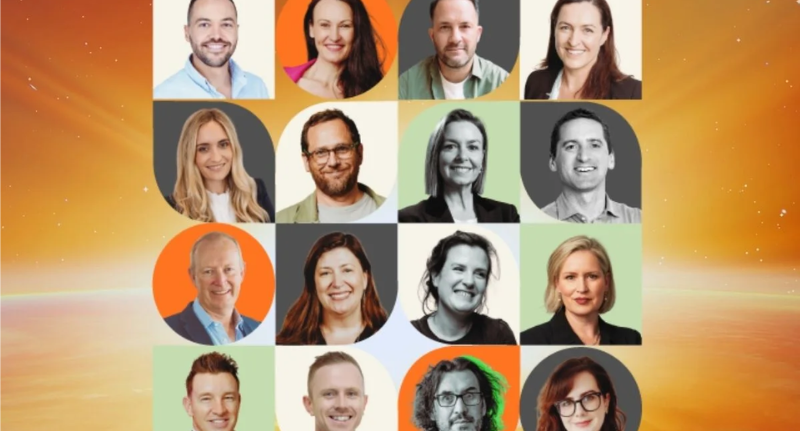
IMAA – Independent Media Agencies Australia has announced the speaker line-up for its 2026 Indie-Pendence Day conference, with leading voices across AI, marketing, media, technology and economics set to take the stage in Sydney and Melbourne.
The annual conference will be held in Sydney on February 19 at HOYTS Entertainment Quarter, followed by Melbourne on February 26 at the Melbourne Cricket Ground AFL Dining Room in the Shane Warne Stand.
Sponsored by News Australia and Tubi, the events are expected to set the tone for the independent media agency sector in 2026.
Focus on AI, economics and creative intelligence
This year’s conference program brings together futurists, economists, CMOs and AI specialists to explore the forces shaping the media and marketing landscape.
In Sydney, futurist and Say Robots founder Katie Rigg-Smith will present Fact, fiction or fad? Which are the futures that indies need to prepare for in 2026?, examining the key consumer and technology trends expected to impact agencies over the next 12 to 24 months.
Sean Aylmer, host of Nova Entertainment’s Fear & Greed podcast, will deliver a general business and economic outlook.
Little Black Book Managing Editor AUNZ Brittney Rigby and Asia-Pacific Managing Director Toby Hemming will deliver keynote sessions in Sydney and Melbourne respectively, exploring creative effectiveness and media intelligence.
In Melbourne, finance expert Betsy Westcott will present The 2026 Economic Outlook: What Indie Agencies need to know to stay ahead, while Headspring founder Mark Byrne will examine how agencies can use AI without sacrificing strategic edge.
AI takes centre stage
AI will be a major theme across both conferences.
The Sydney event will feature a panel discussion with Bel Harper from oOh!media, BRAIVE founder Matt Travers, Kathryn Illy, Margie Reid, and Rigg-Smith, moderated by Australian Centre for AI in Marketing co-founder Louise Cummins.
In Melbourne, Thinkerbell founder Adam Ferrier will join Cummins for a fireside chat on the current state and future direction of AI in marketing.
Celebrating indie momentum
The Sydney conference will open with an Acknowledgement of Country delivered by Dan Bourchier, NITV Editor-in-Chief and General Manager. Both events will be MC’d by news.com.au entertainment reporter and The Newsroom podcast host Andrew Bucklow.
News Australia National Client Partnerships Managing Director Lou Barrett said the conference arrives at a pivotal moment for the sector.
“Following an extraordinary 2025 for the IMAA and its members, this event brings the independent agency community together to explore the economic outlook and the AI advantage needed to stay ahead,” Barrett said.
IMAA CEO Sam Buchanan said Indie-Pendence Day remains a cornerstone of the organisation’s calendar.
“Our annual Indie-Pendence Day conference is an important opportunity for us to reflect on both our achievements to date and what’s in store for the year ahead,” Buchanan said.
Dates and details
The 2026 Indie-Pendence Day conference will run from 9am to 12.30pm in both cities, followed by networking sessions presented by Tubi. The event is open to IMAA members and partner organisations
Bezos slammed after The Washington Post cuts a third of its staff
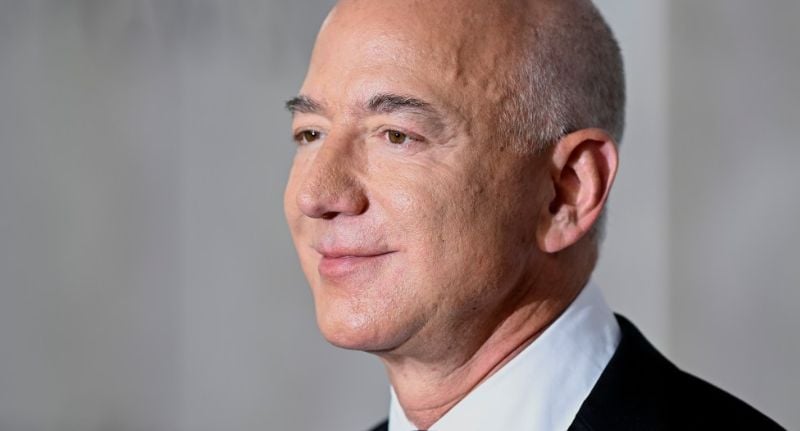
The Washington Post, owned by Amazon founder Jeff Bezos, has cut more than 300 jobs – about 30% of its staff – the New York Times reports.
The Post announced on Wednesday that it was commencing mass layoffs that are expected to decimate the sports team, local news and international coverage.
According to two anonymous sources of the NYT, people on the business side will be impacted, and more than 300 of the roughly 800 journalists in the newsroom.
A Post spokesperson said in an email: “The Washington Post is taking a number of difficult but decisive actions today for our future, in what amounts to a significant restructuring across the company. These steps are designed to strengthen our footing and sharpen our focus on delivering the distinctive journalism that sets The Post apart and, most importantly, engages our customers.”
Backlash against Jeff Bezos
According to the comment in the NYT, “The cuts are a sign that Jeff Bezos, who became one of the world’s richest people by selling things on the internet, has not yet figured out how to build and maintain a profitable publication on the internet.”
The story further reported, “Matt Murray, The Post’s executive editor, said on a call Wednesday morning with newsroom employees that the company had lost too much money for too long and had not been meeting readers’ needs.
“He said that all sections would be affected in some way, and that the result would be a publication focused even more on national news and politics, as well as business and health, and far less on other areas.”
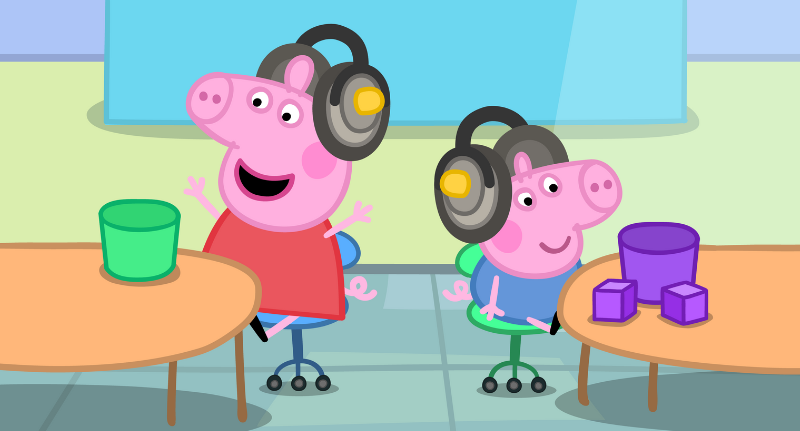
Peppa Pig enters a new era with inclusive storyline
Hasbro has announced a major new storyline in Peppa Pig, with Peppa’s younger brother George revealed to be moderately deaf in upcoming episodes.
The development marks a significant evolution for the long-running preschool series and is designed to reflect the real-life experiences of deaf children and their families.
New episodes will roll out across digital platforms before continuing in season 11, coming soon to ABC Kids.
Expanding representative storytelling
George’s storyline builds on Peppa Pig’s established approach to inclusive representation, which has previously introduced characters such as Mandy Mouse, who uses a wheelchair, and Penny Polar Bear, who has two mothers.
“For more than 20 years, Peppa Pig has grown alongside families around the world, and George’s evolution reflects that journey,” said Esra Cafer, SVP of franchise strategy and management, preschool and fashion at Hasbro.
“George has grown from Peppa’s curious little brother into a character with his own voice and experiences. As he enters this next phase of his development, we continue to celebrate joy, growth and confidence, reminding every child that there’s a place for them in Peppa’s world,” Cafer said.
Developed with expert consultation
To ensure the storyline was portrayed sensitively and accurately, Hasbro partnered with the National Deaf Children’s Society and deaf executive producer and script consultant Camilla Arnold.
The National Deaf Children’s Society provided guidance on different types of hearing loss and appropriate support, while Arnold advised on language, tone and authentic family representation for preschool audiences.
“Globally, an estimated 34 million children are deaf, yet we don’t always see their stories told in the media,” said George Crockford, chief executive at the National Deaf Children’s Society.
“Introducing this storyline in a series as beloved as Peppa Pig is an important step toward creating a world where anything is possible for deaf children – a world where differences are celebrated, and every deaf child feels seen, valued and included.”
Arnold added, “Authentic representation doesn’t happen by accident. True representation takes care and collaboration, and that’s exactly what we achieved with Hasbro.
“The result is a story that celebrates confidence, curiosity and belonging.”
Rolling out across digital and broadcast
Short-form digital content will launch first via Peppa Pig Tales on YouTube from Friday 6 February at 9pm AEDT, including a first-ever episode told from George’s audio perspective.
The content explores how everyday family life can be more challenging for George, while highlighting his resilience and Peppa’s support.
Season 11 episodes on ABC Kids will continue the storyline, beginning with an episode titled Hearing Test, where George is diagnosed with moderate hearing loss in one ear and fitted with a hearing aid.
An audiologist in the episode is voiced by Jodie Ounsley, a TV personality, author and the first deaf female rugby player to represent England.
Accessibility beyond the screen
As part of the broader inclusivity initiative, Hasbro has expanded accessibility across Peppa Pig content with the Peppa Pig Sign Language for Kids YouTube channel, featuring episodes interpreted in both British Sign Language and American Sign Language.
The storyline will also extend into retail, with the first George figure featuring a hearing aid launching in Australia from March, alongside a Talking George soft toy available from 9 February.
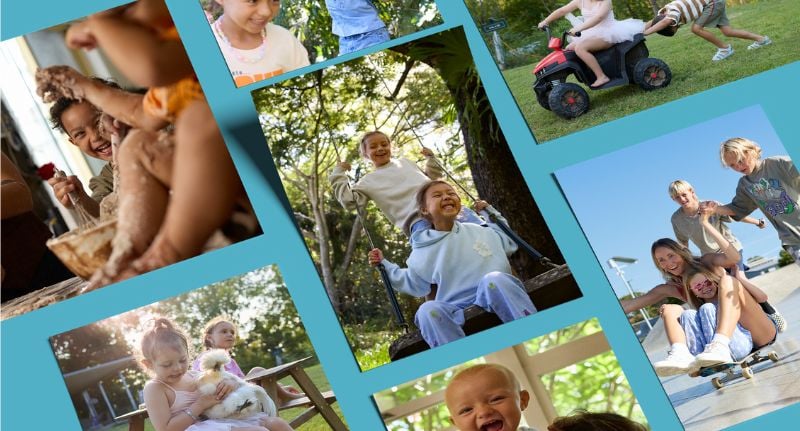
Best&Less ditches perfection for the reality of family life
Best&Less has gone live with a major new brand platform, ‘So.Much.Better’, marking the retailer’s most significant creative and strategic reset in years as it looks to modernise what “value” means in a culture shaped by social media pressure and parenting perfectionism.
Developed by agency of record Connecting Plots Group, the campaign reframes Best&Less’s 60-year heritage away from price alone and toward emotional freedom, positioning affordable, feel-good clothing as a way for parents to be more present in the beautifully chaotic middle of family life.
The work lands into a category increasingly crowded with trend-led fast fashion, at a time when research shows parents are emotionally exhausted by unrealistic standards.
Turning cultural pressure into brand territory
Research conducted for the campaign found that 56% of parents feel worried about appearances, fuelled by social media, which stops them from enjoying family time. More than half, 52%, said they regret spending too much time stressing over mess and chaos instead of enjoying small moments.
Head of Marketing Janine Van Deventer says the brand saw a clear opportunity to address that emotional tension.
“In a world where so much of family life is filtered and curated, it’s easy to feel like you’re doing it wrong,” she said. “So.Much.Better is about taking that pressure off. When clothes look and feel good, and the price is right, it gives parents one less thing to worry about – and more freedom to just be present and enjoy family life.”
For Connecting Plots, the strategy was to give Best&Less permission to own a more human, values-driven space in a category that normally defaults to price wars.
“The category tends to only talk price and trend, but Best&Less has the 60-year credibility to do something braver: to stand up for real Australian families and reject a culture of perfection that makes mums and dads feel judged,” said Dave Jansen, Co-Founder and Chief Imagination Officer at Connecting Plots.
Music, documentary storytelling and real homes
To anchor the new platform emotionally, Best&Less commissioned award-winning Australian country artist James Johnston to write and record an original song for the brand. The track is being used as a sonic signature across advertising, owned channels, and in-store environments, allowing the brand to appear consistently and flexibly across touchpoints.
Creatively, the campaign takes a documentary approach rather than a polished retail aesthetic. Filmmaker and mum Hailey Bartholomew worked with the team to capture unscripted moments inside the homes of 15 real Australian families.
“Being in these homes was such a reminder of how powerful it is to let life be real,” Bartholomew said. “The noise, the chaos, the laughter – those unscripted moments are what shape childhood. That’s where life really is so much better.”
The resulting content library includes hundreds of lived-in images designed to sit at the heart of the brand across all channels, showing clothes not as styled objects but as things worn, stretched, spilled on and loved.
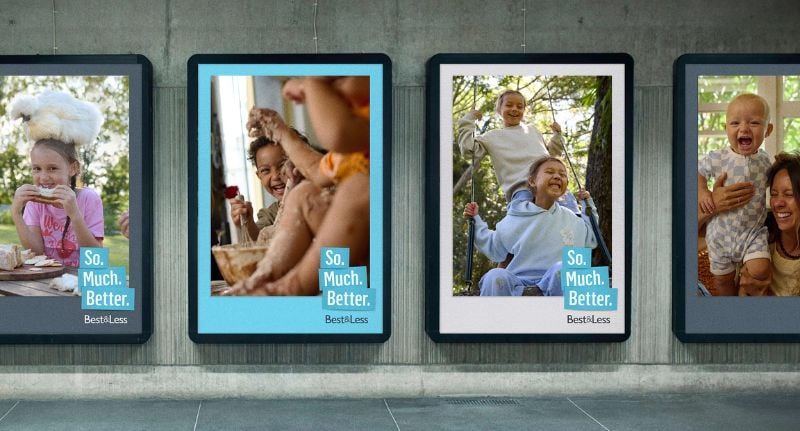
A platform built for scale
The ‘So.Much.Better’ platform is now live nationally across BVOD, digital, social, in-store and retail environments, influencer partnerships, PR, and internal and B2B communications.
For Best&Less, the shift is as much about long-term brand equity as it is about immediate campaign cut-through. By embracing the messiness of real family life, the retailer is making a strategic play to stand apart in a category obsessed with perfection and speed.
In a world that tells parents they are never doing enough, Best&Less is betting that telling them they are already enough is… so much better.
CREDITS
Client: Best&Less
Head of Marketing: Janine VanDeventer
Brand Marketing Manager: Will Dance
Social Media & Digital Content Manager: Alice Shaw
Creative, Comms & PR: Connecting Plots Group
Chief Imagination Officer: David Jansen
Managing Director: Kate Sheppard
Strategist: Craig Page
Senior Art Director: Jonti Groth
Senior Copywriter: Phil Barnes
Creative: John Gault
Head of PR and Earned: Katie Eastment
Project Director: Rachel Smith Heffernan
Design Director: Blair Palmer
Publicist: Lucy Saarelaht
Social and Content Manager: Sarah Kennedy
Creative Services Manager: Mary Morrell
Production: Infinity Squared
Executive Producer: Erin McBean
Director + Photographer: Hailey Bartholemew
DOP: Mark Desiatov
Editor: Annika Damon
Sound: Michael Thomas

‘Lack of joined-up thinking’ Marketers need to rethink short-term creator campaigns
As creator marketing budgets continue to dominate in Australia, brands are increasingly moving away from short-term influencer bursts toward building long-term creator ecosystems that deliver compounding returns.
Sharyn Smith, founder and CEO of Social Soup, told Mediaweek that the shift is driven by stronger ROI, deeper audience trust, and more sophisticated measurement frameworks, as marketers reassess how creators fit into broader media and commerce strategies.
“There are a couple of layers to it,” Smith said.
“A big part is the investment brands make in finding, matching, onboarding, educating and building relationships with creators. That takes time, so it makes sense to work with those creators long term to really see the ROI, rather than starting from scratch with every short-term campaign.”
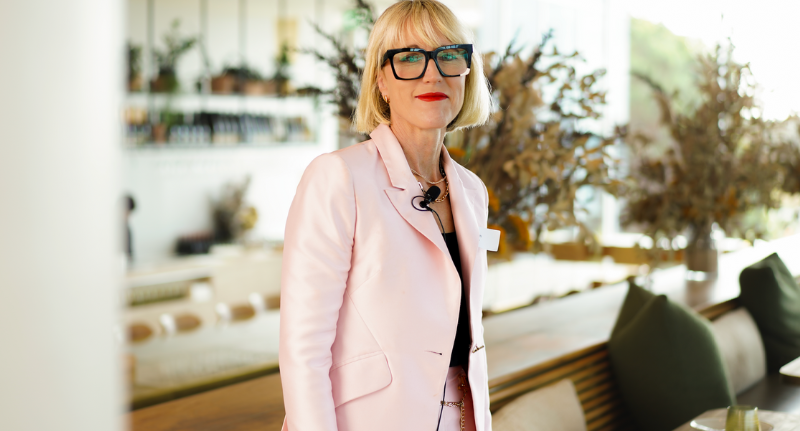
Sharyn Smith, founder and CEO of Social Soup.
Engagement compounds when relationships come first
Smith said long-term partnerships allow creators and audiences to build familiarity with brands in a way that short campaigns rarely achieve.
“When there’s an authentic alignment between a creator and a brand, audiences respond more over time,” she said.
“The relationship comes first, and the content follows. Audiences come to expect that content because they know the creator genuinely likes the brand and is creating something useful, which naturally drives stronger engagement.”
One of the clearest examples of this compounding effect is in long-running creator programs.
“One of our longest-running programs is with Aldi, which is entering its eighth year,” Smith said.
“Some creators have worked with Aldi for that entire period. Across the program, engagement has grown from around 3% to close to 10%, meaning one in ten people are engaging with the content. Those engagement rates are well above industry benchmarks,” Smith added
Brands are still missing a joined-up approach
Despite growing investment, Smith believes many marketers still fail to integrate creator marketing into their wider ecosystems.
“There’s often a lack of joined-up thinking,” she said.
“Influencer marketing is still siloed from social, e-commerce, reviews and conversion strategies. Brands need to think holistically about the whole ecosystem and the different roles creators can play across awareness, consideration and conversion.”
She also pointed to the performance of micro and mid-tier creators as an area where assumptions continue to lag reality.
“That bigger creators are always better is one of the biggest assumptions marketers need to rethink,” Smith said.
“Time and again, we see stronger ROI from working with a large group of micro or mid-tier creators rather than a single macro creator. Creators in the 10,000 to 50,000 follower range consistently perform extremely well.”
Measurement needs to go deeper than likes
As budgets increase, Smith said scrutiny around measurement has intensified, forcing brands to move beyond surface-level metrics.
“Many brands are still focused on basic metrics that don’t reflect real impact,” she said.
“We need proper pre- and post-campaign research around brand awareness, consideration and brand equity. Engagement alone doesn’t tell you whether perceptions are actually shifting.”
She added that engagement behaviour itself has changed, particularly among younger audiences.
“People may watch content without liking or commenting,” Smith said. “That doesn’t mean the content isn’t working. Metrics like saves, sentiment and utility are often more meaningful indicators.”
Media
Publishing
Rebel festival pulls big names back into the Writers’ Week saga
As The Sydney Morning Herald’s Kerrie O’Brien reports, Randa Abdel-Fattah and former director Louise Adler will be at the centre of the event.
AI
Companies
Why Spotify is teaming up with Netflix
As The Hollywood Reporter’s Caitlin Huston details, that logic is behind The Ringer sending select shows to Netflix from January, using the streamer as a giant shop window for podcast content.