
Wednesday February 4, 2026
Australian-born NBC Today host's mother feared abducted
As the search for the missing mother of NBC Today host Savannah Guthrie enters its third day, police have announced they have found signs of forced entry at the Arizona home of 84-year-old Nancy Guthrie.
It is believed she was taken against her will.
Nancy Guthrie must be found soon because she could die without her medication, Pima County Sheriff Chris Nanos said in a press conference on the second day.
“If she’s alive right now, her meds are vital. I can’t stress that enough. It’s been better than 24 hours, and the family tells us if she doesn’t have those meds, it can become fatal.”
He added that Nancy is also vulnerable due to her “limited mobility.”

The missing persons alert issued by police for Nancy Guthrie. Image: Pima County Sheriff’s Department
Savannah Guthrie’s mother missing
Nancy was last seen on Saturday night at her home in the Tucson area, where she lived alone. She was reported missing on Sunday, when her absence at church motivated an attendee to call the family, who then searched her home and called 911, Sheriff Nanos said.
The Associated Press reports that at Nancy’s home, police found evidence of a nighttime kidnapping, and abandoned essential personal items, including her mobile phone, wallet and car.
There is no clear motive for the suspected abduction.
For a second day on Tuesday, Today opened with Nancy’s disappearance, but Savannah Guthrie was not present for her hosting duties; she remained in Arizona. She also will not be in attendance at the Winter Olympics as planned.
NBC said in a statement on Wednesday: “Savannah will not be joining us at the Olympics as she focuses on being with her family during this difficult time. Our hearts are with her and the entire Guthrie family as the search continues for their mother.”
Who is Australian-born Savannah Guthrie?
Savannah was born in Melbourne when her family moved to Australia for her father’s work. They subsequently returned to the US.
The host grew up in Tucson, Arizona, and graduated from the University of Arizona. When she visited Australia for the first time in 2015, she described it as “a lifelong dream.”
In a heart-wrenching social media post on Monday, Savannah described Nancy as “a woman of deep conviction, a good and faithful servant”.
She asked supporters to “raise your prayers with us and believe with us that she will be lifted by them in this very moment”.
“Bring her home,” she added.
The ABC reports that Savannah has two siblings and was 16 when their father died. Nancy raised them alone. The host often brought her mother on Today.
“She has met unthinkable challenges in her life with grit, without self-pity, with determination and always, always with unshakable faith,” the host said on the show in 2022 on Nancy Guthrie’s 80th birthday, according to the ABC.
“She loves us, her family, fiercely, and her selflessness and sacrifice for us, her steadfastness and her unmovable confidence are the reasons any of us grew up to do anything.”
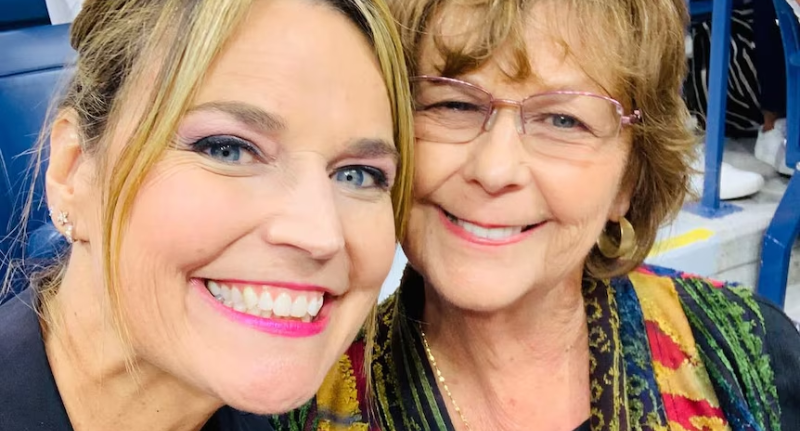
Savannah Guthrie and her mother, Nancy. Image: Instagram
TMZ claims ransom note for Nancy Guthrie
American news station TMZ now claims it’s received an email “written like a ransom note for Savannah Guthrie’s mother… There are certain things they’re saying about what she was wearing, and damage to the house… to verify ‘it’s us’.”
TMZ says it’s “contacted the sheriff’s department”, but admits, “we don’t know if it’s authentic or not.”
EXCLUSIVE: Why The Growth Distillery’s Leigh Lavery is betting on humans in 2026
When Leigh Lavery started at The Growth Distillery five years ago, he never imagined he’d one day be running it.
He was the first hire under founding boss Dan Krigstein, brought in to help build a small, curious unit inside News Corp Australia that could read the room when everything else was moving too fast.
Now, Lavery is at the helm, and he’s throwing a very public gauntlet at the algorithms.
The Growth Distillery has unveiled its 2026 research program, a playbook designed to surface the human motivations that AI models keep smoothing out – and, for the first time, wire those insights straight into Intent Connect, News Corp’s audience-targeting engine.
It’s a move that turns the unit from a think tank into something much more commercially sharp: an activation layer inside the News Australia sales stack.
“I’m energised,” Lavery told Mediaweek. “In this industry, everyone is wondering what’s around the corner, and when you’re working in behavioural science and audience intelligence, there’s a truckload that we can draw on to try to provide some of the clues to that answer.”
For Lavery, the promotion is both personal and strategic.
“I think I was Dan’s [Krigstein] first hire, and we’ve worked together shaping the team to where it is today. So for me it’s a really exciting next chapter.”

The Growth Distillery’s former Director, Dan Krigstein
A foresight engine inside News Corp’s data machine
Internally at News Corp, The Growth Distillery is known as the Growth Intelligence Centre – a unit that sits at the intersection of audience behaviour, content consumption and commercial strategy.
Externally, Lavery wants it known for something simpler and sharper: foresight.
“This year, we really want to be known for looking at the signals for what’s happening in the market.”
The power of the team comes from how two worlds collide: human research and audience data at a national scale.
“There’s a real interdependence, because part of the power of the Growth Distillery is that within our team, we have both a bunch of very smart researchers, and a bunch of audience intelligence experts who are able to look at how 18 million Australians engage with content,” he said.
That dual lens – what people read, watch and click, plus what they say they’re feeling – creates what Lavery calls “lead indicators” of what consumers are about to do next.
“It puts us in a really powerful position to look at the lead indicators of consumer behaviour, because often we’re engaging with content before we make a purchase decision.”
Born in a polycrisis, built for what comes next
The team itself was born in chaos – formed in 2020 as COVID detonated everything marketers thought they knew.
“Our team was formed in 2020, right in the midst of COVID,” Lavery said.
Five years on, the volatility hasn’t eased – it’s just mutated.
For Lavery, the urgency behind the 2026 program is shaped by the moment the industry finds itself in. What began as a pandemic shock has evolved into something messier and harder to read – a stack of economic, cultural and technological pressures all colliding at once.
“We’ve hit a whole range of different sorts of crises falling at once, which we sort of refer to as a polycrisis. And it’s made what’s going to happen next even harder to predict.”
In that environment, traditional forecasting starts to wobble. Models can tell you what usually happens – but not necessarily what people are about to do when the ground keeps shifting underneath them.
“One thing that we have learned throughout this whole process is that some of the best signals are looking at what people are engaging with and also asking them directly.”
What people read, watch and search for, Lavery argues, often gives away what’s coming next – well before it shows up in sales data or economic reports.
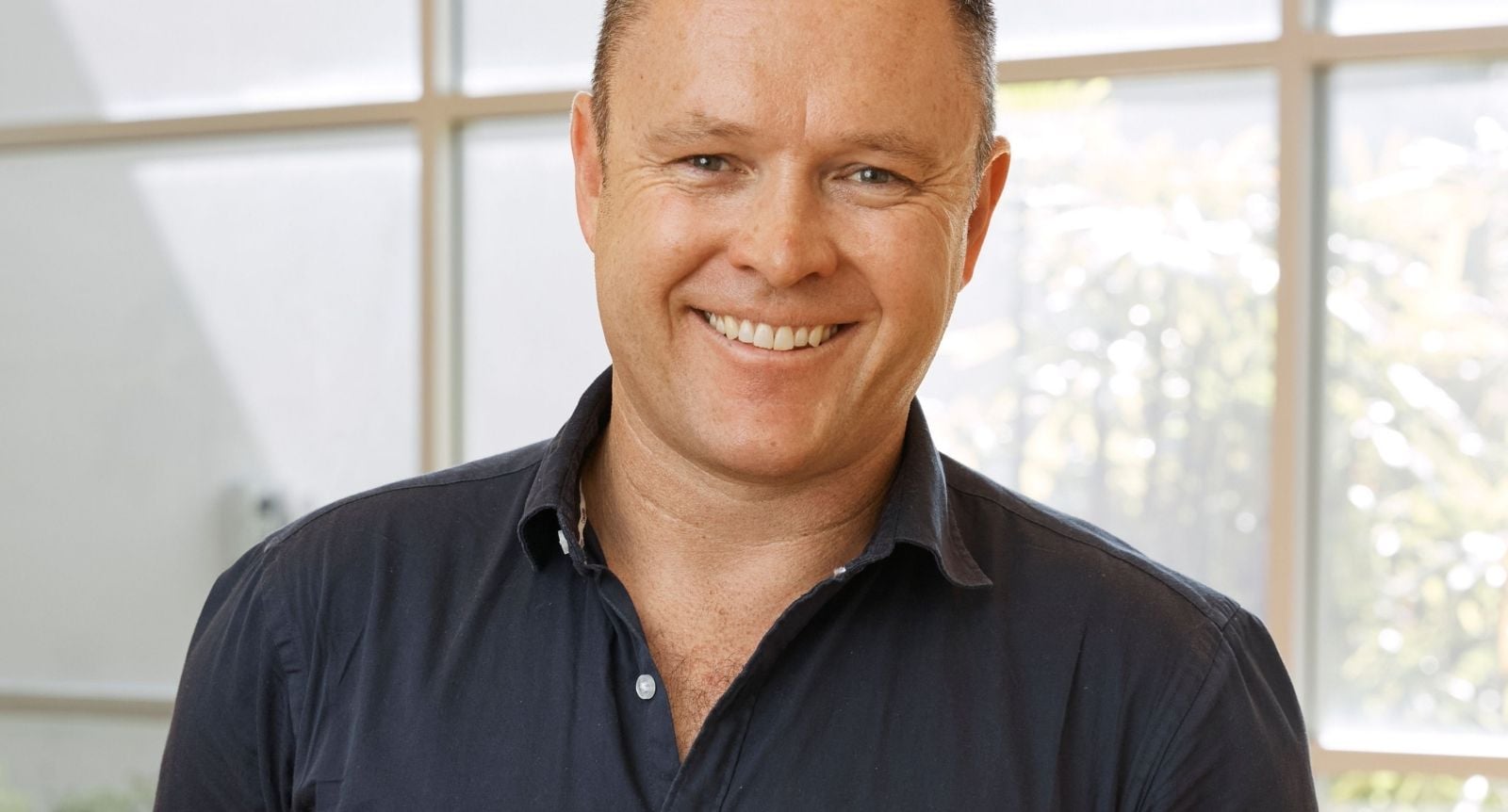
Leigh Lavery
Fighting back against the averages
At the centre of the 2026 agenda is The Unconventional Truth – a new research stream explicitly designed to push back against algorithmic sameness.
“It’s an idea that’s born out of trying to fight back against LLMs and algorithms using the averages to give you the median of what the most likely story is going to be.”
In other words, the middle of the bell curve is killing growth.
“We don’t want to contribute further to the clutter; we want to cut through,” Lavery said. “Our aim is to come up with what the Unconventional Truth is that people are missing or they’re not tackling, or it’s not obvious because of regression analysis.”
This is where The Growth Distillery is doubling down on human intelligence.
“Obviously, AI is increasing a hell of a lot of productivity and efficiency, but we think at the centre of it, really understanding humans and understanding human intelligence and using human intelligence, is still going to be incredibly powerful moving forward.”
Because, as Lavery puts it, people don’t behave the way the models say they should.
“Humans aren’t as predictable as the model suggests. And so we want to understand what the human element is and what the human factors are.”
From reach to fandom, from noise to tribe
Another major 2026 pillar is Fuel for Fandom, which examines how passions – sports, travel, food, wellness- are becoming anchors in a noisy, anxious world.
“In this chaotic world, where everybody can be on all the time, people are now starting to want to control that,” Lavery said. “We’re seeing that people are becoming much more selective of what they opt into versus what they opt out of.”
That selectiveness is reshaping how audiences behave, and where brands can show up.
“Across sport, travel, health – almost every vertical we touch – we can see that there’s almost a little bit of a reinvention in most cases with how people are engaging with these pursuits.”
It also taps into something deeper: belonging.
“I think there’s no doubt we’re seeing a shift towards that sense of hyperlocal and wanting to be a part of something and a part of your community,” Lavery said. “When the world’s looking chaotic and a bit crazy, you tend to want to flock to people that you can have an affinity with.”
When insight becomes inventory
The biggest commercial shift, though, is how all this research now plugs straight into Intent Connect.
“When we come up with great big stories, we want to show how it directly adds value to our partners’ businesses,” Lavery said. “And with that, what we want to do is we want to actually let them be able to activate on that as well.”
In 2026, most Growth Distillery projects will produce live, targetable audiences inside News Corp’s buying platform.
“We’re actually building research that sits within the Intent Connect system, so as you learn a new audience or a new audience segment, brands will have the ability to turn those insights into action.”
That means if the Distillery identifies a segment – like sporting heavyweights – brands can immediately buy and target them, both on and off the News network.
“A lot of our insights in the past have lived and died in PDFs,” Lavery said. “And so what we want to do is make them much more accessible and actionable than ever before.”
It also creates a feedback loop – real-time data on what those audiences actually do.
“By doing that, then you actually have a real-time perspective on what these audiences are actually doing as well.”
Taken together, the 2026 program marks a clean break from the old model of research as a slide deck.
For Lavery, who walked in as the first hire and now sits in the big chair, it’s the logical next step.
Human intelligence. Audience data. Media activation. Finally, in one loop.
‘Who survives, who disappears?’: TrinityP3’s Darren Woolley on Australia’s agency barbell
Fresh numbers from TrinityP3 show Australia’s new-business market has tipped into a full-blown barbell economy, where global holding companies and sharp-edged independents are hoovering up the work, while mid-sized generalists are quietly being squeezed out.
The 2025 TrinityP3 New Business Report finds agencies are no longer fighting over the same patch of ground.
Instead, they’re clustering at the extremes: scale at one end, specialisation at the other – with not much oxygen left in the middle.
And that’s not accidental.
“We’ve been doing this for years, but we’ve got another one coming out closer to Easter,” TrinityP3 CEO Darren Woolley told Mediaweek. “We felt there was significant activity, and we’ve been working primarily with independent agencies.”
But what finally pushed Woolley to formalise the reporting was the sheer volume of untracked movement across the market.
“There was a lot of pitching going on, and it just never gets reported. And that’s what I wanted to do,” he said.
“I wanted to start working towards the most comprehensive report on the pitch market. And not just pitching, new business generally, because the other thing that’s happening is there are also agencies winning business without actually having to go through a competitive pitch. I want to understand that as well and start recording it and analysing it. And it’s been really interesting.”
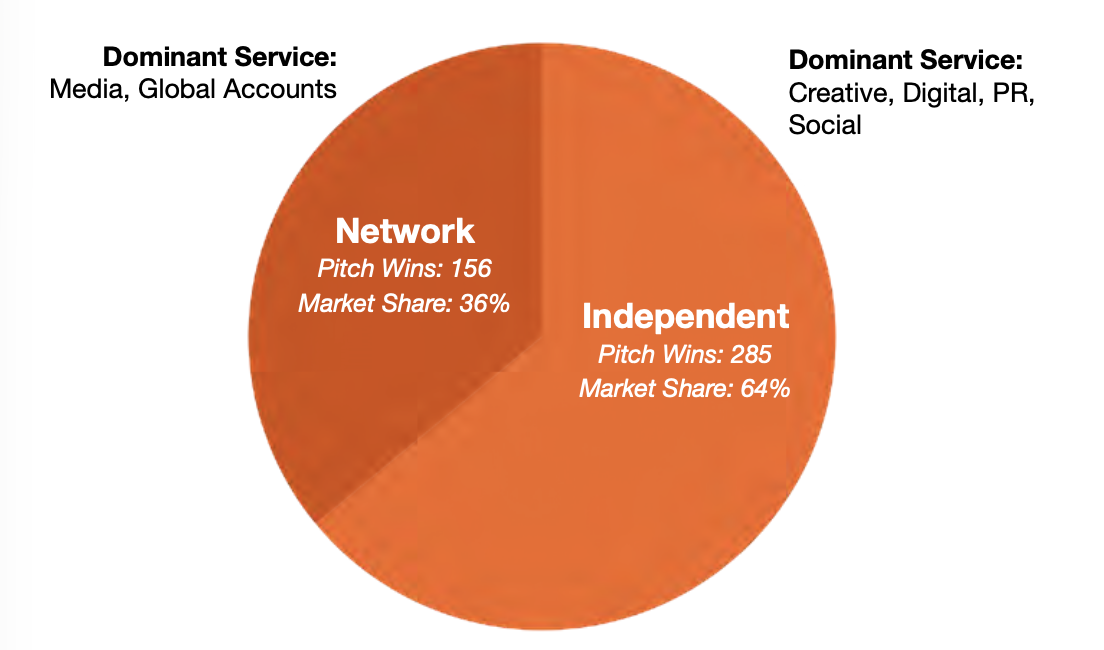
Big networks and independents are winning
The numbers paint a stark picture.
Large holding companies have doubled down on scale – with some now winning more than 20% of all media tenders – while independent agencies captured 64% of all pitch wins by volume, compared with 36% for networks.
That creates a classic barbell: big agencies at one end, small specialists at the other, and a thinning centre where mid-tier, do-it-all agencies once thrived.
Woolley sees that structural tension hardening.
“I don’t think anyone can say that the advertising market is stagnant,” he said.
What’s quietly reshaping the market isn’t just who’s pitching, but what they’re being asked to pitch for.
Woolley says one of the strongest signals inside the 2025 data is how far the industry has drifted from traditional, all-in media briefs toward a much more fragmented, platform-led economy.
“The other big insight for me was that people talk about paid media more than media, but there is a big shift this year with lots of social media specialty pitches, activations, and PR – it’s showing up in the pitch reports for advertising and marketing,” he said.
In practice, that means marketers are no longer just shopping for reach – they’re shopping for capability. TikTok, creators, and experiential and cultural moments are increasingly carving out their own competitive tenders, pulling spend and strategic weight away from the old, monolithic agency model.
That’s where the barbell really tightens.
“We’re seeing the marketplace shift toward either large agencies offering marketers a data platform or plug-and-play solutions,” Woolley said. “Publicis has been talking about it. Omnicom talked about it. WPP are talking about it. Who survives, who disappears, right?”
At one end sit the global holding companies, selling scale, technology and integration. At the other end are specialist independents, winning on speed, creativity, and fluency within specific platforms and disciplines.
The middle, meanwhile, is being quietly eroded.
“So they’ll be the big players in the industry,” Woolley said – a line that now reads less like a prediction and more like a verdict.
But that’s only half the story.
Layered on top of the barbell effect is another structural shift that’s quietly changing how agencies compete: more marketers are bringing capability back in-house.
That’s removing entire layers of work from the open market – and raising the bar for whatever remains.
“Additionally, many marketers are bringing agency services in-house,” Woolley said. At the same time, the agency landscape is expanding rapidly, with hundreds of new independent shops entering the market.
The risk, he argues, is that too many of those independents get flattened into a single, unhelpful category.
“The market risk is that it treats them as all just creative agencies, which they’re not,” Woolley said.
In reality, many of these businesses are built around very specific commercial problems – not broad creative briefs.
“They’re specialists. There are small agencies out there that are experiential,” he said. “They are, let’s say, smaller, because some of them are 50, 60, 80 people.”
In a world where marketers are slicing work ever more finely – pulling some in-house and sending the rest to best-in-class partners – that kind of focused scale is no longer a disadvantage. It’s the point.
Who’s actually winning the work
• Atomic212 emerged as the most successful agency overall and topped the media category.
• Hero led the creative agencies.
• Apparent was the strongest non-media performer.
Across the Top 10 lists, the pattern repeats: either scaled networks with platform muscle, or focused independents with a clearly defined niche.
Trying to straddle both is where agencies run into trouble.
“Now we’re talking; we’re forcing ourselves to discuss media and non-media,” Woolley said.
“It is that niche, very, very, very specific offering. What is the thing we’re really, really good at? What are we better at than most other people? Because that’s where they’re going to thrive.
“Trying to be a small general agency against these big platforms is only going to work with very small clients. So what you need to do is develop a speciality. What is your speciality? What’s the thing you’ll be known for that clients are going to want you to come and fill the gaps that they identify in their marketing?”
Social-only pitches are rewriting the rules
One of the most disruptive shifts in the dataset is the explosion of social-only tenders – with more than a dozen run by major brands over the past year.
These aren’t add-ons. Their entire mandates are built around TikTok, Instagram, Snap and creators, demanding speed, cultural fluency and platform-native thinking.
And they sit squarely inside the barbell logic.
“It’s becoming a very complex market,” Woolley said.
“And that’s another reason for doing this: to really start to understand how the market’s moving and the shape it’s taking year on year.”
Where the money is moving
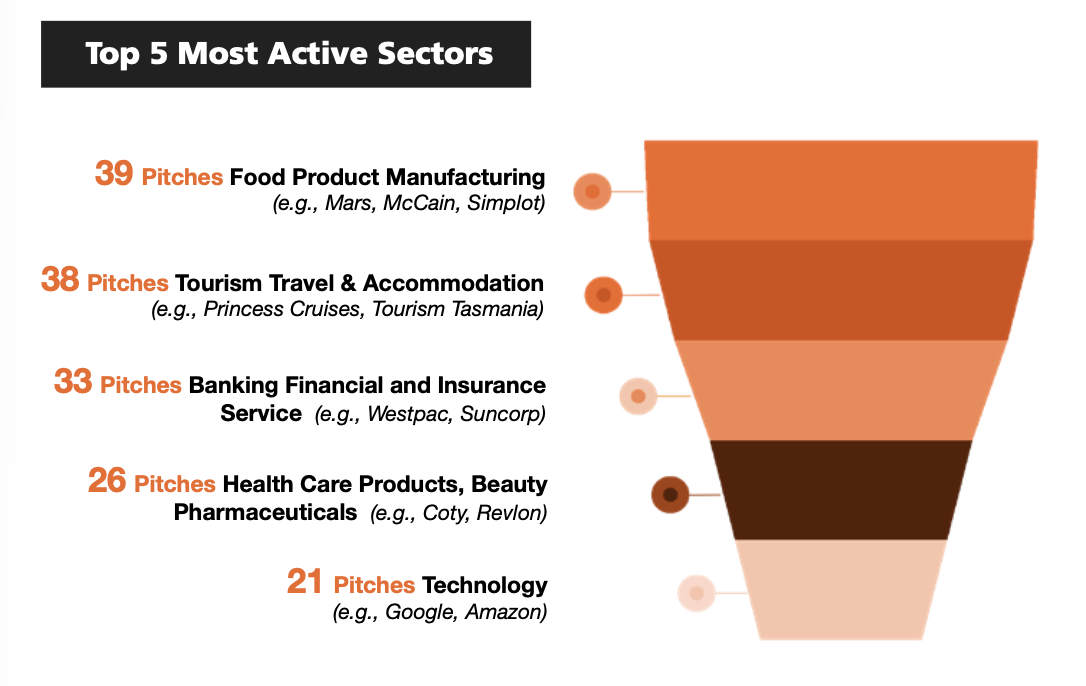
The most contested categories in 2025 were:
• Food and product manufacturing
• Tourism and travel
• Banking and financial services
• Healthcare and beauty
Each saw between 30 and 40 pitches during the year – a level of churn that reflects how aggressively marketers are reassessing agency rosters.
“For marketers and procurement, they’ll be able to track which agencies are highly successful and in which categories they’re becoming known for,” Woolley said.
“If you’re appointed for a particular skill set, then you become known for that. And so from that perspective, for the market, there’s also quite a bit around which are the categories that are more involved in pitching this year, because that’s interesting as well.”
What’s already catching Woolley’s eye is how quickly the mix is shifting again.
“That changed significantly between 2024 and 2025, and already at 2026, just the beginning of it, it feels to me like that’s completely changed or at least has changed remarkably.”
Why TrinityP3 built this and why it matters
The 2025 dataset is the first Woolley believes truly reflects what’s happening under the hood.
“The data we collected in 2024, when we started this, wasn’t as comprehensive as I hoped,” he said.
“In 2025, we went into overdrive, engaging agencies to share with us the business that they’d won. We now have a dataset that we believe is sufficiently robust and insightful for our audience. So that’s why we released it this year rather than last year.”
The bottom line for 2026
The 2025 numbers don’t just show who won. They reveal how the industry is being structurally rewired.
• Big platforms are consolidating power.
• Specialists are carving out defensible niches.
• Generalists in the middle are losing relevance fast.
And the longer that barbell stretches, the harder it will be to pretend the old agency model still fits.

Ex-IPG CFO John Clements joins JOY
JOY has appointed John Clements as chief finance officer.
He joins after 14 years at IPG, most recently as group CFO across Australia.
Clements succeeds Robyn Hayward, who is leaving to expand her remit with Singapore based in-housing agency MASH Brands.
“John comes with a wealth of experience as a holdco CFO. He has also led the finance committee of the MFA for the last five years,” said JOY CEO and Mediaweek 100 2025 Icon Peter Horgan.
“John’s appointment signals our ambition to continue building blue-chip capability underpinned by strong governance principles.
“I’d personally also like to thank Robyn Hayward, who has been a great asset to the business and a friend to us all.”
Clements said he’s excited to be joining JOY at such a pivotal time.
“What drew me to the business is its clear sense of purpose, strong culture and ambition for sustainable growth,” he said.
“I’m looking forward to partnering with Horgs and the leadership team to help build on an already strong platform that supports long-term growth for its clients.”
Clements’ appointment is effective 1 March.
Main image: John Clements

Holly Valance slammed on air for using derogatory slur
Controversial singer and former Neighbours cast member, Holly Valance, has been called out during a live interview for using a derogatory slur and refusing to apologise for it.
The 42-year-old appeared on GBNews after Apple Music briefly banned her song Kiss Kiss (XX) My A**e, which is a soundtrack to Pauline Hanson‘s new film, A Super Progressive Movie.
Valance said: “During Covid, it was the big tester. It was the r****d metre. And Australia was quite high on that.”
The host quickly apologised to the audience for Valance’s slur and told her, “I think some people might be offended.”
The singer was unapologetic: “Hey, are we not Free Speech Nation over here?”
The host replied: “We are free speech, except for that word.”
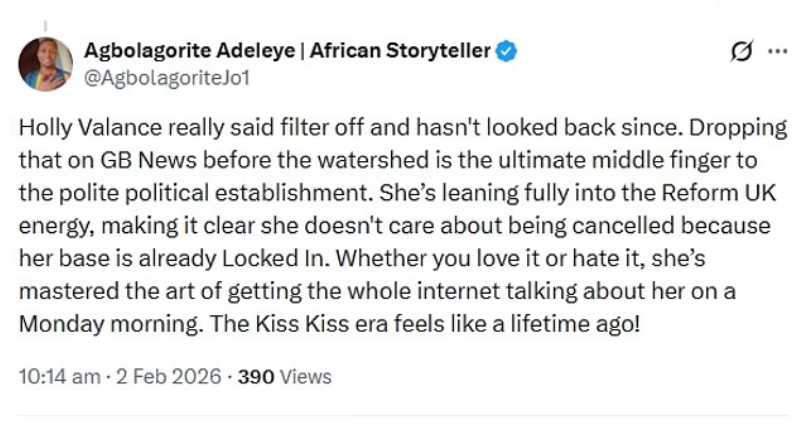
Just one reaction to Holly Valance’s use of a derogatory slur. Image: X
Holly Valance uses obsolete slur on air after song ban
During the interview, Valance, who now lives in the UK, spoke about her song being briefly banned from Apple Music.
It had been released on Australia Day and reached No.1 on the Apple Music iTunes best-selling songs chart, but was removed from the platform after it briefly overtook Olivia Dean‘s Triple J Hottest 100-winning song, Man I Need. It was then reinstated on Friday following backlash.
Valance said: “If it was like a Trump-bashing right left-wing, Farage-bashing, song that someone on the left side of politics made, then it would have been fine. It would have been no issues because the right don’t tend to have toddler tantrums.
“We never received any email officially from iTunes or Apple or anybody. So I was like, ‘what’s going on?’”
Holly Valance speaking on GB News. Image: GB News
Holly Valance’s soundtrack to Pauline Hanson’s movie
The song is a tweaked version of Valance’s 2002 tune “Kiss Kiss,” now with lyrics that take aim at progressive politics, including references to trans people, snowflakes, and cancel culture.
When the song was released, Hanson said, “Wouldn’t the ABC have a heart attack knowing they had to play this track?”
The song only reached around 50,000 streams on Spotify, did not chart on Australia’s major streaming services, and did not enter any official rankings.
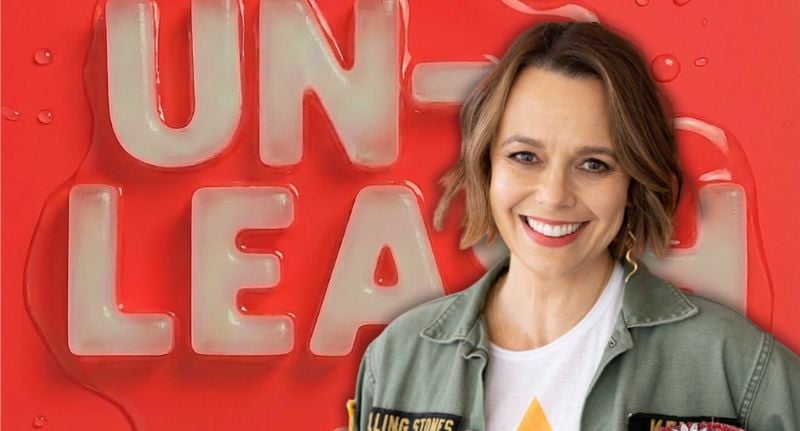
'I’m very basic. I’m not exceptional': How Mamamia is betting on Gen X women with Unleashed
For more than a decade, Mia Freedman has been one of the defining forces in Australian media, shaping how millions of women consume news, culture and commerce.
When she talks about how she builds hits, she does not describe herself as a trend forecaster, but as a proxy for the audience, someone who senses what women want just before they know how to ask for it.
That instinct is now being turned into a business strategy with the launch of Unleashed, Mamamia’s new Gen X-focused content brand and podcast.
“Look, you’ve got to always, you know, identify a gap in the market and then establish that there is a market in that gap, right?” Freedman told Mediaweek.
“Because it’s not just about me – you always walk in your audience’s shoes. So instead of thinking about what you want to put out there, you think about what they’re looking for.”
In this case, she saw a cohort slipping quietly out of the media conversation.
“We’re always audience-led, and it became really clear that the content marketed to Gen X women and the way Gen X women were sort of spoken to was either very midlife heavy,” she said. “And overlaid onto that, Gen X women are moving away from the news. They also have a lot going on in their lives.”

Left to right. Mia Freedman Co-Founder Mamamia, Producer UNLEASHED,
Mary Coustas, Sally Hepworth, Dr Ginni Mansberg, Cath Mahoney, Bruna Papandrea and Grace Lam
The CFO of the household
That audience is now at the centre of the largest wealth transfer Australia has ever seen, with trillions set to move into the hands of women who are simultaneously funding children, caring for ageing parents and managing their own peak earning years.
It is a commercial force that Mamamia believes has been hiding in plain sight.
“Well, it’s a woman, no matter what household it is,” Freedman said.
“What’s interesting about our business is that we’re moving to a House of Brands, reaching almost eight million Australian women every month. That covers three generations, sometimes four. So that’s why theHouse of Brands strategy has been so successful for us, because it means we can target and help marketers target specific demographics and generations of women.”
For Chief Content Officer Zara Curtis, that demographic has a name.
“The woman we’re talking about is someone we call the CFO of the household,” Curtis told Mediaweek.
“She’s not only about to inherit the money, but she’s looking at the three generational spendings, usually with teenage children, usually with her and a partner, and sometimes with parenting as well. So the money is there.”
Curtis said the commercial case was impossible to ignore, adding a reason for pursuing a story or a creative endeavour that every writer can relate to.
“There was the research, but originally, Mia just had the feels for it. She knew that this was what women wanted. Then, looking at the statistics and where brands are playing, we had to make a business case. And the business case stacks up.”
The feels. The vibe. Sure, it sounds ephemeral, maybe even a little bit woo-woo, but that sense of just knowing what works is a talent you simply can’t teach.
Turning instinct into a commercial engine
Unleashed sits squarely inside Mamamia’s house-of-brands strategy, giving advertisers a way to speak directly to Gen X women without diluting into a broad female demo.
It is designed to be funny, cultural and community-driven rather than anxious or purely informational.
“There’s no show for Gen X women that’s funny, positive, not angsty, not about just about menopause,” Freedman said.
“And where women can sort of be with other women their age, along with all the cultural references and lifestyle references that go on.”
The project was not effortless.
“God knows I didn’t get it right first attempt,” she said.
“I worked with [Mamamia’s former Director of Podcasts] Monique Bowley, and she really pushed me. Then we listened, and it didn’t work. And then we had to cast it. It’s very different to Out Loud, but we think there’s nothing like it in the market at the moment.”
For Curtis, the payoff is already showing up in the sales conversations.
“We’re taking that to market, and it’s really resonating because our brands are built around bullseye audience segments,” she said.
“For us, the House of Brands strategy is a deliberate approach to build relevance for that audience, and my job really is to get them top-of-funnel into the brand, and then right through that ecosystem to as deep as we can take it.”
That includes giving marketers more precision in how they spend.
“We’re able to unpack brand briefs a lot better and customise those to the needs of the brand and the needs of the CMO,” Curtis said.
“So it allows us to triage through that space, and often we’ll stitch them together, because we can see crossover audiences and crossover intersections.”
Why Mamamia is confident
Freedman believes Unleashed works for the same reason many of Mamamia’s biggest successes have.
“I’m very basic and very, very ordinary,” she laughed. “I’m not a futurist. I’m not exceptional. But I’m sort of like at the front of the sheep. Like, I’ll just get there a little bit earlier.”
The idea came together as she stepped back from the relentless news cycle and undertook a creative reset.
“The more I looked into it and talked to other women, we landed on that timeline for Gen X women who need a laugh right now,” she said.
And, unusually in podcasting, the market bought it immediately.
“We pretty much sold it in the room. Doesn’t happen often in the world of podcasting,” Freedman said.
For Mamamia, Unleashed is not just a show. It is a signal that Australia’s most powerful spending cohort is finally being given a media product and an advertising platform built just for them.
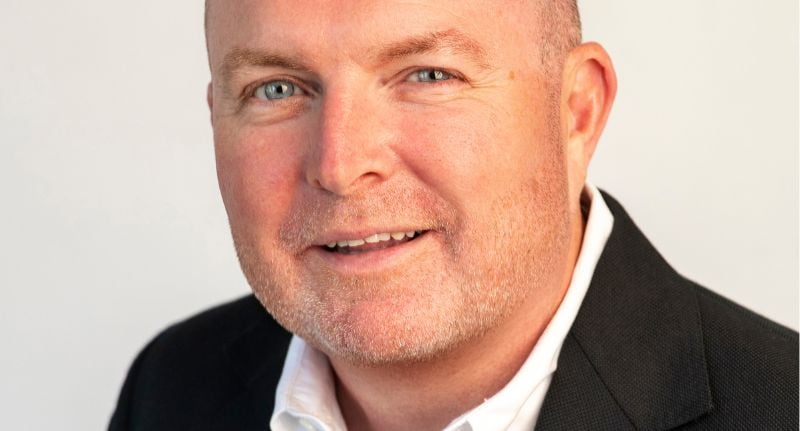
JCDecaux installs Angus Leech as national revenue chief
JCDecaux Australia has created a new national revenue role and appointed long-time media sales executive Angus Leech to fill it, a move designed to bring tighter coordination to how the Out-of-Home giant monetises a market that’s becoming more competitive, more data-driven and more central to advertiser strategy.
The company confirmed today that Leech has joined the business as National Director – Revenue, a newly created role that centralises revenue leadership across the group as it continues to scale its Australian footprint.
The appointment arrives at a time when OOH is no longer a nice-to-have layer in a media plan.
It’s now where reach, cultural relevance and physical-world attention collide – and JCDecaux wants a single national brain sitting over how that commercial machine runs.
John Harris, Chief Sales Officer at JCDecaux Australia, said the role was designed to bring greater structure and consistency to revenue leadership as the business grows.
“As our business continues to grow and evolve, this role adds greater coordination to how we manage revenue leadership nationally. Angus brings deep media experience and a strong track record in sales leadership, strengthening our ability to respond to market conditions and support our clients effectively. I am looking forward to working with him as we embrace the many opportunities that 2026 presents.”
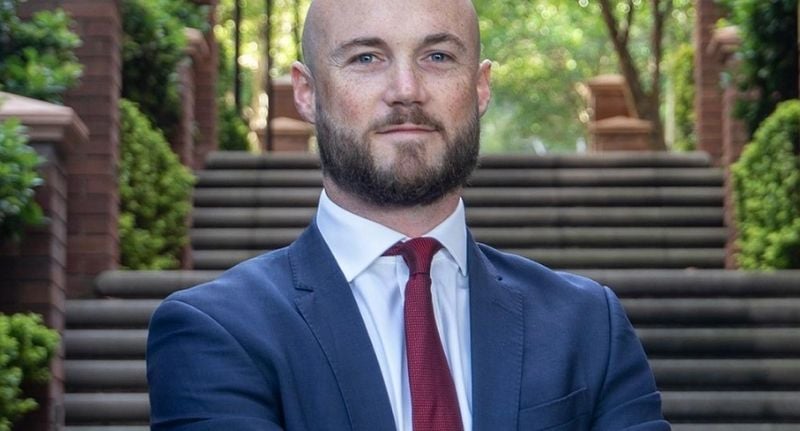
John Harris, Chief Sales Officer at JCDecaux Australia
A decade at ARN, and a career built on selling attention
Leech joins from the Australian Radio Network (ARN), where he served as National Sales Director and held senior sales leadership roles for more than a decade.
Before ARN, he held senior commercial positions at LivingSocial and News Corp Australia – a career path that maps neatly onto the way advertising has shifted from blunt-force reach to performance, partnerships and platform thinking.
During that time, he has worked across media sales, commercial operations, and strategic partnerships, spanning both traditional and digital channels. He’s also led large national teams – the kind that sit at the fault line between agencies, advertisers and publishers when budgets tighten, and expectations climb.
That background matters in OOH right now.
The channel is in the middle of a quiet but consequential reinvention: smarter screens, more programmatic trading, deeper integration into agency planning systems. It’s no longer just about owning a corner – it’s about proving effectiveness in a world where CFOs are asking harder questions about every dollar.
Leech’s brief, then, isn’t just to sell more posters. It’s to bring coherence to how JCDecaux packages, prices and positions its inventory across a fragmented national market.
Why OOH – and why now
In announcing the move, Leech pointed directly to the strategic weight OOH now carries inside media plans.
“JCDecaux has a long-standing reputation for quality, scale and leadership in Out-of-Home. As the channel continues to play an increasingly central role in media strategies, the opportunity to join a business with this depth of capability and focus on effectiveness was a clear decision for me.”
That line about effectiveness is doing a lot of work.
As television fragments and digital inventory floods the market, OOH has quietly become one of the few channels that still deliver physical, unavoidable reach – with increasingly sophisticated measurement layered on top. For agencies, it’s now part of the performance conversation. For brands, it’s where fame and frequency still live in the real world.
JCDecaux’s decision to create a national revenue role signals that it sees scale, not just sites, as the next competitive edge. Having a single commercial leader overseeing how the business engages with agencies and advertisers gives it greater leverage and greater clarity as 2026 approaches.
Leech has commenced with JCDecaux immediately.
Main image: Angus Leech
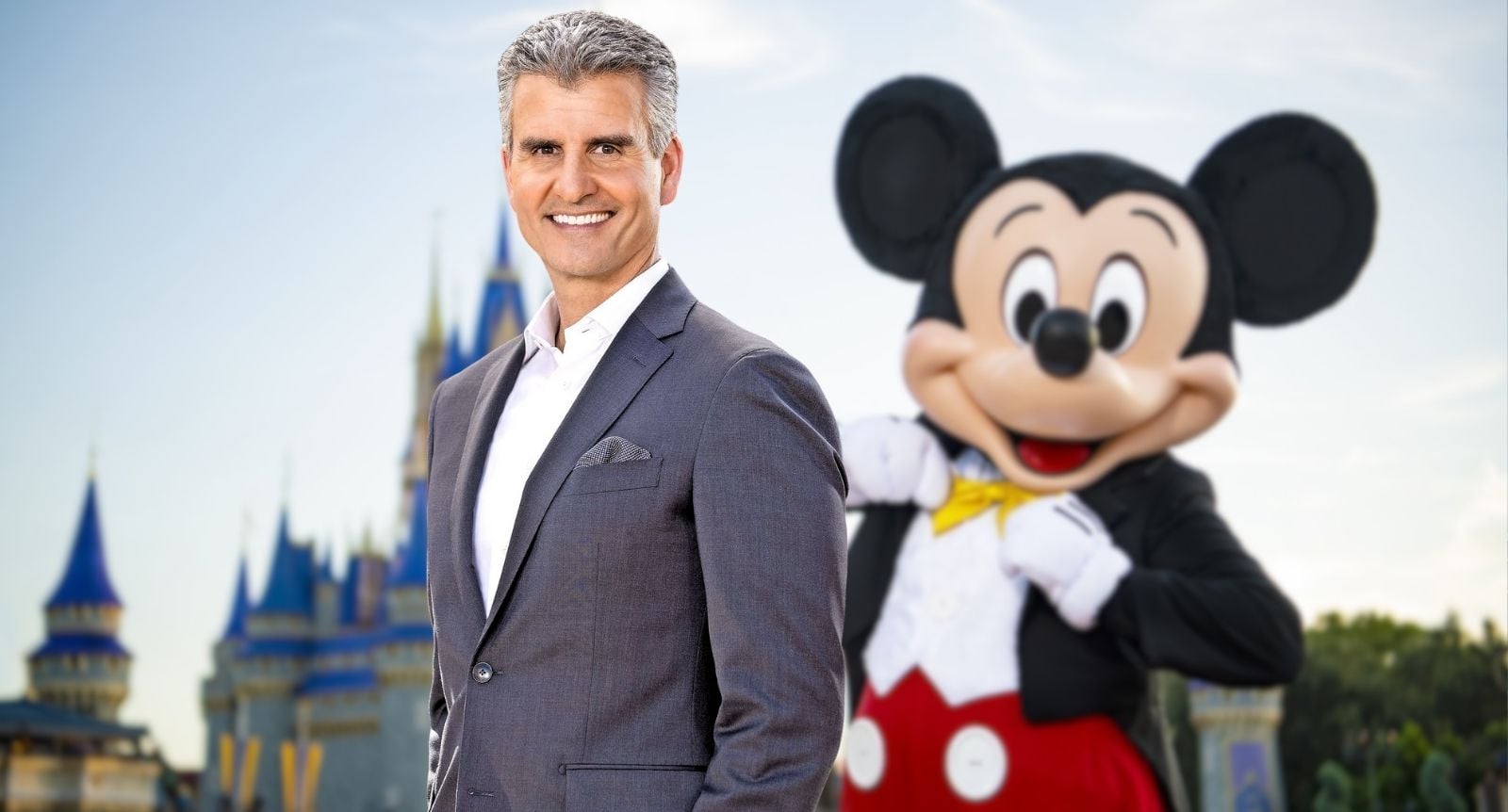
Bob Iger finally lets it go: Josh D’Amaro named Disney CEO
After years of speculation, boardroom maneuvering, and one ill-fated ‘Bob vs. Bob’ chapter, The Walt Disney Company has confirmed that Josh D’Amaro will succeed Bob Iger as Chief Executive Officer.
The Disney Board of Directors voted unanimously on Monday to appoint D’Amaro, currently the Chairman of Disney Experiences. He officially takes the reins on 18 March 2026.
But D’Amaro will not rule alone. In a move that signals a careful balancing of operational might and creative soul, Dana Walden has been promoted to President and Chief Creative Officer.
The end of the Iger era (for real this time)
Bob Iger, the executive who defined modern Disney, has accelerated his departure.
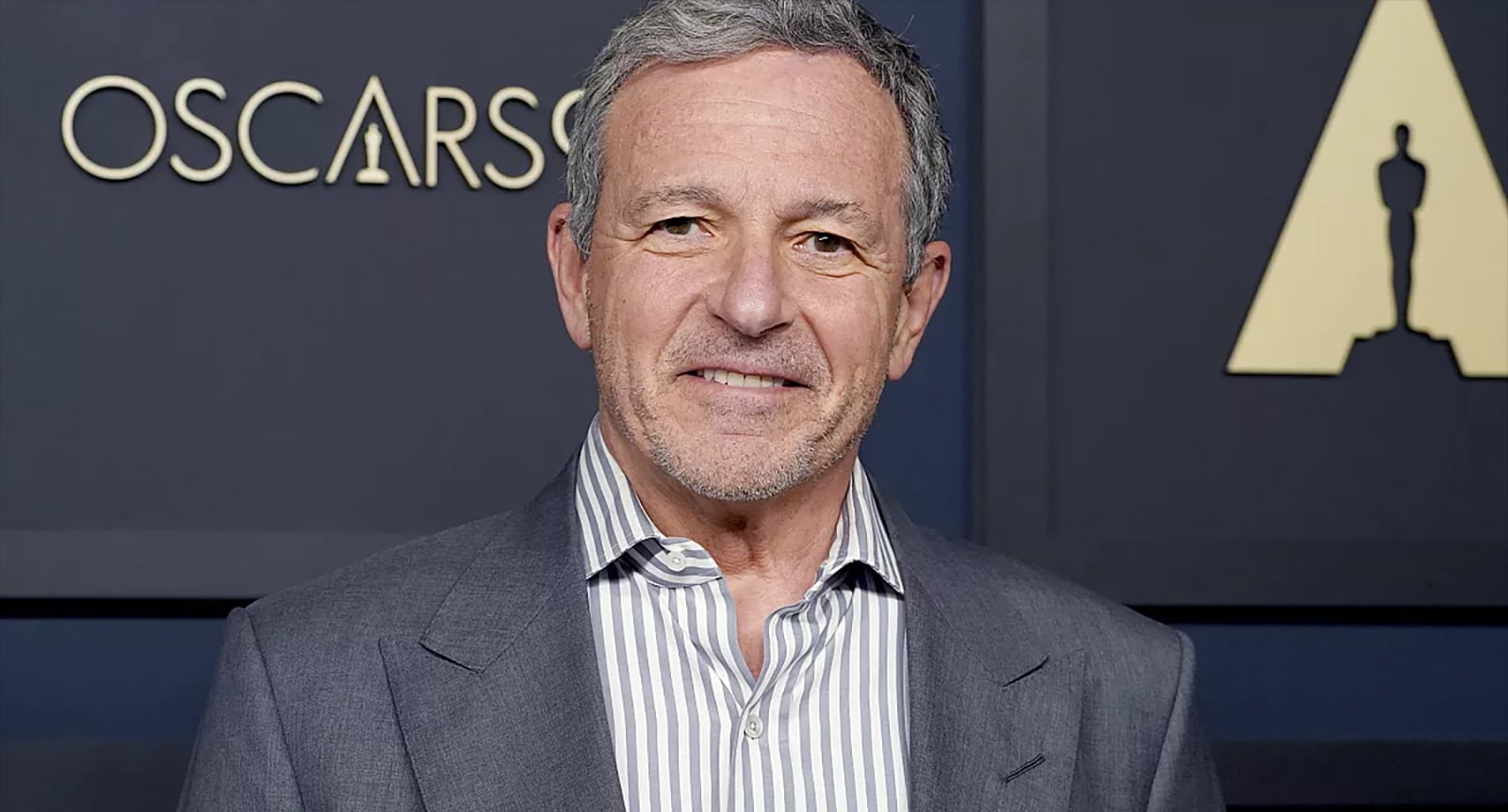
Two-time Disney CEO, Bob Iger will depart in March
Originally set to stay until the end of 2026, Iger will now step down from the CEO role in March. However, he isn’t leaving the lot entirely. Iger will transition to a ‘Senior Advisor’ role through 31 December 2026 to ensure a seamless handover.
Iger praised the choice in a statement that seemed designed to quell any lingering investor anxiety about another leadership fumble.
“Josh D’Amaro is an exceptional leader and the right person to become our next CEO,” Iger said. “He has an instinctive appreciation of the Disney brand and a deep understanding of what resonates with our audiences.”
Why Josh D’Amaro?
For industry watchers, the elevation of D’Amaro reads as a victory for the ‘boots on the ground’ strategy.
As head of Disney Experiences, D’Amaro oversaw the company’s massive theme park, cruise, and consumer products division – a segment that generated $36 billion USD ($55 billion AUD) in revenue in 2025. He navigated the division through the post-pandemic recovery and has been the face of the company to its 185,000 cast members (Disney staff).
Crucially, D’Amaro possesses the operational discipline that the board, led by Australian-born Chair James Gorman clearly prioritized.
Gorman, formerly CEO of Morgan Stanley and a University of Melbourne alumnus, joined the board with a reputation for ruthless efficiency in succession planning. He stated that D’Amaro demonstrated “a keen eye for strategic growth opportunities.”
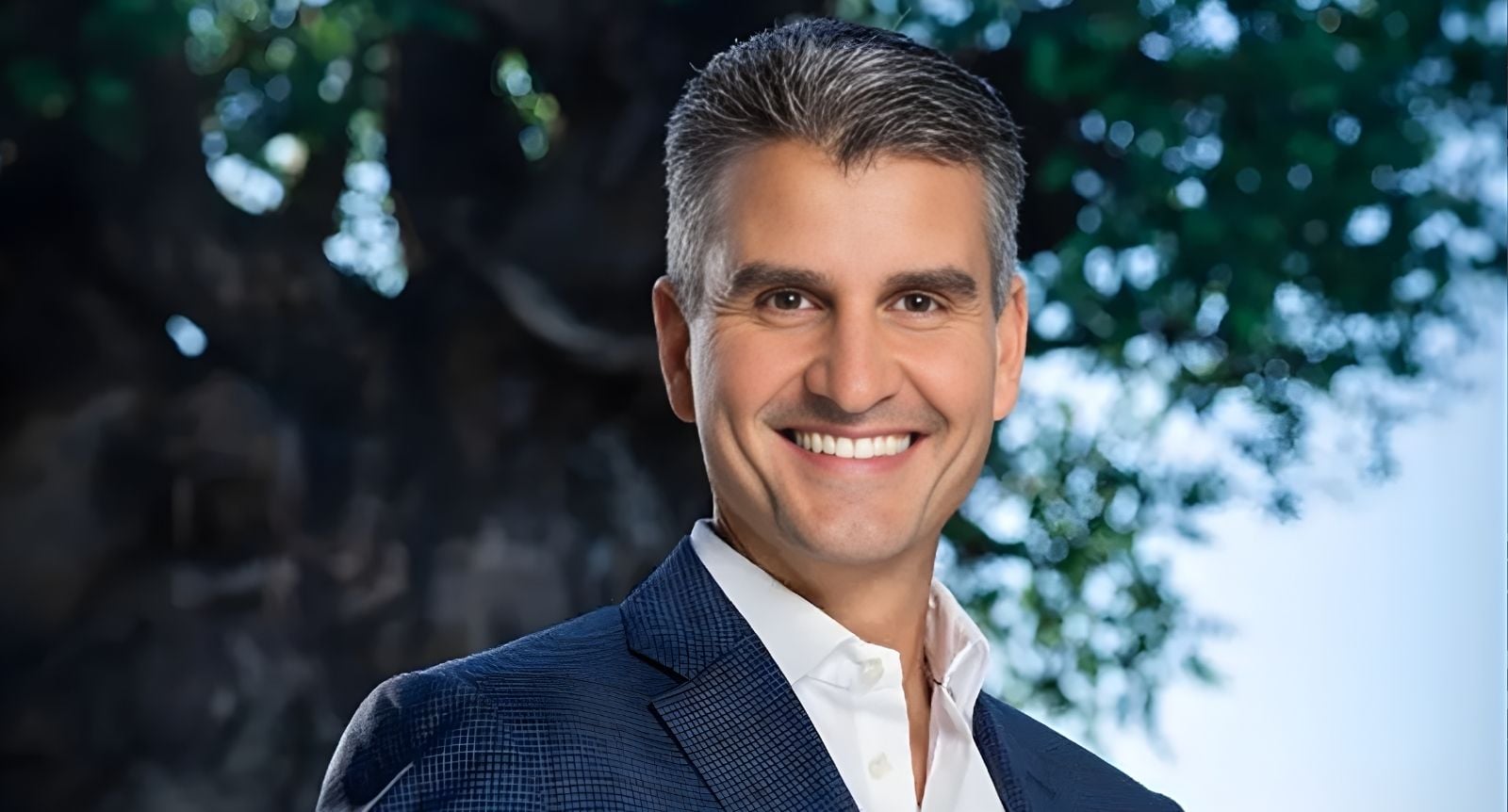
Josh D’Amaro oversaw the company’s massive theme park, cruise, and consumer products division
Unlike the previous transition to Bob Chapek, which suffered from a perceived disconnect between the C-suite and the creative community, D’Amaro has spent years cultivating a public persona that is both approachable and brand-loyal.
The creative counterweight
Disney is keenly aware that a ‘parks guy’ in the top seat might spook the Hollywood talent pool.
The promotion of Dana Walden to President and Chief Creative Officer serves as the answer to that concern. Walden, a TV titan who has steered Disney Entertainment through the streaming wars, will report directly to D’Amaro.
This dual-structure ensures that while D’Amaro manages the empire’s operations and strategy, Walden retains a firm grip on the content pipeline that feeds the beast.
Alan Bergman (Disney Entertainment co-chair) and Jimmy Pitaro (ESPN Chairman) will remain in their roles, working alongside D’Amaro and Walden.
What this means for the Australian market
While the boardroom drama unfolds in Burbank, the ripple effects will be felt in Australia. James Gorman’s steady hand on the tiller is a subtle nod to the global nature of the role, but the local implications are tangible.
Disney+ remains a dominant force in the local streaming landscape, with estimated subscribers hovering around the 3.8 million mark in 2025.
With the Australian government’s local content quotas looming, requiring major platforms to invest in Australian stories, Walden’s elevation is significant.
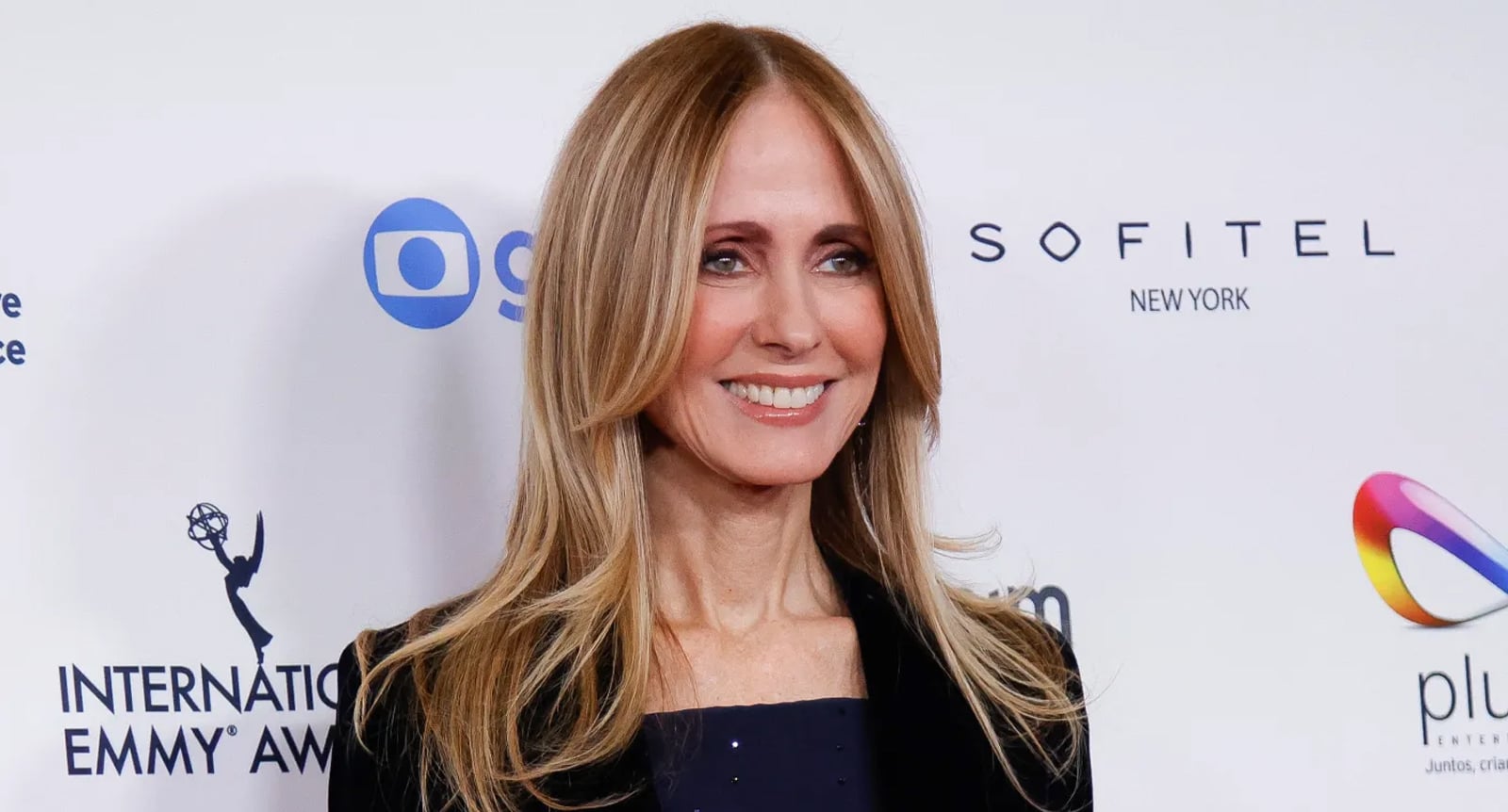
Dana Walden is a creative titan of the TV world
As the architect of Disney’s global content strategy, her decisions will directly influence the greenlighting of future Australian originals to sit alongside The Artful Dodger and Last Days of the Space Age.
For local advertisers and media buyers, the stability at the top is welcome news. Disney’s advertising tier on Disney+ has been gaining traction, and a settled leadership team suggests a continued aggressive push into the ad-supported streaming space.
The ‘boomerang CEO’ narrative is officially closing. Bob Iger fixed the ship, and now he is handing the keys to a successor who has actually spent time in the engine room.
Main Image: Incoming Disney CEO, Josh D‘Amaro
IMAA updates AI guiding principles for indie agencies
Independent Media Agencies Australia (IMAA) has released an updated version of its AI Guiding Principles, as generative AI adoption accelerates across media and marketing.
The not-for-profit industry body announced the changes on 4 February 2026. The refreshed framework builds on the IMAA’s original principles, first released in 2024, and was developed with member input.
The update was created in collaboration with governance and privacy advisory firm FMA Consulting and AI agency AirStack.
What has changed in the 2026 update?
IMAA said the revised principles “double down” on safe and appropriate AI use, with a renewed focus on governance to reduce risk for staff and clients. It also adds two new areas: ethical AI-driven targeting and responsible audience use, as well as vendor transparency and supply chain trust.
Sam Buchanan, CEO of IMAA, said the changes followed rapid shifts in both technology and how agencies use it.
“When we first released our AI Guiding Principles in 2024, we made a promise to our members that the document would be regularly reviewed and updated as technologies, standards and expectations change.
“These enhanced principles demonstrate our commitment to ensuring our members have access to the most up-to-date guidance for responsible AI adoption, and that the guidelines acknowledge ongoing feedback to ensure they continue to reflect member experience and industry practice.
“We will continue to be proactive in taking a principles-based approach to AI, recognising our position at the forefront of a cohesive and ethical industry approach. This document continues our mission of aligning our members around a shared commitment to adopting AI ethically, transparently, and in the best interests of the industry, our clients and Australian audiences.”
Key principles covered
According to IMAA, the 2026 AI Guiding Principles span:
- ethical, fair and responsible AI
- human-centric and accountable decision-making
- transparency with clients, consumers and vendors
- continuous learning and capability building
- privacy-aware and data-conscious AI use
- client collaboration and safe innovation
- awareness of evolving AI and regulatory expectations
- vendor transparency and supply chain trust
Education push at Indie-Pendence Day
IMAA said it will continue to educate independent agencies on AI, including a platform at this year’s Indie-Pendence Day. The Australian Centre for AI in Marketing (ACAM) will host a presentation focused on AI education and capability building.
Louise Cummins, founder of ACAM, said: “As AI becomes embedded across media and marketing, shared principles matter. Industry-led frameworks like the IMAA’s help ensure AI amplifies human judgement, creativity and trust.”
Links to privacy governance
The updated AI principles follow the IMAA’s release of its Data Governance and Privacy Principles, which it describes as an industry-first framework to help members respond to a changing national privacy landscape.
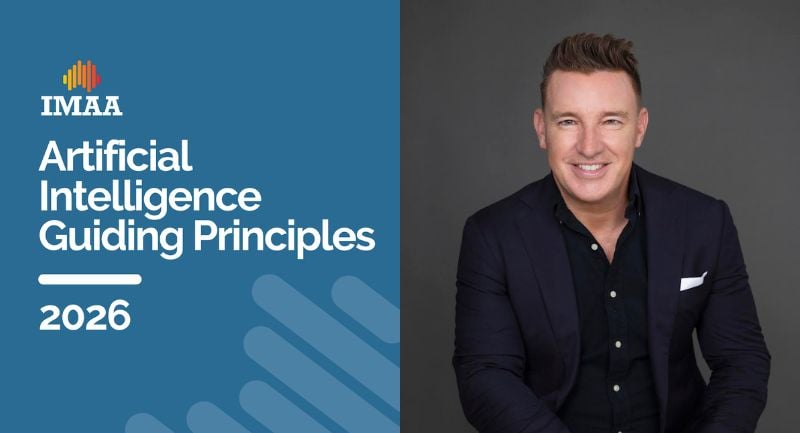
Top image: Sam Buchanan
Where to watch: Super Bowl LX
The New England Patriots and Seattle Seahawks will meet in a Super Bowl rematch when they face off in Super Bowl LX, live and free on the Seven Network on Monday, 9 February.
Seven’s exclusive free-to-air coverage will begin from 9.00am AEDT on 7mate and 7plus Sport, before the championship game kicks off at 10.00am AEDT across Seven, 7mate and 7plus Sport.
Seven’s live coverage from Santa Clara
Coverage will open with a special Super Bowl preview from NFL Tailgate, hosted by the first Australian to play in a Super Bowl, Ben Graham, alongside NFL expert Cam Luke, broadcasting live from Santa Clara, California.
Play-by-play commentary will be led by Mike Tirico and Cris Collinsworth, with Melissa Stark and Kaylee Hartung Rinaldi reporting from the sidelines.
Sunrise will also broadcast live from inside Levi’s Stadium, with 7NEWS US Correspondent Rob Scott on location from 5.30am AEDT.
Seven Network Head of Sport Digital Kirsty Bradmore said bringing the event to Australian audiences was a point of pride for the network.
“The Super Bowl is one of the world’s great sporting events and Seven is incredibly proud to bring Super Bowl LX to Australian audiences,” Bradmore said.
“It reflects our long-standing commitment to delivering the biggest moments in global sport, live and free, to viewers right across the country.”
A Super Bowl rematch 11 years in the making
The last time the Patriots and Seahawks met on Super Bowl stage was in 2015, in what is widely regarded as one of the greatest games in NFL history.
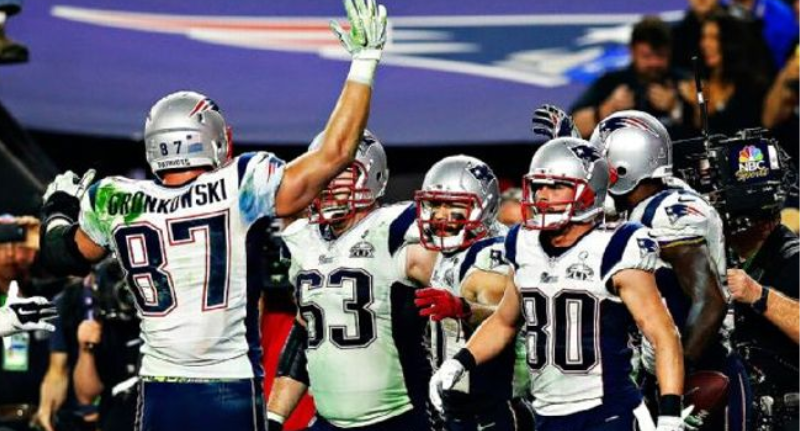
Patriots vs Seahawks (2015).
That match was decided by a late interception from Malcolm Butler, sealing victory for New England.
This year’s clash will feature entirely new line-ups, with no remaining players from the 2015 rosters. The Seahawks enter the game led by Sam Darnold and Jaxon Smith-Njigba, while the Patriots are headlined by Drake Maye and Stefon Diggs.
Seattle will be chasing redemption, aiming to claim its second Super Bowl title, while New England looks to add another championship to its storied history.
Bad Bunny headlines the halftime show
Following Kendrick Lamar’s 2025 halftime performance, this year’s Apple Music Halftime Show will be headlined by GRAMMY Award-winner Bad Bunny, with Seven promising an “electric” performance.
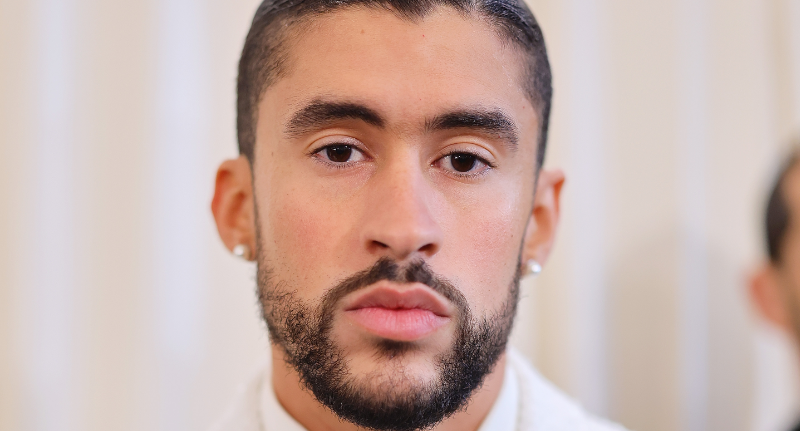
Bad Bunny
Bradmore said Seven’s multi-platform approach would allow fans to experience the event across broadcast, digital and social channels.
“Having Super Bowl LX on Seven allows us to deliver the event at scale across broadcast, digital and social platforms, ensuring fans can experience the game in more ways than ever before,” she said.
A full week of NFL on Seven
Seven’s NFL coverage will extend beyond Super Bowl day, with the Pro Bowl airing live on 7mate and 7plus Sport from 12.00pm AEDT on Wednesday, 4 February.
Additional programming includes NFL: Road To The Super Bowl on Friday, 6 February, followed by the NFL Honours ceremony hosted by Jon Hamm, and a prime-time NFL Tailgate special live from San Francisco.
Fans can also revisit classic Super Bowl moments on demand via 7plus Sport.
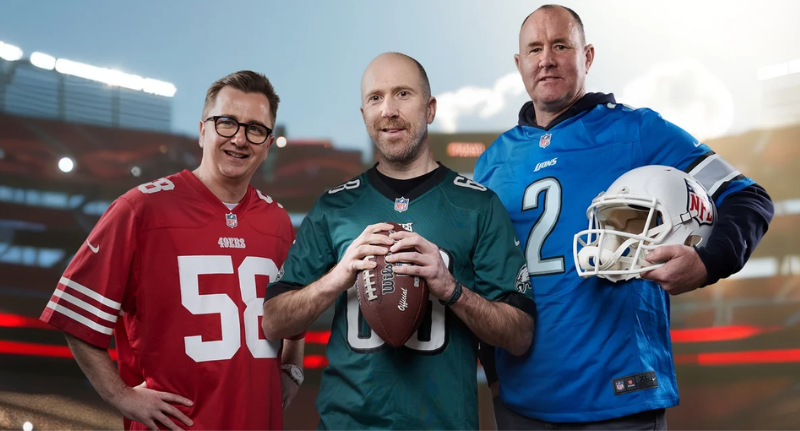
Top Image: Top image: Cam Luke & Ben Graham
The great decoupling: Navigating the post-click era of search
By Stephanie Drabble, Director – Digital Product Commercialisation & Strategy, Nine
For decades, the pact between search engines and brands was simple: brands provided the content, search engines provided the clicks.
But as we move through 2026, that pact has fundamentally dissolved.
We are witnessing “The Great Decoupling” – a phenomenon where search volumes continue to climb, yet referral traffic to brand websites is in a sharp, structural decline. The catalyst? The rapid ascent of Large Language Models (LLMs) and the evolution of search into a conversational, zero-click experience.
From keywords to conversations: The shift in consumer intent
The integration of LLMs into platforms like Google (AI Overviews), ChatGPT, and Perplexity has shifted how people seek information, moving from keyword-based search to natural language synthesis.
In this new paradigm, users want to skip the list of websites and land straight on an answer to act upon.
LLMs compress the research phase. They summarise, compare, and recommend directly within the interface removing the need for consumers to embark on their own research journey.
The consumer consideration set is now being formed before a single brand domain is ever loaded.
The zero-click crisis: Who is losing the referral race?
The impact on brands is stark but nuanced. When LLMs provide a comprehensive summary, the incentive to click through to a source website evaporates.
Whilst “traffic erosion” is being experienced across a broad array of categories, it is most significant when users can get the information they’re seeking within the LLM interface.
According to BrightEdge analysis, information and utility based searches result in the highest zero-click rate (77-85%) as answers are provided within top-of-page AI summaries.
For example, across some of Nine’s publishing brands, including The Sydney Morning Herald and nine.com.au, search referrals have declined between 20 – 30% in the past 12 months as AI overviews provide audiences with an answer they were seeking. Thankfully, for these brands, most of their audience comes direct, with between 70 – 80% of session referrals starting directly with the brands.
This impact is now bleeding into high-consideration categories such as financial services, retail and travel. Categories that have arguably built a much greater reliance on search referrals.
The ability for LLMs to consolidate, synthesise and compare offerings will continue to materially disrupt the purchase journey as we’ve known it.
The path forward: brand saliency, trust and the data advantage
In a world where brands have limited control over seismic shifts occurring within search, where should we focus?
What are the strategies that remain consistent, effective and will ultimately benefit how we navigate the changing landscape of customer referral?
1. Invest in brand saliency: The mental shortcut
In a zero-click world, the only way to guarantee traffic is through direct navigation.
When users search for a specific brand rather than a generic category, they bypass the AI’s “recommendation engine” and go straight to the source.
Recent research from Nine and Kantar shows that brands excluding TV from their mix risk missing out on an average of 39% more total brand effects. High-reach, high-impact video across 9Now, Stan Sport and HBO Max builds the mental availability that ensures a brand is the one users specifically ask for – both in search bars and of LLMs.
When your search query provides you optionality in its response, you’re always most likely to start with the brand you’ve already heard of.
Brands with high saliency are not just the ones consumers will gravitate toward, they are also significantly more likely to be featured in AI Overviews as the “definitive” recommendation.
2. Integration with trusted broadcasters & publishers: The “trust” moat
The IAB consistently finds that premium media delivers stronger brand lift and more meaningful attention than non-premium placements.
And the payoff is real: a decade of Kantar data shows brands with strong equity generate four times more value share than weaker brands.
High-quality content that drives trust, attention and memory also amplifies the cues AI relies on.
By integrating with Nine’s premium ecosystem, advertisers not only reap the advertising outcomes of premium media, they gain access to a “Trust Moat” that AI models prioritise. While brands face volatility from AI summaries and declining search referrals, Nine is a uniquely stable alternative powered by direct audiences and high-intent environments.
3. Leverage first-party data to build direct relationships
The ultimate defence against an algorithmic filter is a direct connection with your customer.
Brands, more than ever, need to prioritise collecting consented, relevant data on their consumers and use this to connect with them in trusted, influential environments.
The scale of this advantage at Nine is significant. With 22 million signed-in users across a unified data infrastructure, Nine provides advertisers with a direct line to nearly every Australian adult.
This ecosystem allows brands to engage with consumers in a logged-in, deterministic environment and measure the impact.
Know your consumer, know what matters to them and find ways to build familiarity, trust and connection so your brand becomes an active choice.
The new bottom line
We are moving from an era of efficiency to an era of effectiveness.
To survive The Great Decoupling, marketers must shift their gaze from the bottom of the funnel toward the foundations of brand-building.
Stop chasing the click; start building the destination.
Media
X cleans up pro-China network using Australian accounts
The Clemson University report found 130 fake locals across Australia, the US and the Philippines, all using AI-generated content to quietly push Beijing-friendly narratives, with the Australian cluster built entirely from hijacked real accounts.
Companies
Tech
Photo booths and wedding snaps caught in a data leak
A photo booth company called Curator Live has been exposed for leaving a huge trove of customer photos and phone numbers publicly available online, including images from weddings, parties, and even political events.
A security researcher alerted Joseph Cox at 404 Media, but says nothing has been fixed, echoing a similar breach TechCrunch reported on with another photo booth outfit late last year.