
Tuesday February 24, 2026

Audio and streaming lift SCA–SWM as TV earnings soften
Southern Cross Media Group (SCA) and Seven West Media (SWM) have reported diverging fortunes across their portfolio, with audio delivering strong earnings growth and streaming posting rapid audience gains, while television profits continued to decline.
Seven outperformed a declining free-to-air advertising market in the first half, with total TV revenue down 2.7% compared to an estimated market contraction of around 10%. However, earnings still fell sharply, with Seven’s EBITDA down 28.7% for the period.
The result underscores the structural pressure facing linear television. While broadcast TV remains profitable, earnings are increasingly fragile as advertising markets soften and audience shifts accelerate.
By contrast, SCA’s audio division delivered revenue growth in a declining metro radio market, indicating market share gains. Broadcast radio margins improved to 27.5%, reflecting the impact of cost-out programs alongside modest top-line growth.
The combination of revenue growth and disciplined expense management drove disproportionate profit gains in audio, positioning the division as the group’s strongest earnings contributor in the half.
Streaming platforms also recorded strong top-line momentum.
Seven’s 7plus reported revenue growth of 15%, with audience growth of 55% and streaming minutes up 62%.
SCA’s digital audio platform LiSTNR lifted revenue 14% and generated positive EBITDA of $2.8 million, compared to near breakeven in the prior corresponding period.
During today’s earnings call, competition in the digital audio market was raised directly. Lulwah Al Saleh, Executive Director of Wealth Management at UBS Saudi Arabia, questioned SCA CEO John Kelly about the current disruption in the space, particularly amid Spotify’s expansion into video podcasts.
In relation to LiSTNR, Saleh asked: “How are you thinking about the constant step up in competition for your listener and the risk of continued reinvestment into the tech stack?”
Kelly said the newly merged group would provide greater distribution leverage.
“LiSTNR is an owned and operated property. And we can pivot and develop LiSTNR to meet the needs of advertisers. But we’re also very excited about using seven plus as potentially a video distribution tool moving forward, which with 15 million signed up listeners of viewers into seven plus, that’s a huge opportunity to expand that two and a half million sign-up base for Listener.”
The question reflects broader shifts in audience behaviour.
Recent data from PodPoll 25, conducted by Deadset Studios and analytics firm Insightfully, shows audiences are increasingly moving away from traditional podcast apps and towards streaming platforms. The nationally representative survey of 3,768 Australians aged 15 and over found Spotify is now the leading podcast platform, used by 58% of respondents. Apple Podcasts has fallen to just one in five listeners.
YouTube has seen the largest rise, with 44% of listeners saying they use the platform for podcasts, up from 30% in 2024. Younger audiences in particular are gravitating toward video podcasts, strengthening YouTube’s foothold in the sector.
However, despite LiSTNR’s rapid growth, digital remains insufficient to fully offset declines in broadcast television earnings. Seven’s total EBITDA fell 28.7%, reflecting the continued weight of linear TV within the earnings mix.
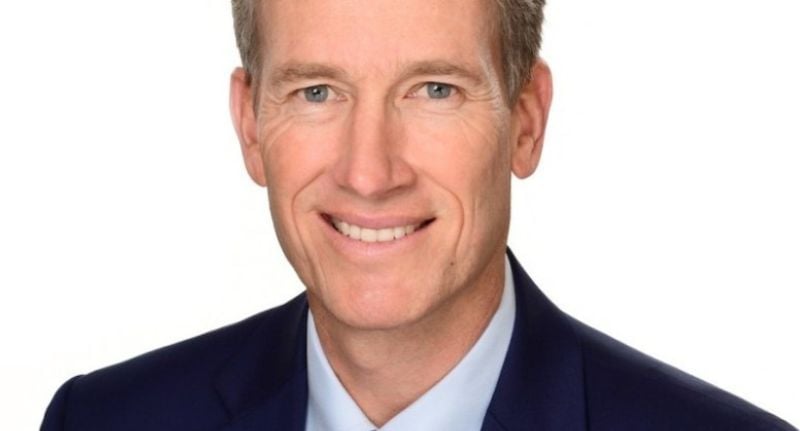
Heith Mackay-Cruise
CEO steps down as board accelerates strategy
The results were delivered alongside a leadership reset.
Late yesterday, the company confirmed Managing Director and CEO Jeff Howard would step down, with Chairman Heith Mackay-Cruise moving into an expanded operational role as Interim Executive Chairman.
Opening this morning’s earnings call, Mackay-Cruise addressed the leadership change.
“The board recognises these announcements are significant. But in our view, following a period of major change, our two market-leading companies successfully merged to form a major media platform company. The changes we have announced are intended to accelerate the delivery of our strategy and position the company to move more quickly and realise the benefits of our merger. This will include accelerating initiatives to drive revenue and cost synergies, and to create new solutions for SCA customers, including through innovative use of data.”
During the call, Morningstar Australia’s Director of Equity Research, Brian Han, asked whether the management changes reflected “an untenable disagreement on how to integrate the merger or the future vision of how TV and radio businesses will go together” and whether bringing in a new management team was the only way to execute that strategy.
MacKay-Cruise’s response was brief and direct: “Yes”.
Taken together, the half-year results and executive reshuffle underline the scale of transformation underway. Audio is currently driving earnings growth. Streaming is expanding rapidly. Television remains profitable but under structural pressure.
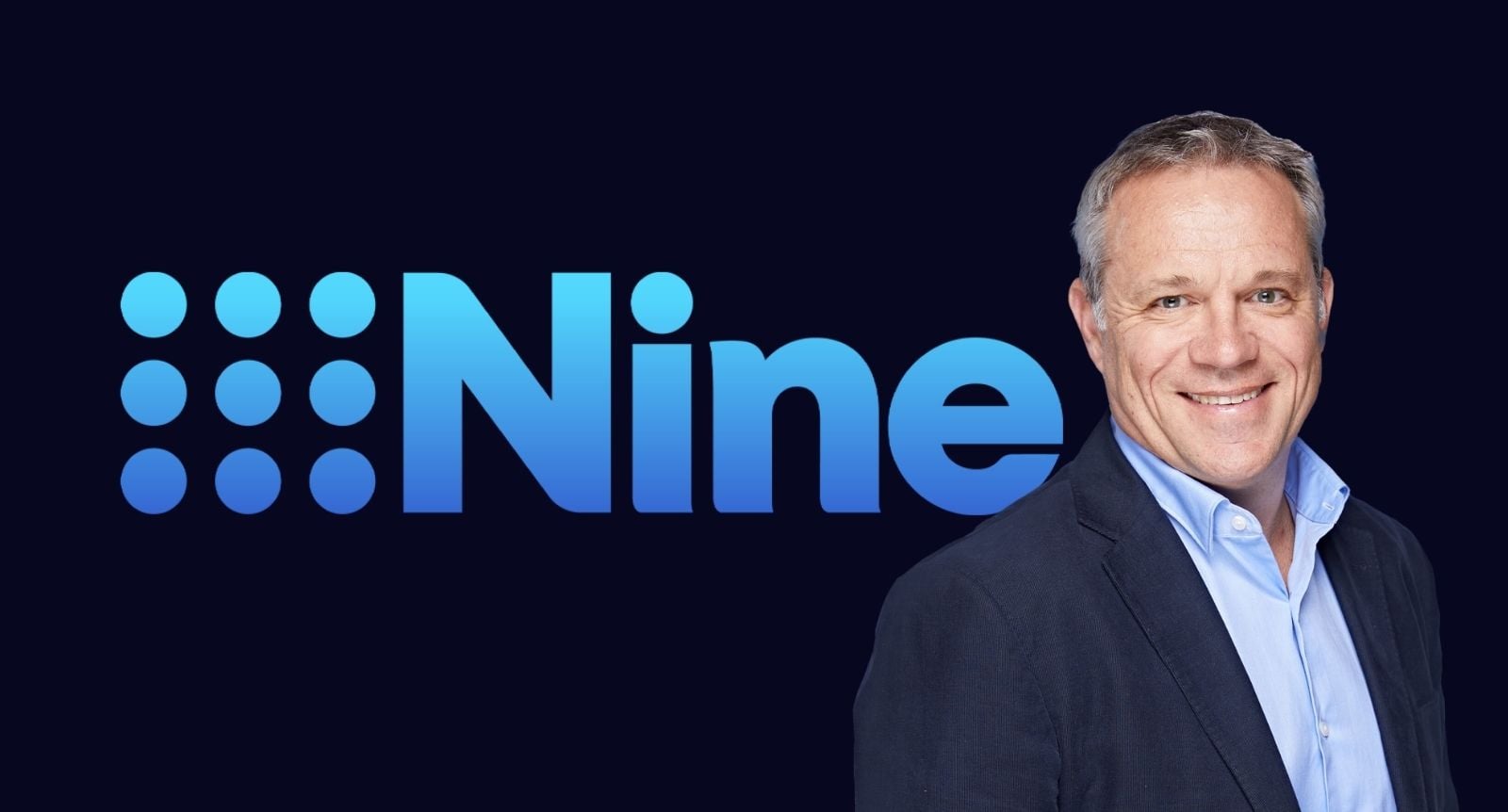
Stan. steals the spotlight as Nine lifts EBITDA 6% in tough ad climate
Nine Entertainment Co has delivered a 6% increase in group EBITDA to $201 million for the six months to December 2025. Group revenue hit $1.1 billion. Strong digital subscription growth buffered the broader advertising market softness, helping statutory net profit land at $81 million.
Chief executive officer Matt Stanton told investors the company achieved this growth despite a soft television advertising market. He singled out the broadcast and streaming performance as a “pleasingly robust result for total television,” noting the division delivered an impressive $99 million in EBITDA for the half.
Stan. proved a standout performer. The streaming platform reported a record $37 million EBITDA result, representing a 24% increase, while revenue jumped 15%.
Stanton gave a special callout to the cross-platform power of the network’s reality juggernaut Married At First Sight. The dedicated Stan spinoff, After The Dinner Party, became the platform’s highest-ever single-episode subscription driver in a 24-hour period. Stanton proudly noted the local spinoff even beat the global phenomenon Yellowstone.
Publishing and Drive accelerate
Nine’s publishing division held firm during the half, reporting revenue of $262 million and a combined EBITDA of $74 million. While profitability remained flat compared to the first half of the 2025 financial year, digital subscriptions continued their upward trajectory.
Digital revenues grew 9% at the metro mastheads and the Australian Financial Review. Meanwhile, the automotive brand Drive delivered a blockbuster result. Drive posted 32% digital revenue growth, driven by a massive 120% year-on-year jump in marketplace revenue.
The company removed approximately $43 million in costs during the half. Management expects $32 million of these savings to continue, boosting margins as they target a further $70 million in underlying cost reductions heading into the 2027 financial year.
Restructuring for a digital future
The half-year results follow the massive strategic pivot Nine announced late last month. The media giant recently revealed an $850 million acquisition of outdoor digital network QMS Media and the impending sale of Nine Radio. Stanton also highlighted the restructuring of NBN and Nine Darwin.
These moves highlight a sharp focus on scalable digital platforms. Management expects growth assets to account for around 60% of revenue and 70% of EBITDA by the 2027 financial year.
Stanton remains cautiously optimistic about the months ahead. With the QMS Media acquisition set to finalise and the regional and radio assets shifting, Nine faces a critical window of execution.
Advertisers will watch closely to see if the network can maintain its total television momentum while integrating a major out-of-home player into its cross-platform sales pitch.
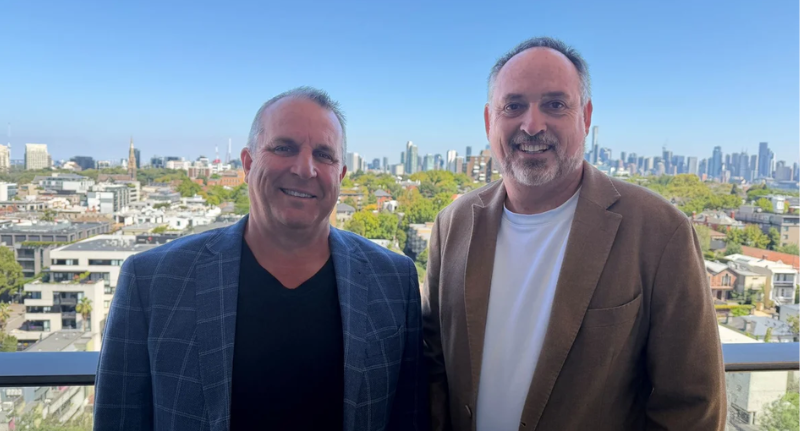
Mark Coad lands at 24HRBP after Omnicom-IPG merger crossfire
Business growth consultancy 24 Hour Business Plan (24HRBP) has appointed industry leader Mark Coad as Partner and Senior Advisor.
In his previous outing, Coad was made redundant in the shake-up following Omnicom’s adoption of Interpublic Group, alongside Leigh Terry, in December.
In his new role, Coad will work with the firm alongside his broader portfolio of consulting and board roles, marking what 24HRBP describes as a strategic milestone for its local operations.
Founder comments
Coad brings more than 30 years of experience across Australia’s media and marketing sector, having led some of the country’s most influential agency networks and advised major brands and boards through periods of transformation and growth.
Founder Andrew ‘Billy’ Baxter said Coad’s appointment reflects both the consultancy’s ambitions and increasing client demand for practical, senior-level guidance.
“Mark is one of the most experienced and respected leaders the media industry has ever produced,” Baxter said.
“Mark brings deep strategic thinking, proven leadership at scale and an unrivalled understanding of how organisations grow, adapt and perform under pressure. His decision to work with us is an endorsement of our model and where we are headed.”
Coad comments
As part of the partnership, Coad will work closely with 24HRBP’s Australian team across strategy, leadership, governance and performance, with a focus on delivering the firm’s 4x six-hour workshop planning framework.
Coad said the firm’s practical, outcomes-driven approach was central to his decision to join.
“What attracted me to work with 24HRBP is its focus on real-world impact,” he said.
“This is not advisory in theory, it’s about helping leaders solve real problems, quickly and effectively and build their businesses for growth.”
A track record of transformation
Most recently, Coad served as CEO of IPG Mediabrands Australia, where he led a major automation transformation using robotic technology to streamline repetitive processes work later adopted globally by IPG.
Prior to that, he held senior leadership roles within Omnicom Group, including Managing Director of OMD Melbourne and CEO of OMD Australia. He later served as CEO of Clemenger Harvie Edge before returning to media as CEO of PHD Australia.
Beyond agency leadership, Coad has held board positions with the Media Federation of Australia (MFA) and ADMA, is a Board Director of the Melbourne International Comedy Festival, and sits on the Board of Trustees of the Commando Welfare Trust.
He is also a longstanding mentor for The Marketing Academy’s scholarship program.
Demand for recurring strategy discipline
24HRBP said data from nearly 60 organisations that have completed its structured strategic planning process shows 85% reported revenue growth in the first full financial year following implementation.
Organisations that treated strategy as an ongoing discipline rather than a one-off exercise reported an average year-on-year growth rate of 22%, compounding annually.
Baxter said Coad’s affiliation reinforces the firm’s focus on building a senior advisory team with hands-on leadership experience.
“If you are running a medium-sized enterprise through to a major company of 1000+ people, there is no better advisor than Mark to partner with to create a strategic business plan geared for growth,” Baxter said.
Top Image: Mark Coad and Andrew Baxter
BBC apologises after Baftas racial slur
The BBC has apologised after a racial slur shouted from the audience during the 2026 Bafta Film Awards was broadcast live, despite the ceremony airing with a time delay.
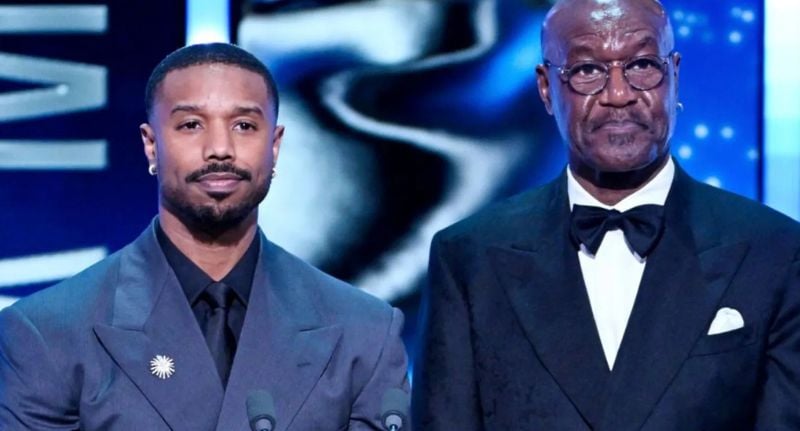
The incident occurred as actors Delroy Lindo and Michael B. Jordan were on stage presenting the evening’s first award. Tourette syndrome activist John Davidson, attending as the subject of the nominated film I Swear, was heard shouting the N-word during the ceremony.
The BBC has since conceded the language should have been edited out before transmission.
A spokesperson said: “We apologise that this was not edited out prior to broadcast and it will now be removed from the version on BBC iPlayer.”
In a separate statement, the corporation added: “Some viewers may have heard strong and offensive language during the Bafta Film Awards. This arose from involuntary verbal tics associated with Tourette syndrome, and as explained during the ceremony, it was not intentional.”
The broadcaster declined to comment further on why the slur was not bleeped or removed despite the delay.
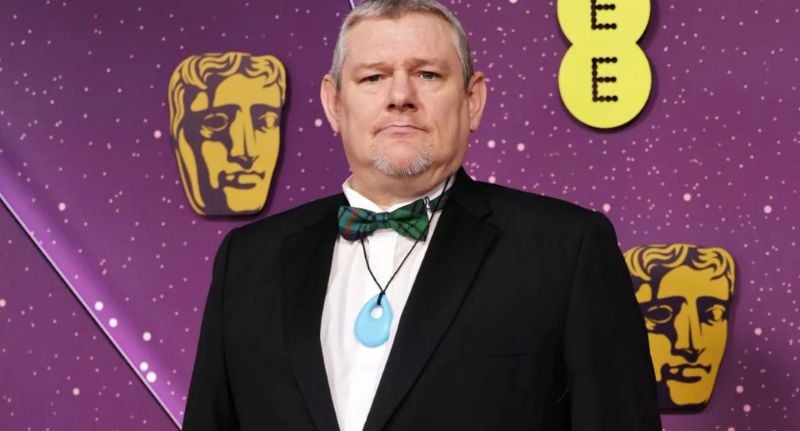
John Davidson. Source: BBC
A live moment that wasn’t meant to be
Baftas host Alan Cumming addressed the auditorium twice on the night, telling viewers: “Tourette syndrome is a disability, and the tics you’ve heard tonight are involuntary, which means the person who has Tourette syndrome has no control over their language. We apologise if you are offended tonight.”
That phrasing, “if you are offended”, quickly drew criticism online.
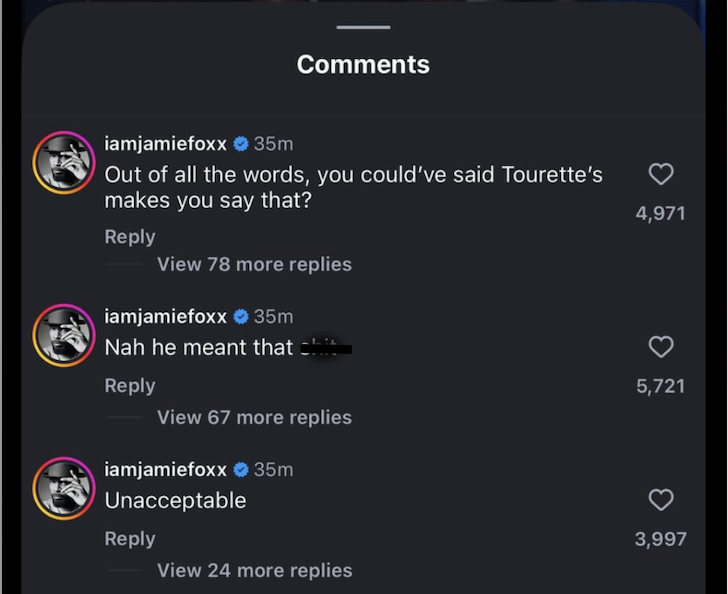
Actor and producer Jamie Foxx responded on social media: “Out of all the words you could’ve said, Tourette’s makes you say that. Nah, he meant that s**t. Unacceptable.”
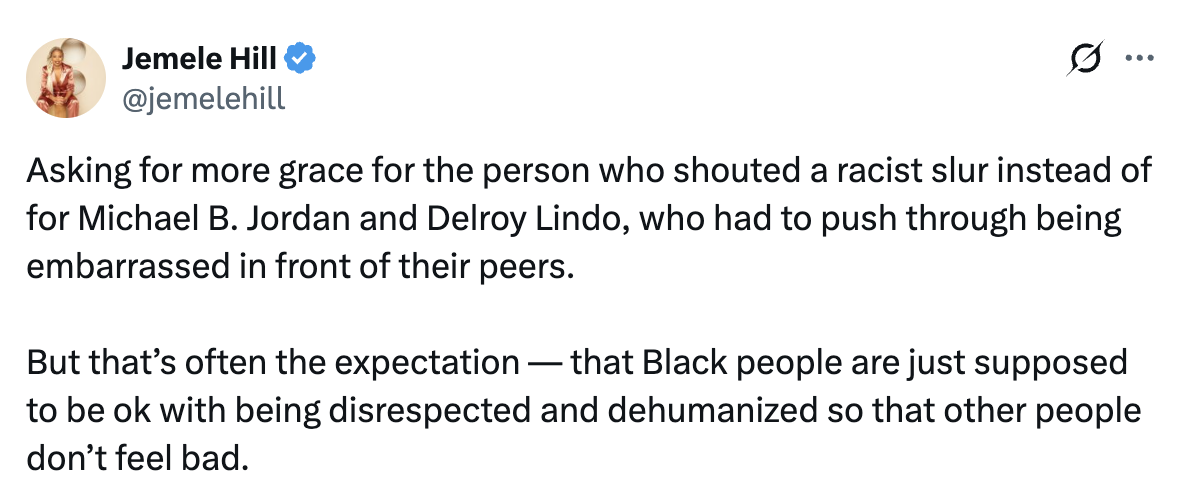
Journalist Jemele Hill wrote: “Black people are just supposed to be ok with being disrespected and dehumanised so that other people don’t feel bad.”
And actor Wendell Pierce added: “It’s infuriating that the first reaction wasn’t complete and full-throated apologies to Delroy Lindo and Michael B Jordan. The insult to them takes priority. It doesn’t matter the reasoning for the racist slur.”
Lindo later told Vanity Fair that he and Jordan “did what we had to do” as they continued presenting, but said he wished “someone from BAFTA spoke to us afterward”.
Bafta itself acknowledged the “harm this has caused, address what happened and apologise to all”.
The explanation – and the backlash
Davidson, who has lived with Tourette’s syndrome since the age of 12, is known to experience coprolalia, a condition affecting a minority of people with Tourette’s that can cause involuntary swearing.
In a statement, he said he was “deeply mortified if anyone considers my involuntary tics to be intentional or to carry any meaning”.
“I have spent my life trying to support and empower the Tourette’s community and to teach empathy, kindness and understanding from others, and I will continue to do so. I chose to leave the auditorium early into the ceremony as I was aware of the distress my tics were causing.”
The context matters. Tourette syndrome is a motor control disorder characterised by muscular and vocal tics; only around 10–20% of people with the condition experience coprolalia.
But context, in a live broadcast watched by millions, doesn’t erase impact.
A question of duty of care
For broadcasters, this wasn’t simply an awkward moment. It was an editorial failure.
Time delays exist for a reason. Award shows build them in precisely to manage unexpected language, protests or disruptions. The fact that the slur made it to air has shifted the focus squarely onto the BBC’s compliance processes.
Conservative Party leader Kemi Badenoch said the BBC had made “a horrible mistake” by not editing it out, adding: “I think an apology is important; they need to explain why it wasn’t bleeped out.”
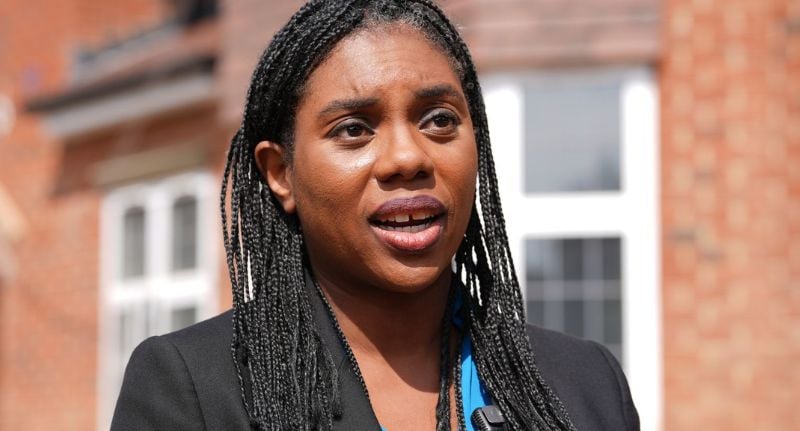
Conservative Party leader Kemi Badenoch. Source: Supplied
There’s also a more uncomfortable question simmering beneath the surface – one that goes beyond broadcast mechanics.
Bafta invited Davidson to celebrate a film inspired by his life. Yes, inclusion matters. Yes, representation matters. But when an event knowingly places someone with severe vocal tics into a tightly choreographed, globally televised ceremony, what safeguards are put in place? And for whom?
In attempting to show understanding toward one community, the industry now finds itself confronting the fallout felt by another.
Understanding, after all, runs both ways.
For the BBC, the clean-up is ongoing. The clip has been removed from iPlayer. The apology has been issued. But the debate about responsibility, editorial, ethical and cultural, is only just beginning.
Main image: Michael B Jordan and Delroy Lindo. Source: BBC

Zero alcohol advertising still encourages teenage drinking
Zero‑alcohol drink advertising may not be as harmless as it seems, with new research from Flinders University showing it could increase teenagers’ interest in drinking full‑strength alcohol.
A study of 382 adolescents aged 15 to 17 found that teens who had seen – and especially those who liked – zero‑alcohol ads reported significantly stronger intentions to try the alcoholic versions of those brands.
Researchers say the findings highlight that zero‑alcohol marketing can function as indirect advertising for real alcohol.
Flinders University co-author and researcher, Nathan Harrison, says the results challenge assumptions that zero‑alcohol promotions are a safe alternative for young audiences.
“Zero‑alcohol adverts appear to shape how adolescents think about the full‑strength products from the same parent brands,” says Mr Harrison from the College of Medicine and Public Health.
Advertising of zero-alcohol products still reason for concern
Participants in the study viewed real advertisements for zero‑alcohol beer, wine and spirits – which resemble the alcoholic versions but have no or very low levels of alcohol (<0.5%).
The teenagers were asked whether they had seen the ads before, and whether they liked them. Participants then rated their attitudes toward the alcohol brands and their intentions to drink the alcoholic versions.
“Teens who liked the advertisements showed more positive attitudes toward the brands and clearer intentions to try the full‑strength products,” says Professor Jacqueline Bowden, Director of Flinders’ National Centre for Education and Training on Addiction (NCETA).
“Because zero‑alcohol branding so closely mirrors alcoholic packaging and themes, many young people may not see a meaningful difference.”
Social media and general internet advertising were the most common places teenagers reported seeing zero‑alcohol promotions.
However, the study found no strong links between where the ads appeared and teens’ attitudes, suggesting many may not distinguish zero‑alcohol ads from regular alcohol advertising at all.
“This points to a major policy gap,” says Mr Harrrison, a Research Fellow at NCETA.
“Zero‑alcohol products are often exempt from alcohol advertising restrictions, allowing companies to use the same branding to reach young audiences.”
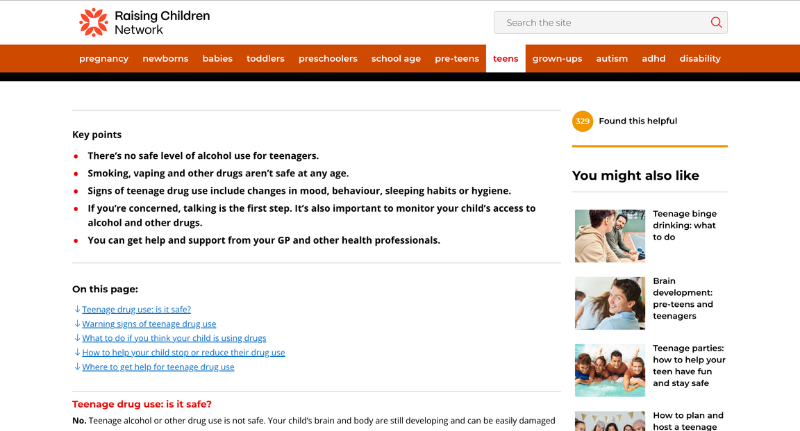
The Raising Children Network is an excellent resource for teens and alcohol. Image: RCN
Long-term exposure to zero-alcohol advertising
The researchers say the findings strengthen calls for tighter rules around alcohol‑related advertising.
“Policies that treat all brand advertising consistently – regardless of alcohol content – may better protect young people,” says Mr Harrison.
“Some countries in Europe already apply broader restrictions, and Australia could benefit from similar measures.”
The team, led by Flinders University’s Dr Ashlea Bartram, notes that the results align with wider evidence that alcohol marketing influences adolescent attitudes and behaviours.
They also call for further research to understand how long‑term exposure to zero‑alcohol advertising may shape future drinking patterns.
The paper, ‘Adolescents’ Exposure to Zero-Alcohol Advertisements and Attitudes and Consumption Intentions Towards Alcohol: A Cross-Sectional Study’ by Ashlea Bartram, Md Abdul Ahad, Svetlana Bogomolova, Murthy Mittinty, Joanne Dono (SAHMRI, Adelaide University), Aimee L. Brownbill, Nathan J. Harrison, Jacqueline Garcia, Ivana Glavinic, Mia May and Jacqueline Bowden will be published in Drug and Alcohol Review. DOI:10.1111/dar.70125
https://doi.org/10.1111/dar.70125
Support and advice are available through the National Alcohol and Other Drugs Hotline
https://www.health.gov.au/contacts/national-alcohol-and-other-drug-hotline .
For more information, contact: Nathan Harrison, NCETA and College of Medicine and Public Health, Flinders University

Spotify hands Premium users the keys to the algorithm with prompted playlists
Spotify is rolling out a new beta feature to Premium users in Australia, giving them the ability to generate hyper-personalised playlists in seconds using nothing more than a sentence.
Called Prompted Playlist, the tool allows users to describe an idea, mood or moment in everyday language.
Spotify then builds a playlist based on that prompt, drawing on a user’s listening history and what’s happening in music and culture right now.
How prompted playlist works
To access the feature, Premium users open Spotify, tap Create, and select Prompted Playlist.
From there, it’s simple:
• Describe what you want to hear, whether that’s a specific vibe, scenario or cultural moment.
• Spotify generates a playlist from your idea.
• Users can then set the playlist to refresh daily or weekly.
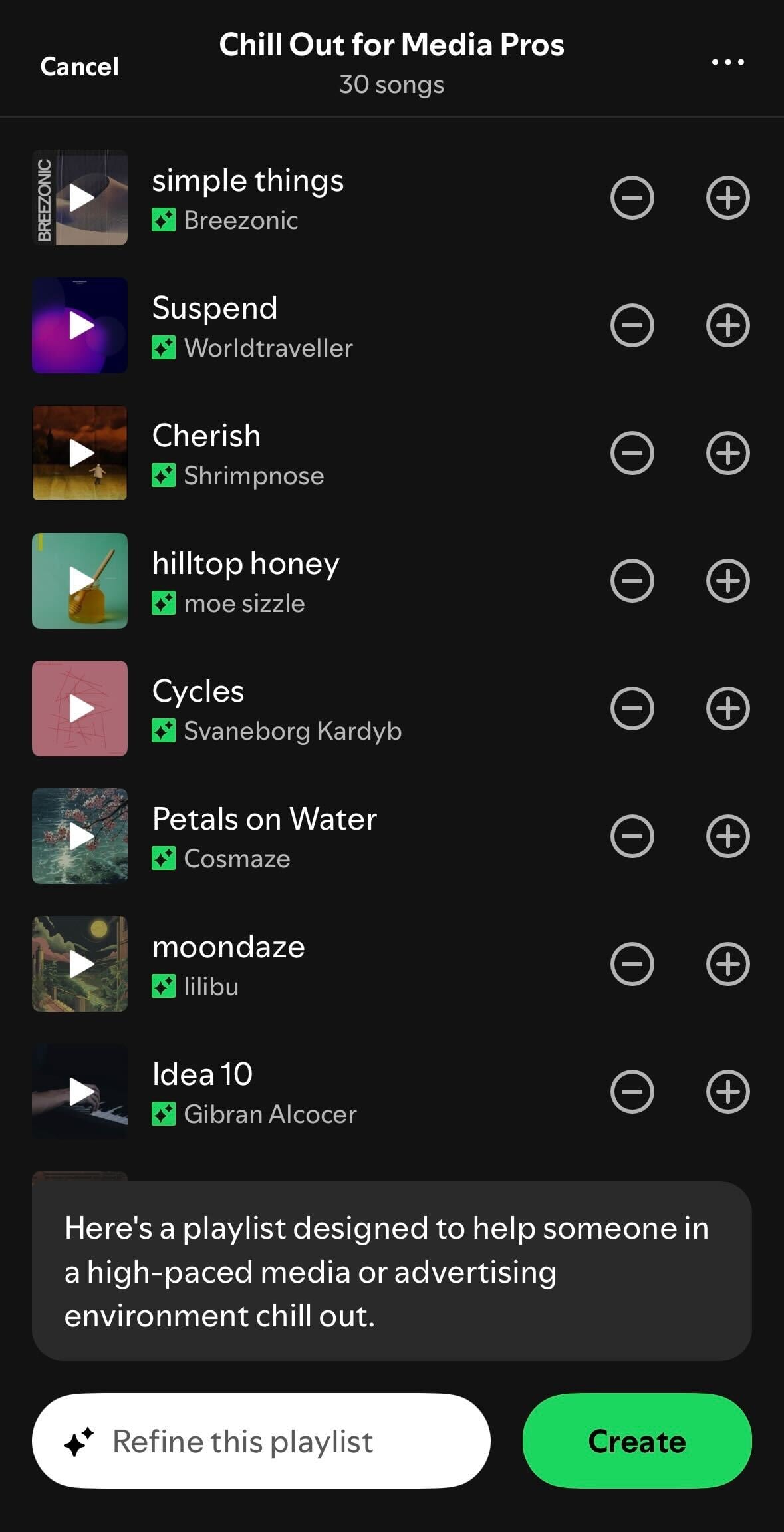
Here’s Mediaweek’s suggested playlist after typing in the prompt: Create a playlist for someone who works in a high-paced environment, such as media or advertising, and who needs to chill out:
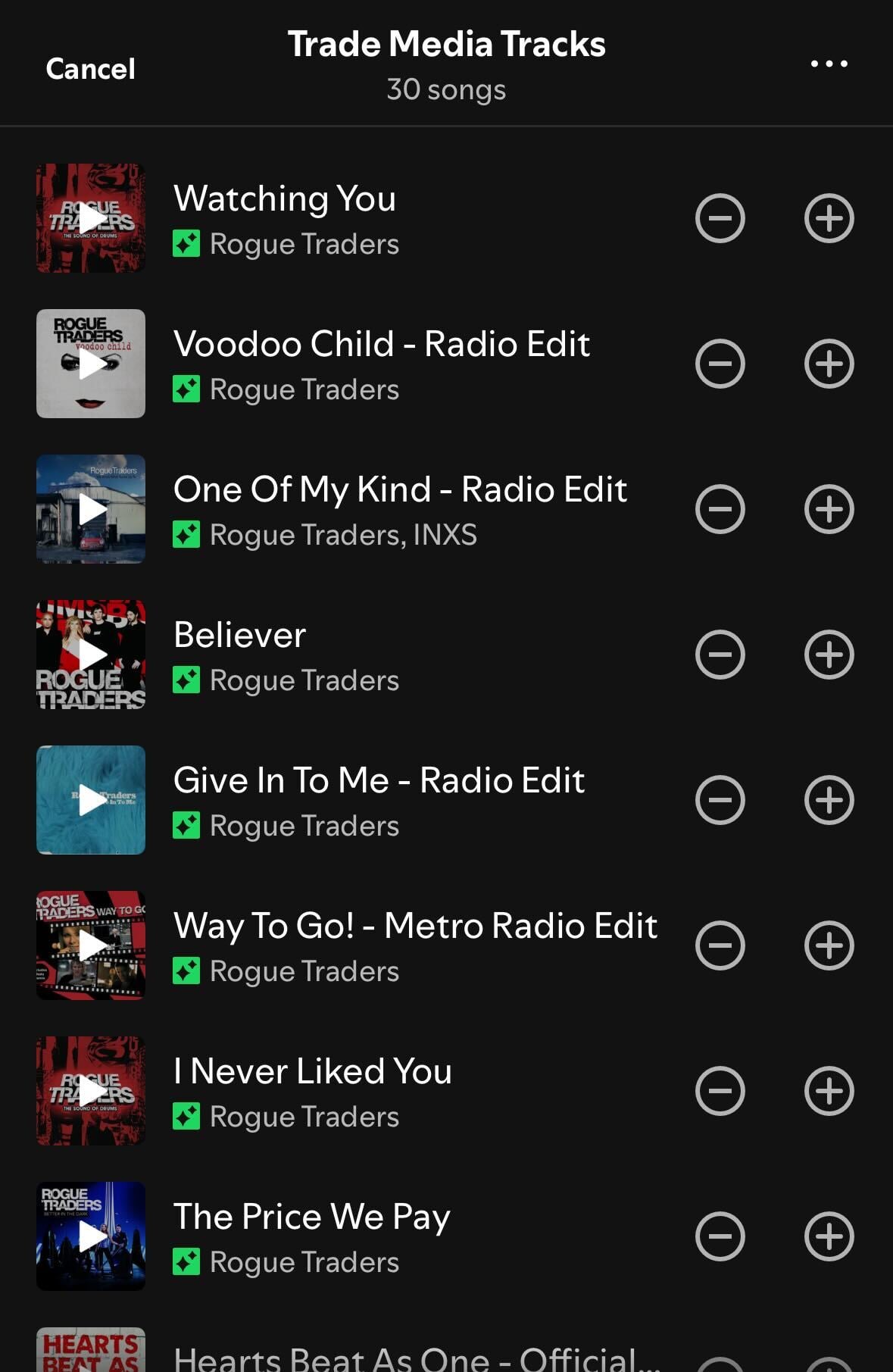
Our previous prompt: Create a playlist for someone who works in trade media, didn’t go quite so well:
From passive listening to active curation
The feature taps into the growing appetite for conversational interfaces and AI-assisted discovery, effectively turning Spotify into a music concierge.
And the prompts can get specific.
Spotify suggests ideas like:
“Make me a playlist for my morning commute that only has Aussie artists. Make sure their vibe and sound are similar to my usual listening, and can get the vibes going on my way to work.”
“Make me a playlist of songs I’ve saved to my Library (playlists or Liked Songs) that I either haven’t played yet or have only listened to once. The goal is to round up those songs I found, saved, and then totally forgot to revisit. Give me a chance to finally hear what I’ve been missing.”
“What are the first tracks I ever listened to on Spotify? Order them by the very first track I ever streamed – with date and time – and keep going.”
“I’ve just watched the new Wuthering Heights film! Create me a playlist of songs with gothic and eerie vibes, whilst still romantic. Please include additional tracks from my listening history that include themes of passion and intensity.”
In other words, the feature isn’t just about mood-based playlists. It leans into nostalgia, hyper-local discovery, personal data mining and even cultural moments.
(OK, so maybe our trade media prompt wasn’t specific enough)
Why Australia first?
The beta launch in Australia positions the market as an early testing ground for deeper personalisation features. For Premium users, it adds another layer of perceived value beyond ad-free listening and downloads.
For Spotify, it strengthens engagement loops. The more specific the prompt, the more data the platform can learn from in return.
In an increasingly crowded streaming market, the race isn’t just for catalogue depth. It’s for contextual relevance.
And with Prompted Playlist, Spotify is betting that handing users a little more control over the machine will keep them listening longer.
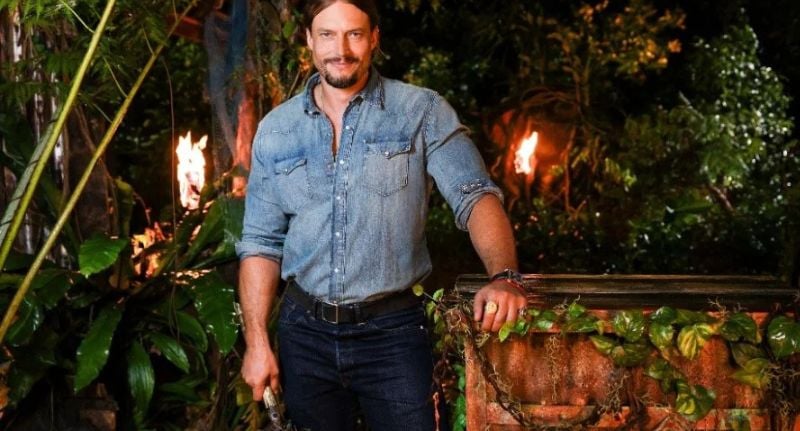
Everything else is just noise': Ten backs Survivor Redemption as franchise resets
“We just focus on making a great TV show. That’s all we do. Everything else is just noise, and it doesn’t change a single thing about what we do at all. It really is just noise.”
That’s how Ciaran Flannery, Paramount+/Ten Executive Producer, frames the chatter around the hosting change on Australian Survivor as the franchise returns with its latest instalment, Survivor: Redemption.
For Ten, the brief is simple: protect a critical pillar of the schedule while evolving it for the long term.
“It’s been a hugely successful show for us. It’s a critical part of our schedule, and we believe it will be for many years to come,” Flannery told Mediaweek.
“So we just work with Endemol Shine Australia, who are, of course, our production partners on the show, and we just focus on the creative and on making a fantastic TV show.”
Why me worry?
Fronting the new season is David Genat (pronounced ‘Je-Ney’, as this writer quickly and embarrassingly found out), a two-time contestant and former winner who now steps into the hosting role.
Genat told Mediaweek that if there was any noise, he tuned it out.
“I am generally a pretty positive person, and I’ve felt negativity from TV before. I was a villain, and I know how quickly it turns, and when things are good, like people come around, and I’m so confident they’re going to watch the show and be happy.”
Genat added that he doesn’t buy into the noise that can swirl around a hosting change, arguing that when you’re in the public eye and everyone has a say, you simply can’t take that on board.
Instead, he believes you have to do the best work you’ve done, be proud of what you’ve made and trust that if you’re putting out something quality, people will come with you.
“If you’re making something quality and you’re putting it out there, they’re going to jump on,” he said.
Flannery is equally bullish on the appointment.
“We’ve got a former winner (in Genat), and we’re on season 12 now. So, we’ve only had 11 winners of that show. So, he’s one of 11. So, there’s only a very small alumni of players who can speak with the authority that he can on this game.”
“It’s exceptionally rare for former players to be the host of the show, and even more so someone who’s won it.”

Ciaran Flannery. Source: Paramount+/ Ten
A mentor, not a referee
Genat sees the role as more than reading votes at Tribal Council.
“Well, look, I think my position as the host now, I can come in and be a bit of a mentor for the players, and it just, it changes the perspective of the host,” he said.
“It’s never really happened before where someone has hosted Survivor, you get so much insight into the game as a player that you can’t be told about.”
“I think being able to come at it from that perspective allowed me to facilitate harder and bigger gameplay,” he said.
He’s even sought counsel from the US Survivor alumni.
“I talked to a number of people, and asked them things like, when you were playing, what would you have liked the host to have done in this big moment to help facilitate that better for you.”
“I took a lot of what they said on board, and I think it just gave me some really good insights into the game.”
“I’m not impacting their gameplay, but I’m just like helping them get it out there, like if I’m the poker dealer, I’d give them the card when they said hit,” he said.
Redemption without reinvention
Survivor: Redemption will see 24 castaways compete across 45 days for $500,000 and the title of Sole Survivor.
“A big part of going into this year was picking a theme that we thought would really, really resonate at this point in the show’s evolution,” Flannery explained.
“We’ve got Survivor Redemption. It’s a very powerful name. It’s a powerful concept, and every single player who’s coming into the series is coming in with something to prove.”
Returning players include Brooke Jowett, Harry Hills, Simon Mee and Mark Warnock, joined by reality alumni including Big Brother’s Johnson Ashak and The Traitors New Zealand contestant Cat Hooker.
For a format now in its 12th season, the trick is incremental change.
“You can also go too far in trying to change things with a legacy show,” Flannery admitted.
“For example, if you play around with it too much, then for sure, people won’t be happy. But equally, you don’t want to let it go stale. So every year, it’s about every year finding small steps, those little things you can do without completely changing the format.”
Flannery believes they’ve struck that balance.
“I’ve seen the whole series now. It’s genuinely phenomenal. I have no qualms in saying I think this is probably the best series we’ve done since Champions versus Contenders back when David won it.”
Genat agreed: “We have got the best season of Australian Survivor on our hands right here.”

A scene from Survivor. Source: Paramount+/Network 10
Casting as the secret sauce
Both point to casting as the engine room.
“I think we have really exceptional casting for one,” Genat said. “They are exceptional people who are doing this.”
Flannery echoes the sentiment, framing Redemption as a return to core Survivor instincts, grounded in gameplay and character rather than gimmick.
With a former winner at the helm and a theme built on second chances, Ten is making a confident play: block out the noise, back the format, and let Redemption speak for itself.
Health 'guru' resigns from CBS for 1000s of Epstein mentions
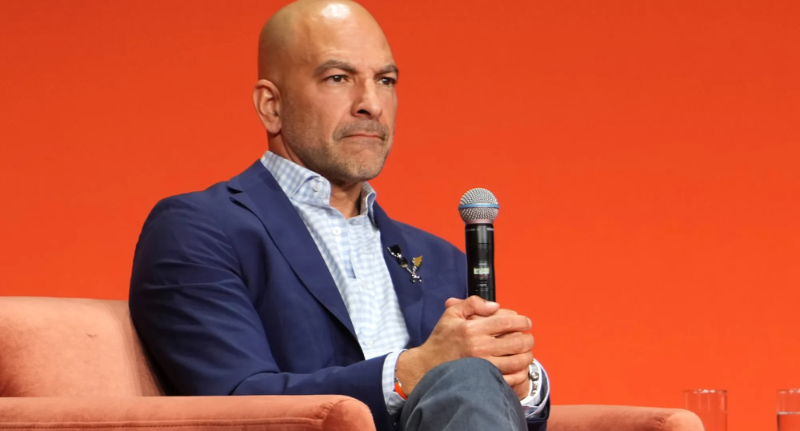
Longevity ‘guru’ Dr Peter Attia has resigned as a contributor to CBS News, just before emails between him and convicted sex offender Jeffrey Epstein were noted in the Epstein files, reports The Hollywood Reporter.
CBS News staff were informed on Monday that Attia told CBS that he would be resigning effective immediately.
The timing of the resignation is just before it was revealed that there are about 1700 mentions of Attia’s name in the three million Epstein files the US Department of Justice released in January.
Controversial CBS News editor-in-chief Bari Weiss brought Attia on as part of her overhaul of the network news division, seeking to diversify CBS’ linear and digital coverage.
Peter Attia resigns from CBS news
Shortly after that announcement, however, the DOJ released further exchanges of “crude banter”. CBS subsequently pulled a rerun of a 60 Minutes segment that featured Attia.
Attia informed his team and patients:
“I apologise and regret putting myself in a position where emails, some of them embarrassing, tasteless, and indefensible, are now public, and that is on me. I accept that reality and the humiliation that comes with it.”
The bulk of the emails between Attia and Epstein are from the mid-2010s – after Epstein was convicted (in 2008) on a Florida charge of soliciting prostitution from someone under 18, but before a 2018 Miami Herald exposé on a host of allegations against Epstein and his second arrest in 2019.
I interviewed ex-Duchess Sarah Ferguson. As a journo, it's a story I regret
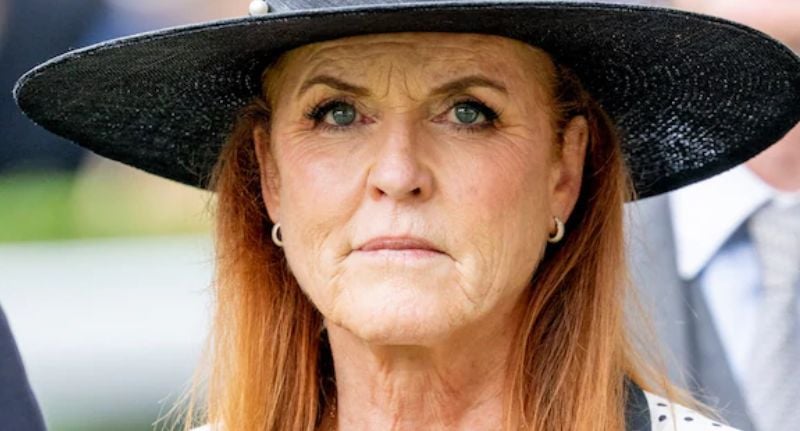
I once wrote a favourable story on Sarah Ferguson, the Duchess of York, and I’m feeling a tad queasy about it as a journalist.
Ironically, the story is called: The Duchess of York: ‘Don’t feel guilty for the choices you’ve made’.
I wish I could take that advice right now, because I’m not happy with the choice I made in November 2024 when I humanised her in an interview.
Sarah Ferguson and Jeffrey Epstein were close
My interview was a long time before the world learned just how close the former wife of the former Prince Andrew was with the convicted sex offender Jeffrey Epstein.
But now, thanks to the Epstein files – 30 million documents the US Department of Justice released on January 30, bringing down a pack of high-profile names, which includes emails reportedly showing Ferguson asking Epstein for financial assistance – there’s really no grey area nor redemption for her.
In one 2010 message, the mother-of-two asked Epstein to hire her as his “house assistant”, writing: “I am the most capable and desperately need the money. Please Jeffrey think about it.”
In another exchange, she asked whether she could borrow “$50 or 100,000 US dollars to help get through the small bills.”
To Ferguson, Epstein was the “brother I have always wished for.” She also told him, “I am at your service. Just marry me”, according to emails from “Sarah”.
I cast no judgment on the woman’s hustle. There is no shame in being a cash-strapped, outrageously privileged person.
But it’s becoming clearer that anyone closely associated with Epstein is most likely of suspect character and a holder of dubious secrets – just like Ferguson’s husband, the utterly disgraced Andrew Mountbatten-Windsor, whom she was still sharing a mansion with until recently.
More discrediting is that, according to the files, Ferguson appears to have taken her daughters, then aged 20 and 19, to visit Epstein in the US the week after he was released from prison in 2009 for soliciting and procuring a minor for prostitution.
Reuters reports that several charities had already cut ties with her in September 2025, after a previous tranche of files showed she maintained her friendship with Epstein despite his conviction.
I forgave Sarah Ferguson for two major mistakes
This is why, when I think of my interview, I cringe. But this is how I came to do: Ferguson was in Australia to spruik her latest children’s book, and her PR offered me an interview.
Being a long-time follower of royal gossip (it’s a ’90s tabloid thing), I leapt at the chance. I knew exactly what my angle would be. Firstly, I needed it to be unique, as so much has been written about her. Secondly, it needed to be relatable to our audience of mostly Aussie mums, many of whom are single mums.
Being a sole parent myself, I thought I could make this extraordinarily privileged woman somehow relatable to our readers.
So, I forgave her for the 2010 scandal when she was set up by a tabloid for offering access to her ex-husband for money. She had apologised for her “serious lapse in judgement” at the time.
I even accepted her 2011 acknowledgment when she described her involvement with Epstein as a “gigantic error of judgment on my behalf”, in an interview with the London Evening Standard.
But…now we know that in private, the relationship continued, with emails showing her denying to Epstein that said “paedophilia” in the interview.
“As you know, I did not, absolutely not, say the ‘P word’ about you, but understand it was reported that I did,” she wrote.
“I know you feel hellaciously let down by me. You have always been a steadfast, generous and supreme friend to my family and me.”
Fergie, you’ve ‘hellaciously’ let me down, too.
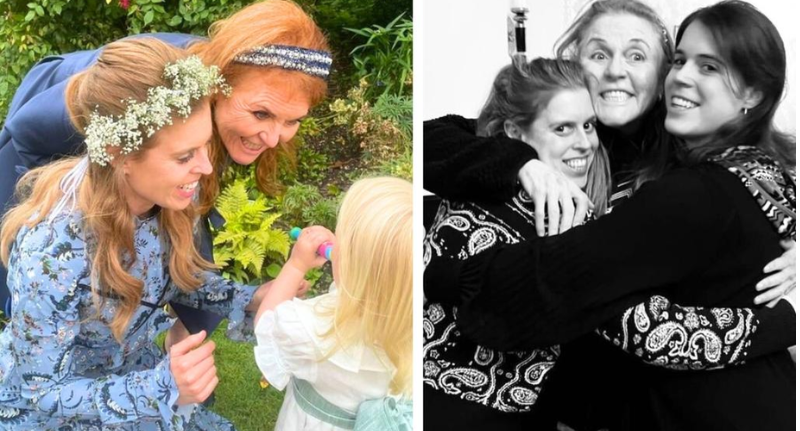
The Instagram photos I used with permission from the Duchess for my original story.
‘Was I wrong, or just doing my job?’
But back in November 204, I forged ahead with the interview, and I wrote:
“She describes herself on her Instagram as, ‘Mum, Granny, Bestselling Author, Creative Founder of Sarah’s Trust’. The Duchess is also a cancer survivor twice over. She’s a former daughter-in-law of Queen Elizabeth II – and inheritor of her beloved corgis.
“But she’s also something that’s not often directly talked about: a single mum.”
Erm, and besties with a billionaire sex offender.
Although my tone borders on flippant in this story, you should know that’s how I generally deal with trauma. Because I am indeed traumatised by what we now know about Fergusson.
For yet another example: we know she told him her daughter was on a “shagging weekend” in a nauseating email.
As more and more suspicious behaviour from high-profile names comes out, it’s difficult not to feel that I wish I’d never been part of the sordid saga, promoting anyone in even in the smallest way.
But at the time…I was ‘just doing my job’ (as too many unethical people say, right?).
I know I’m most certainly not the only journo who’s interviewed a dodgy character whom the world once thought was harmless, albeit a tad suss.
It’s made me wonder; have others who’ve perhaps interviewed the likes of Bill Cosby, Diddy, or Russell Brand, felt the same way?
Or am I over-thinking this?
Sarah Ferguson’s advice for single mums haunts me
The then-duchess told me what I thought at the time sounded like a nice, almost down-to-earth, message for mums in the trenches.
She said:
“The problem is that nobody tells you is that your dreams have to be put on the backburner, as you have now taken on a new role of 24/7 CEO of the House. So you are in charge of the household office.
“If you have a dream to write a book, or immerse yourself in handicrafts or painting, start a new career, return to your career or whatever it may be, you have the ability to pull in help, to give you the time.
“The trick is not to feel guilty for the choice you have made for yourself. They always say on the aeroplane, you must put the oxygen mask on yourself first before helping others.”
Or, just ask a criminal billionaire to cut you a cheque.
'A major opportunity': Inside JB Hi-Fi’s retail media takeover
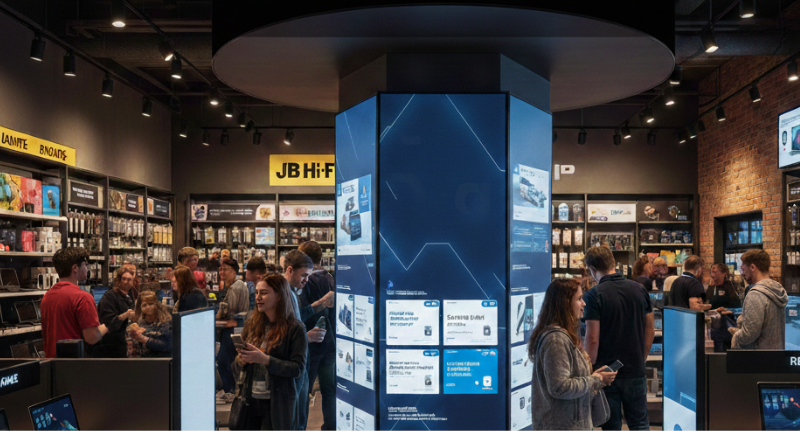
JB Hi-Fi has entered its second phase in retail media, partnering with Criteo to launch what is being positioned as Australia’s first dedicated consumer electronics retail media network.
The consumer electronics giant first announced its exclusive alliance with Retail MediaWorks back in February, opening up the enormous omnichannel footprint to advertisers.
The move expands premium onsite advertising access for brands and agencies and signals further diversification of the local retail media market beyond its grocery and FMCG stronghold.
Under the agreement, JB Hi-Fi’s onsite Sponsored Products will be powered by Criteo’s retail media technology and activated through its Commerce Max platform. Advertisers will be able to reach high-intent shoppers across JB Hi-Fi’s owned-and-operated digital environments, including Product Listing Pages and Product Detail Pages.
Expanding retail media beyond grocery
JB Hi-Fi’s Director of Marketing and eCommerce, Gary Siewert, said retail media is increasingly central to how brands engage customers.
Advertiser-managed retail media is increasingly important in how brands engage customers during moments of active consideration. Partnering with Criteo allows us to deliver a high-quality, onsite advertising experience that is relevant for shoppers and valuable for brand partners, supported by proven technology and demand expertise,” he said.
The initial rollout will focus on Sponsored Products placements, with additional formats such as display advertising under consideration for future phases.
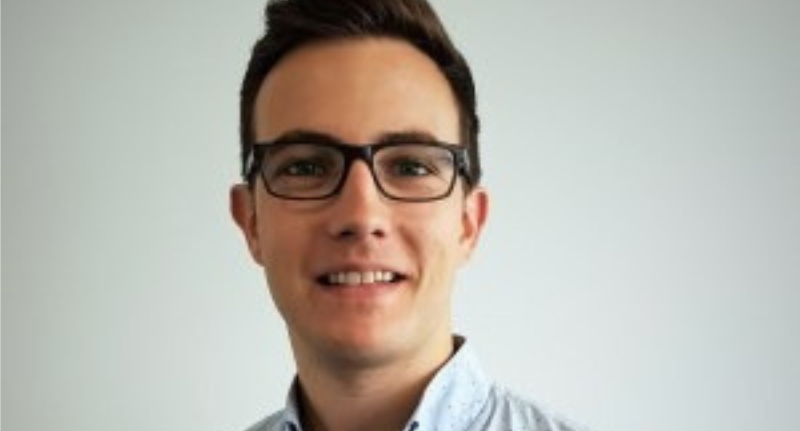
Guillaume du Pont
Why electronics and why now?
For Criteo, the partnership extends its Australian footprint beyond traditional CPG categories and further embeds its strategy of working with large enterprise retailers.
Guillaume du Pont, Head of Monetisation, Retail Media at Criteo, told Mediaweek that the deal reflects a broader shift in the local market.
“The partnership is a continuation of the momentum we’ve built in Australia over the past three to four years. More retailers are recognising the opportunity to launch retail media networks, connect brands to consumers at the point of purchase, and enhance the shopping experience,” he said.
However, he added that conditions have shifted.
“Once retail media arrives in the category, it becomes a major opportunity. JB Hi-Fi is one of the most visited consumer electronics retailers in Australia, so for brands it presents a powerful way to drive cost efficiency across digital and overall marketing investments.”
Du Pont also pointed to evolving shopper behaviour due to AI adoption and frequent device updates.
“AI capabilities require more advanced hardware, making this a prime moment for consumer electronics brands to capitalise on retail media,” he said.
‘Data is foundational’
As with other retail media networks, data and measurement sit at the centre of advertising opportunities.
“Data is the underlying foundation of any advertising opportunity,” du Pont said. “We’re here to really make the retailer’s data shine and work in different ways.”
He explained that the goal is twofold: “One, to enhance the shopper experience. Two, to allow brands and agencies to really drive outcomes.”
In a high-consideration category such as electronics, visibility during research and comparison is critical. “There’s a high level of research that goes into purchasing consumer electronics devices,” Du Pont said.
“If you’re not positioned in the first two or three rows, then you miss that opportunity to be represented to the consumer in their path to purchase.”
“Through our measurement capabilities, we’re able to tie ad interactions back to a transaction and ensure the marketing investment goes back to a return on ad spend or ROI,” he said.
Top Image: AI-generated
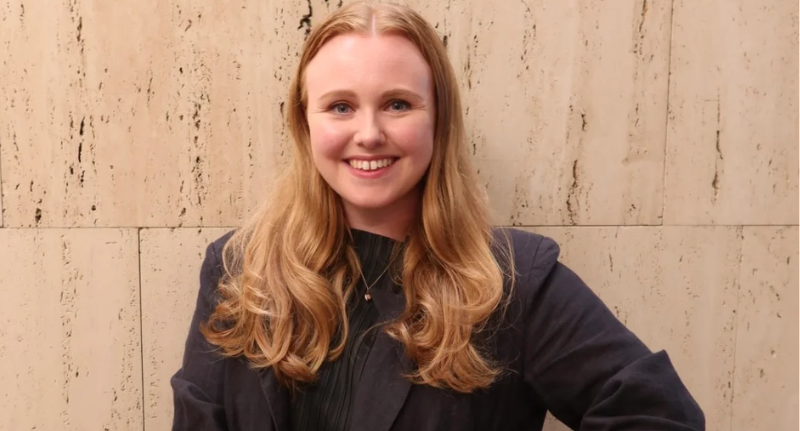
M+C Saatchi taps Sophie Gallagher as Group Strategy Director
M+C Saatchi has appointed award-winning strategist Sophie Gallagher as Group Strategy Director.
Gallagher joins the agency to spearhead its Connections Strategy proposition, with a remit to better align media and creative to deliver cultural impact and measurable business outcomes across the client portfolio.
Gallagher’s decade plus exeriences
Gallagher brings more than a decade of experience spanning journalism, publishing, in-house client roles and full-service agencies.
Throughout her career, she has worked with brands including Samsung, Compare Club, Universal, Sony, Audi, LVMH, The University of Sydney and Ingham’s.
Her work has been recognised at Cannes Lions, Effies, Spikes, AWARD, AGDA and the MFA Awards.
Most recently, she served as Strategy Director at Clemenger BBDO, following earlier roles at Slingshot Media Ventures and News Corp.
In her new position, Gallagher will focus on embedding connection planning at the heart of campaign development, ensuring media and creative operate seamlessly to influence audiences and drive commercial growth.
Gallagher said she was excited to join an agency with a strong legacy in shaping Australian brand culture, noting the increasing need for deeper integration between media and creative disciplines.
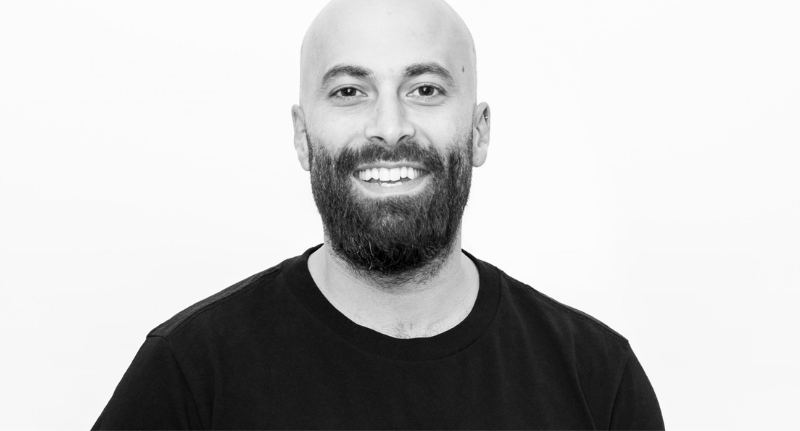
Image: M&C Saatchi Group
Strengthening the strategy bench
M+C Saatchi Group Chief Strategy Officer Simon Wassef described Gallagher as one of the market’s leading connections strategists, highlighting her ability to balance ambitious thinking with pragmatic delivery.
“She’s chosen M+C as the place to wield her talent, elevate our work, push the industry forward and help our clients grow. Let’s enjoy the show,” Wassef said.
Beyond her agency work, Gallagher is active in industry mentorship and talent development.
She leads Assisterhood NSW, a mentorship program supporting underrepresented communications professionals, and has grown mentor participation by 42% year-on-year.
Top Image: Sophie Gallagher. Source: M+C Saatchi
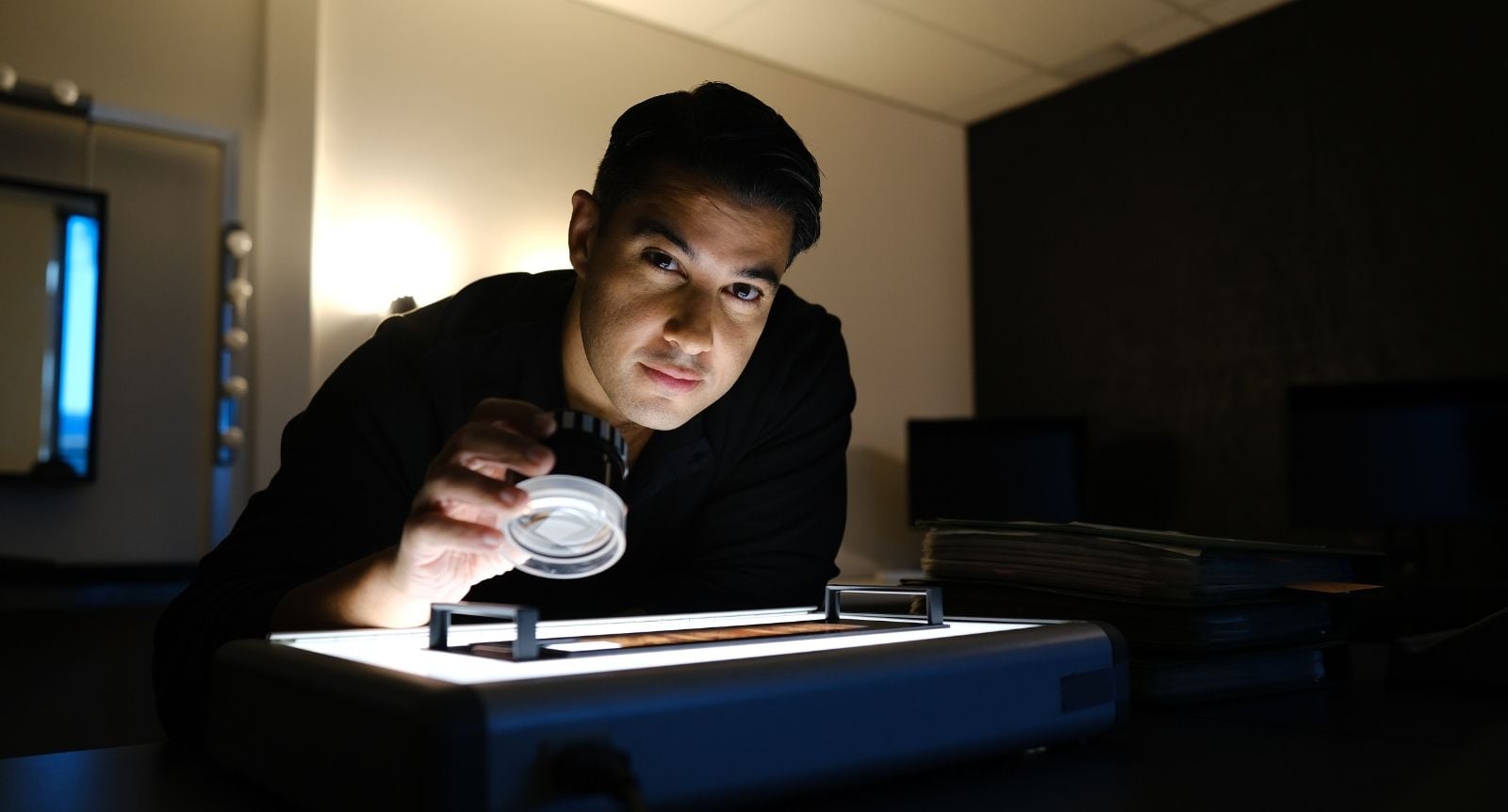
Marc Fennell’s latest investigation: Australia's Greatest Conman?
Marc Fennell has a knack for finding the stories that make you double-take. From art heists to stolen colonial artifacts, he has carved out a niche as Australia’s preeminent chronicler of the weird and the wealthy.
His latest project, Australia’s Greatest Conman, dives into the surreal world of John Friedrich and the National Safety Council.
Marc joined Mediaweek’s Newsmakers to talk behind the scenes on the doco series that investigates Australia’s biggest fraudster. A guy who built a private counter-terrorism base, gave helicopter lifts to Bob Hawke, and was awarded an Order of Australia.
And he paid for absolutely none of it.
The mystery of the man
Mediaweek: Marc, first off, I just want to say that I cannot believe that there isn’t more about this guy out there in the media.
Marc Fennell: Neither could we. To be absolutely honest with you, that formed the starting point. There was a team of us in the docs unit, and we have made five or six different films and series. I think because of that, true crime stories tend to find me a lot.
And as we got into it, the mystery really became the man himself. He is an unusual conman. Most conmen acquire money for themselves. He didn’t. He acquired money to run Australia’s very own Thunderbirds. As conmen go, he is definitely a strange one, and it added an extra dimension to the scale of the fraud.
If this had happened in another country, three movies would already exist about it. We are very good at producing a lot of factual content in this country, but if we do not tell these wild stories about Australians, no one else will. Every once in a while, you come across a story that just wouldn’t have happened anywhere else.
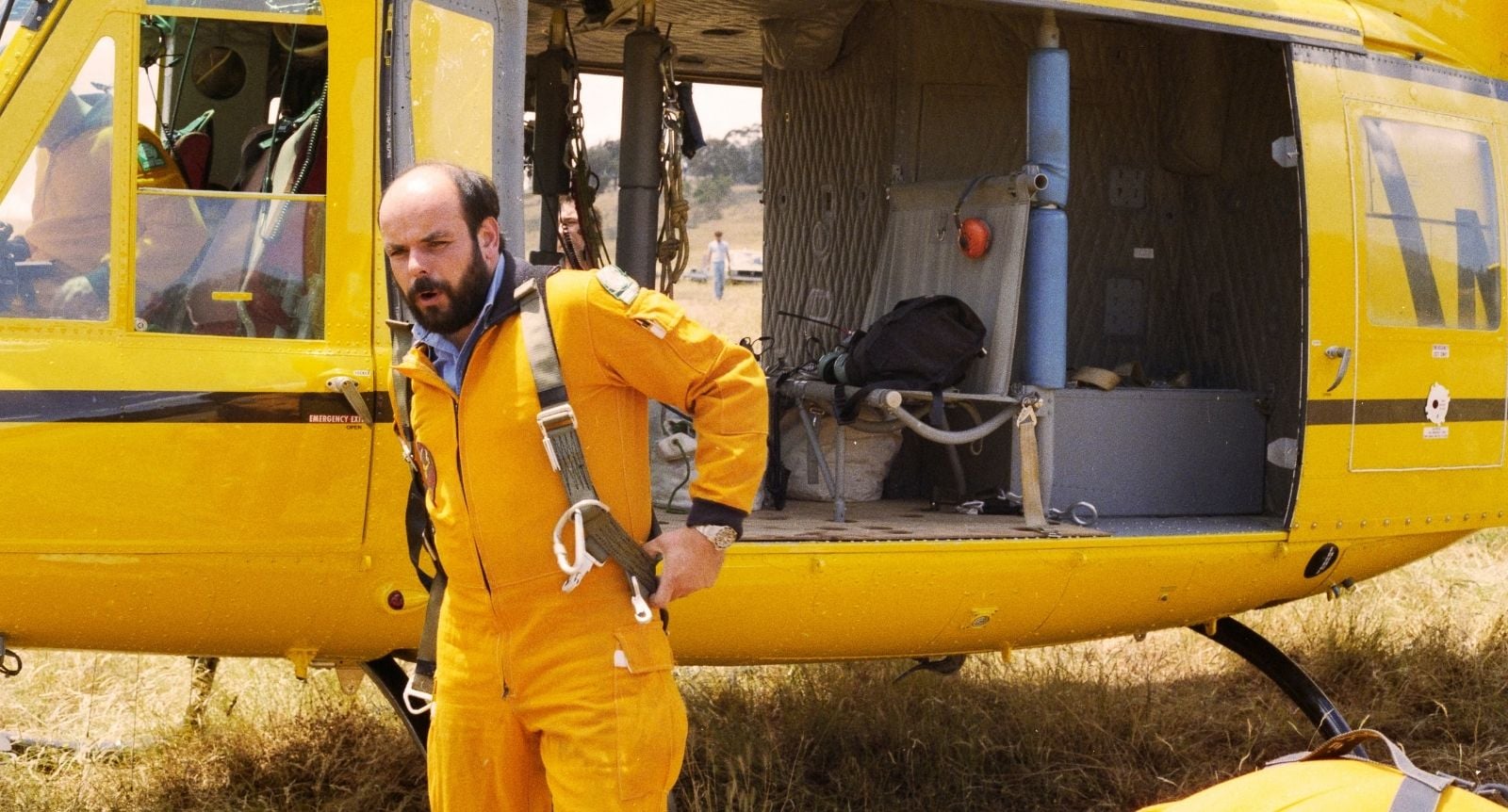
John Friedrich (pictured) was rarely photographed but his National Safety Council was well documented. Image: supplied
The gray area
MW: I feel like there is a bit of Robin Hood action going on here. He largely steals from banks and uses the cash to create an agency to save people. What do you make of that?
MF: It is interesting. His lawyer maintains that as he marched into court, one of the few times he saw the inside of a court, people cheered him. Now, I can’t independently verify whether that is actually true, but the idea of him ripping off banks to run an elite search-and-rescue unit is sort of intriguing.
But at the same time, when it collapsed, it also absolutely destroyed people’s lives. He certainly had a force of charisma about him, but I also think lots of people found him quite intimidating, too. One of the reasons I am so intrigued about this particular story is that it is all grey area, all the time.
The in-house production model
MW: Tell us about the setup… an in-house production unit attached to news that delivers high-end docos.
MF: We’ve run this unit since 2022, and originally we came from news, but we’ve now moved into the broader content division.
There is a particular kind of story that works well for programs that require shooting over a long period. Convincing people to talk can take time, so you’ll shoot a block here, a block there, and you can actually spread it out over time. Having an internal team that can work on multiple projects at once increases efficiency.
MW: Does this model allow you to spend a bit more cash on things you wouldn’t typically be able to spend money on? I noticed you used some big published music. There’s some Rolling Stones and some INXS in there!
MF: SBS has an APRA deal that they negotiated, so we basically benefit from that. If we operated as an external production company, you would be licensing those songs individually, and by and large, you just wouldn’t use them.
Another really subtle thing is that, as a larger news organisation, you have cadets and people early in their careers coming through, which creates an opportunity for them to work on a long-form documentary.
Boys with toys
MW: I loved the visual aesthetic, specifically the use of models and toys to represent all of the gear. Where did that come from?
MF: People kept referring to the National Safety Council as ‘John’s playground’ or that ‘we were his playthings’ and ‘boys with toys.’ Corrin Grant, the director, called me and said, “I have this idea. What if we use toys, models?” My initial thought was, “This story ends in death. Are we trivialising it?”

Marc Fennell with some of the models used to tell the story. Image: supplied
The original idea was to keep it as a very subtle visual cue using probe lenses. The clincher was finding a company that was game for the idea of recreating Gippsland in model form.
I think that every time you do one of these series, you do need to ask, “What is our little bit of visual invention?” You have to have an artistic reason for it, and Corrin identified that recurring phrase regarding the playthings of John Friedrich. I like that it is distinctive.
MW: You had some heavy-hitter journalists like Hugh Riminton and Kerry O’Brien in the mix?
MF: I didn’t realise how frustrated he was by this story. To have Kerry O’Brien say, ‘This is the most frustrating story I’ve ever worked on,’ is like, okay, well, clearly we’re onto something here.
For him and many others involved, there was a really profound sense that this story was left unfinished. With John Friedrich’s passing, it was like the whole thing disappeared rather than ended.
Veneer of respectability
MW: Do you think that just because of the nature of what John Friedrich did, you know- the glossy planes and choppers, that no one really looked under the hood?
MF: There are a few things. One is the veneer of respectability. He called it the National Safety Council. It sounds like a government organisation. Then he was very good at aligning himself with people in respectable positions of power.
I mean, the guy had an Order of Australia.

The National Safety Council was prepared for any disaster. Image: supplied
He gave Bob Hawke chopper lifts. His proximity to respectability and power proved crucial to the whole thing. They did a good thing essentially, and who wants to take too close a look at that?
MW: He had a lot of front, didn’t he? He has an incredible ability to convince banks that his business is legitimate.
MF: Yeah, he would fly around and point out to the bankers, “we’ve got all these containers filled with equipment”, but then he’d say, “Oh, we couldn’t possibly land. I couldn’t possibly open them up. Bad weather and all.”
Somehow, they all just bought it
MF: There’s this amazing moment at the end when it all fell apart. The story goes that there’s a whole bunch of bank managers standing around a chopper saying, “Well, I paid for this.” “No, I paid for this.” “I paid for this.” And so on.
Actually, they all paid for it. But there’s only one chopper.
You don’t get that confident without having a few runs on the board.
Australia’s Greatest Conman premieres on February 24th at 8:30pm on SBS and SBS On Demand.
Featured image- Marc Fennell on set: supplied
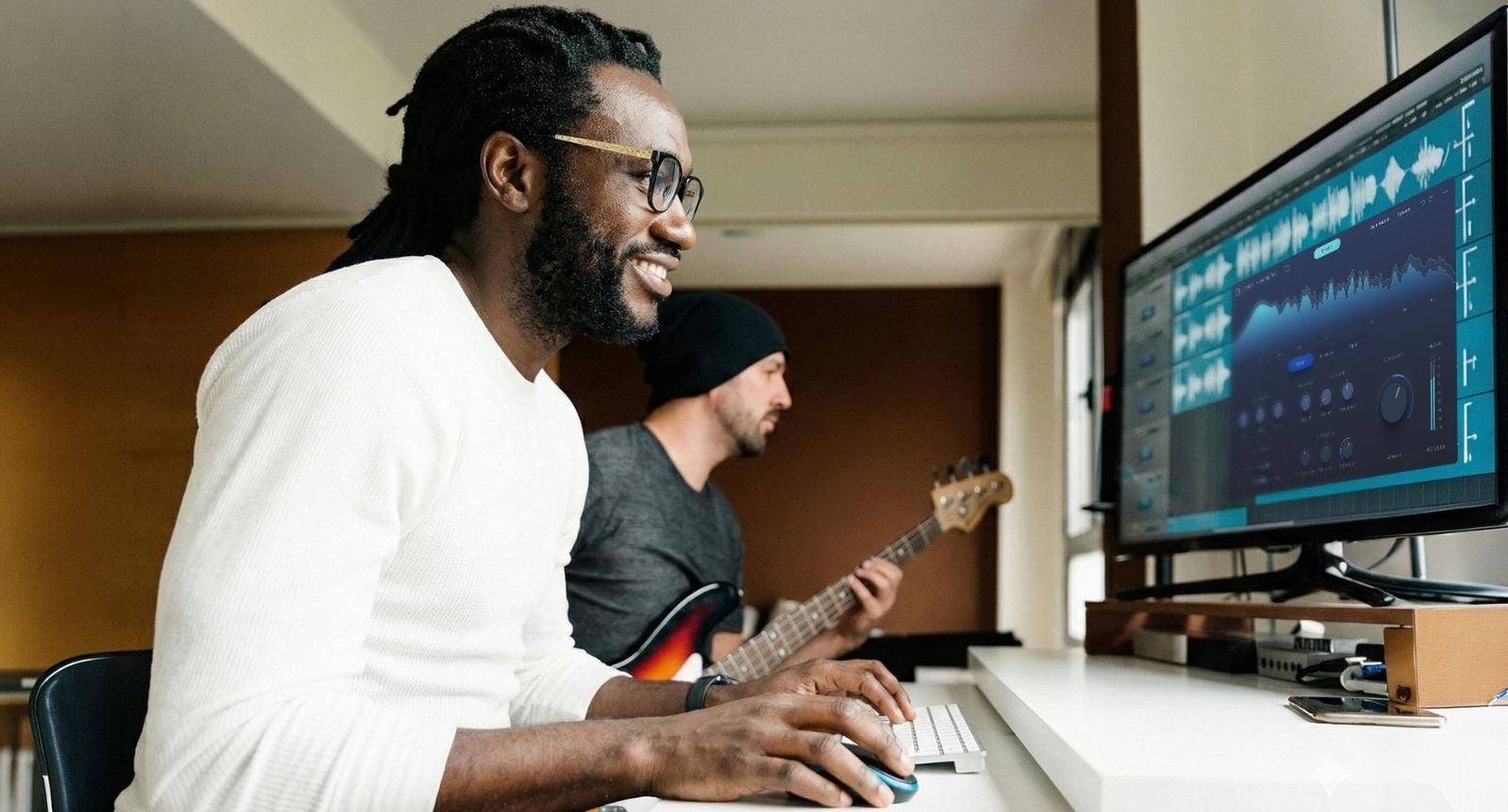
Best AI tools for musicians in 2026
This is a sponsored post
Musicians today juggle recording, editing, mixing, promoting, and staying creative, all at once. Frankly, it’s easy to lose hours jumping between apps that promise to “simplify” your workflow while doing the exact opposite.
That’s where AI music tools come in. These software platforms use machine learning to analyse audio, suggest improvements, or generate content. In simple terms, they learn from large amounts of music data and use that knowledge to assist with production tasks.
When you use them well, AI music tools free up time and reduce friction, so you can focus on the creative work that actually matters. In this guide, we break down the most useful AI-powered music platforms worth your consideration.
Key features musicians should look for
Ease of use: The interface requires clarity. You should not need hours of setup or technical knowledge.
Sound quality: Output must meet professional standards. Quality remains critical, especially for mixing and mastering.
Compatibility: The tool needs to work with your DAW and file formats. Plugin support matters.
Automation: Look for tools that reduce repetitive tasks without stealing your creative control.
Cost: Subscription or one-time pricing should match your budget and usage level.
Integration: Platforms that connect to distribution, collaboration, or publishing services simplify your process.
Every musician’s needs differ. A bedroom producer might prioritise automation and affordability. A touring artist might focus on mastering quality and release speed.
Top AI music tools to consider
Musicians regularly use these leading AI music tools:
1. LANDR Mastering Plugin
LANDR Mastering Plugin focuses on one core task: delivering polished, release-ready masters directly inside your DAW.
Its main strengths include:
- AI-powered mastering that adapts to your track’s genre and dynamics
- Real-time processing inside your session
- Multiple mastering styles for different sonic goals
- Fast turnaround without exporting and re-uploading files
Musicians who release music frequently and need consistent sound quality without hiring an external engineer every time find it especially useful. LANDR also integrates with distribution and other production tools, which helps streamline the path from final mix to release.
Expanding your AI toolkit
2. BandLab SongStarter
BandLab’s SongStarter generates musical ideas based on selected moods or genres. Writers experiencing creative blocks find it incredibly helpful. Instead of building from silence, you can start with a structured idea and customize it.
3. Soundraw
Soundraw targets artists who want customizable, AI-generated music quickly. Users select a genre, mood, tempo, and length, and the platform generates full instrumental tracks that you can edit section by section. Creators producing background music, demos, or content-ready tracks find this highly useful.
4. iZotope Ozone
Ozone uses AI-assisted mastering suggestions to guide users toward balanced EQ, compression, and limiting settings. Producers who want both automation and manual control widely use this suite. The interface provides visual feedback, which helps users understand the exact adjustments the software makes.
5. Moises
Moises specialises in stem separation. It splits vocals and instruments from a mixed track. Producers rely on this for remixing, sampling, or cleaning up recordings.
How to choose the right AI music tool for your workflow
Moises also offers tempo control, pitch shifting, and chord detection. Artists learning covers, rehearsing live sets, or preparing remixes save valuable time with these features.
Start by identifying your main bottleneck. Do you struggle most with mixing, mastering, songwriting, or promotion?
If mastering feels slow or expensive, the LANDR Mastering plugin offers a streamlined alternative. Inside your DAW, you can get release-ready masters in minutes, at a fraction of the cost of traditional mastering. Add in LANDR’s distribution and creative tools, and you have an affordable, end-to-end platform designed for modern independent artists.
Next, consider your genre. Electronic producers might prioritise stem separation and mastering tools, while songwriters and composers often benefit more from idea generators.
Final thoughts on integrating AI
Budget matters too. Choose a plan that aligns with your needs and how often you release music. Whenever possible, test the software before committing. Most platforms offer trial periods, so we recommend you use them to see if the tool fits naturally into your workflow.
Skill level represents another factor. Beginners often benefit from guided automation, while advanced users usually prefer tools that allow deeper customisation.
AI will not replace creativity. But when you use these tools strategically, they remove technical friction and give musicians something more valuable than shortcuts: time.
Feature image: Supplied