
Thursday April 2, 2026
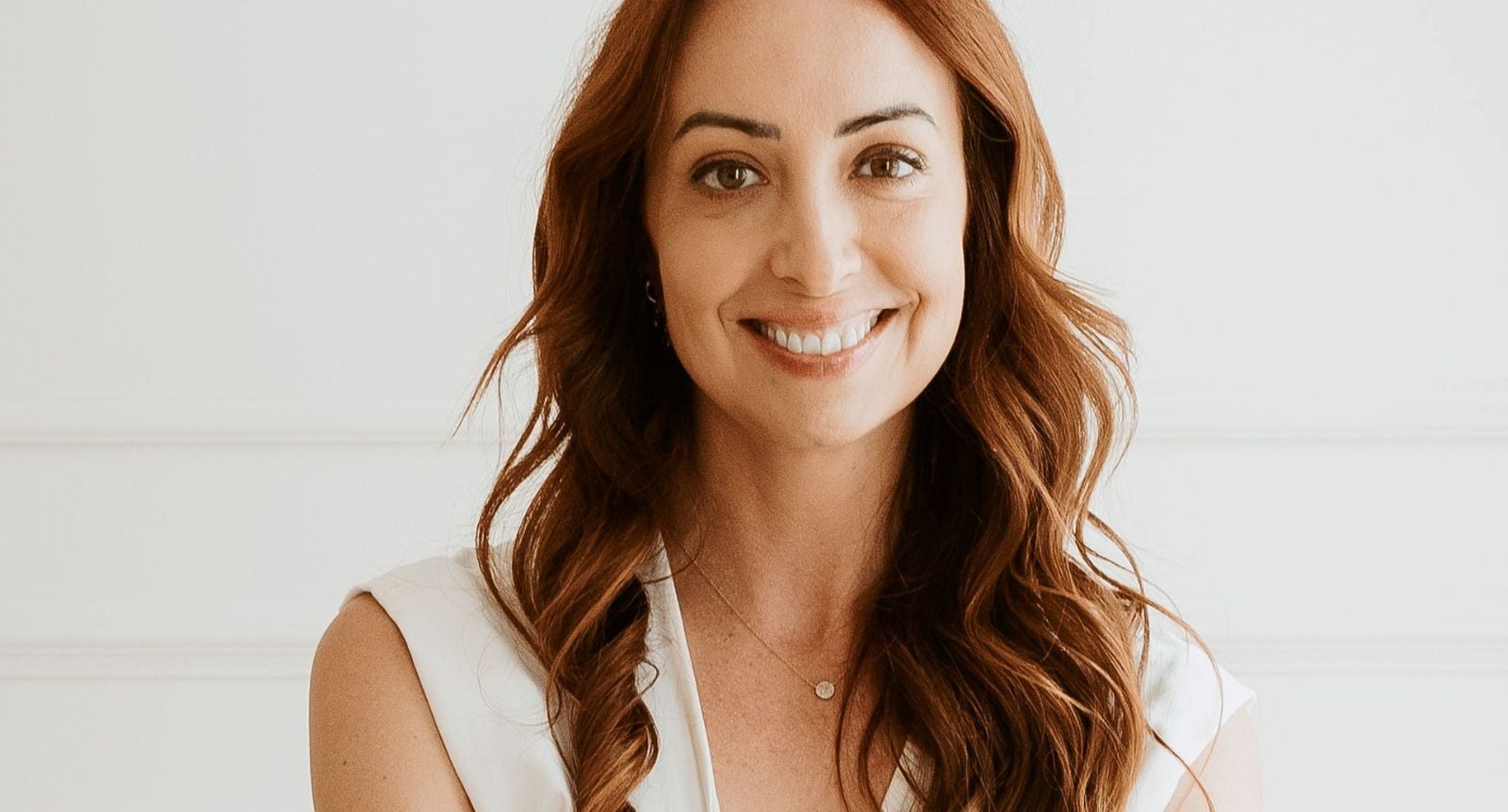
EXCLUSIVE: From the M5 to market: How Laura Bouchet sparked Triple M’s cheeky breakfast blitz
When it comes to brainstorming most big radio campaigns, or any ad campaign really, much is done to engineer the perfect conditions for creative thinking.
I’m talking about booking out the meeting room with a view, scheduling regular breaks, even ordering catering so the flow isn’t interrupted by something so primal as hunger.
However, if you’re Triple M’s content director, Laura Bouchet, all that’s required is a quick drive home on the M5.
That’s where the idea for Triple M’s breakfast show’s mischievously cheeky new TVC came to life, a creative that leans directly into the chaos currently reshaping Sydney’s radio breakfast market.
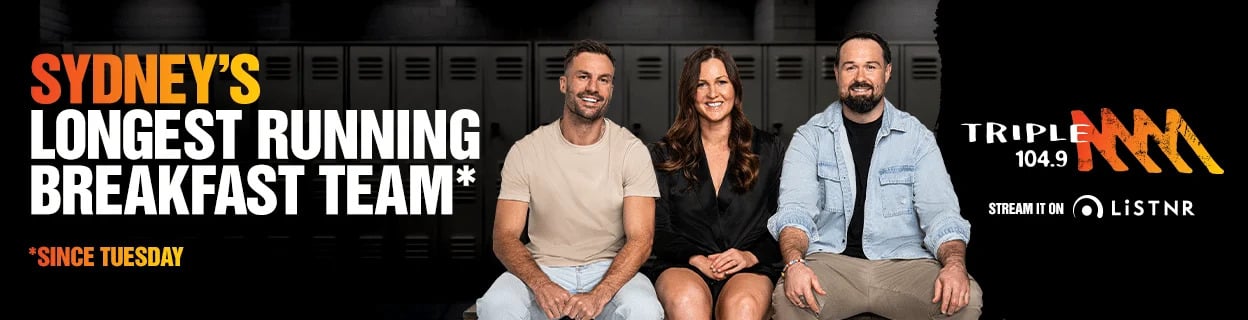
Triple M Sydney’s cheeky billboard campaign
The spot forms part of a broader campaign extension for Beau, Cat & Woodsy, positioning the trio as Sydney’s longest-running breakfast team following a wave of recent shake-ups across competing FM shows.
The campaign builds on activity first launched on 5 March, in the immediate aftermath of Kyle & Jackie O’s exit from Sydney mornings, when Triple M moved quickly with a reactive OOH push declaring the team “Sydney’s Longest Running Breakfast Team* Since Tuesday”, later updated to “Since Last Week”.
Now, that same tongue-in-cheek positioning carries through to screen, with a new TVC set in a satirical “War Room”, where the hosts plot against rival breakfast shows, only to realise many of them are no longer on air.
Mediaweek managed to catch up with Bouchet, who pulled over to take our phone call while driving down the, we kid you not, M5.
Mediaweek: How did you come up with the idea?
Laura Bouchet: So it actually started a couple of weeks earlier, before the Kyle and Jackie O news had come out.
We were talking in the studio because we were completely gobsmacked at everything that was going on in the Sydney Breakfast market, with all three big heritage shows disappearing from breakfast.
And we kind of went, oh my gosh, we’re actually Sydney’s longest-running breakfast team now. So that line just stuck with me; it felt like it captured the moment perfectly.
So at that time, I went straight to our production team and got it on the air pretty much immediately.
We spoke with network heads and the marketing team, and marketing turned around a billboard with that line within around 24 hours.
Then, when we had the TVC brainstorm, I kept coming back to wanting one simple cohesive campaign that we could use everywhere, on air, on socials, digital and TV.
I was driving on the M5 to work one morning, as I always do, and the guys had been talking about having a (Steve) Bradbury moment as Sydney’s longest-running breakfast team, and then it just clicked. I thought that was it, that’s the campaign.
So I literally voice-noted a rough script in the car and shot it straight through to the marketing team and the Triple M network heads, and they loved it.
It was filmed, turned around and on air within a week, which is pretty incredible.
MW: Usually, these kinds of things are created by ad agencies and the like – how did the team and the network react when you presented them your idea?
LB: I don’t come from an advertising background, but I think it’s actually sort of what helped us here. I know the breakfast show really well. I know the tone, and Triple M has a very specific tone. It’s cheeky. It’s irreverent. It’s a bit unpredictable, and I think sometimes that can be hard to manufacture externally.
MW: The Sydney Breakfast radio market is in a whirlwind at the moment. What’s the vibe like at Triple M?
LB: Really positive, and really driven. We’ve always been that way, though.
We’re always motivated and focused on winning in Sydney.
I think what’s changed for us is now we’ve got a really clear opportunity in front of us.
You know, Sydney Breakfast is the toughest market in the country, and those big shows have been around for decades, so we always knew it was going to be something we had to chip away at over time.
But right now, there’s obviously this once-in-a-lifetime moment where listeners are moving. They’re curious, and they’re sampling, and we’re working really hard to meet them.
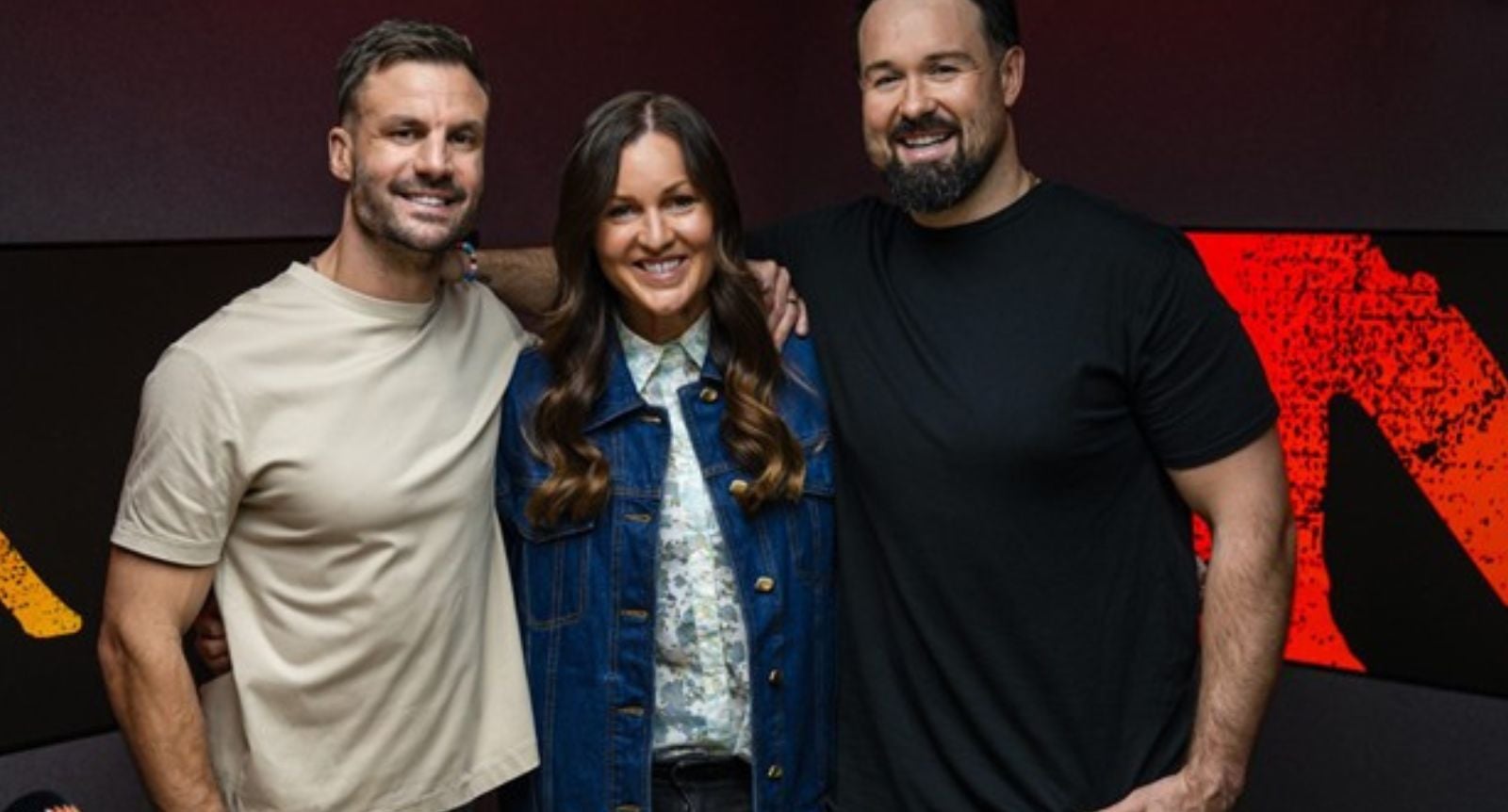
The team at Triple M Breakfast with Beau, Cat & Woodsy. Source: SCA
MW: Will you be changing anything to win over those listeners who are now looking for a new home?
LB: We’re not going to suddenly become something we’re not. You know, we’re not going to, you know, you’re not going to hear an overall KIIS-like music format on Triple M. Beau (Ryan) isn’t going to try and be Kyle (Sandilands). We’re still very much Triple M.
But what we are doing is we’re opening the door a bit more to listeners.
We’ve been running something on the air for the last few weeks called Triple M’s Test Drive, which involves inviting new listeners to come in, test-drive us, and then call us up to share their thoughts. We’re genuinely listening and actioning a lot of that feedback.
We’re just experimenting and having a bit of fun with it, but we’re staying true to who we are.
MW: What does 2026 have in store for the show?
LB: I guess it’s more of what people are responding to, only bigger. It’s already a pretty chaotic show, so more chaos, more laughs.
There are a lot of those unexpected moments that you can’t really plan, which is the magic of the show.
You’ll see a lot of them more out in Sydney. They did a lot of that last year and that’s going to continue. It’s really hard to confine them in a studio. They want to be out in the suburbs where they live, spending time with listeners. So there’ll be plenty of that.
Like I said, we are listening to what Sydney wants, and we’re going to meet them there. And that’s what we think will cut through.
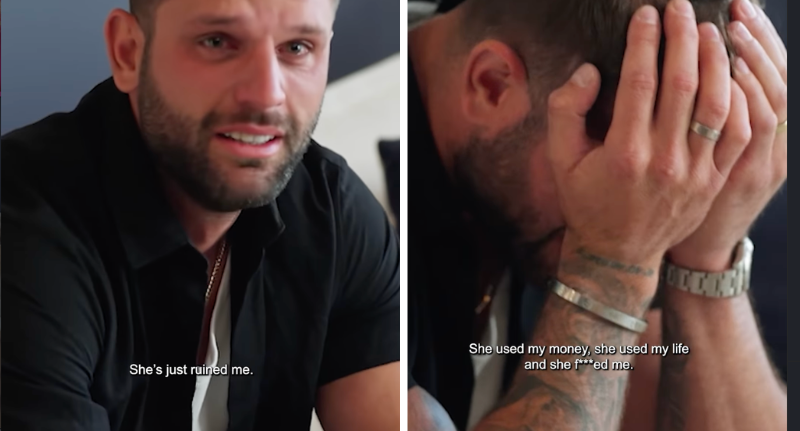
10 f-words in a row were aired on ‘MAFS’ – did it breach classifications?
Regular viewers of Married at First Sight will be familiar with the heavy profanity used by cast members on the show.
But on Tuesday, Nine chose to air 10 F-words in a row – with none of the usual censorship.
Groom Scott McCristal was shown video of his bride Gia Fleur meeting her ‘alternate match’…a male candidate supposedly recommended by the show’s experts. Watching the flirting, though, was too much for McCristal.
“I’m f***ing torn apart. I just got f***ed. I just got f***ed for three months. I just got f***ed,” he cried – with no ‘bleeping’.
“She just used me. She used my money. She used my life and she f***ed me. She f***ed me up. Holy f***!
“I’m done, I’m done, I’m done! I just want to run away. I’m done. I just want to go home and live my life!
“I don’t give a f*** anymore. She just broke my heart completely.
“Holy f***. She just f***ed me up. She just ruined me.
“And this happens to me with everyone. They just use me. They use me. The more money I make the more used I get because I give so much to them. I give people so much and they just use me because they know I’m too easy to win.
“I’m never gonna let this happen again.”
View this post on Instagram
10 F-words in a row on MAFS
TV Tonight reports that Nine intentionally aired the scene uncensored.
“Nine and Endemol Shine Australia felt it showed his raw emotion and conveyed his storyline better uncensored.
“In its 7:30pm slot the show was classified as M, recommended for viewing only by persons aged 15 years or over. Coarse language is permitted but aggressive or strong coarse language should be infrequent overall. Impact must be moderate and all elements must be justified by context.”
But earlier in the show, the F-word was censored multiple times. TV Tonight says that was to keep the overall profanity-count for the episode down, and “because Nine prefers the show to maintain broad appeal. Scott’s meltdown was at the end of the episode, meaning there was less likelihood of audience outrage than if it occurred closer to 7:30pm.”
All those factors combined, meant it would run uncensored and still fall within its
That way, Nine was able to retain the M Classification for the episode at the time.
Yesterday a Nine spokesperson said, “In reference to last night’s episode, it met the M classification along with the consumer advice coarse language.”
A spokesperson on Thursday morning told Mediaweek:
“In reference to the episode, it met the M classification along with the consumer advice coarse language.”
Top Image: Scott loses it on MAFS. Image: Instagram
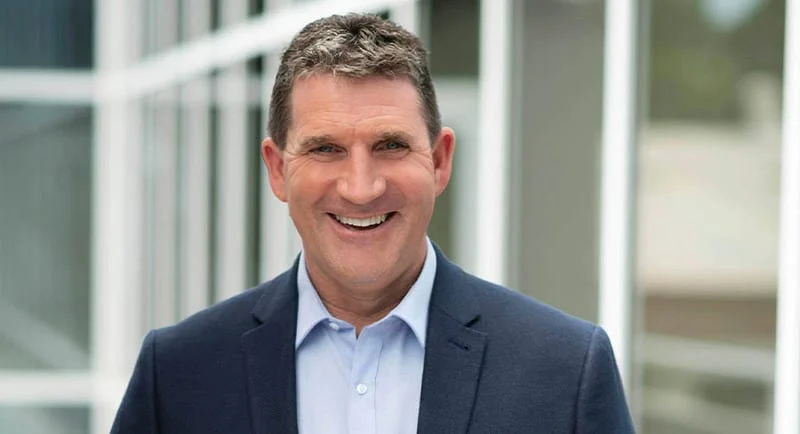
Ciaran Davis exits ARN with $2.17 million final pay
What did Ciaran Davis receive in his final year at ARN Media?
Well, according to the broadcaster’s 2025 annual report, the former chief executive was paid $2,167,689 after stepping down, up from $1,665,804 the year before.
The final remuneration included a significant termination payment, as Davis ended a 16-year run with the company. ARN’s board said he led the business through several major changes, including the launch of iHeartRadio, high-profile talent hires, and the sale of Adshel and the company’s stake in Soprano Design.
Davis also remains a substantial shareholder. According to the annual report, he holds 3,201,688 ARN shares, which were worth about $784,000 based on the last traded price of 24.5 cents.
ARN resets as revenue falls
ARN Media reported revenue of $285 million for the year to December, down 10 per cent. The company said the result reflected a difficult advertising market and changing expectations from marketers.
The broadcaster has since repositioned itself as an entertainment business with digital and radio at its core. Michael Stephenson, ARN Media chief executive and former chief operating officer, succeeded Davis in the top job.
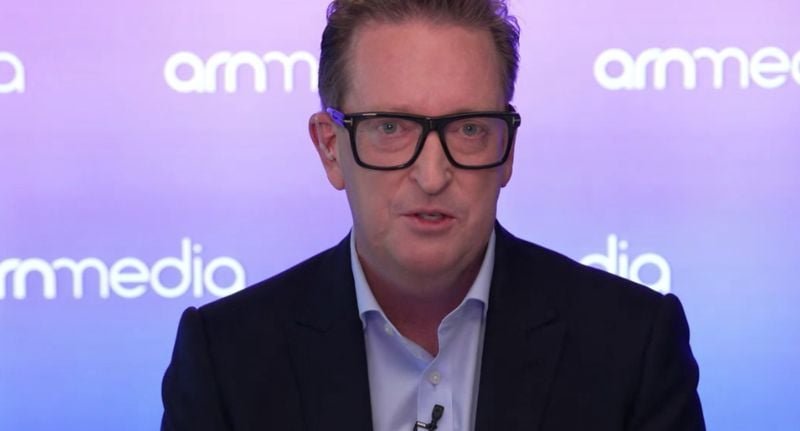
Michael Stephenson during the ARN earnings call. Source: ARN
Stephenson’s base salary is $1.1 million plus superannuation. His total potential earnings could rise materially through short and long-term incentives.
Before joining ARN, Stephenson was an executive at Nine. His remuneration there fell to $1,248,243 from $1,820,118 as bonuses were reduced amid softer market conditions.
Main image: Ciaran Davis
This is the best place to work in media and marketing according to AFR BOSS
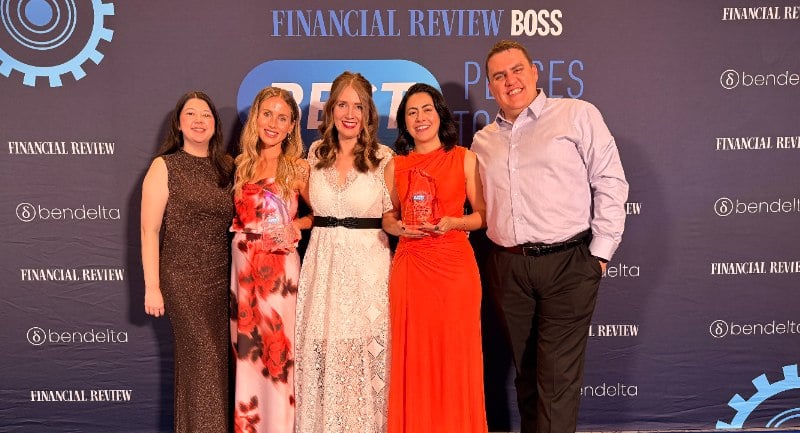
Equality Media + Marketing has won the 2026 AFR BOSS Best Places to Work media and marketing category, marking its third win in four years.
The Melbourne-based independent agency was also named Best Place to Work – Small Organisation in Australia, adding a second national title to this year’s result.
The win is likely to resonate across the agency sector because it comes as more businesses reassess workload, flexibility and retention in an industry long associated with long hours and burnout.
What Equality won
Equality previously won the media and marketing category in 2025 and 2023, and was recognised in 2024. It also picked up Most Outstanding Practice: Employee Flexibility in an earlier year.
This year’s dual recognition suggests the agency has been able to maintain its workplace model while growing its team and client base.
How the awards are assessed
According to the release, the AFR BOSS Best Places to Work awards assess organisations using workplace practices and independent employee survey results.
Equality said its latest result was underpinned by 100 per cent of employees reporting that they feel empowered to work in a way that suits their lives.
Agency points to a different model
Marilla Akkermans, founder and managing director of Equality Media + Marketing, said the result reflected a broader shift in agency culture.
“Three wins in four years is incredibly special, not just for us as a business, but for what it signals about where our industry is heading,” Akkermans said.
“There is still a perception that agency life has to mean long hours, burnout and constant trade-offs. But we are seeing more and more people question that, and ultimately walk away from models that are not sustainable.”
She said the agency had built its operating model around sustainable performance from the start.
“We have always believed that if you design work properly from the start, you can create an environment where people do the best work of their careers and build full lives outside of it,” Akkermans said.
“To see that recognised again at this level reinforces that a different way of working is not only possible, but already happening.”
Inside the agency’s workplace model
Founded in 2018, Equality now employs 30 people and works across property, retail and not-for-profit categories.
Its workplace model includes Equality Time, a four-day, full-pay 32-hour working week, alongside hybrid work arrangements.
The agency also offers Equality Care, a leave framework with 19 additional days covering areas including menopause, menstruation, mental health, pregnancy loss, pawternity and gender affirmation.
The business said those policies are designed to remove structural barriers, particularly for women and carers.
Nath and Emma lean into ‘kindness’ play as Sydney breakfast battle heats up
Have you ever heard the Aesop parable about the wind and the sun?
In it, the wind and the sun argue over who is stronger, settling it with a simple test: make a man take off his coat. The wind goes hard and fails. The sun takes a softer approach, and the coat comes off.
The takeaway is simple: Kindness always wins.
It’s a philosophy 2Day FM breakfast duo Nath and Emma (real names Nath Roye and Emma Chow) are holding onto, even as Sydney’s breakfast radio market enters one of its most unsettled periods in decades.
“Obviously, there’s been a lot of turmoil on Sydney Breakfast, but we never want to poke fun at other stations or other shows,” Roye told Mediaweek.
With Kyle and Jackie O listeners now up for grabs, the brains behind the shows across the board are doing their due diligence to find ways of luring new ears to their content.
It’s a sentiment the pair’s boss at SCA, Head of Content – Broadcast, Matthew O’Reilly, outlined to Mediaweek during our post-ratings chat late last month.
“From a 2DayFM point of view, it’s the first time in 25 years that the pop culture area is up for grabs, and we firmly want to win that at 2DayFM,” he said.
For Roye and Chow, that doesn’t mean going louder or sharper. It means going warmer.
A campaign built by Sydney, for Sydney
That thinking underpins their latest campaign, Nath & Emma & You, which flips the traditional radio marketing model on its head.
Rather than centring the hosts, it hands the spotlight to the audience.
“It’s not our ad in the slightest. And this is what makes it so unique and has never been done before. Because this ad has always been framed as being about Sydney and for Sydney. Starring Sydney. So this has been totally built by Sydney from the outset,” Roye said.
Developed on-air, the campaign invited listeners into the creative process, from casting through to final execution. What emerged is a series of documentary-style TVCs that capture everyday life across the city.
Emma said the intent was always to reframe what a breakfast show represents.
“We wanted to put a spotlight on the people who tune in to our show every day and keep doing so. I think every other radio station in the world makes it about the two people who are talking on the microphone. That’s not who it’s really about.”
Real stories, real places, real connection
The campaign moves through a cross-section of Sydney life, from a girls’ soccer club in Penrith to a basketball game in Kellyville, a barbershop in Bass Hill, a food challenge in Belfield and a family dinner in Constitution Hill.
“I think from the outset, for us, we really wanted this show to feel positive and like a big warm hug,” Chow said.
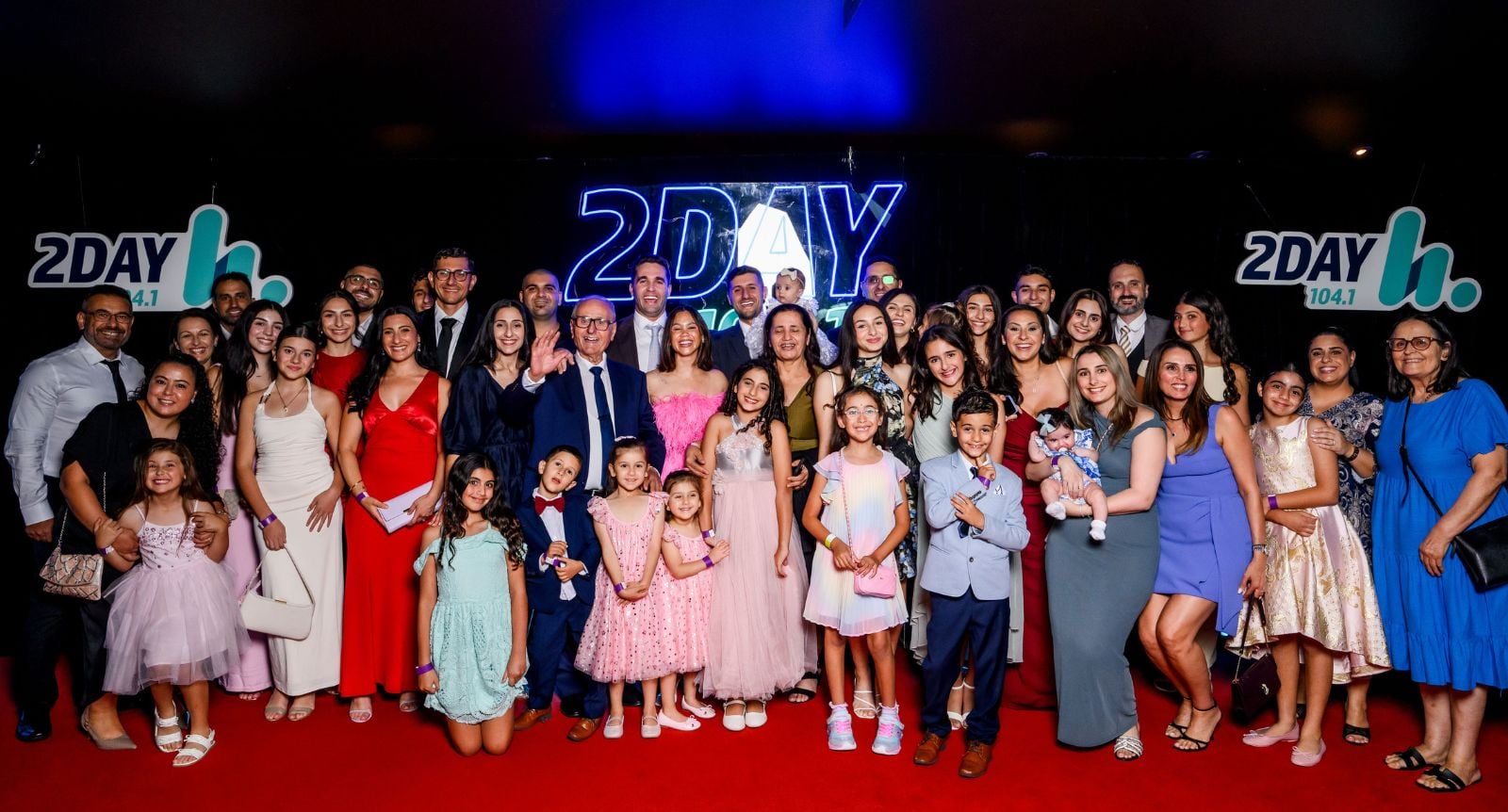
The campaign debuted at a listener-led event, ‘The People’s Premiere’, at Reading Cinemas Auburn, before rolling out nationally from 20 April across television, cinema, out-of-home, social and digital.
Creative and production were handled in-house by SCA and Seven West Media, with direction from Sam Power and Ben Fletcher.
For Chow, the campaign also reflects how they see their role behind the mic.
“We’re nearly vessels for our listeners to tell their amazing stories, because we’re really just like a platform to go, hey, this is what we’re talking about and bang. The phones light up, and they’re like, wait until you hear my story.”
Main image: Nath and Emma at the People’s Premiere.
Howatson+Company wins Grand Prix at OMA creative awards
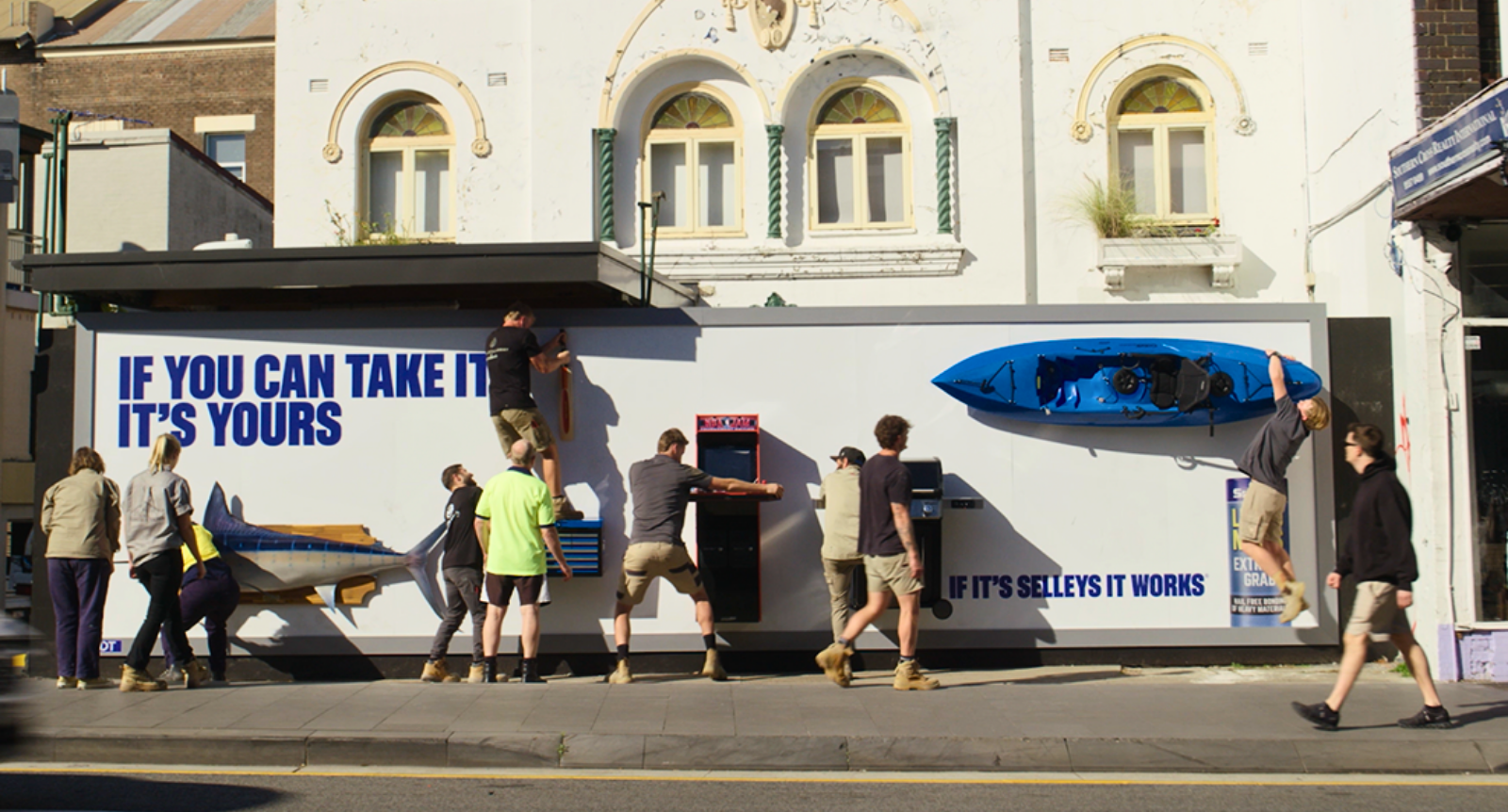
A billboard that challenged passersby to ‘rip off’ a 2.8-metre marlin has gone and glued down the Grand Prix at the 2025 OMA Creative Awards.
Howatson+Company took the top prize for its Selleys campaign, “If You Can Take It, It’s Yours,” during a celebratory industry lunch at the Centennial Homestead in Moore Park Wednesday.
The agency used Selleys Liquid Nails to attach a kayak, arcade machine, cricket bat, toolbox, and the aforementioned marlin to a Sydney roadside billboard. The creatives then issued a simple challenge: “If you can take it, it’s yours”.
Pedestrians, tradies, influencers, and even Australia’s second-strongest man tried and failed to remove the items.
The public’s failed attempts became viral social content. The campaign generated 47 million views while driving lifts in sales and brand awareness for the adhesive brand.
As a reward, the lead creative team will head to the 2026 Cannes Lions Festival of Creativity this June.
A masterclass in product demonstration
Charles Parry-Okeden, independent chair of the Outdoor Media Association (OMA), praised the campaign for using the unique characteristics of out of home to deliver a simple but clever idea.
“The Selleys campaign was a masterclass in product demonstration, public engagement, and the unique power of out of home. Congratulations to the winning team,” he said.
Elizabeth McIntyre, chief executive officer of the OMA, noted that this year’s winners reflect the industry’s appetite for boldness and experimentation.
“What we’re seeing from the industry is a deepening confidence in the creative potential of Out of Home,” she said. “The standard continues to rise, and today’s results highlight just how far the sector is pushing the boundaries”.
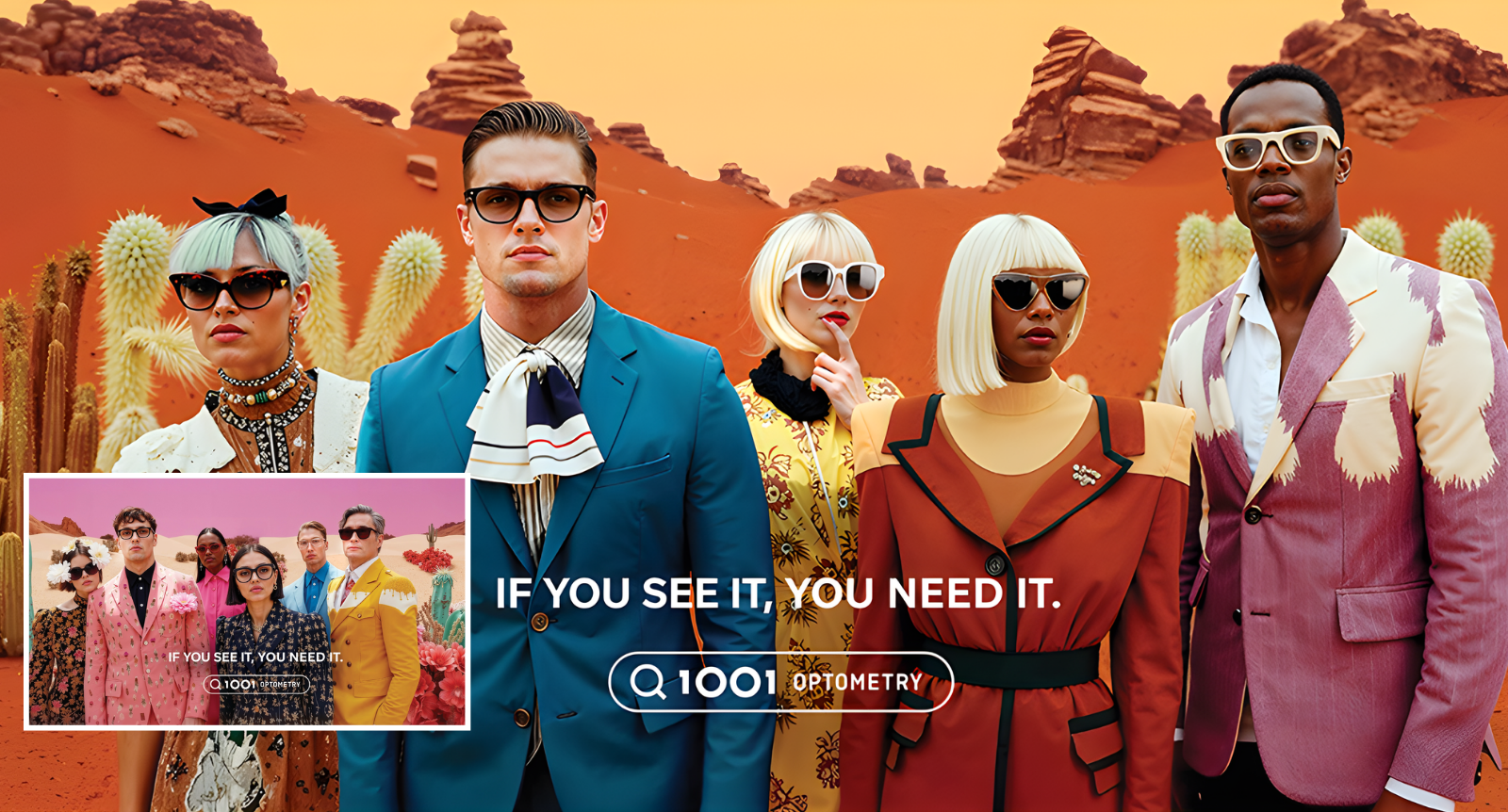
VML Australia used optical illusions, fine-tuned with artificial intelligence and optometrists, to turn transit posters into a diagnosis tool. Image: supplied
VML Australia sweeps three categories
VML Australia also emerged as a standout performer at the awards. The agency secured three category wins for “The Hidden Eye Test,” a campaign created for 1001 Optometry.
The team won Best Classic Campaign, Best Innovation or Sustainability Campaign, and Best Small Format Campaign.
The 1001 Optometry campaign used optical illusions, fine-tuned with artificial intelligence and optometrists, to turn classic transit posters into interactive diagnosis tools.
Now in their second year, the OMA Creative Awards celebrate the most innovative and impactful out of home advertising across Australia. A panel of senior creatives, marketers, and industry leaders selected the winners from entries across six categories.
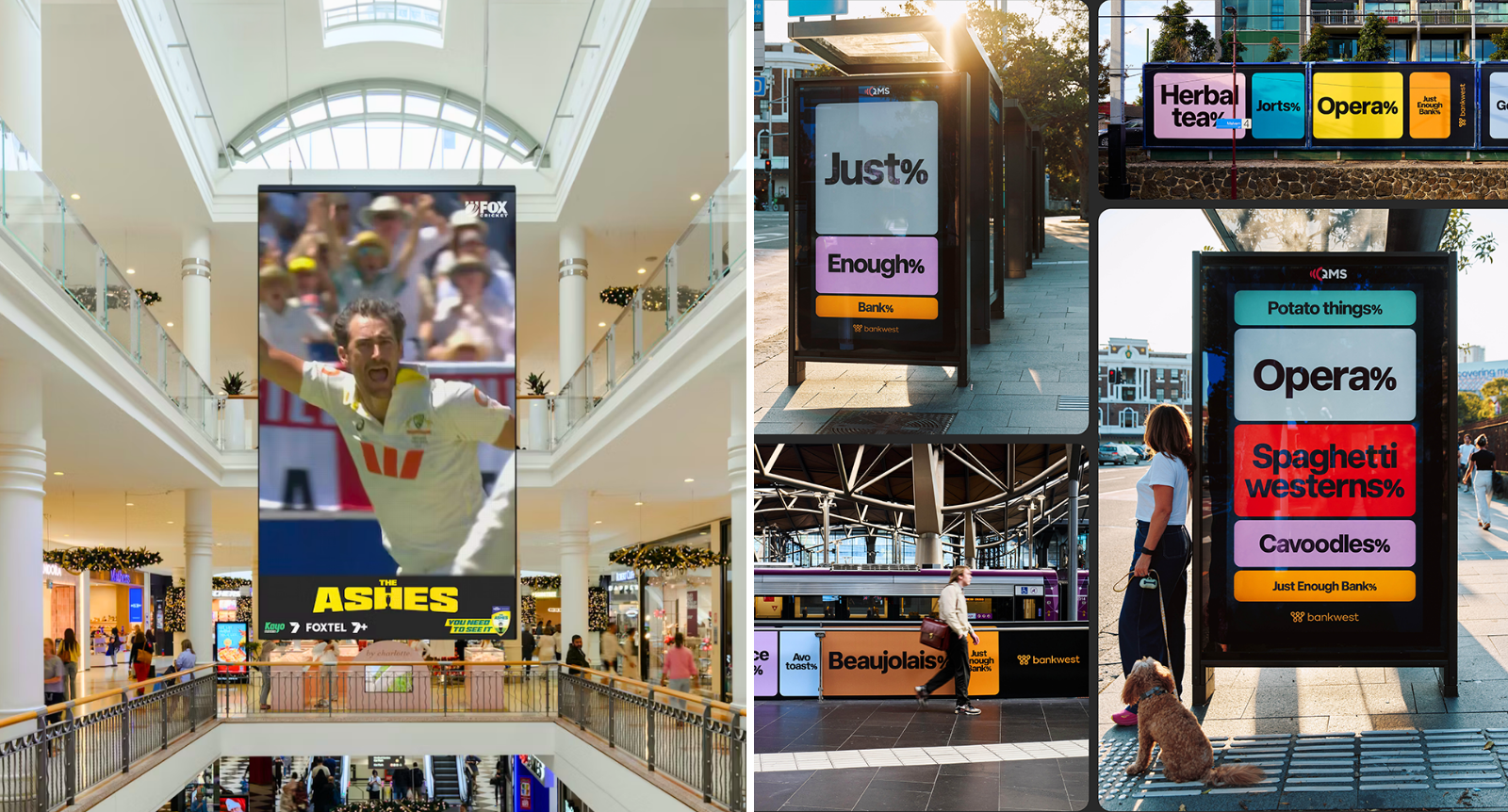
Other winners in the OMA Awards included the campaigns, The Ashes ‘Unmissable First Ball’ and Just Enough Bank. Image: supplied
Full Winners List: 2025 OMA Creative Awards
Grand Prix Winner
Campaign: If You Can Take It, It’s Yours
Advertiser: Selleys
Creative: Howatson+Company
Best Classic Campaign
Campaign: The Hidden Eye Test
Advertiser: 1001 Optometry
Creative: VML Australia
Best Small Format Campaign
Campaign: The Hidden Eye Test
Advertiser: 1001 Optometry
Creative: VML Australia
Best Special Build Campaign
Campaign: If You Can Take It, It’s Yours
Advertiser: Selleys
Creative: Howatson+Company
Best Digital or Programmatic Campaign
Campaign: The Ashes ‘Unmissable First Ball’
Advertiser: Cricket Australia
Creative: Special
Best Multi-Format Campaign
Campaign: Just Enough Bank
Advertiser: Bankwest
Creative: Bear Meets Eagle On Fire
Best Innovation or Sustainability Campaign
Campaign: The Hidden Eye Test
Advertiser: 1001 Optometry
Creative: VML Australia
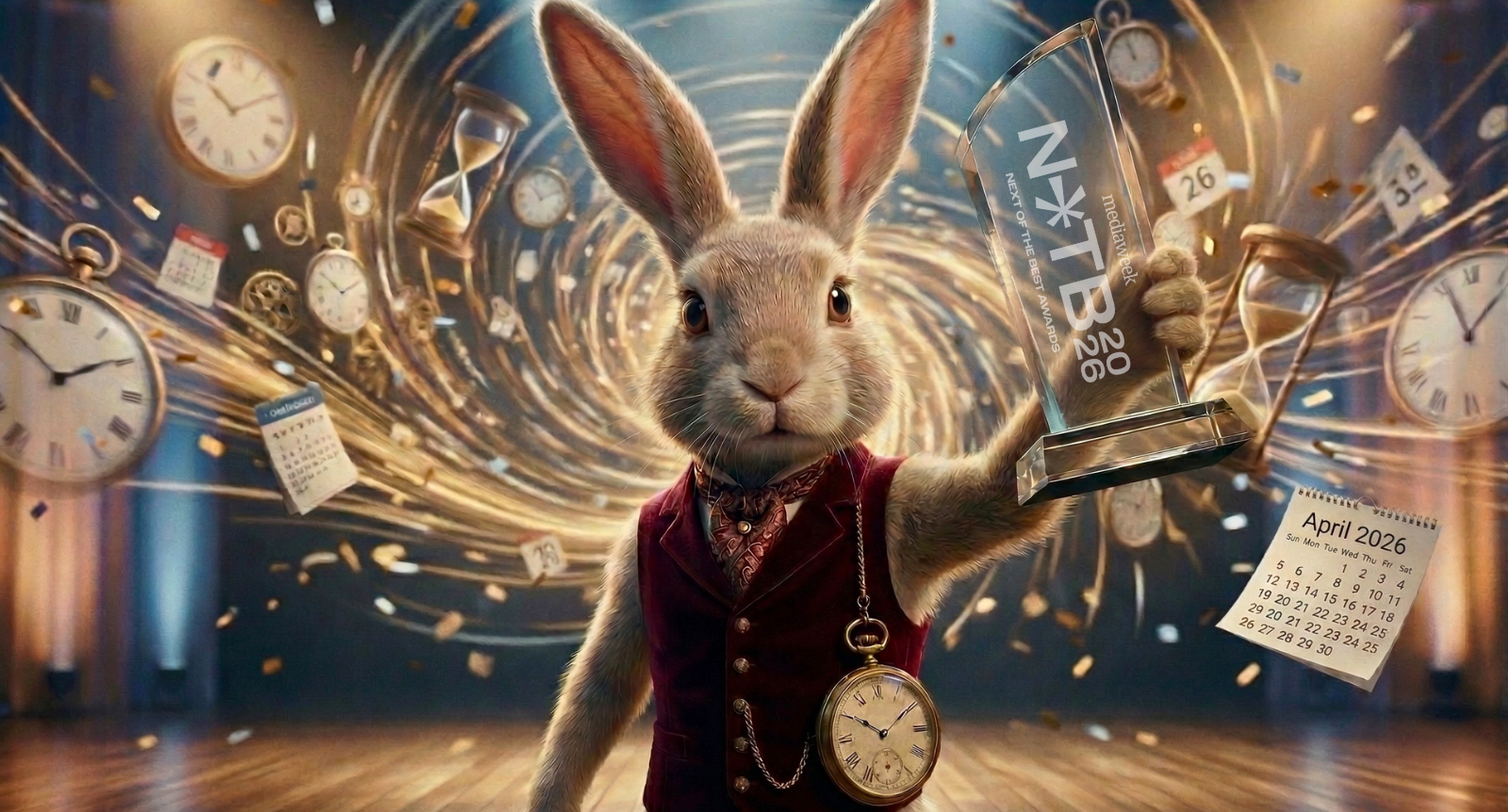
Four productivity hacks for Easter. Or making time to enter Next of the Best
Ah, the Easter long weekend. A glorious mirage of chocolate, hot cross buns, and uninterrupted days of blissful ignorance.
But if you work in media, marketing, advertising, or tech… you know the dark truth. A four-day work week usually just means hyperventilating your way through five days of work in 20% less time.
Now, thanks to the scheduling gods, we sit right in the thick of the Easter double squeeze.
And I will be perfectly candid here. This first short week thoroughly cooked my own time management, so I’m only getting these productivity tips to you on a Thursday.
My bad. I fully grasp the irony of delivering an efficiency guide late.
So, while I might only half help you handle this year’s immediate Easter chaos, you should bookmark this for next year. For now, let’s focus on salvaging next week.
If your current survival strategy involves mainlining espresso and hoping the client forgets about that brief until Tuesday, you need to pivot.
Here’s how Australia’s top productivity experts tell you to survive the incoming four-day sprint, and how you can magically carve out some time to complete your Next of the Best awards submission.
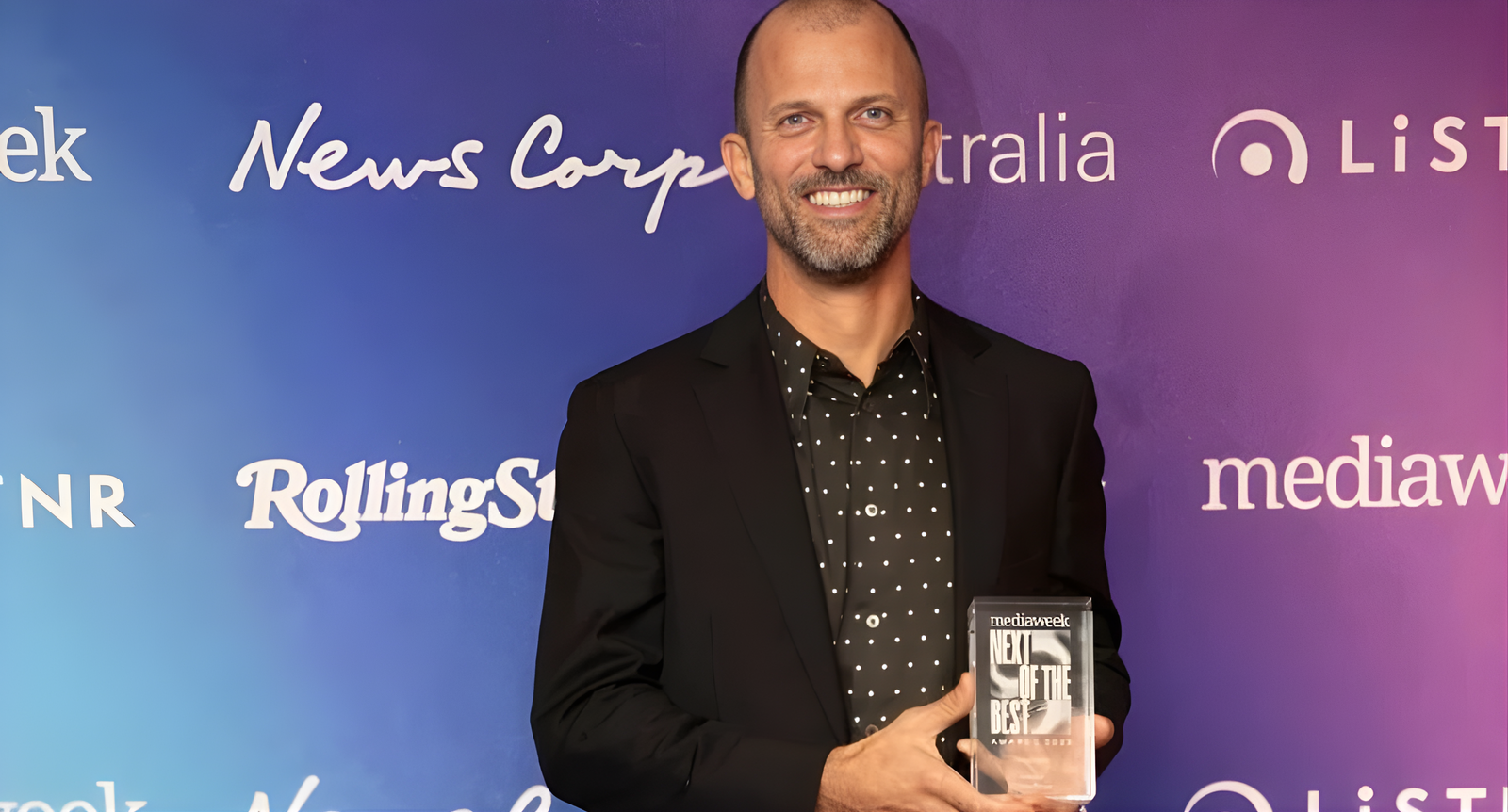
Be like Chris Ernst, chief practice officer, media & managing director of Dentsu Australia, and enter the awards. You’ll thank yourself later. Image: file
Stop treating busy like a KPI
The media industry loves a hero. We wear back-to-back schedules and overflowing inboxes like badges of honour.
But time management expert Kate Christie, who tackles modern burnout and time investment, has a harsh truth for you. “Busy isn’t a badge of honour, it’s a red flag,” Christie says.
Her philosophy dictates that in today’s always-on culture, we need to stop managing time and start investing it.
Next week, look at your to-do list with a ruthless, cynical eye. Does that task actually drive the campaign forward, or are you mistaking motion for momentum?
If it doesn’t move the needle, drop it, delegate it, or push it to late April.
You literally cannot fit a 40-hour week into 32 hours without dropping something. Choose what drops before it chooses you.
Eradicate toxic urgency
Client panic spreads like a virus. One email with a red exclamation mark lands in the inbox, and suddenly the whole team runs around like a headless chook.
Adapt Productivity founder Dermot Crowley calls this modern workplace epidemic “toxic urgency.”
Crowley notes that digital tools drive today’s professionals into a state of constant, reactive chaos. His advice? Centralise your tasks so you don’t manage your day out of your inbox.
Stop treating every Slack or Teams ping like a fire alarm.
Batch-check your messages, turn off the pop-up notifications, and shift from a reactive scramble to a responsive, calculated workflow.
A client’s lack of planning shouldn’t constitute your emergency.
Set guardrails and build your off-ramps
Client panic follows you from your office desk straight to your living room via Slack.
Leading Australian researcher on digital wellbeing Dr. Kristy Goodwin notes that our hybrid tech habits fundamentally clash with our neurobiology, leading to severe “techno-exhaustion.”
What does she advise for the Easter squeeze? Set unapologetic digital guardrails. Close your inbox and mute your notifications for 60-minute blocks to get actual work done.
Furthermore, Goodwin advocates that professionals build deliberate cognitive on-ramps to start the day with focus, and establish strict off-ramps at the end of it.
If you don’t create a clear off-ramp on Thursday afternoon, the agency blur will follow you straight into the long weekend.
Stop playing meeting Tetris
When a short week hits, the default agency panic response takes five days of WIPs, catch-ups, and brainstorms and simply crams them into four days.
Organizational psychologist and How I Work podcast host Dr. Amantha Imber warns that this relentless context-switching will absolutely fry your brain before next Friday even arrives.
Imber heavily advocates auditing your week and shifting to asynchronous communication.
Next week, look at your calendar and ask yourself if a task actually requires a live meeting, or if a shared Google Doc, a Loom video, or a tightly worded email could suffice.
Stop playing meeting Tetris. Protect your deep work time fiercely.
If you want to survive the short week, you have to stop collaborating on things that do not require collaboration.
Claim what you do with your saved time
Now let’s say you actually listen to these experts. You ditch the toxic urgency, set your guardrails, stop playing meeting Tetris, and refuse to wear the ‘I’m very, very busy’ badge of honour. Suddenly, you buy back a few hours next week.
Do not, under any circumstances, use that time to do more client work!
Instead, invest it in your own career.
Use your newly freed-up time to finalise your entry for Mediaweek’s Next of the Best Awards.
You spent the last 12 months dealing with moving goalposts, shrinking budgets, and chaotic deadlines. Don’t let a compressed calendar stop you from claiming the recognition you deserve. Enter here.
Enforce your off-ramps, get your submission in, and go eat your body weight in leftover chocolate.
You earned it.

TikTok forecasts $100bn creator economy surge in Australia by 2030
TikTok is positioning creator-led content as a core economic driver, with a new whitepaper forecasting that Australia’s creator commercial contribution will reach US$100 billion by 2030, up 1.3 times from 2025.
The platform’s latest research, The Art and Science of Authenticity, argues that creator content is shifting from a brand awareness tool to a measurable performance channel that influences consideration and purchase behaviour at scale.
While creator marketing has traditionally been associated with beauty and fashion, TikTok’s data points to rapid diversification across sectors, including gaming, financial services, apps and consumer electronics.
Brands in these categories are increasingly leaning on creators to simplify complex products and build trust with audiences, particularly during the consideration phase. The whitepaper frames this as a broader evolution in how creator content is deployed, moving deeper into the funnel and closer to conversion.
Authenticity becomes a performance metric
The report underscores a shift in consumer expectations, with three in four Australians now skipping content they perceive as inauthentic.
Amy Bradshaw, general manager of global business solutions at TikTok Australia and New Zealand, said brands embracing creator-led storytelling are already seeing results.
“As Aussies encounter their favourite creators on TikTok, they’re seeing their rough edges, raw emotions, and unfiltered moments. As consumer expectations evolve, so too does what drives performance. Authenticity is no longer just a creative choice; it’s a measurable growth driver.
“As creator content increasingly shapes consideration and purchase behaviour, brands need to scale it with the same rigour as any performance channel.”
The whitepaper also finds eight in 10 Australian consumers say authentic content directly influences their purchase decisions, while 68% are more likely to search, click or add to cart after engaging with it.
From influence to measurable outcomes
TikTok’s framing leans heavily into accountability, positioning creator content as both an art and a science. While authenticity captures attention, the platform argues the real opportunity lies in translating that engagement into tangible commercial outcomes.
The projected growth is underpinned by what TikTok describes as a “vast and vibrant creator ecosystem”, where individuals turn lived experiences into scalable commercial impact.
The whitepaper highlights Australian creator Sophia Begg as a case study, citing her transition from day-in-the-life content to co-founding fashion label All for Mimi, which has grown through direct community feedback and engagement.
Platforms push for scaled creator commerce
TikTok is also emphasising infrastructure, pointing to tools such as TikTok One, a centralised platform designed to connect brands and creators and streamline collaboration.
The broader message is clear. As growth pressures mount, the brands that win will be those that integrate creators, content and commerce into a single system, treating authenticity not as a creative layer but as a scalable driver of business performance.
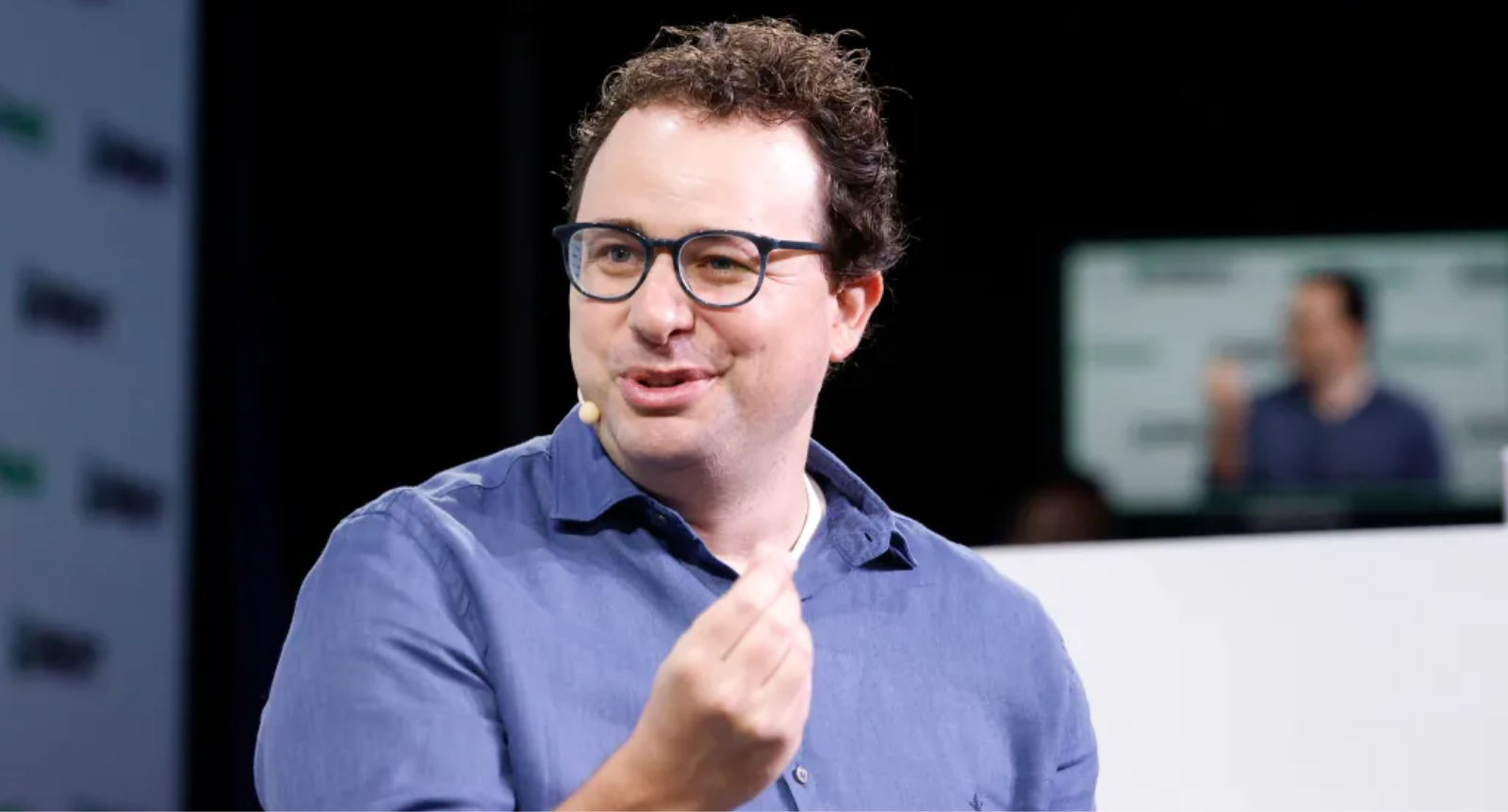
Anthropic and Albanese shake hands on $555bn deal
US-backed Artificial Intelligence giant Anthropic has signed a memorandum of understanding with the Australian government, backing its national AI strategy with financial commitments to renewable energy infrastructure and medical research.
The agreement valued at $AU555 billion was formalised during Anthropic Chief Executive Officer Dario Amodei’s meeting in Canberra this week with Prime Minister Anthony Albanese and Industry Minister Tim Ayres.
While non-binding, the MoU signals Anthropic’s support for the government’s AI framework, which encourages data centre operators to contribute to Australia’s energy supply.
“Anthropic recognises the importance of expanding Australia’s energy supply and transmission, with a focus on firm renewables,” the company said.
The move aligns with broader policy expectations that AI infrastructure should be produced locally, operate under Australian law and deliver monetary benefits locally.
Investment in medical research
As part of its AI Science Program, Anthropic will provide $AUD 3 million in credits to Australian institutions working on medical research projects.
Initial recipients include the Australian National University, the Murdoch Children’s Research Institute in collaboration with UNSW, the Garvan Institute of Medical Research, and Curtin University.
The funding covers areas such as clinical genomics, precision medicine, paediatric research, and computing education.
Amodei said Australia’s focus on safety made it a natural partner for Anthropic, which positions its money-making AI Agent, Claude AI, as a more ethical alternative in the market.
“I’m particularly excited by the work Australian research institutions will be doing with Claude to advance disease diagnosis and treatment,” he said.
Australia signals openness to AI
The agreement comes as the Albanese government pushes to position Australia as an attractive destination for AI investment.
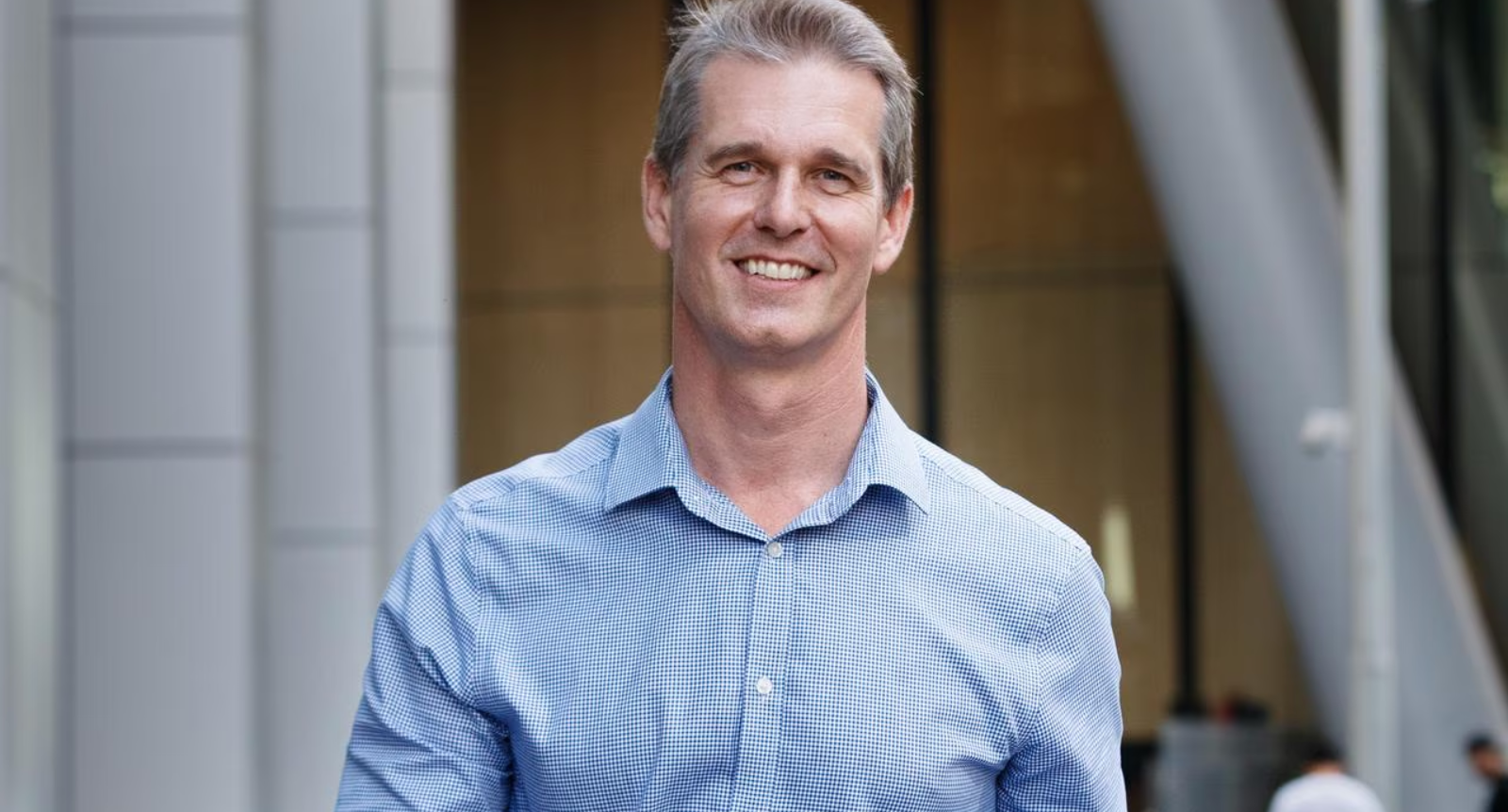
Andrew Charlton
Assistant Minister for Technology Andrew Charlton said the deal reflects a willingness to partner with companies aligned with Australian values.
“Labor is committed to ensuring AI works for the Australian people, and not the other way around,” Charlton said.
Anthropic also confirmed plans to expand its presence in the region, including opening a Sydney office and establishing a local leadership team later this year.
Data sharing and safety focus
The MoU includes collaboration with Australia’s AI Safety Institute, mirroring similar arrangements in the US, UK and Japan.
Anthropic will share data from its Economic Index, offering insights into how AI is being used across sectors, including mining, agriculture, healthcare and financial services.
This data is expected to help policymakers better understand the economic and workforce implications of AI adoption.
Copyright debate addressed
Billionaire big boss Amodei addressed the copyright protection debate by stating that his company’s early presence in the country is not to “try and convince you to change your mind on this”.
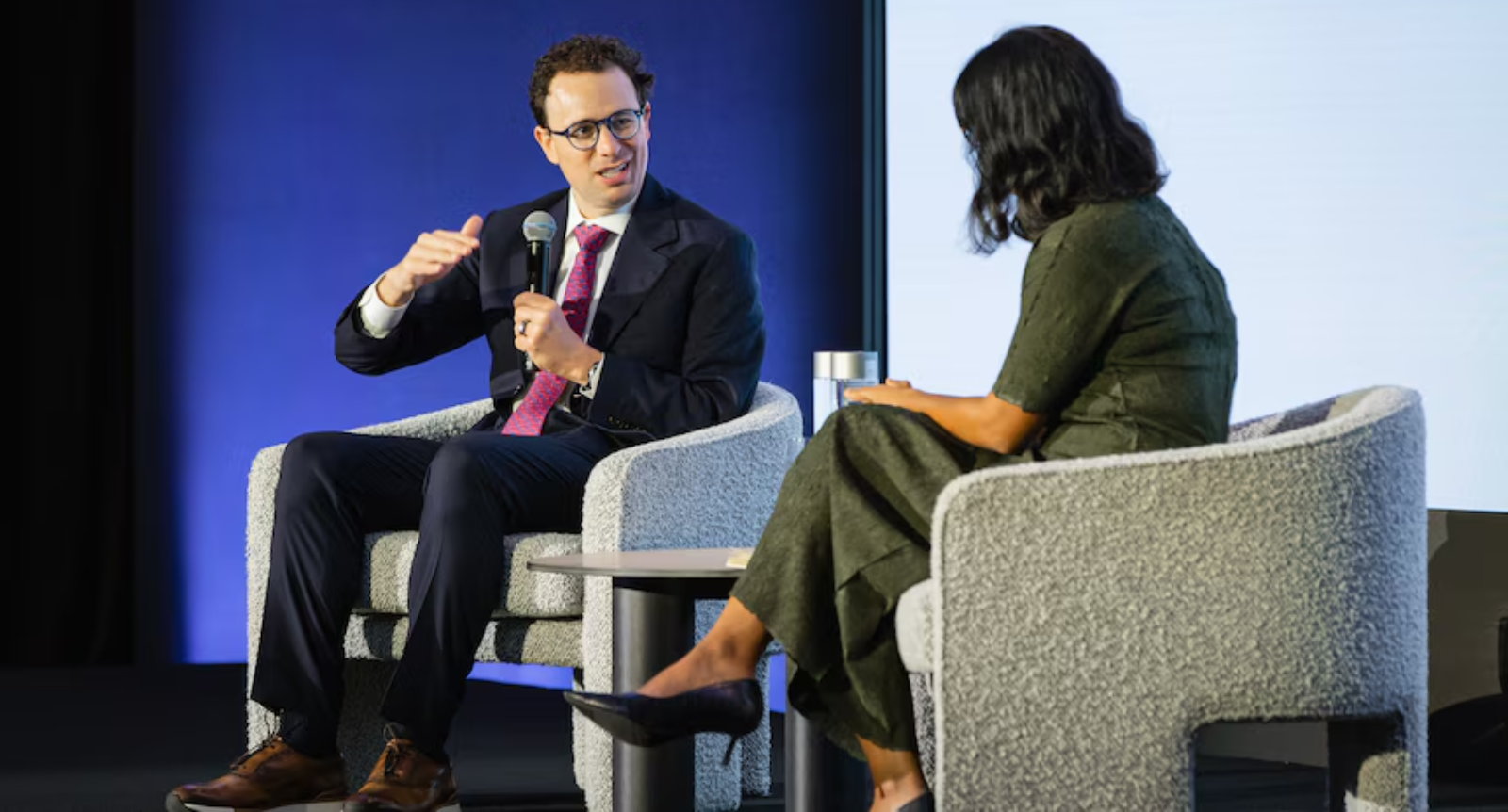
“We’re kind of more here to talk about how can we arrive at an arrangement that works for everyone? And leaves everyone better off?” said Amodei at a Canberra forum.
The whole “robust debate” started last year, when the Albanese government ruled out introducing a text and data mining exemption that would have allowed AI companies to train models on local content without compensating creators, including writers, musicians and artists.
While some AI companies have struck individual licensing deals with publishers and rights holders, Anthropic has yet to formalise similar agreements in Australia.
‘Making the pie bigger’
Amodei acknowledged creators have legitimate concerns, but suggested copyright alone may not resolve the broader economic impact of AI.
“Rights holders have legitimate claims… but copyright is not the be-all and end-all for addressing the economic concerns with this technology,” Amodei said.
He phrased AI’s impact in terms of broader economic expansion.
“If we’re able to generate vast economic growth with AI… it’s about making the pie bigger, and then there’s more that we can give to everyone,” he said.
“I think that frame is really important,” He concluded.
Trump vs Anthropic
The strategic geopolitical visit marks a win for the AI giants amid their legal battle with the United States Department of Defence, which has refused to allow its AI systems to be used in autonomous weapons or for mass domestic surveillance.
As a result, Anthropic was designated a supply chain risk by the Pentagon, a move that would bar US federal agencies and military contractors from using its products.
That designation is currently frozen pending court proceedings.
The situation has also escalated politically, with Donald Trump reportedly labelling the company “left-wing nutjobs” and “Radical AI Company”.
Main image: Dario Amodei
Prince Harry messaged reporter about ‘movie snuggles’ after ‘weekend of naughtiness'
The Duke of Sussex has confessed during his privacy court case to exchanging familiar messages with a female journalist who referred to him as “Mr Mischief”.
Harry had denied to the High Court that he was friends with journalists, but a series of alleged Facebook exchanges with Charlotte Griffiths were made public on the final day of his trial.
They appear to show the Mail on Sunday journalist referring to Harry as “Mr Mischief” and “H Bomb” – and mentioned their “fun weekend of naughtiness”.
Harry seemed to call the Griffiths “sugar” and “Griff” and wrote, “Miss our movie snuggles!!”\
The duke, giving evidence in the privacy case in January, said: “I am not friends with any of these journalists.” He insisted none of his close circle would talk to the media.
He was claiming that a series of stories published in the Daily Mail and Mail on Sunday could only have come from phone hacking and/or bugging.
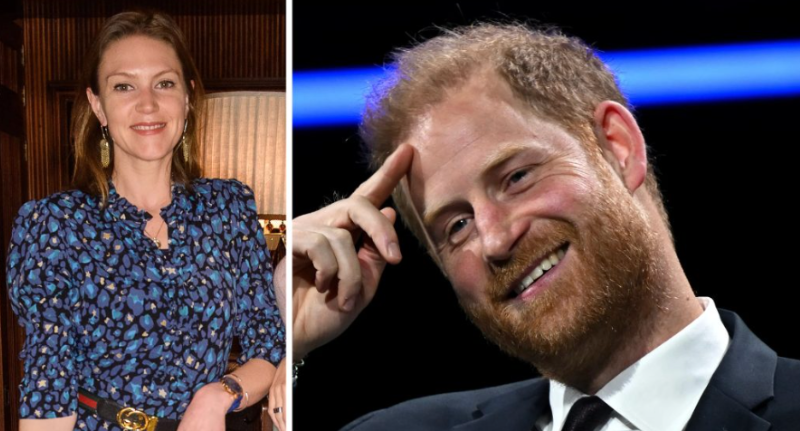
Prince Harry and Charlotte Griffiths
Griffiths said she joined Harry at a weekend country house party in 2011 hosted by Arthur Landon, a film producer who is one of the prince’s oldest friends. The messages also refer to “Skippy”, the nickname of Tom Inskip, who was one of Harry’s closest friends.
The alleged messages followed Harry’s separation from Chelsy Davy, his first serious girlfriend. Griffiths was a student at Leeds University at the same time as Davy. The journalist told the court she continued to “socialise in similar high society circles ever since”, including attending polo events which were popular with Harry and his friends.
Griffiths joined the Mail on Sunday in 2008, was diary editor from 2013 to 2020 and is now editor-at- large. She said her friendship with Harry continued and in June 2012 she was invited to join an all-night party with the prince.
Griffiths was questioned about a call to Harry at 2.50am and three text message exchanges. Griffiths told the court she went to a club with Landon who invited her back to his home for an “after party”.
“Arthur hadn’t made it home by the time I arrived but told me Prince Harry was staying at the flat and that the party had already started under Prince Harry’s watch,” she said in a written witness statement.
Harry told the High Court: “The first time I met Ms Griffiths was actually at a friend’s weekend and I had no idea that she was a journalist at that time.”
Asked if Griffiths socialised with his friends, Harry replied: “Not as far as I’m aware. I met her once at a weekend, and then the next day, after I’d left, after the weekend had finished, I found out who she was. I had words with my friend and that was that.” Harry added: “The only time I’ve met her was at that weekend with Mr Landon and, as I said, I had no idea who she was.” He said he “cut contact with her” after finding out she worked for the Mail.
Harry, 41, and Sir Elton John, 78, and five other high-profile figures are bringing claims for unlawful information gathering including phone hacking, bugging and “blagging” calls against Associated Newspapers. The publisher and its journalists deny wrongdoing.
Facebook user
It’s H, incase u were confused by name and picture!!! X.
Dec 4, 2011 8.36pm
Charlotte Griffiths
Hello Mr Mischief … What a fun weekend of naughtiness – can’t we all get up to no good in the countryside every weekend damn it?? Smooches, CG String. Xxx
Dec 5, 2011 1.20am
Facebook user
Was without doubt the best of those weekends I’ve been to. What a crowd. Never laughed so much in 24hrs!! Mr mischief? How do I get that title… l was surely no worse than anyone else!!
Dec 5, 2011 4.15pm
Charlotte Griffiths
Mr Mischief is definitely a compliment by the way – you weren’t worse than anyone else, we all competitively out-naughtied each other which is why we all had so much fun!
Dec 6, 2011 12.17pm
Charlotte Griffiths
OK. I am very unimpresed that your Skippy surfing seems to have inadvertantly trumped all of the scandal on our weekend! Damn you, you bloody maverick. And now you’re all heading to BVI. Double trumped, double humph. Thirsty Thursday plans? XDec 14, 2011 7.34pm
Facebook user
Haha, I win right?! Me noo heading to the BVl’s, got too much shit to do. Got a dinner with some friends… gonna be hungover again for the third day running! U missed a good party last night, skippy was on great form. Mwah xxx
Dec 15, 2011 3pm
Charlotte Griffiths
H Bomb – we missed you so much at Arthur’s last week… skipp cracked out some serious moves… Anyhoo… after some shooooping in Val D and Meribel… ive arrived in klosters and been watching some Sentebale snow polo… does that mean you’re here and I can dominate you off the black runs – slash steal one of your ski boots?! xxxx
Jan 22, 2012 10.26pm
Facebook user
Haha, Chartie I WISH I was there sugar but unfortunately stuck in Cornwall doing Army stuff 🙁 Otherwise I would have been there playing and then drinking u under the table, obvi!! The whole thing raised a load of money so I’m pretty happy, just wish I could have been there… especially now you’re there! Do u ever work?!! Bummed beyond belief to have missed Arrhurs as well… l’ve been seriously busy since I last saw u but plan on getting back in the mix for Feb! U best be around… ? Hope you’re really well Griff… Miss our movie snuggles!! I’m off comms all week incase u think I’m being rude…xxx xxx
Jan 22, 2012 11pm
Top image: Pince Harry, Charlotte Griffiths. Image: Instagram
IMAA Spotlight: How Justine Butler helped shape Media Merchants’ indie playbook
Mediaweek has teamed up with the IMAA to give its indie leaders a platform to talk about their work, thoughts on the industry, and their interests outside their working lives.
This week, the spotlight lands on Justine Butler, a quietly influential operator at Media Merchants, the Brisbane-born agency that’s been doing things its own way long before “indie” became a badge of honour.
Founded back in 1999 by James Fitzgerald, Media Merchants was built on a simple premise: deliver results that actually move the needle. No fluff, no overcomplication, just sharp, effective media thinking tied to tangible outcomes. It didn’t take long for the business to evolve, expanding into creative, production and digital, but that core philosophy has held firm.
Butler joined in 2003 and has been part of that evolution ever since, helping shape the agency’s media offering as it grew from a small operation into a well-established player with a reputation for straight-talking advice, strong client relationships and a team culture people tend to stick around for.
So, who is the woman behind the work? And what keeps her engaged after more than two decades in the same business?
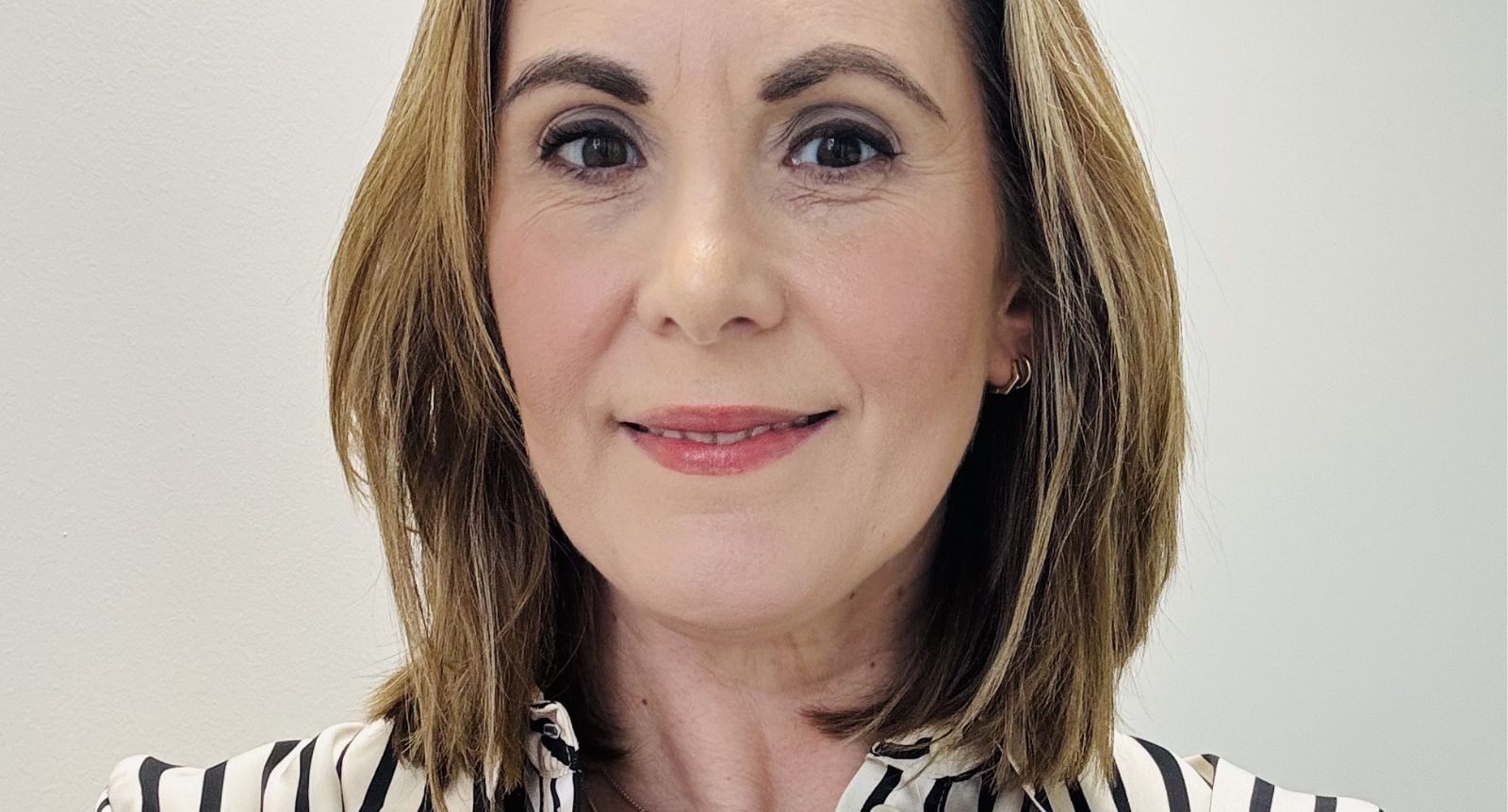
Justine Butler
What sparked your interest in launching your own indie agency?
The spark that inspired our CEO, James Fitzgerald, to launch Media Merchants came from the realisation that retail advertisers were being forced into an agency model that didn’t keep pace with their businesses. This was 27 years ago, and at the time, traditional agencies were simply too slow.
I joined the agency a few years after it was established and loved the business’s energy, best described as well-structured mayhem.
Getting a call from a client on Monday saying they needed a national campaign live on TV or radio by Wednesday – and making that happen – was both thrilling and terrifying. But we did it, and a couple of decades ago, that wasn’t typically something agencies could deliver on both the creative and media fronts.
I think that bold ambition to push the boundaries of what can be achieved is what has kept me on the indie side and at MM for so long.
What sets your agency apart from others?
MM today hasn’t strayed too far from that original passion for retail, and while I don’t think a retail focus is unique amongst agencies, I do believe in how we deliver. We are a genuine full-service agency, providing an end-to-end solution for clients, which now includes support for those seeking to launch and leverage their own retail media networks.
We’ve become a partner that can span the delivery of marketing solutions for clients and, more recently, the commercialisation of their owned data and retail ecosystem for endemic and non-endemic brands to activate within.
As TerryWhite Chemmart prepared to launch its retail media network, TWC Connect, last year, we worked as part of their project team, tasked with establishing commercial and operational frameworks.
It was a very organic extension of our services, helping them develop a product that would meet the expectations of brands and agencies regarding product positioning, pricing, and measurement.
It’s that willingness and capability to look beyond the standard agency remit and deliver new and effective solutions for modern retail that differentiate MM.
Indie agencies are increasingly seeing success with major pitches.
What differentiates your pitch approach from that of larger agencies?
It starts with being clear-eyed about where MM can genuinely add value and whether a partnership makes sense to pursue.
Larger agencies don’t always have full discretion over which pitches they participate in, and I think it becomes evident in the quality of the response when a team’s heart isn’t fully in it.
That’s not to say we don’t value every invitation or opportunity – but we will never be an agency that pitches relentlessly as part of a numbers game.
We have long client tenure because, from the outset, we take the time to assess the value we can bring and whether a client’s business will truly thrive in our hands.
From there, our approach is unequivocally client-driven. Less time
grandstanding about us, and more time proving we understand the
business challenge.
Pitching should always be honest, respectful and deeply considered – unafraid to challenge convention or deviate from a safe path in pursuit of delivering real outcomes.
Who are your latest agency account wins?
We were appointed by Crimsafe and Compassion Australia last year, and it’s been a privilege to work with such purpose-driven brands.
While not brands you consider having similar traits at first glance, both
are inherently focused on the protection and safety of people, be it through the best-in-market home security or by raising much-needed funds for children living in poverty.
Most recently, we have been appointed to manage performance digital for TerryWhite Chemmart, extending our remit beyond traditional media, which we’ve had for over eight years.
Expanding our service scope for existing clients, or growing due to their success, has always been a priority for the agency. Client retention speaks louder than wins in my view.
What’s a piece of work you’re most proud of?
That’s always a difficult question. Rather than a singular campaign or client, it’s the transformation of the agency itself over the past few yearsn that I’m most proud of.
Working alongside my co-Managing Director, Michael Gee, we’ve focused heavily on staying at pace with the industry – no small task given the rate of change we all navigate daily.
Expanding our digital teams, along with our programmatic, market mix modelling and data capabilities, has been a major focus, and our clients are now seeing the benefit.
I’m also immensely proud of our people. We recently held our annual 10+ Club dinner, celebrating team members who have been with the agency for a decade or more.
Retaining great people is just as important as retaining great clients, particularly in an industry known for high turnover. I take real pride in being surrounded by such an exceptional group across our Brisbane and Sydney offices.
As a leader, how do you switch off from work and unwind after a busy week?
As a leader, do you ever really switch off? I’ll be honest, it’s something I do find difficult to do, but recognise how necessary it is to remain an effective and responsible leader. It’s not just important for my own wellbeing, but sets the culture and tone of the business.
As a busy parent of teens with an overly busy mind, I try to find 30 minutes
a day or a couple of hours on weekends to find silence – a short walk or
sitting with a good book or puzzle. It’s what I need to be the best wife, mother and leader I strive to be.
What does success look like for you over the next 12 months?
Let’s be honest, we’re all facing serious headwinds in the coming year, driven by challenging economic and political conditions. Success, for me, will be ensuring we’re doing everything we can as an agency to help our clients navigate through it.
If, in 12 months’ time, I can sit down with our clients and we’re all smiling, having met commercial targets, that’s the ultimate success metric.
How do we get there? It starts with being responsive and proactive in engaging with clients, identifying when strategies need to be adjusted to reflect a changing consumer reality.
It’s not rocket science, but it does require dedication, a willingness to discard the old playbook, and a strong framework to test, learn and measure results.
Move quickly, stay agile, and ensure client stakeholders and decision-makers are aligned. As agencies, we can bring everything to the table – but unless clients are ready to act, results will remain limited.
Success this year will very much be a shared journey.
See here for past editions of IMAA Spotlight.

Main image: Justine Butler

Don’t be fooled: your ad budget might be funding AI slop
Jessica Miles, Country manager ANZ at Integral Ad Science.
Australian marketers are quietly funding AI slop. Most do not realise it. This isn’t the banner ad fraud of a decade ago. It’s more subtle, more scalable, and far harder to detect. It’s what’s increasingly being referred to as “AI slop”.
Mass-produced, synthetic content designed to look legitimate, attract programmatic spend, and deliver little to no real value. And it’s spreading fast.
‘Good enough’ is a failing strategy
Generative AI, when used well, is powerful leverage. But it has also made it terrifyingly easy to create thousands of content pages in minutes. These Made-for-Advertising (MFA) sites don’t need to be good; they just need to be “good enough” to fool legacy verification systems.
In fact, the Association of National Advertisers (ANA) reports that MFA websites represent a shocking 21% of impressions.
Generative AI empowers fraudsters to create lifelike user agent strings and fake profiles, making bot traffic and fraudulent impressions look authentic enough to evade detection at scale.
AI-driven bots now mimic real user behaviours, clicks, mouse movements, even detailed reviews and testimonials, blending seamlessly into legitimate traffic and artificially boosting product credibility across major digital platforms.
To our old rulebooks, they pass. To consumers, they are just digital noise: cluttered, repetitive, and useless. Yet, our automated systems continue to pay them, funding a shadow ecosystem that devalues real journalism and erodes consumer trust.
The trust deficit: consumers are wiser than our tech
The audience has already done the maths. Recent studies show a deep-seated skepticism that marketers cannot afford to ignore:
• 59% of media experts are actively avoiding content plagued by AI inaccuracies and hallucinations.
• 56% are wary of the ad-heavy, cluttered environments that are the hallmark of AI slop.
• 52% now instinctively steer clear of unknown or unverified sources.
Consumers can already spot digital garbage. The industry is still funding it. With ad fraud in Australia estimated at up to $5 billion a year, AI isn’t creating a new problem. It’s rapidly scaling into a multi-billion-dollar one.
The performance gap hiding in plain sight
Here’s the insidious part: campaigns running in these environments can still look fine on paper. Impressions are delivered. Clicks are registered. The dashboard reports tick all the right boxes for a passing grade. But this is a performance illusion.
Dig one layer deeper, and the facade crumbles. True engagement is weaker. Meaningful conversions are less efficient. The actual quality of interaction is hollow. This creates a quiet but widening gap between what looks like performance and what drives business results. Too many marketers are still optimising for the illusion.
From risk avoidance to a quest for quality
This changes the brief: media quality is no longer just about avoiding risk, it’s about finding and investing in genuinely premium environments where content is credible, context is relevant, and real attention is earned.
In today’s AI-driven landscape, advanced technology must be used to proactively detect and filter out low-quality, synthetic content, turning media quality into a true driver of growth and ROI. Critically, these solutions must be transparent, giving marketers clear insight into every decision.
Leveraging advanced media-quality tech to identify and block Gen AI content is now essential to protecting advertising investments.
The choice is ours
In 2026, the leaders won’t just use AI, they’ll demand AI solutions that are both powerful and trustworthy. Media quality is no longer a filter. It is a growth lever.
The question is whether your measurement stack knows the difference.
Feature image- Jessica Miles, Country Manager ANZ, IAS: supplied.
Uncomfortable Growth® Uncut playlist: Who they became
Uncomfortable Growth® Uncut is a space where we strip away the polish and perfection to explore what growth really looks like when life doesn’t go to plan.
Unscripted, unrehearsed, and deeply human, these conversations dive into the moments that test us most – when certainty disappears, identity shifts, and the only way forward is through.
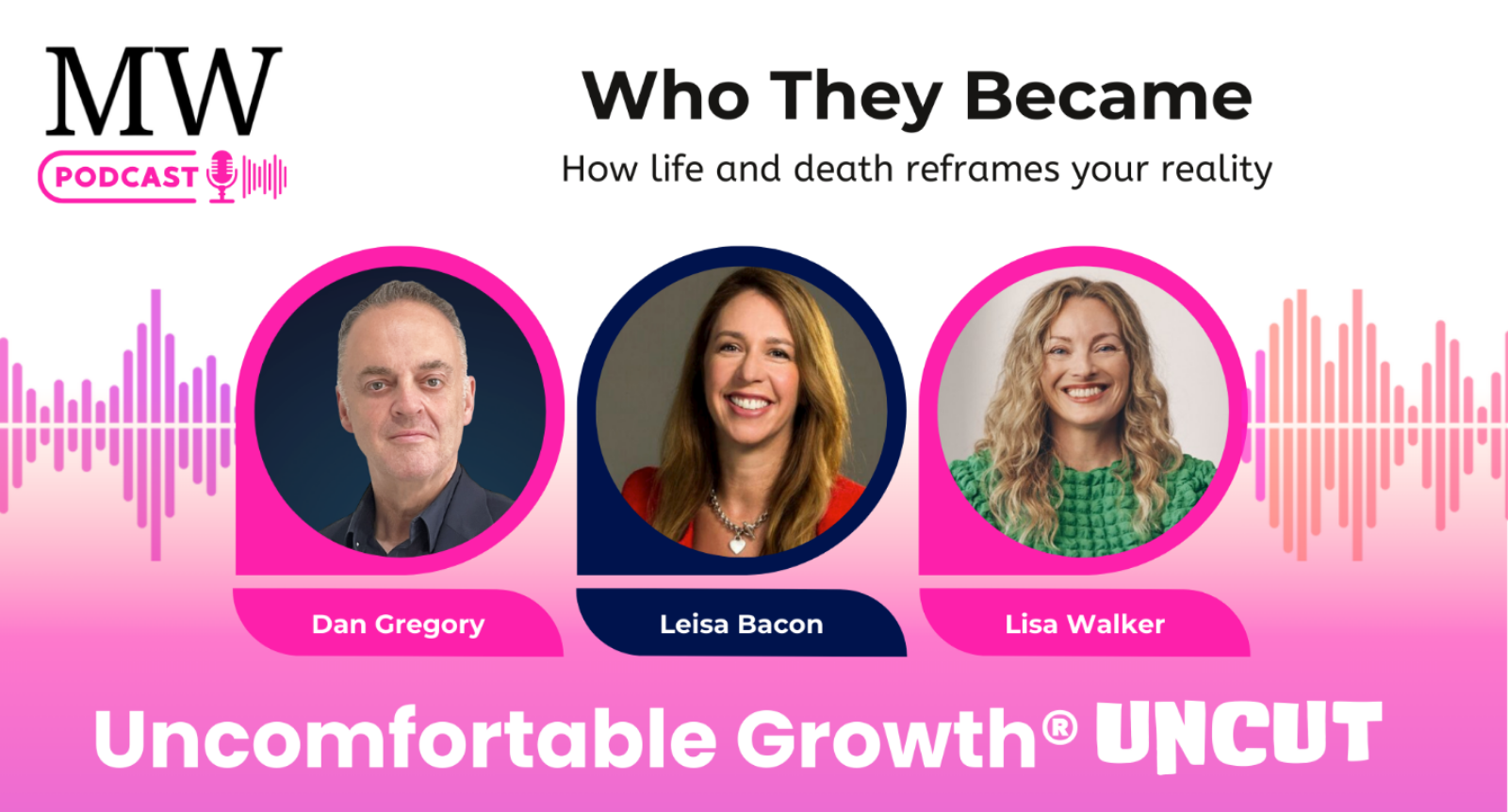
This playlist, Who they became, brings together three powerful episodes where life-and-death experiences became unexpected turning points. These are not stories of neat reinvention or overnight transformation – they are reflections on loss, survival, resilience, and the profound self-discovery that can only come when everything familiar is stripped away.
Featured guests
Dan Gregory, author, host and social commentator, opens up about facing a life-threatening health crisis, losing 65kg, and confronting the identity shock that followed. A behavioural science heavyweight, Dan shares what happens when you intellectually know the answers, but emotionally struggle to live them – and how humour, honesty, and humility carried him through a complete re-evaluation of self.
Leisa Bacon, non executive board member, AANA and Legs On The Wall, takes us into the heart of Africa’s Fish River Canyon, where a hiking trip turned into a genuine survival experience with life-or-death stakes. Her story is a raw lesson in resilience and leadership under pressure, followed by insights from her later career at the ABC, where she learned how to lead with influence, trust, and courage rather than authority.
Lisa Walker, co-founder of Eir Women, shares a deeply moving account of grief after losing her husband to alcoholism. Lisa speaks candidly about addiction, stigma, and the long, non-linear journey through loss. Her “year of yes” became a radical act of healing – a way to rediscover joy, agency, and hope after unimaginable heartbreak.
Your host
These conversations are hosted by Rowena Millward, global expert in growth and reinvention, two-time best-selling author, and creator of Uncomfortable Growth®. With her signature “accessible wisdom,” Rowena creates space for real stories, the kind that don’t offer easy answers, but leave you changed.
🎧 Listen to Who They Became now on Spotify.
🌱 And if these conversations resonate and you’d like to work with Rowena on growth, reinvention, or leadership, visit her website to learn more.
Because sometimes, who you become is shaped not by what you planned – but by what you survived.