
Thursday February 19, 2026
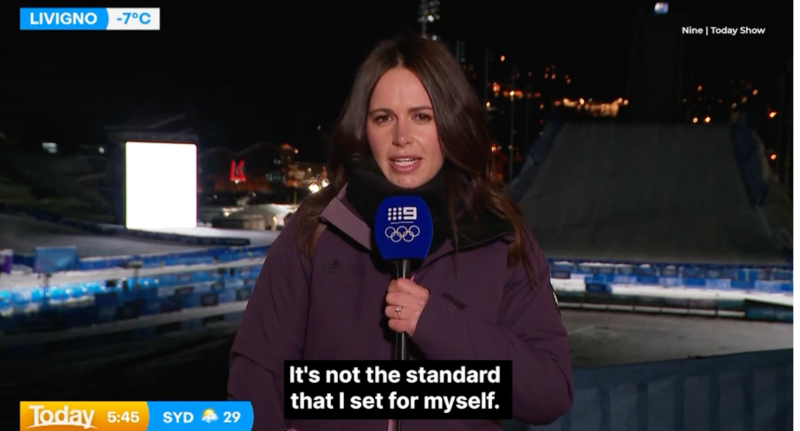
‘Embarrassed’: Danika Mason admits she’d had a drink before live cross
Australian journalist Danika Mason has apologised during the Today show after she appeared to be struggling with her words during a Winter Olympics live cross from Italy this week.
On Thursday morning, the 34-year-old Nine sports reporter revealed she had been drinking alcohol the previous evening.
“And guys, just before we do go, I just want to take a moment if that’s okay, just to apologise,” she began on Today.
“I also wanted to say thank you for everyone who has reached out. I’m okay. Probably just a little bit embarrassed.
“Look, I totally misjudged a situation. I shouldn’t have had a drink. And especially in these conditions, it’s cold. We’ve got altitude. And not having had dinner probably didn’t help as well.
“But I want to take full responsibility. It’s not the standard that I set for myself. So in saying that, I am genuinely sorry.”
Co-host Karl Stefanovic gave the reporter his support, saying, “I don’t even know what you’re talking about. You’re the best, Danika. Don’t worry about it. Let’s move on.”
Stefanovic infamously made a drunken appearance on the same show in 2009, after partying at the Logies – so would be familiar with Mason’s situation.
Danika Mason struggles during live cross on Today
On Wednesday morning, Mason was updating the show on Winter Olympic events when she began struggling with her words. It was 10pm local time.
“The price of coffee over here is actually fine… it’s actually the price of coffee in the US we have to get used to… I’m not sure about the iguanas? Where are we going with that one? Anyway, let’s get into today’s sport because there’s plenty happening back home…”
Stefanovic quickly deflected, “There is such a cold wind, you can’t actually move your lips.”
But the moment didn’t go unnoticed by viewers, resulting in much commentary on Nine’s social media pages.
Many found the situation funny, with one viewer writing, “Lol Karl, Sarah and Jane passing off Danika as being cold and it’s difficult to speak. Most entertaining sports news for the year so far!”
Another agreed, saying, “Danika’s sports reports this morning have literally made my day! Thanks Danni!”
Feature image: Danika Mason. Credit: Nine.
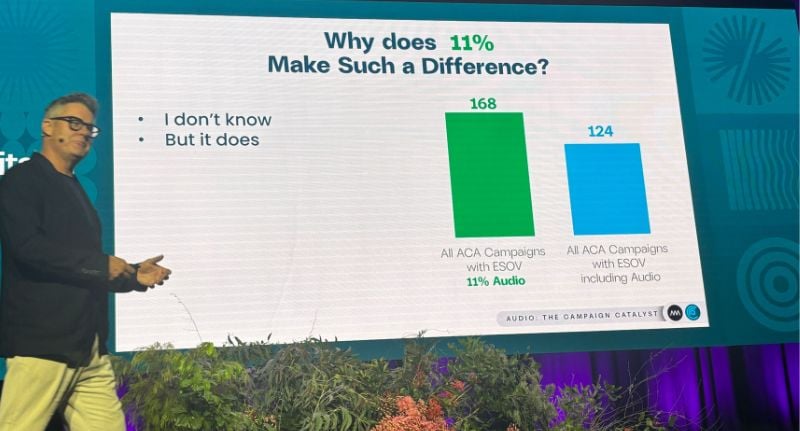
Mark Ritson challenges radio to claim its rightful 11% share
“Hello f***ers.”
Ladies and gentlemen, Mark Ritson has entered the chat.
The PhD marketing megamind took to the stage at HEARD 2026 in Sydney, doing what he does best: wielding a verbal sledgehammer to crack through the industry’s polite varnish.
He was there to force marketers and radio boffins to confront a simple, uncomfortable truth.
Despite its massive reach, radio remains a criminally undervalued asset.
Ritson, who is to the marketing world what Anthony Bourdain was to the cooking world – the insider speaking like an outsider – was here to translate the “beautiful data” for us. The problem, he argued, isn’t whether audio works; it is the industry’s ongoing struggle to sell that success.
The effectiveness gap hiding in plain sight
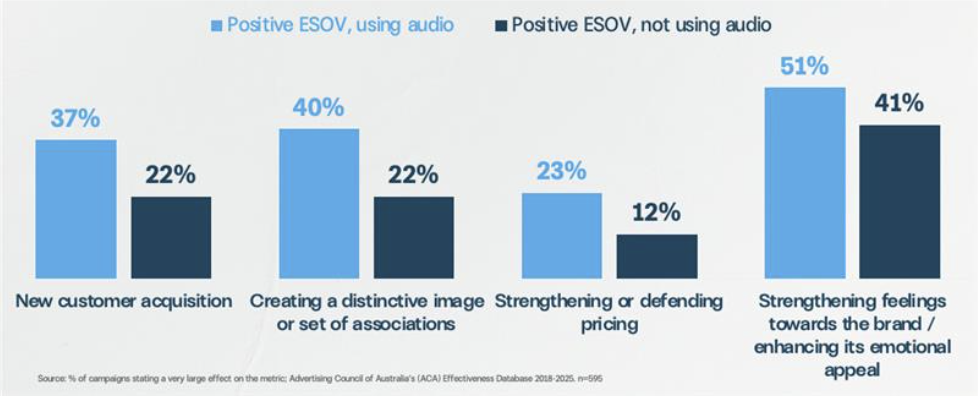
New analysis of eight years of Effie Award entries, presented at the Commercial Radio & Audio showcase, yielded a stark finding. Campaigns that include audio in their media mix are significantly more effective than those that exclude it.
The research, drawn from the Advertising Council of Australia’s Effectiveness Database and spanning 595 entries between 2018 and 2025, was analysed by independent consultant Rob Brittain.
Among the strongest-performing campaigns, audio accounted for an average of 11% of total media spend when brands achieved an excess share of voice.
Crucially, the impact extended well beyond its spend.
Campaigns using audio delivered nearly double the impact for new customer acquisition – 37% compared to 22%. Brand distinctiveness rose to 40% (versus 22%), price insensitivity improved to 23% (from 12%), and emotional appeal reached 51% compared to 41%.
But, for some reason, the industry just isn’t joining the dots.
The narrative problem
For Ritson, the disconnect stems from perception.
“First of all, it’s a hard case to make, not because radio doesn’t do the business,” he told Mediaweek.
“Why is audio a tough business to sell, even though it’s got the numbers and the effectiveness data? I think there’s a hangover of traditionalism that unfairly surrounds the medium.”
He pointed out that industry events often use an image of a 1930s radio to represent the medium – a symptom of a misconception that ignores the fact that modern radio is a digital, growing force. Unlike video or display, audio also suffers from being intangible.
“You like to see s**t on the little phone or the big screen,” Ritson said.
“But the theatre of the mind closes down when we talk to clients because they want a big image.” That inherent strength has, paradoxically, become a commercial weakness.
Heavy lifting without the credit
The data suggests audio is quietly powering campaign success, particularly in brand building. Ritson argued that radio’s contribution is often invisible because its impact unfolds over time.
“Radio has a lot of power as a mass-market, long-term force,” he said.
“Media that do that have struggled to show that, but just because you can’t immediately see the ROI doesn’t mean it isn’t significant. Other channels get the glory when audio is doing the heavy lifting in the background.”
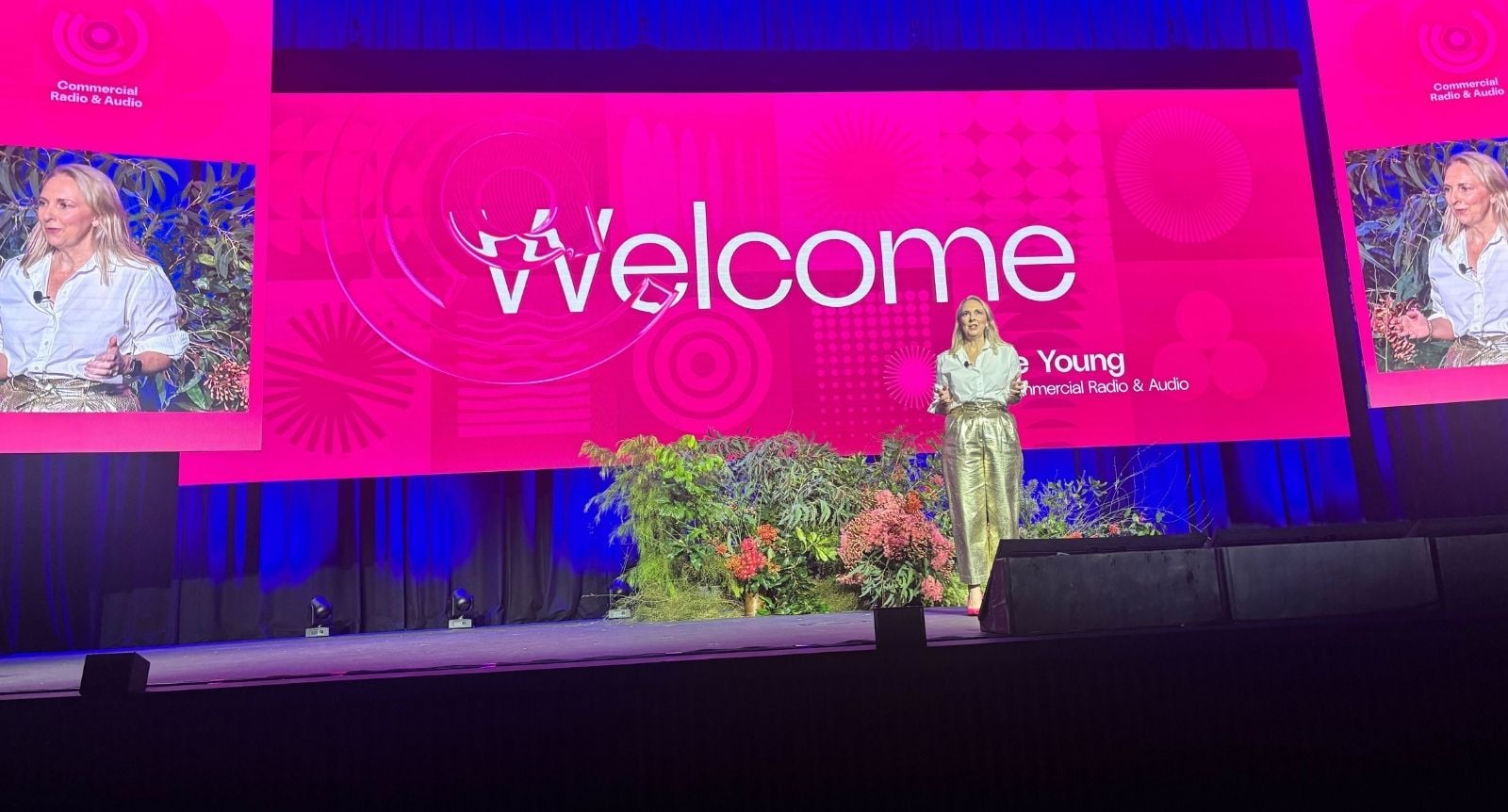
Lizzie Young CRA Heard. Source: Mediaweek
The 11% benchmark
For Commercial Radio & Audio CEO Lizzy Young, the implications are both validating and confronting.
“We’ve got this incredibly resilient audience, yet our revenue is quite underdone,” Young told Mediaweek. “That’s our problem to solve, and we’re taking it seriously.”
The Effie data provided a clear commercial benchmark. If the most effective campaigns allocate approximately 11% to audio, then radio should expect a similar share.
Currently, it isn’t hitting that mark.
Young argued the gap isn’t about performance, but about how the industry positions itself against video, which marketers often think of first.
A turning point for audio
For years, radio has leaned on reach and cost efficiency. However, effectiveness data now provide evidence that audio strengthens every other part of a campaign.
The challenge, as Ritson and Young made clear, isn’t proving radio works. It’s convincing the market to act on the evidence. As Young put it, the next phase is about making it easier for brands to invest.
If HEARD 2026 marked a turning point, it wasn’t because radio suddenly became more effective. It was because the industry finally had the evidence to prove that radio isn’t underperforming – it’s underclaimed.
Kyle Sandilands reveals he's 'communicating' with Pauline Hanson
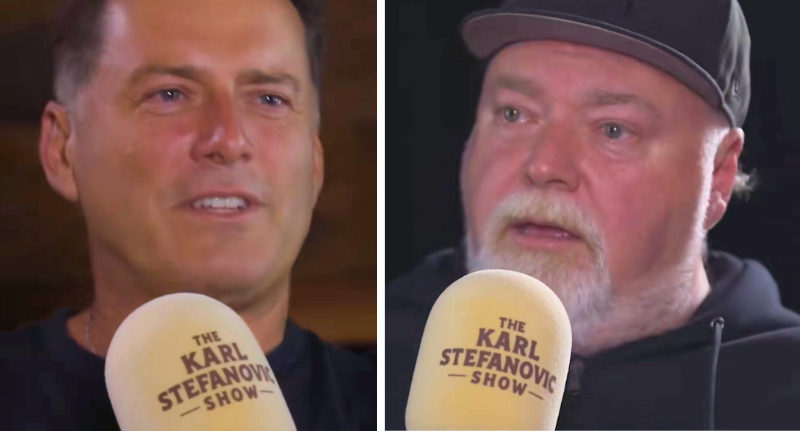
Shock jock Kyle Sandilands has been spoken on Karl Stefanovic‘s new podcast, dropping bombs that many will find surprising.
For example, he admits that Prime Minister Anthony Albanese is a “mate”, but that he honestly tells him when he doesn’t agree with his decisions.
The 54-year-old said, ““I know Albo’s very nice. Albo’s a friend of mine, but he knows, I’ve told him myself, I don’t agree with any of your policies. I think you’re a nice guy.”
Sandilands also joked about the way the PM speaks: “When you do Albo’s voice, you gotta not move your teeth. That’s how you sound like Albo.”
When Stefanovic asked if he would consider the highest office, Sandilands laughed, “Oh, I wouldn’t be able to handle the pay cut in all honesty.”
Sandilands also took the chance to take shots at other aspects of the Prime Ministerial office.
“I’d get a massive plane because that’s embarrassing being in that old Ansett sh**ter we’re flying around in with the kangaroo.
“Have you been in that plane? It’s absolute rubbish.”
There was also a brutal appraisal of The Lodge.
“We’re bringing foreign leaders into what can only be described as government housing. I know it’s in a nice spot, but inside it is the pits.
“Embarrassing. The bathroom’s revolting. But no prime minister will change it because they don’t want to look like they’re spending money for fanciness.”
@thekarlstefanovicshowTomorrow 5pm. Kyle Sandilands. On his problem with Kirribilli House. On the PM. On Pauline. On Trump.♬ original sound – TheKarlStefanovicShow
Kyle Sandilands “communicating” with Pauline Hanson
In perhaps the most controversial revelation on the podcast, Sandilands said he had been “communicating a lot with Pauline, the firecracker” – referring to the One Nation leader.
News Corp reports that Pauline Hanson’s office confirmed the pair “have each others’ number” but didn’t provide further information.
The admission about Hanson came as Sandilands earlier in the discussion, when asked if he enjoyed being a “raving right-winger”, replied that his politics are “right of centre” and “commonsense.”
Feature Image: Kyle Sandilands speaking on Karl Stefanovic’s podcast. Image: TikTok
YouTube tightens grip on Australian kids as gaming and MrBeast dominate
How many Australian kids watch YouTube, and what are they watching?
New data from Roy Morgan’s Young Australian Survey (YAS) suggests YouTube viewing is close to universal among children aged six to 13. Roy Morgan estimates 89 per cent of the age group, around 2.5 million children, watched YouTube between April and December 2025.
The research is based on a nationwide sample of 1,129 young Australians aged 6 to 13, collected over a nine-month period.
Gaming leads kids’ YouTube viewing
Roy Morgan reports that gaming is the leading video category among children in this age bracket who watch YouTube. It estimates that 1.33 million children watched gaming content, representing 53 per cent of YouTube viewers aged 6 to 13.
Other high-ranking categories included animation (930,000; 37 per cent), comedy (900,000; 36 per cent), and animals and music (850,000 each; 34 per cent).
- Gaming: 1.33 million (53%)
- Animation: 930,000 (37%)
- Comedy: 900,000 (36%)
- Animals: 850,000 (34%)
- Music: 850,000 (34%)
Big gender split in what kids watch
Roy Morgan reports boys are much more likely to watch gaming content than girls (67 per cent vs 39 per cent among YouTube watchers). Boys also skew higher for sports content (36 per cent vs 17 per cent).
Girls, meanwhile, are reported to lean more heavily into animals (44 per cent vs 25 per cent), music (41 per cent vs 27 per cent), fashion (31 per cent vs 5 per cent), unboxing (31 per cent vs 18 per cent), DIY (25 per cent vs 11 per cent), and cooking (24 per cent vs 14 per cent).
Some categories were closer between boys and girls, including animation, comedy, challenges, and educational content.
Age differences: 6–9 vs 10–13
YouTube viewing is high across all ages 6 to 13, though Roy Morgan reports it is slightly lower among 6- to 7-year-olds (84 per cent) than among 8- to 13-year-olds (91 per cent).
Roy Morgan also reports that gaming is the number one category across every two-year age band, with particularly strong viewing among 10- to 11-year-olds (nearly 60 per cent of YouTube viewers in that group).
Outside gaming, Roy Morgan reports that children aged six to nine who watch YouTube tend to favour animation (40 per cent), animals (35 per cent), and challenges (32 per cent). For 10 to 13-year-olds, it reports comedy is next (41 per cent), ahead of animation (35 per cent) and animals (33 per cent).
MrBeast dominates “favourite channel” nominations
When asked to nominate a single favourite channel, Roy Morgan says 15.2 per cent of children aged six to 13 chose MrBeast. It reports the next nine channels received around one per cent of mentions each.
Roy Morgan notes that several creators named as favourites by children are not available on YouTube Kids.
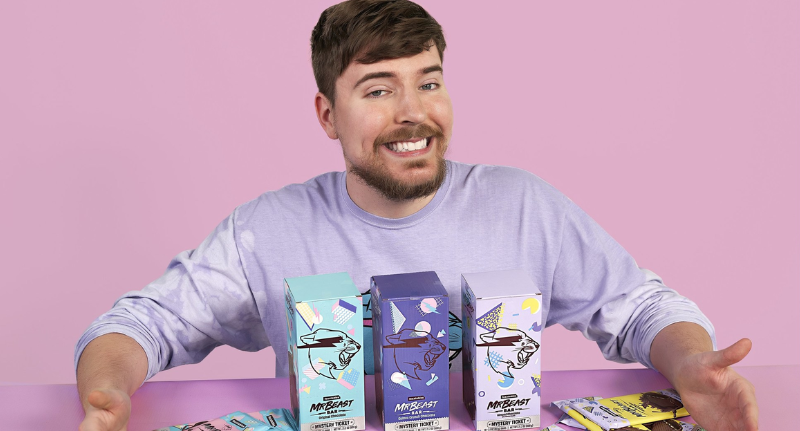
MrBeast “…he’s got lifeless eyes, black eyes, like a doll’s eyes.”
Roy Morgan links findings to under-16 restrictions
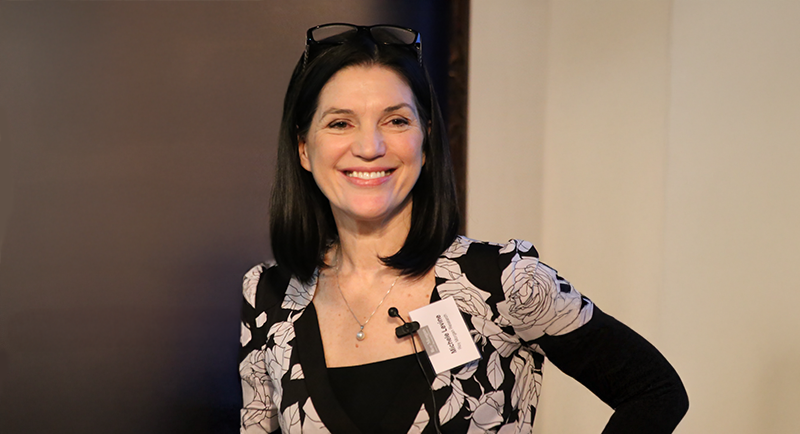
Michele Levine, CEO of Roy Morgan, said the figures suggest many children could be affected by Australia’s under-16 restrictions introduced in December 2025.
“Australia’s world-first social-media ban for under 16-year-olds came into force in mid-December,” Levine said. She added that the latest Roy Morgan data shows “89 per cent, an estimated 2.5 million Australians aged 6–13, who watch YouTube are potentially impacted by the ban”.
Michele Levine
Roy Morgan also reported differences in attitudes among 10 to 13-year-olds who watch YouTube versus those who don’t, including higher agreement with statements about preferring computer games to playing outside and worrying about war and terrorism.
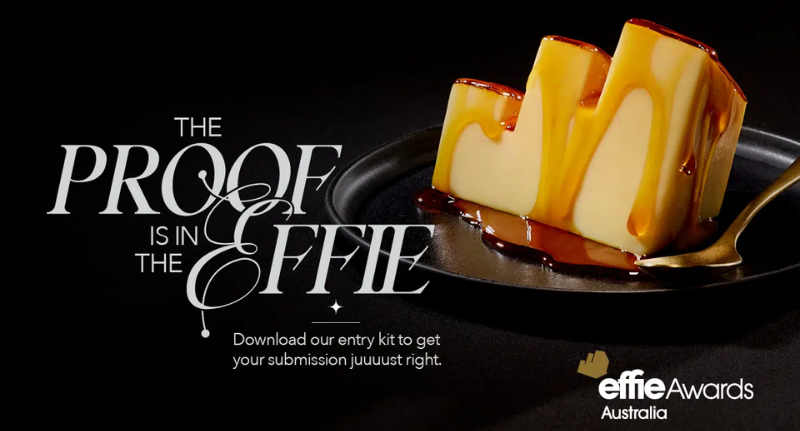
Australian Effie Awards entries open with new campaign
Entries are now open for the 2026 Australian Effie Awards, with marketers and agencies invited to put forward their strongest work to compete in what remains the industry’s benchmark for marketing effectiveness.
Run by the Advertising Council Australia (ACA), the Effies continue to position effectiveness – not just creativity – at the centre of the conversation, as scrutiny on marketing investment intensifies.
‘The proof is in the Effie’ campaign launches
This year’s program is backed by a new campaign from BMF Australia, named 2025’s Effective Agency of the Year. Titled The Proof is in the Effie, the campaign underscores the importance of substance over surface, spotlighting work with real impact rather than decorative flourish.
Tony Hale, CEO of Advertising Council Australia, said: “The Proof is in the Effie reinforces what these awards have always stood for. As scrutiny on spend increases, the Effies remain the industry’s clearest validation that disciplined marketing delivers real business results.”
The message lands at a time when marketers are under pressure to demonstrate tangible outcomes and tighter alignment between strategy and commercial performance.
Expanded categories reflect evolving discipline
New categories include International Marketing, Health Marketing, Sponsorship Activity and Best New Entrant (sponsored by Google).
Meanwhile, updated and specialist categories such as Media-Led Ideas, Data-Driven and Performance Marketing reflect the growing role of media strategy, data and partnerships in driving effectiveness.
Josh Faulks, CEO, AANA, said: “Demonstrating effectiveness has never been more critical. The Effies matter because they bring clarity by linking strategy, investment, and execution directly to results. That discipline matters now more than ever.”
Supporting entrants ahead of deadline
To assist prospective entrants, ACA will host its annual Effie: How To Webinar on 24 March, covering entry structure, judging criteria, and case-writing best practices.
Previous winning case studies are also available to ACA members, with last year’s work set to be showcased at Inside Effectiveness events in Sydney on 24 February and Melbourne on 26 February.
Entries are open across more than 30 categories, with the on-time deadline set for Monday, 4 May.
Top Image: Advertising Council Australia
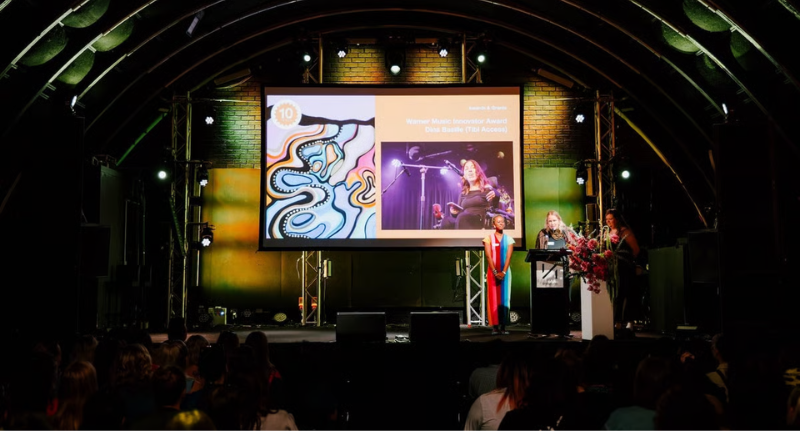
One of One to host two International Women’s Day events in 2026
After ten years of staging national International Women’s Day celebrations, One of One will return in March 2026 with two flagship events in Sydney and Melbourne.
Founded in 2017, the organisation has grown into a respected national platform championing women and gender-nonconforming (GNC) people across the Australian music industry, creating spaces for recognition, connection, and career development.
National footprint scaled back in 2026
Over the past ten years, its International Women’s Day events have become key fixtures on the industry calendar, bringing together artists, executives, creatives and community members for connection and recognition.
Announcing the scaled-back national footprint for 2026, One of One acknowledged the ongoing financial pressures facing the sector. “The reality of 2026 for many businesses in the music industry is that budgets are tight, and not everyone has the capacity to support charities right now,” the organisation said.
“We completely understand, and we are incredibly grateful to every organisation that has supported One of One over the last ten years.”
Despite the changes, One of One confirmed it will continue its work with a strong group of returning and new partners who remain deeply committed to supporting women and GNC people in music.
Commitment to national return
The organisation also addressed communities outside Sydney and Melbourne, reaffirming its intention to return nationally when possible. “To Adelaide, Brisbane, Perth and Darwin – you are so important to us. We can’t wait to return to your states and territories when we can.”
The two 2026 events will maintain the format that has defined One of One’s success. Hosted as breakfast events, they will feature keynote speakers, live performances, networking opportunities and special guests, with full programming details to be announced.
Building on a decade of impact
Previous editions have included performances and keynotes from Jen Cloher, Stella Donnelly, Becca Hatch, Eliza Hull, Deborah Cheetham AO and Emma Donovan.
One of One also confirmed the continuation of its industry awards and development initiatives in 2026.
In collaboration with partners UNIFIED Music Group, White Sky and Mushroom Music, a suite of awards and scholarships will again be presented at the upcoming events.
Tickets for the Sydney and Melbourne events will go on sale soon, with further announcements expected in the coming months.
Top Image: Supplied

Spotify adds fixed-price buying options for advertisers
Spotify is rolling out new fixed-price and reserved buying options across its automated ad products, aiming to give advertisers more predictable planning and delivery during high-demand periods.
The company said monthly active advertisers using the Spotify Ad Exchange have increased by 222 per cent since launch, citing internal global data from April 2025 to January 2026.
What’s changing for advertisers on Spotify?
The updates span the Spotify Ad Exchange (Spotify’s programmatic marketplace) and Spotify Ads Manager (its self-serve platform). Spotify said the additions are designed to complement its existing biddable buying options.
- Spotify Ad Exchange: Reserved buying is being added alongside the existing biddable model.
- Programmatic Guaranteed: Spotify said advertisers can reserve inventory at fixed rates, with audio and video in music available via The Trade Desk and Google Display & Video 360. Display is also available via The Trade Desk, with more DSPs to come.
- Targeting and measurement: Spotify said Programmatic Guaranteed will include its full targeting suite, including custom first-party segments based on artists, events and content engagement. The company also flagged measurement integrations with Kantar, Samba TV, TransUnion, NCSolutions and Foursquare.
- Spotify Ads Manager: Reserved Buying is expanding across music and podcasts, with fixed CPM pricing intended to improve cost predictability and delivery consistency for self-serve advertisers.
Adrian Bingham, Spotify AUNZ Head of Sales, said advertisers in Australia and New Zealand are increasingly looking for automation that does not compromise on “quality, targeting or measurement”.
“By expanding reserved buying and fixed price options across Spotify Ad Exchange and Spotify Ads Manager, we’re giving brands more ways to reach engaged audiences with greater predictability,” Bingham said.
Spotify positioned the changes as part of its broader push to build a more flexible, automated “full-funnel marketplace” for advertisers.
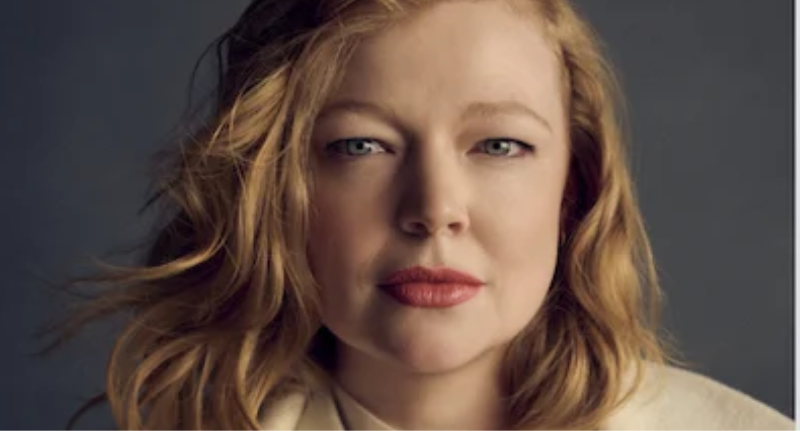
Sarah Snook joins Margot Robbie on star-studded Tropfest 2026 jury
Sarah Snook has been added to the 2026 Tropfest Jury, led by the President, Margot Robbie, as the festival makes a comeback this month.
Snook, a Golden Globe, Tony, AACTA and Emmy Award winner, joins an already high-profile panel that includes globally recognised producer Bruna Papandrea and acclaimed First Nations director Dylan River.
Together, the jury blends international influence, established Australian success and emerging creative voices.
“This jury lineup embodies everything Tropfest aspires to – Australian success, universal reach, and fearless new voices. Sarah, Bruna and Dylan each bring a unique and welcome perspective. Alongside Margot Robbie, they create a jury that truly reflects the best storytelling of our era,” said John Polson, Tropfest Founder and Director.
Snook comments
Snook added: “I’m so excited to join the jury and celebrate the originality, ambition and heart that Tropfest encourages. So much goes into telling a powerful story in just a few minutes, I’m really looking forward to seeing the finalists.”
Tropfest returns to its roots
Tropfest is making its return after a decade away, returning to its roots where filmmakers must create a brand-new short film that includes the iconic “Tropfest Signature Item” – which this year is an hourglass.
The festival announced major backing from the NSW Government, with NSW Premier Chris Minns describing Tropfest as “an Australian cultural institution.”
Other partners include CommBank, YouTube, Qantas and Nine Entertainment.
“Tropfest has long been an important launchpad for filmmakers,” Margot Robbie, who is Jury President and will walk the Black carpet later this month, said in November last year. “It’s where creativity meets opportunity, and I’m incredibly excited to help celebrate and support the next wave of storytellers.”
Top Image: Supplied
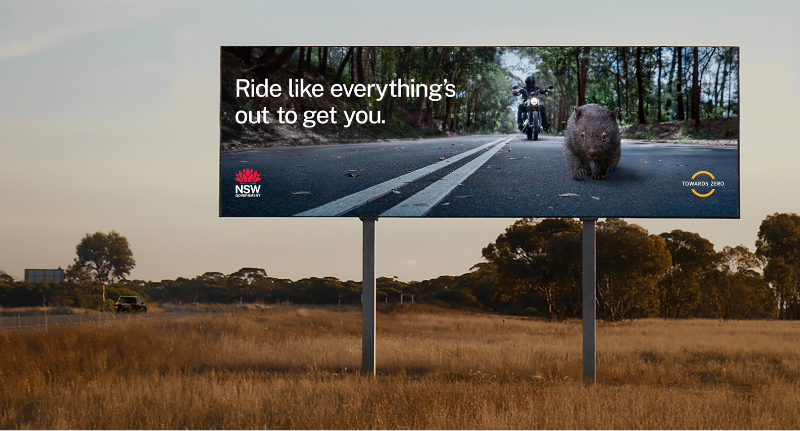
Transport for NSW taps Droga5 to jolt riders as fatalities hit decade high
Transport for New South Wales has partnered with Droga5 ANZ, part of Accenture Song.
This new statewide motorbike safety campaign aims to reshape how riders perceive risk on the road.
Titled Ride Like Everything’s Out To Get You, the campaign launches nationally from 19 February 2026 and comes as motorcycle fatalities reached a ten-year high in 2025.
Resetting the conversation on rider risk
The campaign responds to new crash data and research showing that awareness messaging alone is no longer driving sufficient behaviour change.
Fatalities have continued to rise year on year, with male riders disproportionately represented in serious injuries and deaths.
Four high-risk behaviours have been identified as priority areas for intervention: cornering, overtaking, intersection behaviour, and wearing protective gear.
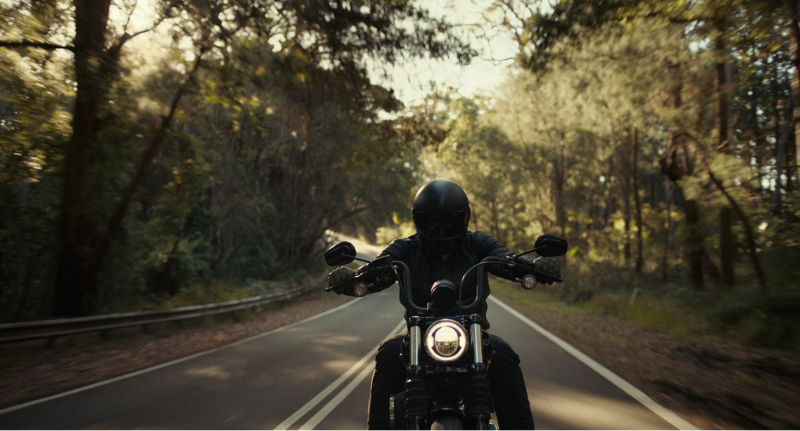
Image: Droga5 ANZ
Research also revealed deeper cultural insights about motorcycling. For many riders, the activity is closely tied to identity, freedom and community.
However, overconfidence among newer riders was linked to increased risk-taking. While most riders acknowledged the value of protective gear, many believed full protection was not necessary for every trip.
Against this backdrop, the new campaign aims to elevate riders’ perception of risk on every journey, rather than relying on shock tactics.
A new creative approach
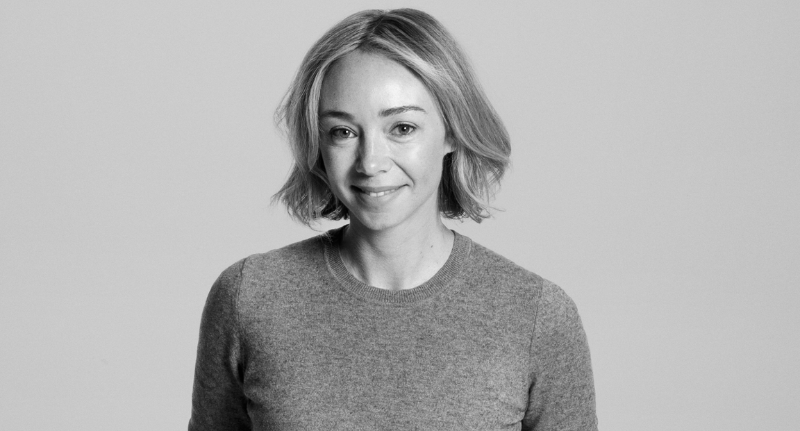
Barbara Humphries Image: Droga5 ANZ
Droga5 ANZ Chief Creative Officer Barbara Humphries said the work was designed to shift behaviour without alienating the riding community.
“The riding community is full of stories of seemingly innocuous objects or conditions, resulting in a near miss – or worse. This campaign aims to alert riders to the need to never let their guard down, even on seemingly ‘safe’ roads. By showing the hidden menace hiding in the familiar and banal, we’re using a new visual language to disarm, avoiding shock and fearmongering which causes many riders to self-exempt.
“The campaign is designed to elevate riders’ perception of risk on every journey, regardless of experience, prompt reflection on everyday behaviours, and equip both riders and drivers with the knowledge to better protect one another on the road.”
Rather than focusing solely on dramatic crash scenarios, the creative highlights everyday situations and decisions that can escalate quickly if riders drop their guard.
State-wide rollout across multiple channels
The campaign is rolling out across broadcast video on demand, online video, social, digital, radio, out-of-home and press. Creative assets have also been translated into four languages to support culturally and linguistically diverse media channels.
Transport for New South Wales Director of Road and Maritime Safety Evan Walker said the objective was to spark a more honest discussion about everyday risk.
“We want this campaign to start a more honest conversation about the everyday risks riders face when out on our roads and the need for them to be constantly on the lookout for danger to keep themselves safe. By focusing on everyday decisions – low-risk riding, protective gear and awareness, the campaign encourages people to think differently about risk before they get on the road and while they are riding before something goes wrong.”
The campaign film is available to view online.
CAMPAIGN CREDITS:
Client: Transport for New South Wales
Executive Director, Communications: Mel Stewart
Campaigns Manager: Philip Sherar
Campaigns Specialist: Christina Lazaridis
Creative Agency: Droga5 ANZ
Chief Executive Officer: Matt Michael
Chief Creative Officer: Barbara Humphries & Damon Stapleton
National Head of Production: Romanca Mundrea
Head of Production: Penny Brown
Head of Effectiveness: Kit Lansdell
Executive Creative Director: Christie Cooper
Executive Creative Director: James Conner
Group Business Director: Patrick Lynch
Group Business Director: Jenny McLarney
Business Director: Jack Asimus
Senior Producer: Kaija Wall
Senior Producer: Vanessa Fernandez
Design Director: James Halliday
Senior Designer: Stephanie Mo
Production Company: Sweetshop
Director: Jakob Marky
Co-Managing Directors: Edward Pontifex & Greg Fyson
Executive Producer: Kate Roydhouse
Producer: Nicole Crozier
DOP: Sam Chiplin
Post Production: ARC
Editor: Drew Thompson
Colourist: Billy Wychgel
Online Artist: Eugene Richards
Sound & Music: Liquidstudios NZ
Production Company: Sam I Am
Photographer: Toby Burrows
Retouching: Electric Art
Media Agency: OMD
Snr Planning Manager: Rhys Davies
Implementation Manager: Guida Helal
Implementation Manager: Andrew Spearing
Planning Executive: Kayley Macgonigal
Top Image: Droga5 ANZ

Snap builds $1B subscription business as it moves beyond ads
Snap is accelerating its shift away from an ads-only revenue model.
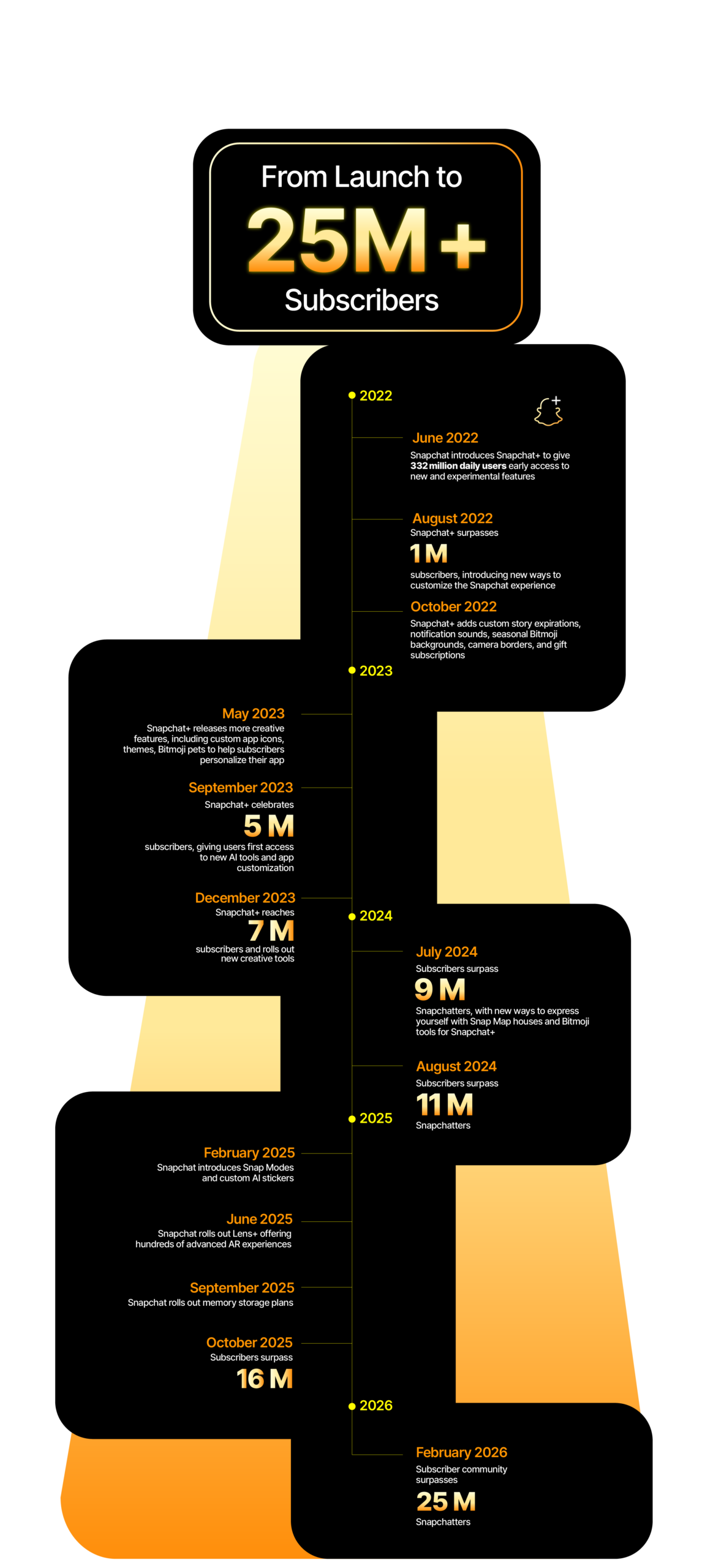
The company revealed its direct-to-consumer subscription business has surpassed a $1 billion annualised revenue run rate, powered by more than 25 million paying Snapchatters globally.
This milestone marks a significant structural pivot for the platform. While it has historically relied on advertising, it is now building a parallel monetisation engine through subscriptions, including Snapchat+, Lens+, and Snapchat Platinum.
The company said its growing portfolio of paid products is reshaping how it monetises engagement. This allows users to support the platform directly while unlocking new features.
Snap builds a second revenue engine beyond ads
The $1 billion run rate signals that subscriptions are evolving from an experimental add-on into a material revenue stream. Digital platforms are increasingly diversifying their income sources as ad markets remain volatile.
“Today, we’re excited to share that our direct revenue category – the portfolio of products where Snapchatters support the platform directly – has exceeded a $1B annualized revenue run rate,” the company said.
The subscription push is anchored by Snapchat+, which launched in late 2022. It has quickly become one of the fastest-growing consumer subscription services globally.
What started as an early-access program for engaged Snapchatters has scaled into a meaningful business. It now represents a strong revenue stream alongside the ads business.
The shift reflects a broader trend across the digital ecosystem. Platforms from YouTube to TikTok are investing heavily in paid products and premium features to reduce reliance on advertising alone.
Why subscriptions resonate with Gen Z audiences
Snapchat’s subscription model is built around personalisation.
With more than 946 million monthly active users globally, Snap is positioning subscriptions as a natural extension of its messaging experience.
Features such as customised chat backgrounds and Bitmoji integrations are designed to deepen engagement.
“When you open a conversation with your spouse and see a photo of your children as the background, those moments add warmth and joy to everyday communication,” the company noted.
AI, creators and premium experiences drive the next phase
Snap is expanding its subscription offering with new paid tiers and AI-powered creative tools. This includes Lens+, which provides access to generative AI features.
The company is also introducing Creator Subscriptions.
This allows fans to pay creators directly for exclusive content and an ad-free experience. This creator monetisation push mirrors strategies from TikTok and YouTube, as platforms compete to attract talent and unlock new revenue.
Snap said its growing base of paying users will play a critical role in shaping the platform’s future.
For advertisers and agencies, the shift signals a more diversified Snap ecosystem. Monetisation now extends beyond advertising into subscriptions and AI-driven products, reshaping the commercial dynamics of an influential platform.
Legal
US Photographer slaps Amy Taylor with Anti-SLAPP Motion
Nelson, who says she is the sole copyright holder of the images published in Vogue Portugal in July 2025, alleges the conflict began after a third party linked to Taylor publicly shared one of the photos without permission, prompting cease-and-desist notices to Taylor and the band.
Social media
Zuckerberg questioned over Instagram age controls in court
As Madlin Mekelburg and Riley Griffin detail in The Sydney Morning Herald, he told the jury some users lie about their age, making detection difficult even with new safeguards in place.
The Meta CEO said the company has introduced tools to identify and remove underage accounts, while grappling with privacy concerns around stricter age verification.